Every piece of research we've covered — across genetics, neuroscience, ecology, immunology, and more.
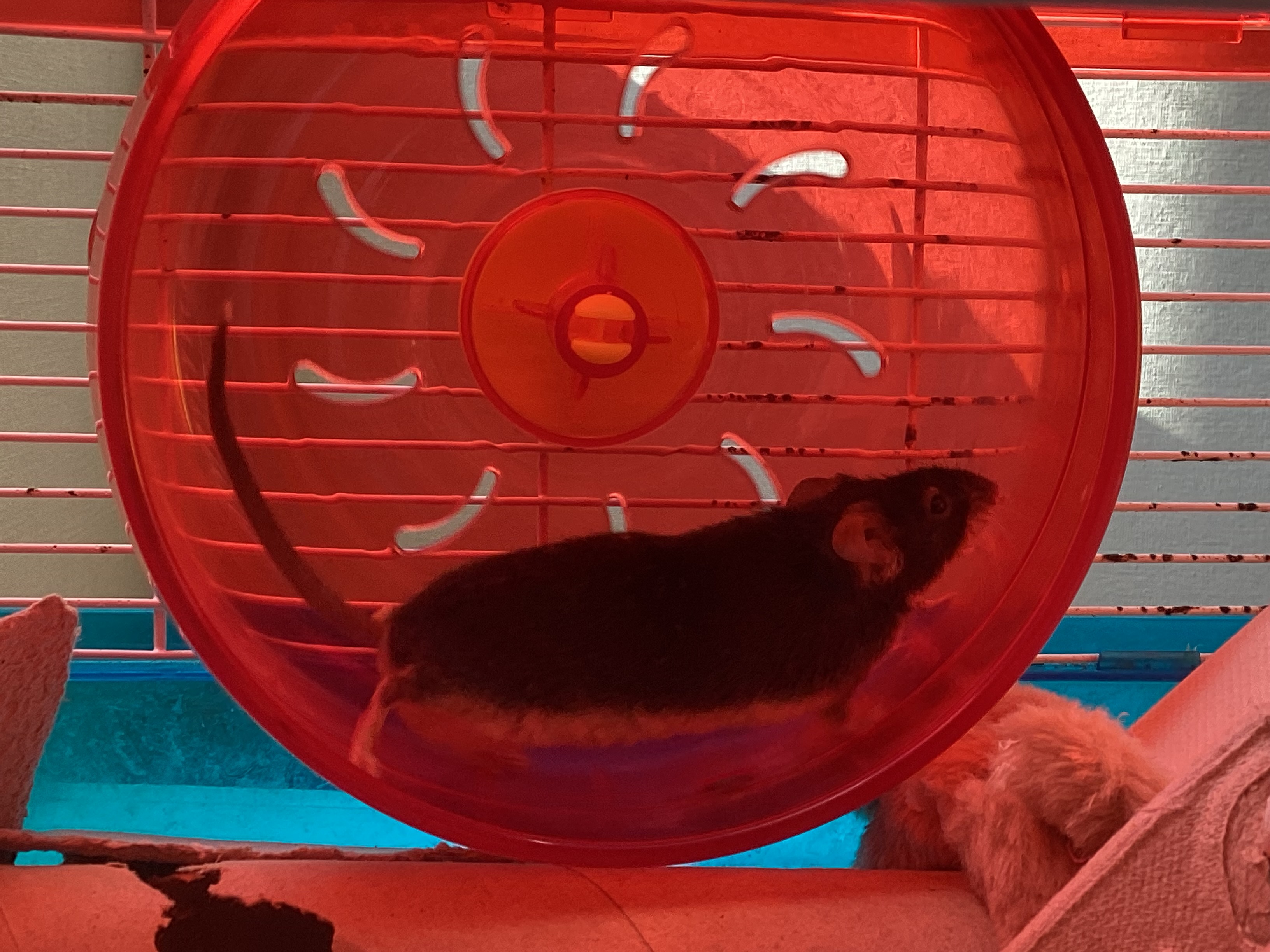
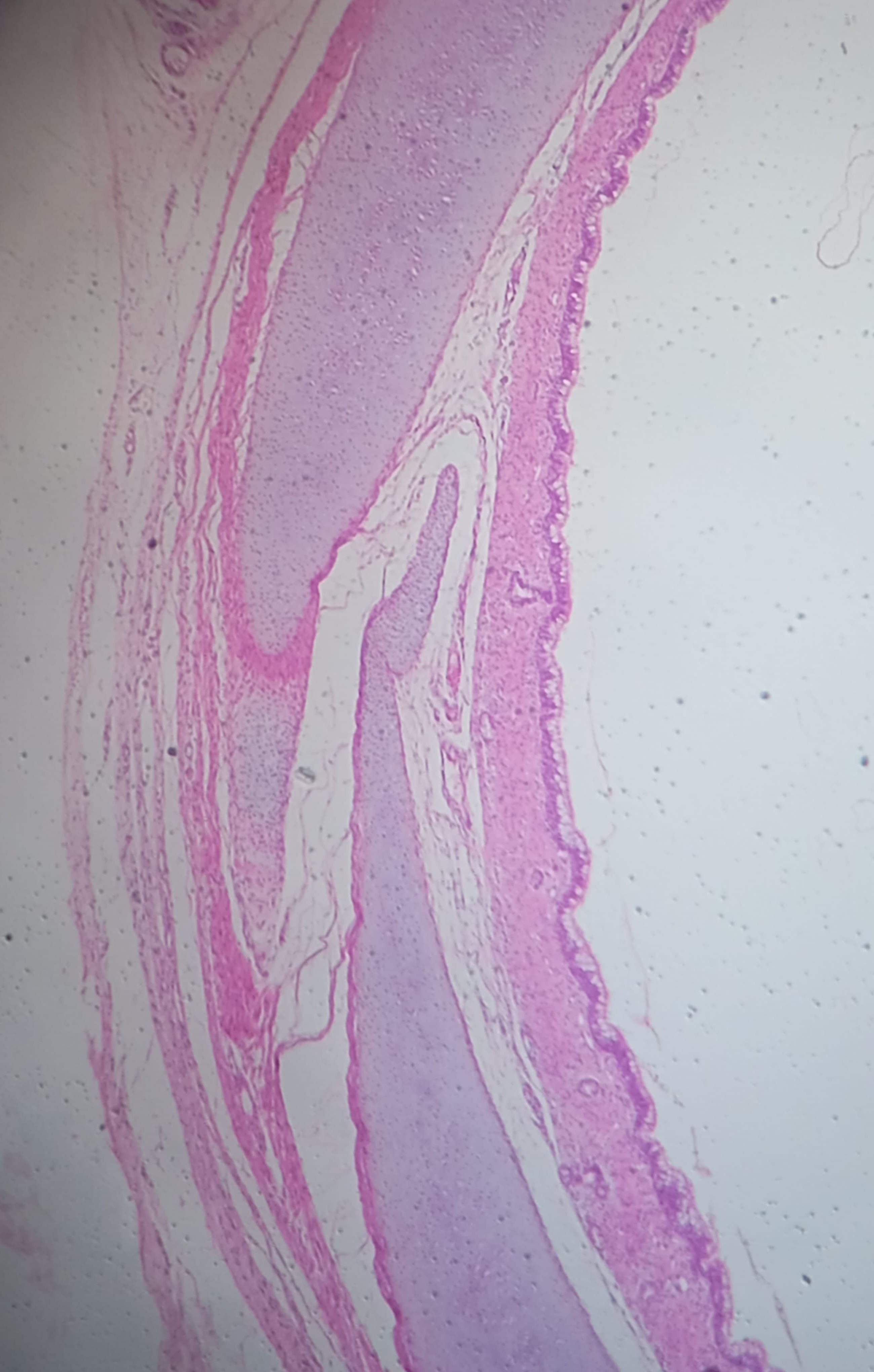
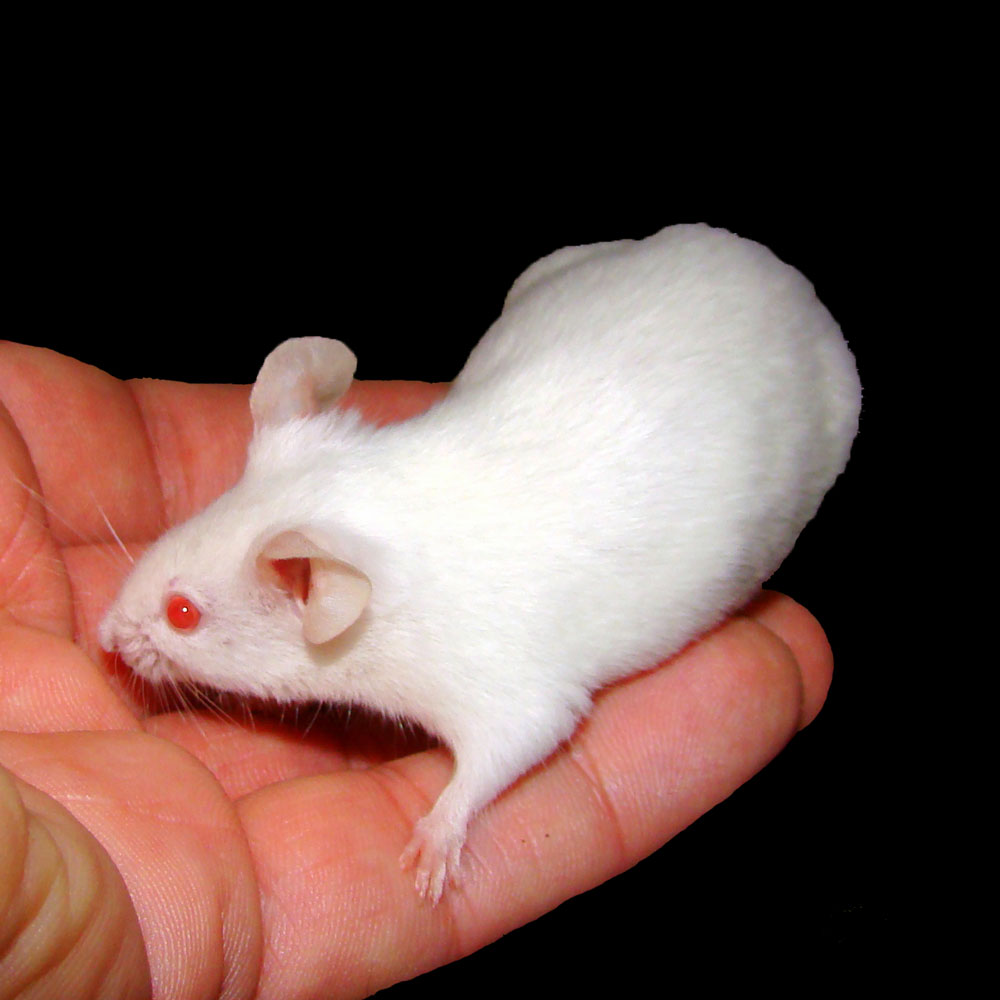
A rodent's front teeth never stop growing, and gnawing keeps them in check. Researchers traced the neural wiring that turns a touch on the tooth into the drive to chew, and found it borrows the brain's reward system.
Mice raised without gut microbes lose the front-to-back organization of their colon. A team traced the cause to nicotinic acid made by bacteria in the upper colon, and found the same regional identity fades in human disease.
Researchers built circular single-stranded DNA donors that slip past the innate immune system, letting recombinase enzymes insert kilobase-scale sequences into the human genome without viruses. In mice, the approach was tolerated at doses that made conventional double-stranded DNA toxic.
A low-protein diet made mice turn ordinary white fat into calorie-burning beige fat. The effect vanished in germ-free mice and came back when specific gut bacteria were restored.
Researchers built a 33-genome reference for sorghum and screened nearly 2,000 varieties, uncovering the structural DNA differences that shape traits in one of the world's most drought-hardy grains. The work gives breeders a sharper toolkit for a crop that industrial agriculture mostly overlooked.
Researchers built an imaging platform that maps where hundreds of genes switch on inside a whole zebrafish embryo, one cell at a time. It shows how tissue boundaries form as development unfolds.
A survey of more than 6,000 European vegetation plots tracked over decades finds that alpine summit plant communities are shifting toward warmth-loving species up to five times faster than forests or grasslands. The cold specialists on the highest peaks have nowhere left to climb.
Researchers showed that a bacterial enzyme called a bridge recombinase can insert gene-sized pieces of DNA into human cells using a single RNA guide, hitting insertion rates above 6 percent. It points toward genome edits that are still out of reach for CRISPR.
A study in Nature traces age-related memory loss in mice to gut bacteria that dampen signals traveling up the vagus nerve. Phages, a drug, and nerve stimulation each restored memory.
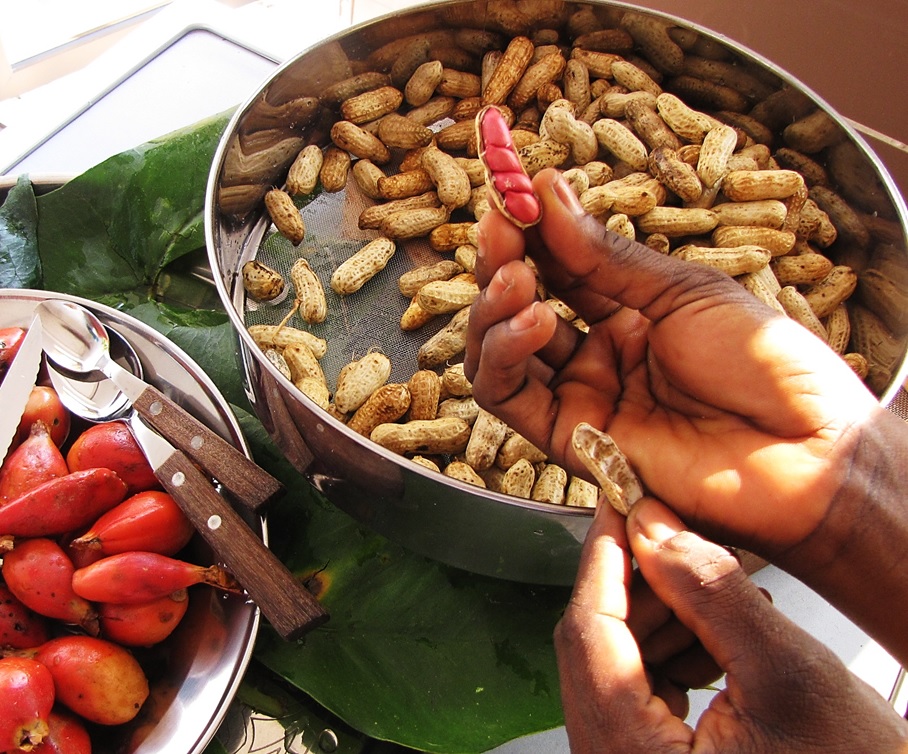
Researchers found bacteria living in human saliva and the small intestine that break down peanut allergens before the immune system can overreact. In mice and patient samples, more of these microbes meant milder reactions.
Researchers engineered a bacterial "bridge recombinase" to insert, invert, and delete large stretches of human DNA, moving up to 0.93 megabases in a single programmable step. It points toward gene editing that works on whole chunks of the genome, not just single letters.
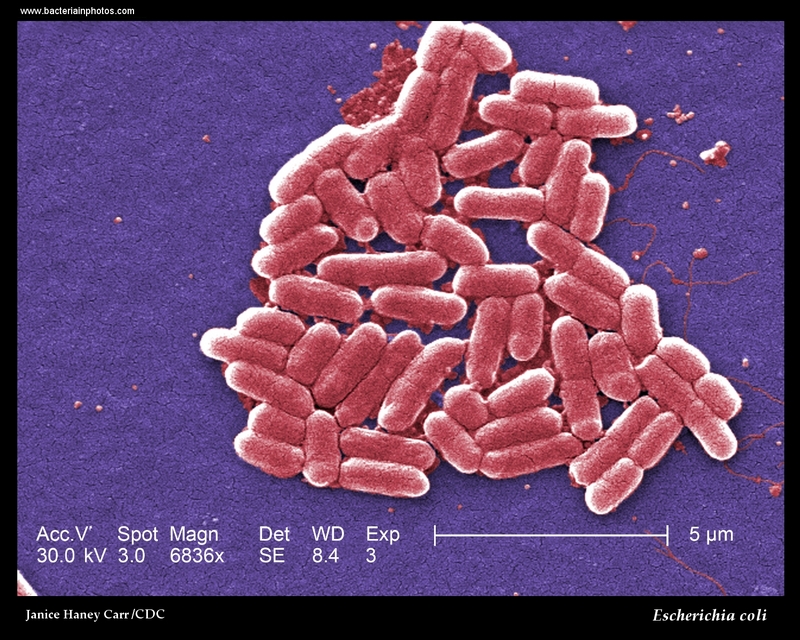
A Nature study finds that newborns who develop E. coli sepsis are missing specific maternal antibodies passed across the placenta. In mice, seeding the mother's gut with a probiotic E. coli strain before pregnancy primed those antibodies and protected the pups.
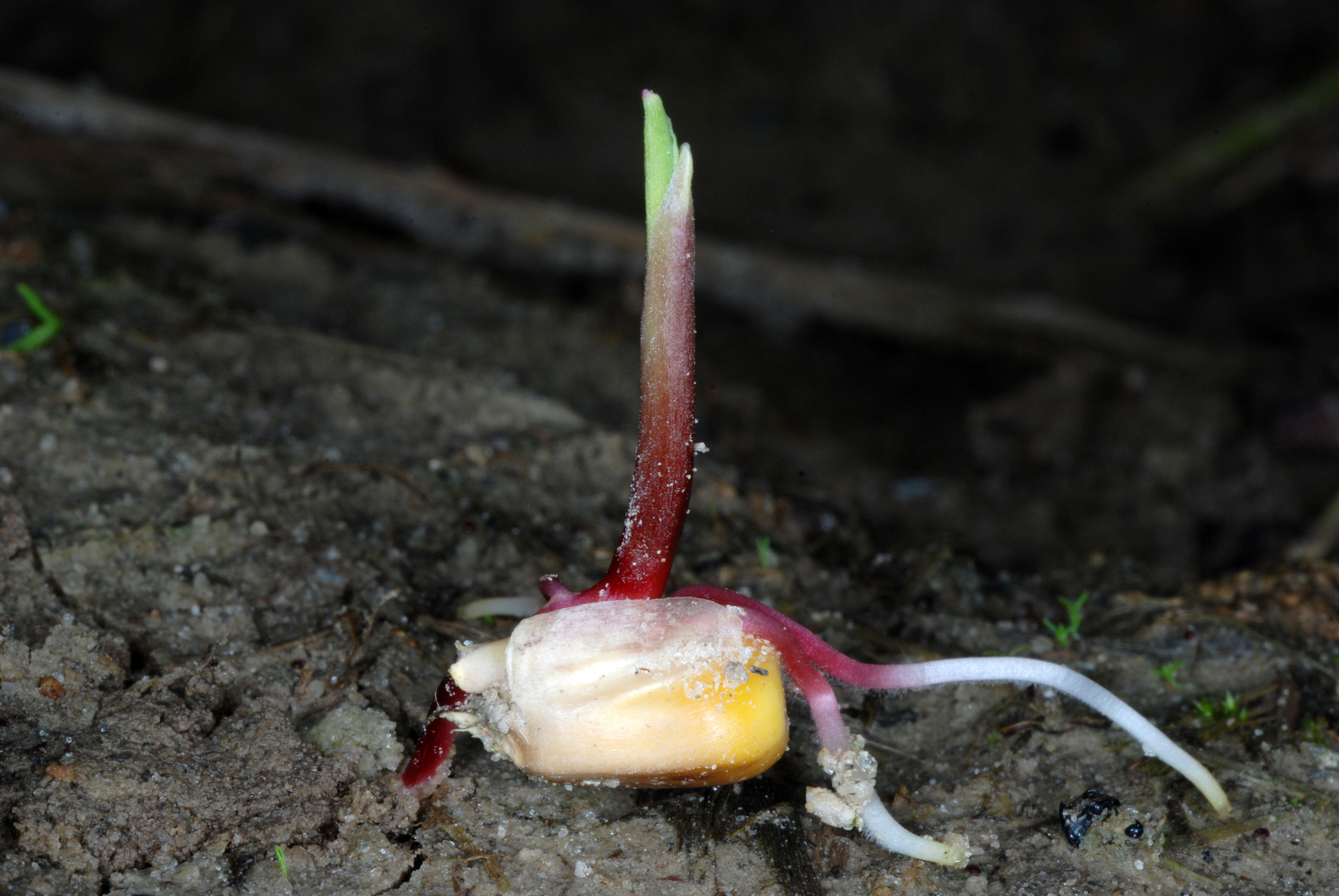
Researchers found a single maize enzyme that boosts cold tolerance while blocking phosphate uptake, then re-engineered it to do only the useful half. Edited plants performed better in field trials.
A multi-agent AI system called DeepRare ranks likely rare-disease diagnoses and links each guess to verifiable medical evidence. Across 2,919 diseases it topped existing tools, and specialists signed off on more than 95 percent of its reasoning.
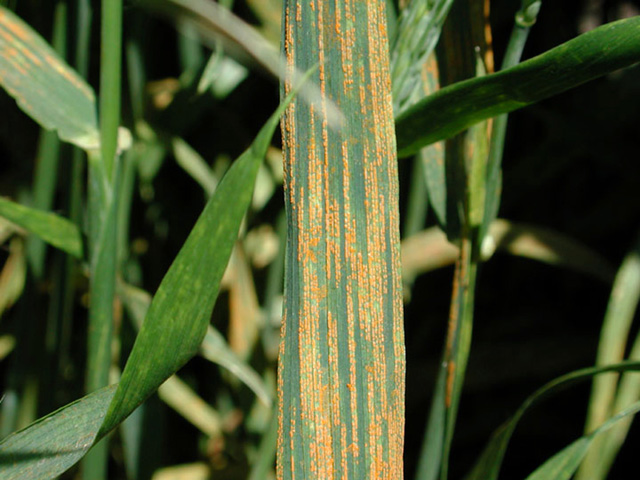
Researchers cloned Yr83, a resistance gene from rye in which a plant immune sensor is fused to a domesticated transposase. Moved into wheat, it delivers near-immunity to stripe rust and adds grains per spike.
A phase 1 trial used an in vivo base editor to switch off the PCSK9 gene in the liver. Six people with inherited high cholesterol got a single infusion, and LDL dropped by more than half.
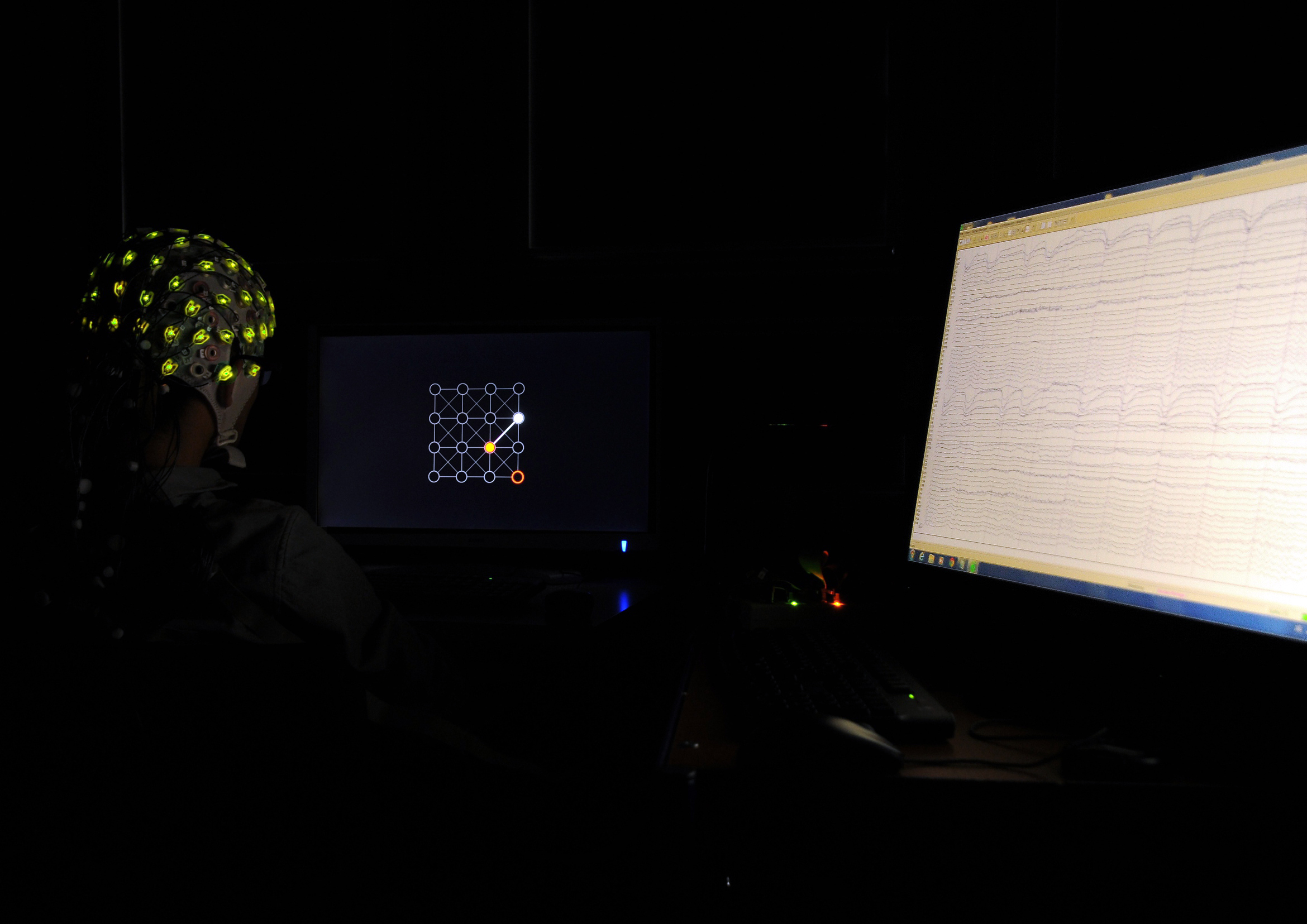
Researchers tested a wearable EEG headband that coaches carsick passengers to focus on their breathing, then feeds back their brain state in real time. In more than 100 riders, most rated it effective at cutting nausea.
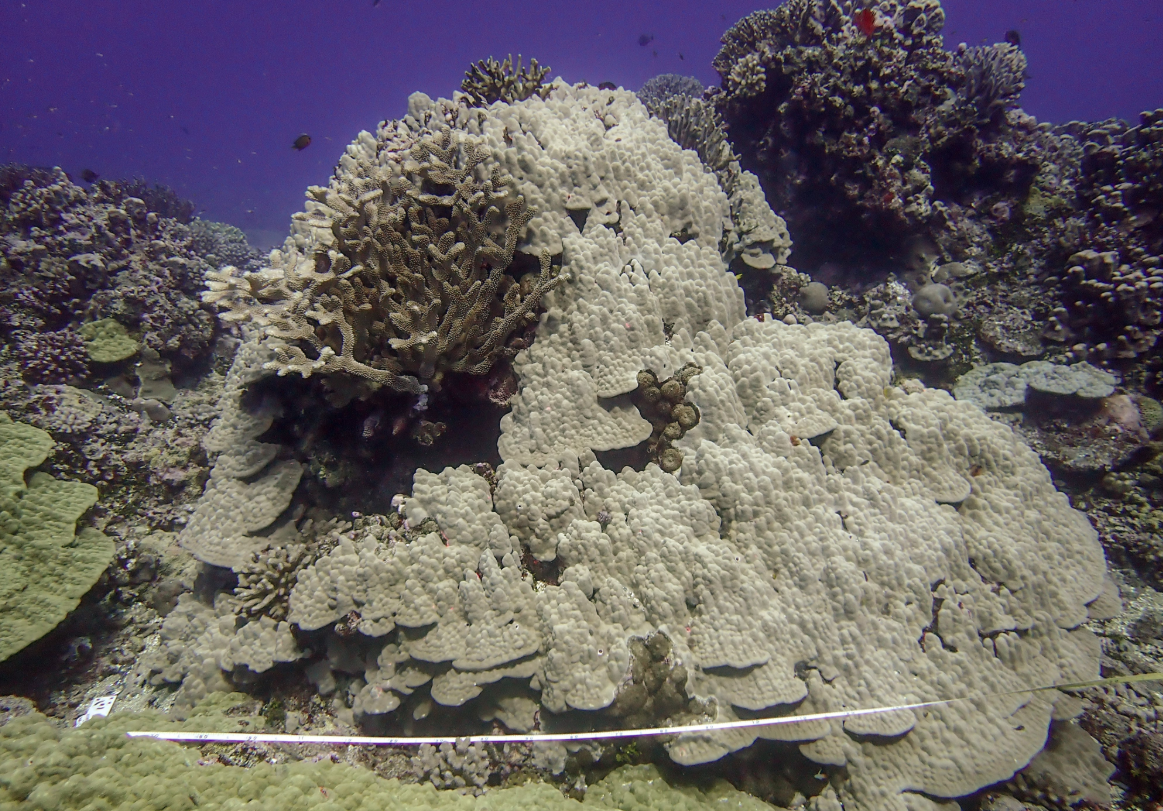
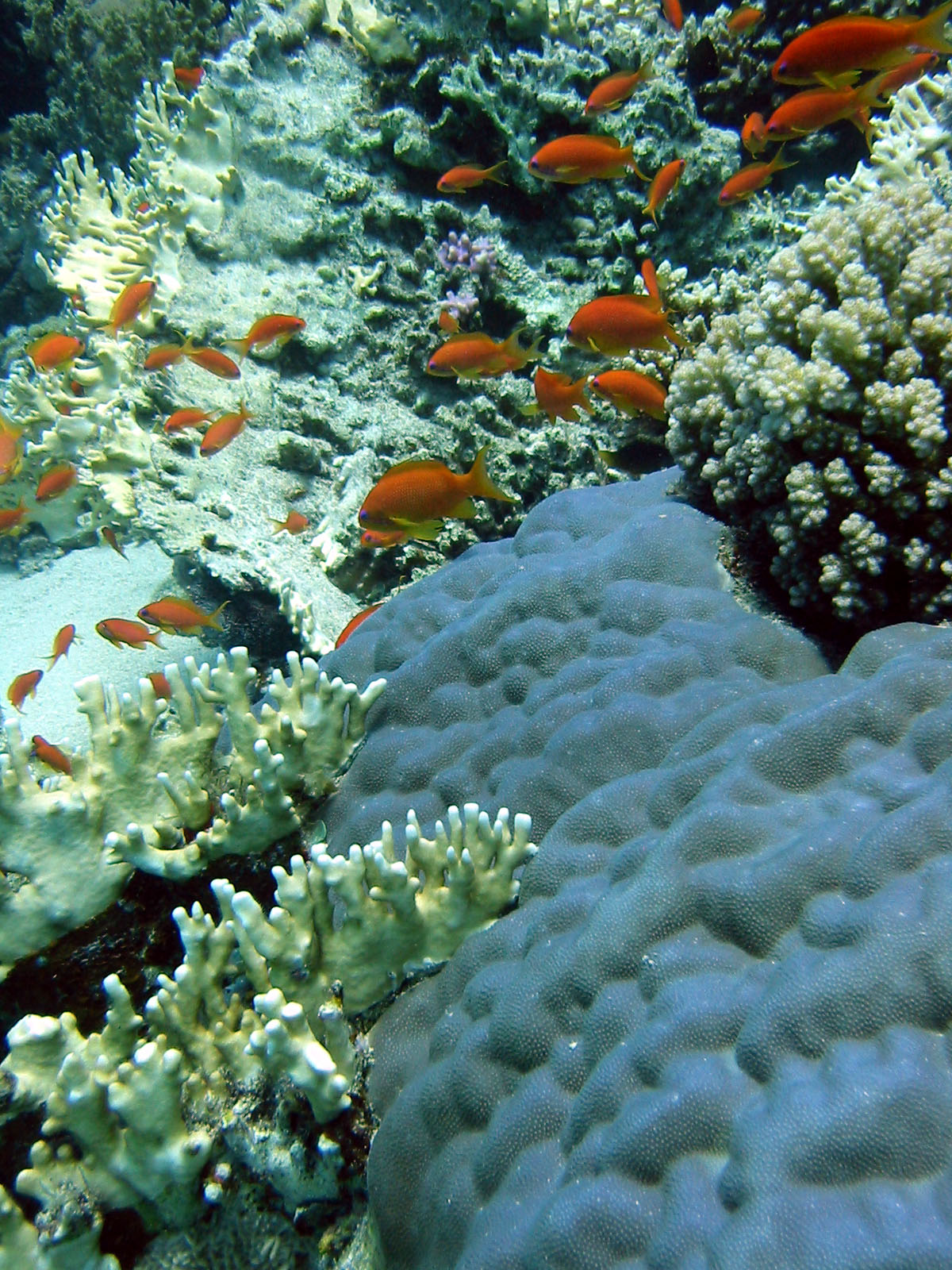
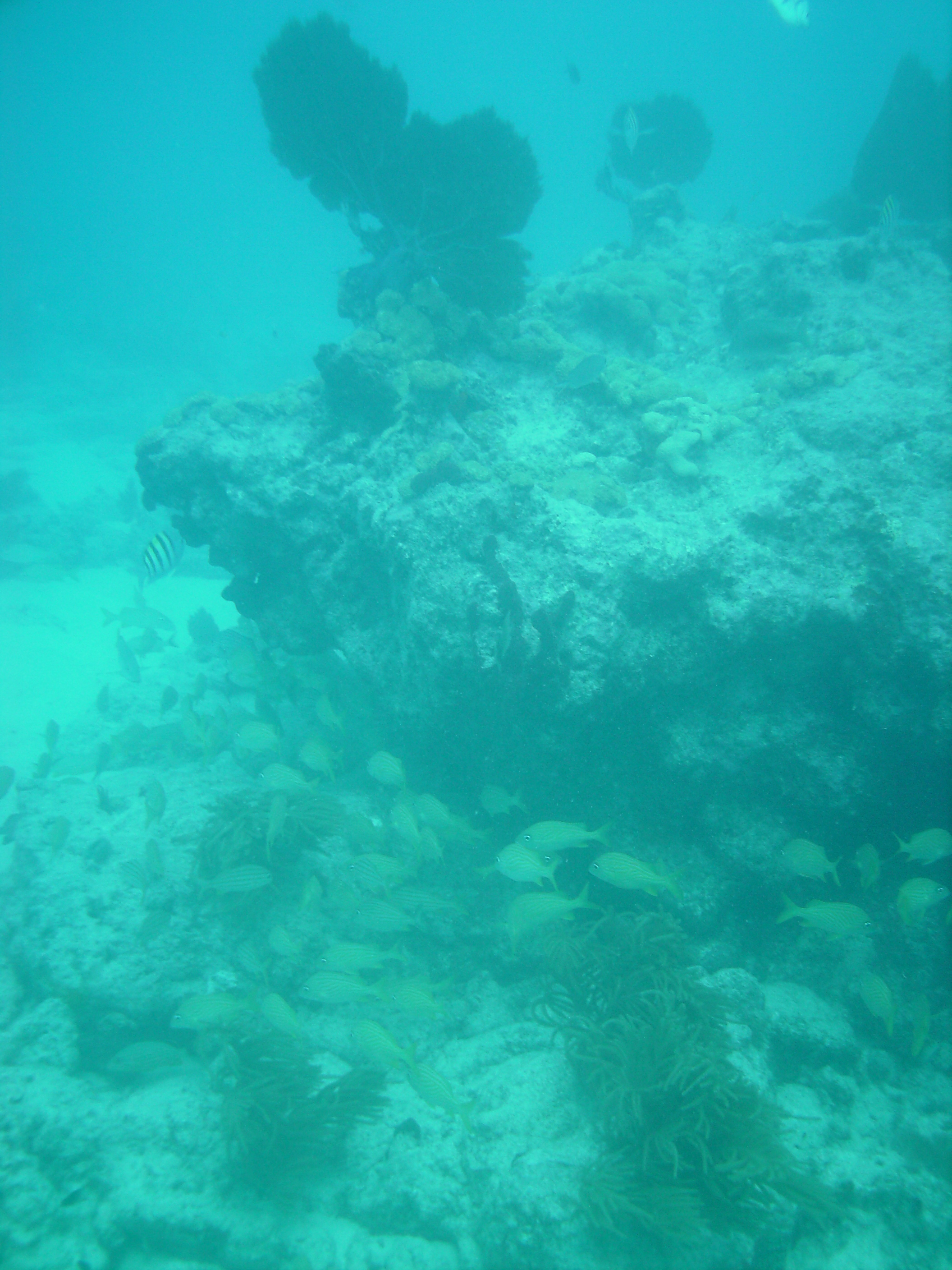
A survey of 820 reef-building coral samples from across the Pacific found thousands of microbial species, most with no genome on record and a rich untapped capacity to make novel molecules.
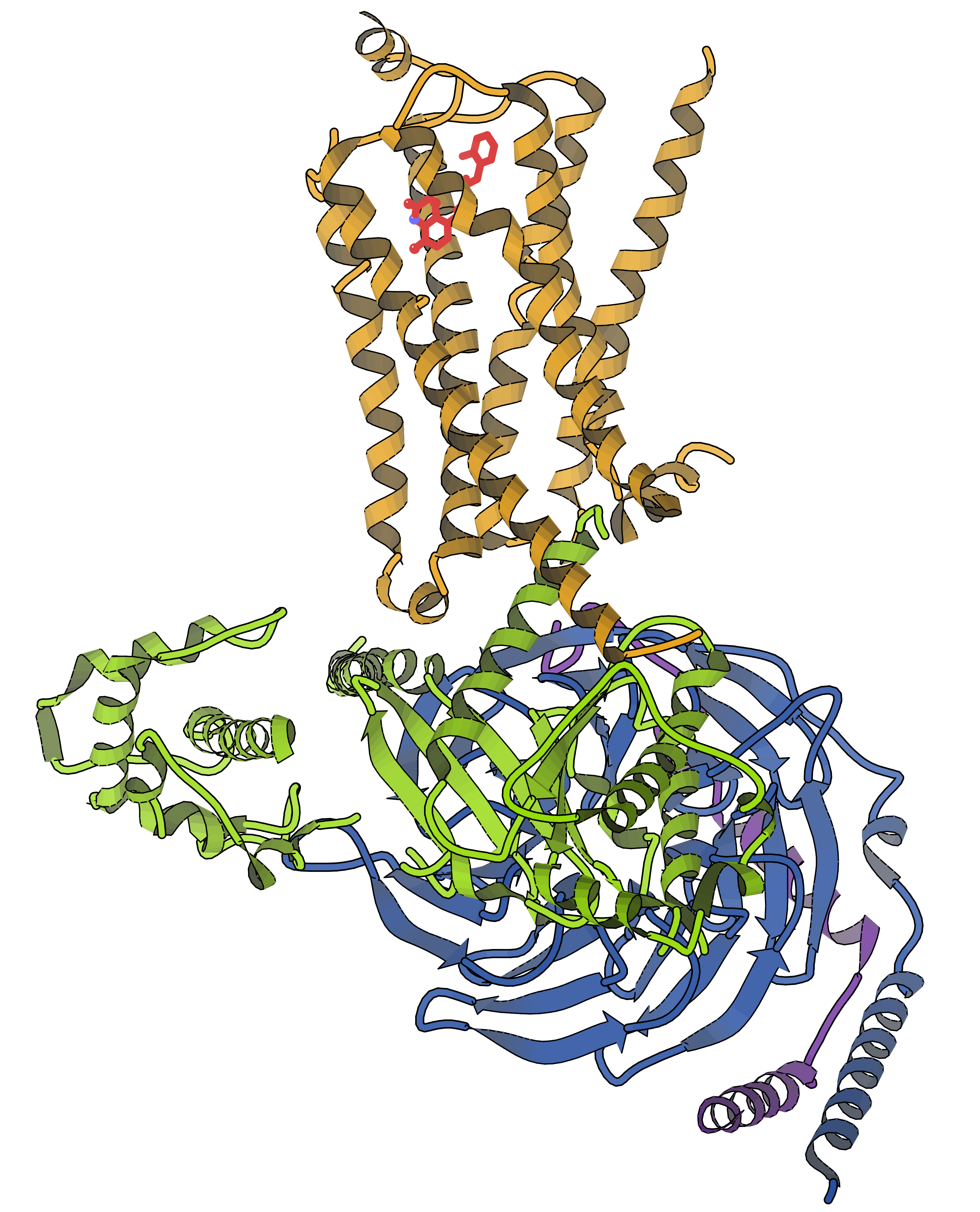
Researchers used a deep-learning design method to invent entirely new proteins that latch onto the greasy outer surface of a G-protein-coupled receptor instead of its usual drug pocket. One of them switched a broken dopamine receptor back on.
MIT researchers describe SNIPE, a defense system in E. coli that sits at the cell membrane and cuts a bacteriophage's DNA at the exact moment the virus threads it inside. It works by recognizing the virus's injection machinery, not the DNA sequence.
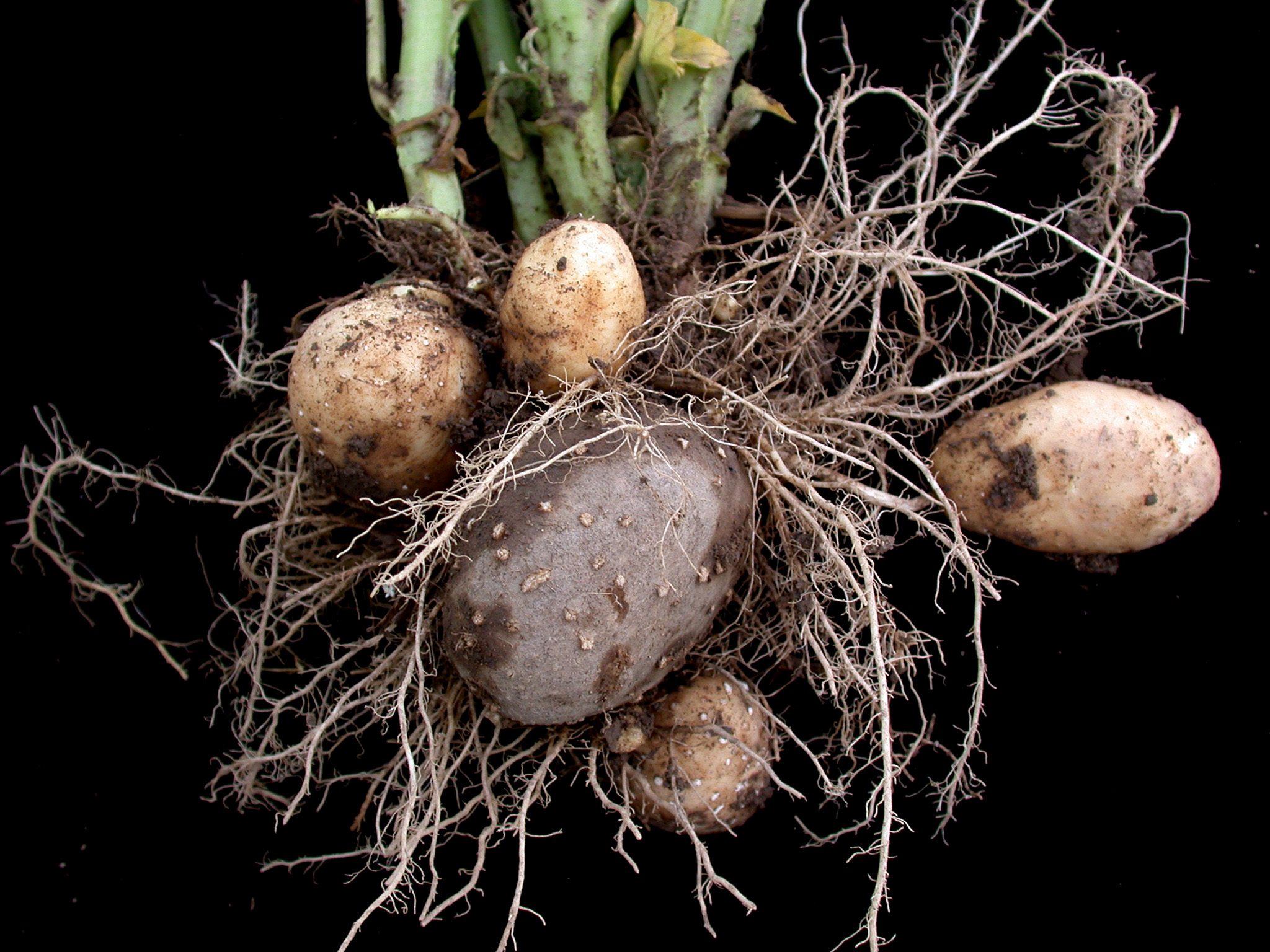
Researchers built diploid potatoes that cannot self-pollinate, opening a cheaper route to hybrid potato seed. The trick also stops the plant from wasting energy on fruit it does not need.
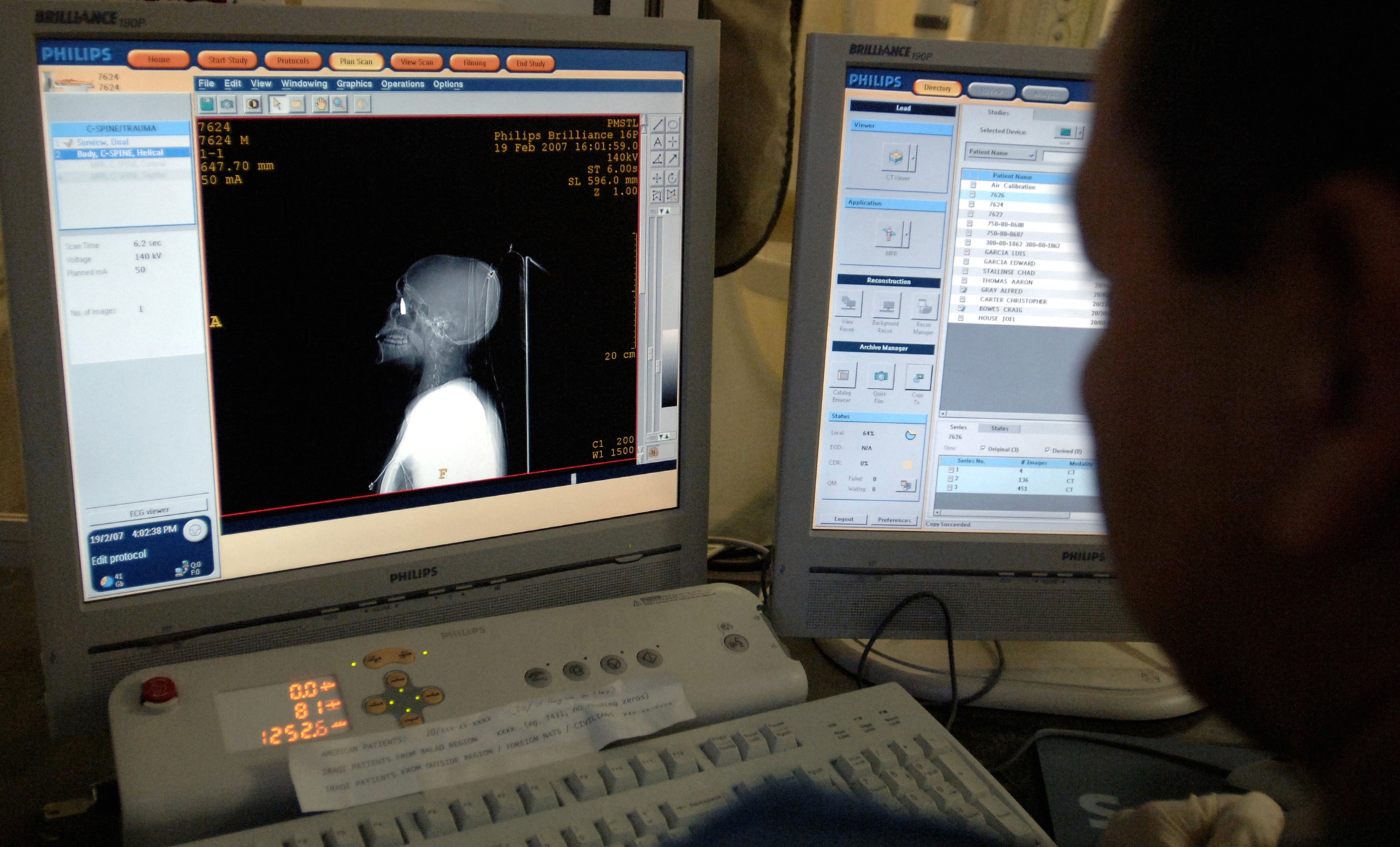
Researchers built Merlin, a 3D AI model that reads whole abdominal CT scans by learning from radiology reports and health records instead of hand-drawn labels. It was tested on more than 44,000 scans from outside hospitals.
A study of nearly 34,000 fish populations finds that steady ocean warming slowly shrinks fish biomass, while short heatwaves can crash or briefly inflate it depending on where a population sits in its range.
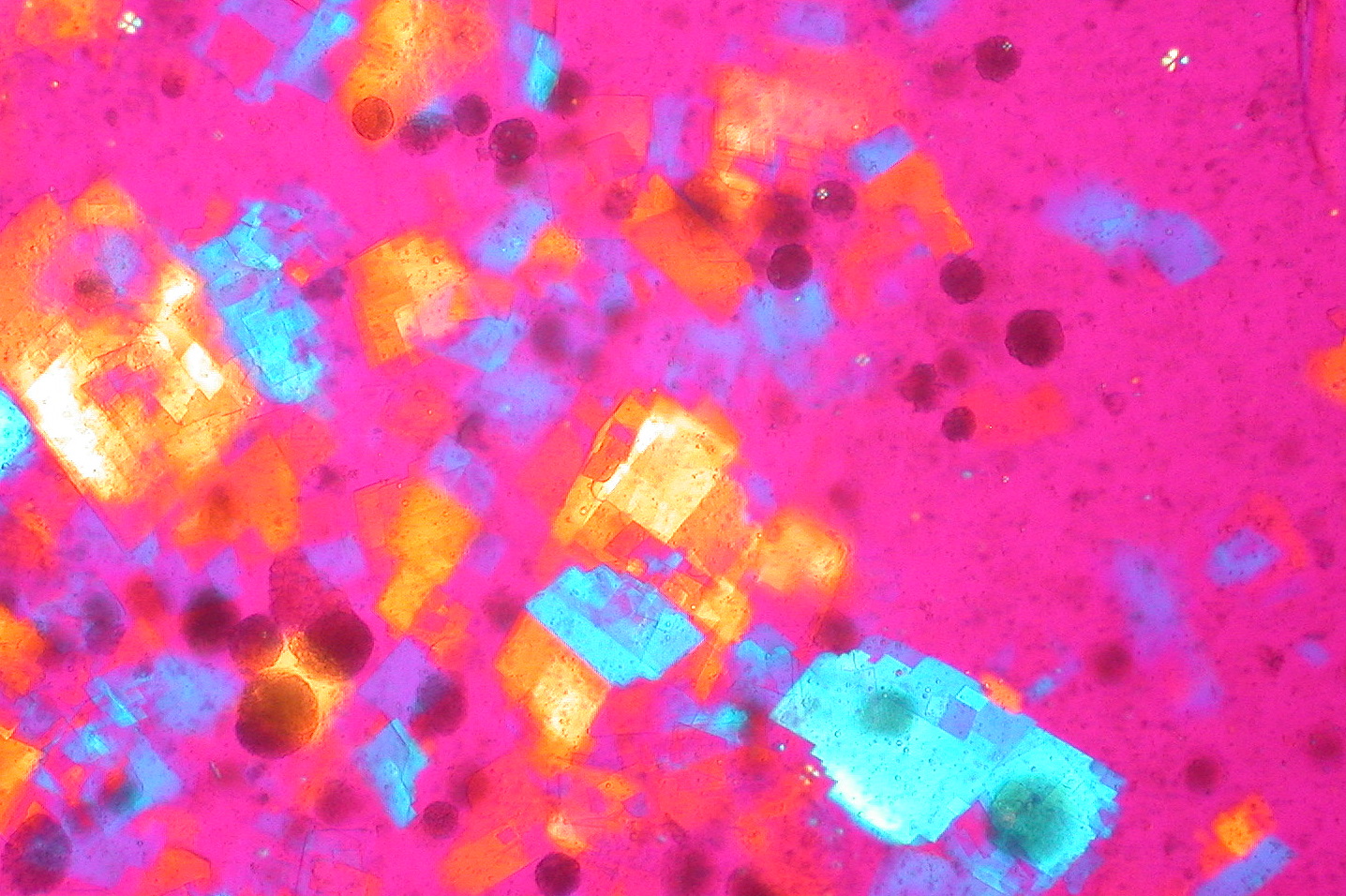
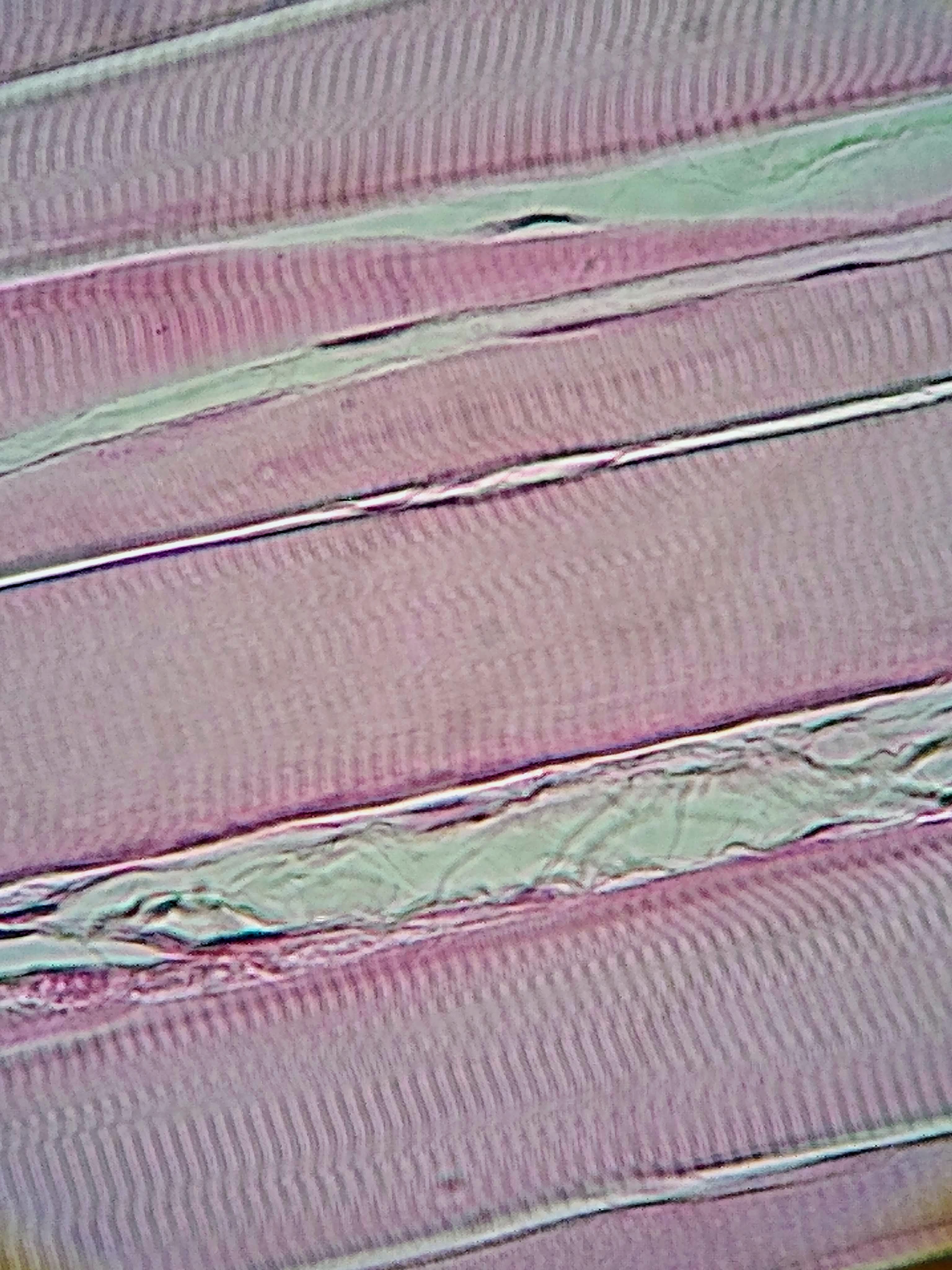
A repeat of GGC letters blamed for a rare muscle disease sits in a stretch of DNA long dismissed as junk. Researchers found it is quietly translated into a sticky, toxic protein, and one chemical can switch that production off.
In mice, a small group of neurons deep in the hypothalamus tracks a history of exercise and turns out to be necessary for the endurance and metabolic gains that training brings. Block those cells and the payoff from working out disappears.
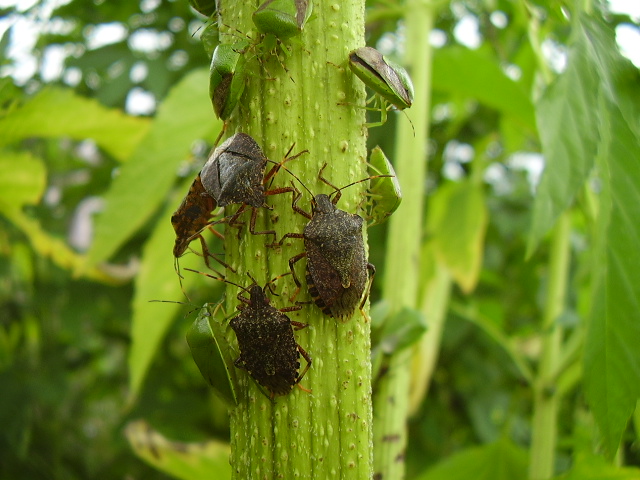
Researchers found that disabling one bacterial gene, tnaA, flips ordinary E. coli into a mutualist for the stinkbug Plautia stali. Wild insect symbionts turn out to lack that same gene.
A modeling study finds that ocean currents and mixing make marine heatwaves more intense and longer-lasting. In the North Atlantic, that same circulation may make some heatwaves predictable years in advance.
Vaccines against Clostridioides difficile have long protected against symptoms without touching the bacteria in the gut. A Vanderbilt team shows that delivering the vaccine directly to the colon clears the pathogen in mice, pointing to where the immune response actually needs to happen.
A blight killed billions of American chestnut trees a century ago. Researchers have now mapped the genetics of resistance and found the surprising sweet spot for breeding trees that can survive and still look like chestnuts.
Researchers measured how nearly every possible mutation in the LDL receptor gene behaves, building a lookup table that could resolve the roughly half of clinical variants doctors currently cannot classify. The functional scores tracked with real patients' cholesterol and heart-disease risk.
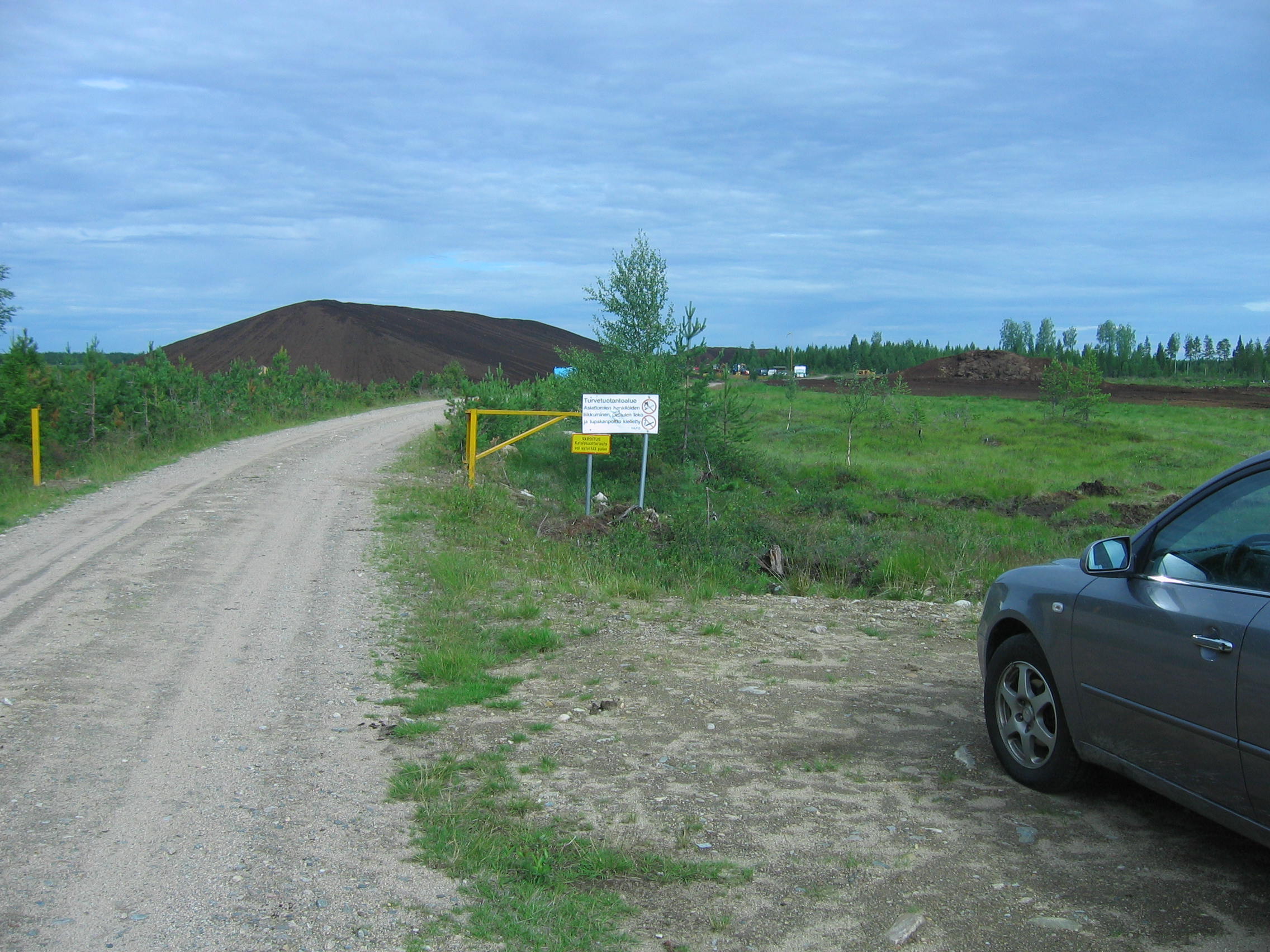
Sphagnum peatlands hold about 40% of boreal carbon and behave opposite to forests and tundra under warming. The offset is large, and it assumes the peatlands stay wet.
In a phase 1-2 trial, nine children with type II GM1 gangliosidosis received one infusion of an AAV9 gene therapy. The missing enzyme reappeared in their spinal fluid, and some measures of decline slowed.
A UCSF study in mice finds that how fast an animal learns a cue-reward link depends on the time between rewards, not how many pairings it sees. The result contradicts a core assumption behind decades of dopamine learning models.
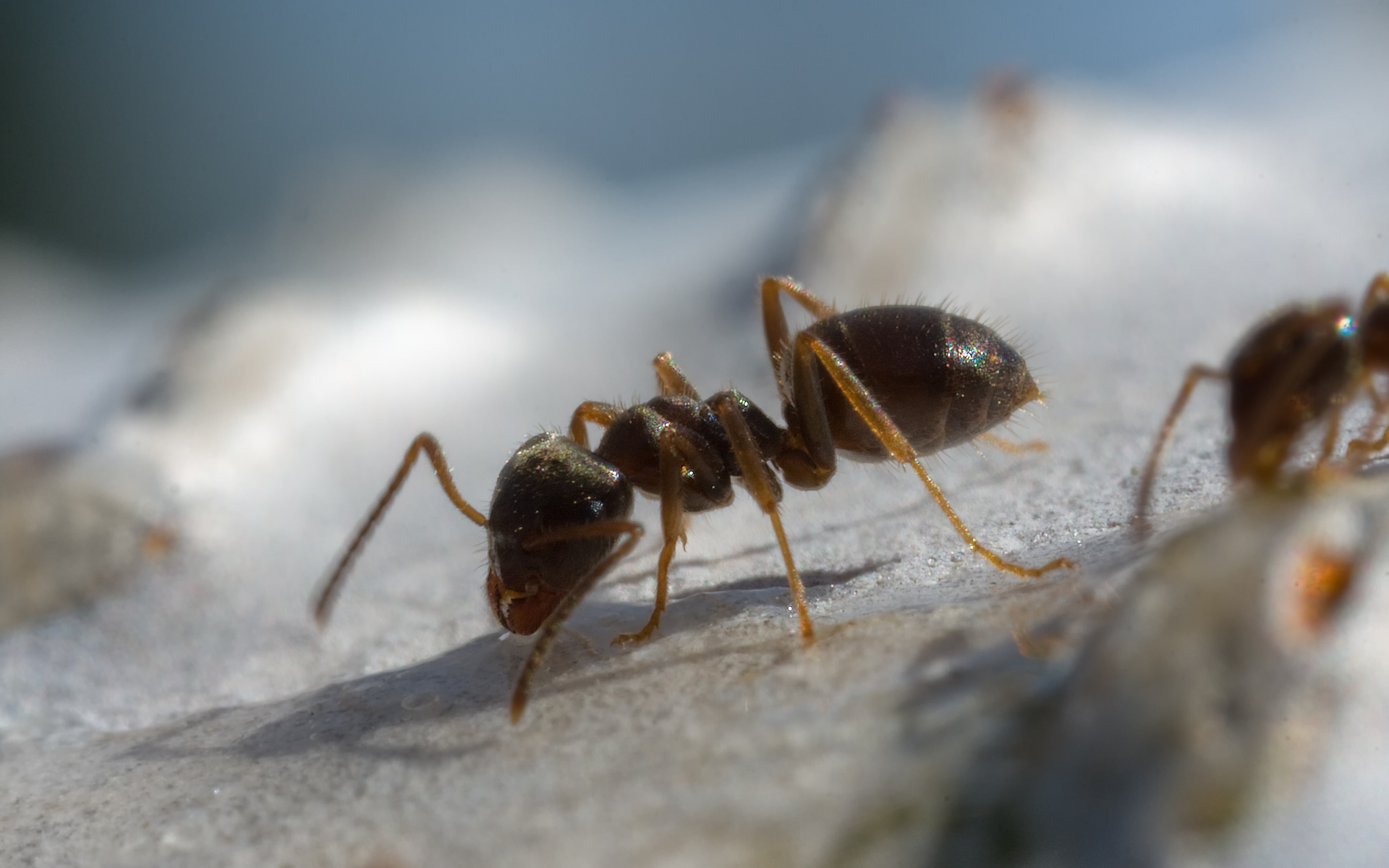
A rove beetle silences the genes for its own body-surface pheromones, letting ants groom their scent onto it and accept it into the colony. The switch cannot be flipped back, trapping the beetle in permanent dependence.
Researchers fired high-energy pulsed electron beams at Streptomyces bacteria, breaking their DNA in ways that reshuffled the genome and switched on dormant chemistry. The method produced two new molecules and record yields of clavulanic acid, microcin J25, and lovastatin.
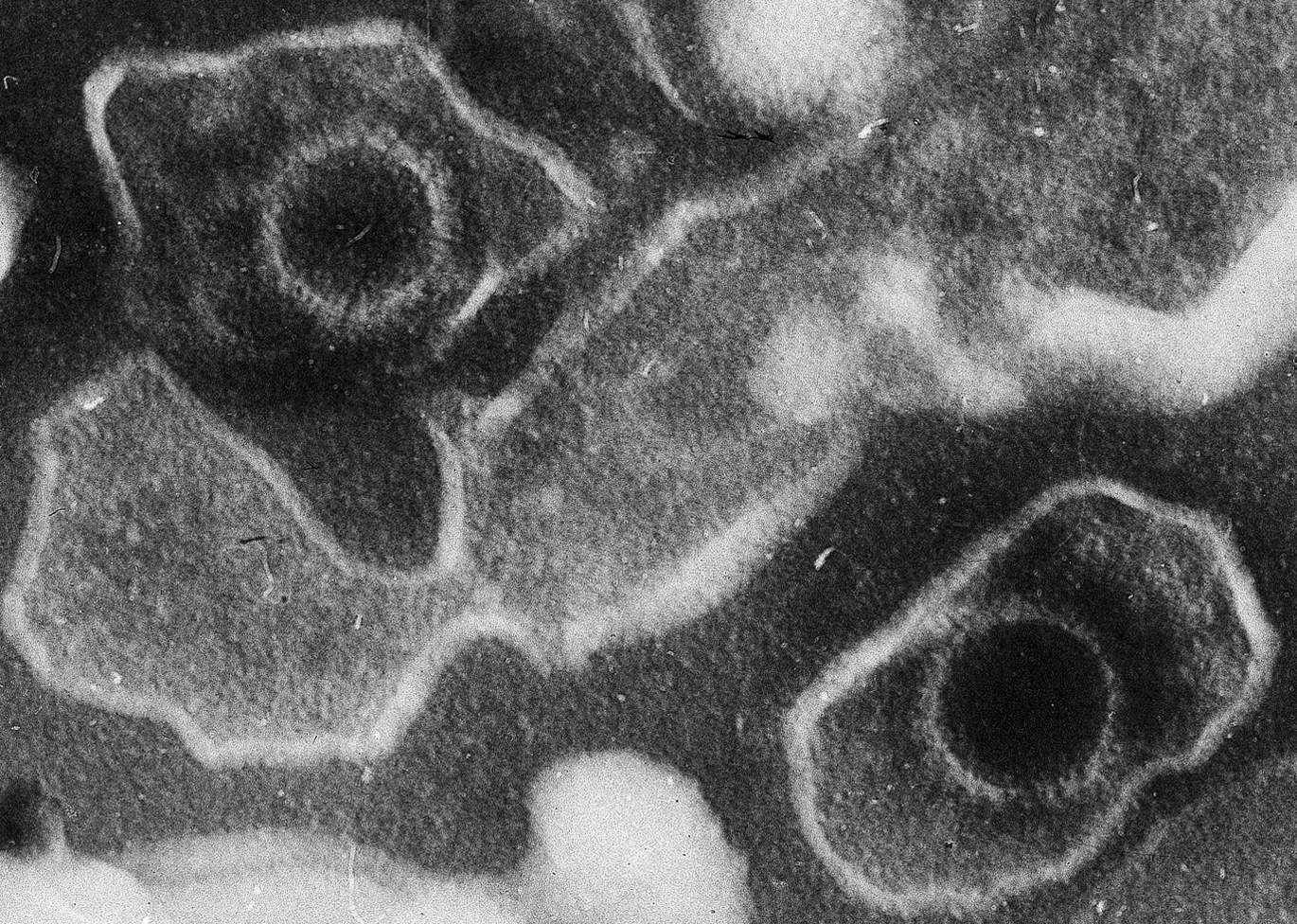
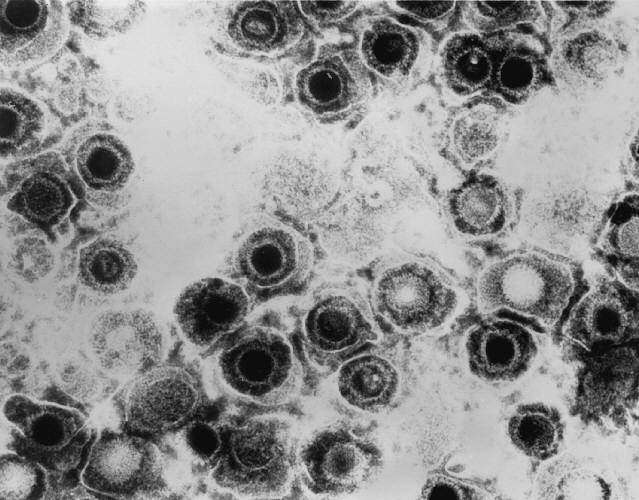
Researchers found a single antibody that blocks infection across the whole gammaherpesvirus family, including the viruses behind Epstein-Barr and Kaposi's sarcoma. It protected mice, monkeys, and humanized mice against three different species.
Engineers built a synthetic blood vessel that turns the push of flowing blood into an electrical signal, letting it wirelessly report when it starts to clog. It worked in rats and pigs over four months.
Researchers built a compact spinning-disc device that pulls tumor-linked vesicles from 150 microliters of whole blood and labels them for 16 proteins in under 75 minutes. In a pilot study it told cancer from non-cancer samples with 90 percent accuracy.
Nitrogen isotopes locked inside 7,000-year-old fish ear stones show modern Caribbean reef food chains are 60 to 70 percent shorter than before heavy human impact. The reefs are not just emptier, they are structurally simpler.
Adeno-associated viruses are the workhorse of gene therapy, but their tiny cargo hold locks out many important genes. A team in Shenzhen built AAVLINK, which ships a gene in pieces and stitches it back together inside the cell, then rescued seizures and behavior in mutant mice.
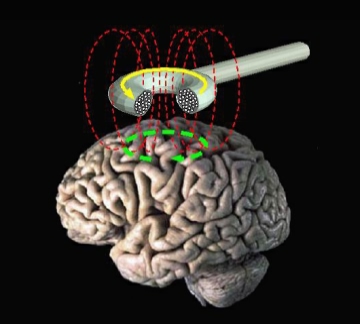
Three effective stimulation targets for Parkinson's were found empirically over decades. Imaging of 863 people says what they share, and a randomised trial in 36 patients tested whether aiming at it directly works better.
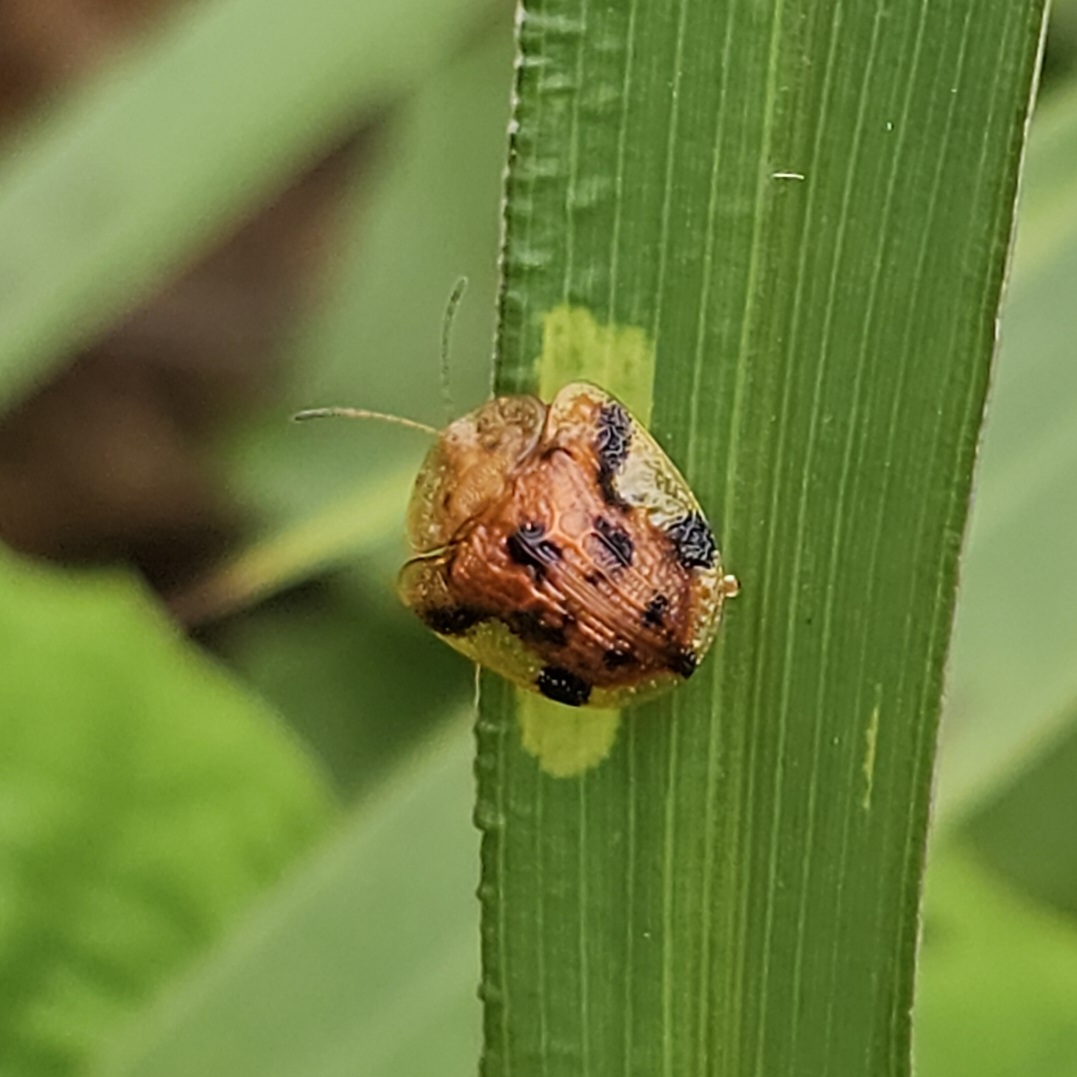
Researchers swapped the digestive bacterium Stammera between tortoise beetle species and found that a closely related microbe can still colonize a new host, yet often fails to pass to the next generation. The result shows how ancient partnerships stay locked to their partners.
Researchers engineered a protein that slowly grows inside living cells, storing a running log of which genes switch on and off. In mice, it tracked five signals at once across more than 14,000 brain neurons over three weeks.
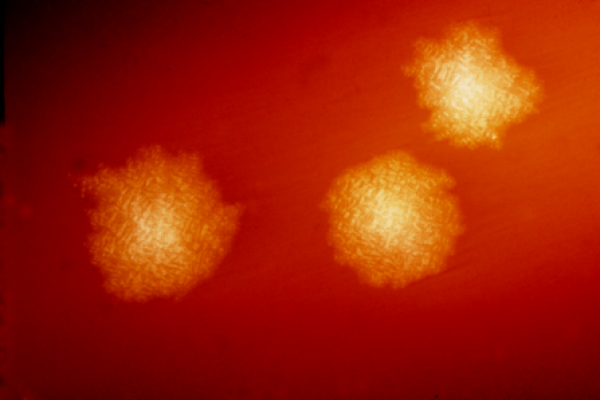
Scientists watched single respiratory syncytial virus particles infect cells in real time and found the virus carries pre-built assembly seeds inside each particle. That head start explains why some infected cells light up fast and others barely at all.
A new analysis of maize field trials finds that US Corn Belt growers could apply 12 to 16 percent less nitrogen fertilizer with almost no risk of losing yield. The cut would lower emissions and leaching, worth an estimated $230 to $530 million in public benefits.
Stanford researchers built SleepFM, an AI model trained on 585,000 hours of overnight sleep recordings. From a single night, it forecasts the risk of 130 conditions, including dementia, heart failure and stroke.
A Finnish smartphone app logged 15 million bird detections in two years, even from people who cannot identify a single species. Feeding that raw audio into a continuously updating model produced more accurate maps of where birds are and where they are heading.
A child with spinal muscular atrophy developed severe hepatitis after AAV gene therapy. Deep sequencing of the liver found manufacturing plasmid DNA, scrambled vector genomes, and a hidden herpesvirus.
Researchers built a head-mounted microLED array that stimulates a monkey's visual cortex at up to a million points across a centimeter of brain. It reliably evoked visual sensations for more than a year.
A study of the brain coral Pseudodiploria strigosa tracked gene activity across a full day and found the coral, its algae, and its microbes each shift function on their own daily schedule. The result is a holobiont that keeps time as a coordinated whole.
Researchers engineered a friendly gut bacterium and paired it with a milk sugar to starve and disarm a dangerous strain of E. coli in mice and rabbits, avoiding the toxin surge that antibiotics can trigger.
A common gut bacterium is depleted in children with epilepsy. Restoring it calmed seizures in mice and in a clinical trial, working through a nerve circuit that runs from the colon to the brain.
Researchers found a small mobile peptide that travels from an infected leaf to distant, healthy leaves and tells them to slam their pores shut. It reveals how a plant can mount a body-wide defense from a single point of attack.
A Stanford-led team built MedHELM, a benchmark that tests medical AI on 121 real clinical tasks instead of licensing-exam trivia. The results reshuffle which models look best once cost is counted.
A meta-analysis of 650 experimental comparisons finds applied stressors cut soil detritivore feeding by 47.8% on average. The ranking of stressors is the useful result; the average is not a measure of worldwide change.
A UMass Chan team engineered a suppressor tRNA that reads through a common type of premature stop mutation and packaged it into a gene-therapy virus. One dose restored about 10 percent of enzyme activity in mice with two lysosomal storage diseases.
Researchers traced a three-part circuit connecting the injured heart to the brainstem and back during a heart attack in mice. Cutting any node of the loop shrank the damage.
A dense yearlong study of nursery infants found that babies transmit gut bacteria to each other, with peer-acquired strains rivaling those inherited from family. Social contact in infancy turns out to be a major force shaping the microbiome.
Researchers built E. coli that senses gut bleeding, then sticks to the wound using a barnacle adhesive and pumps out a repair protein. In mice, a single dose calmed inflammatory bowel disease for over a week.
Researchers found that Epstein-Barr virus reshapes which protein fragments an infected B cell displays, causing it to show the same myelin peptides seen in the brains of multiple sclerosis patients. The work ties a common virus and a known genetic risk factor into one mechanism.
Root-knot nematodes track down maize by reading defensive chemicals the plant leaks into the soil. A new study shows those chemicals work by rearranging the root's bacterial neighbors, which then give the pest its directions.
Researchers built a deep-learning imaging pipeline called CaMVIA-3D that reconstructs heart muscle in three dimensions, cell by cell. It found that different genetic causes of hypertrophic cardiomyopathy leave different structural fingerprints in the tissue.
A global meta-analysis finds that plastic mulch lifts crop yields by nearly 29 percent and water efficiency by almost half, while leaving behind residues and nanoplastics that degrade soil. Researchers lay out six ways to keep the benefits without the damage.
Researchers profiled roughly 250,000 cells from human fetal cortices to see how a third copy of chromosome 21 disrupts early brain development. They pinpointed three dosage-sensitive regulators and showed that turning them down partly restored normal gene activity.
Tracking the same neurons in mice for weeks, researchers watched the hippocampus stop reacting to a reward and start anticipating it. Cells that once fired at the payoff gradually shifted to fire at the cues that came before.
In a study of 22 patients with auto-brewery syndrome, researchers traced their unexplained intoxication to gut bacteria that ferment carbohydrates into ethanol. The culprits were common gut microbes running the wrong metabolic pathways.
Researchers engineered tiny bubbles shed by bacteria to carry a checkpoint-blocking antibody and antigen-coding DNA into solid tumors, helping CAR-T cells attack cancers that would normally evade them. In mice, the approach curbed breast tumor recurrence and spread.
A large phase 3 trial in Vietnam tested whether a patient's LTA4H genotype should decide who gets steroids for tuberculous meningitis. The tidy hypothesis did not survive contact with the data.
Wounding a gladiolus corm makes its sleeping buds sprout sooner. Researchers traced the effect to a hormone signal that reroutes sugar to the bud and switches on a gene called GhZAT11.
A new platform called SPARK-seq screens thousands of DNA-based binders against cell-surface proteins in one run, and measures how tightly each one holds on. It could speed up the design of diagnostic reagents and targeted drugs.
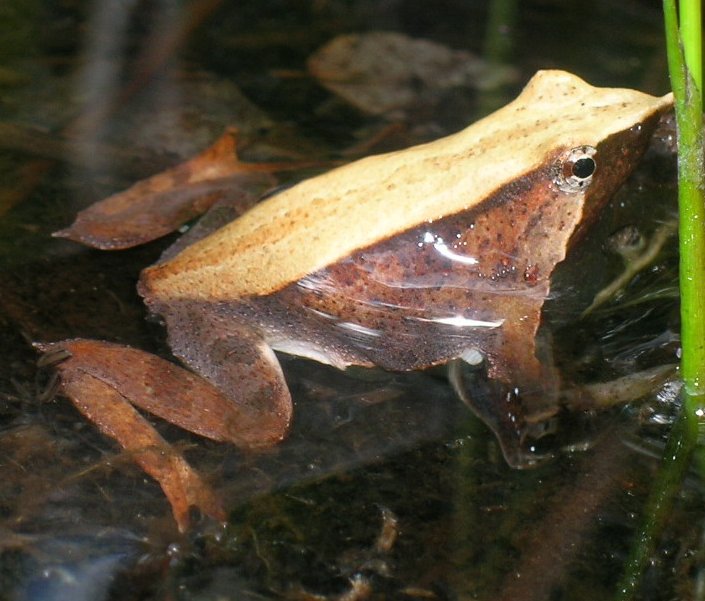
Darwin's frog lives entirely on land, yet an aquatic fungus is collapsing its populations in southern Chile. A new study shows the killer spreads at the scale of a few metres, hiding epidemics that erase up to 98 percent of a group in a year.
A study of more than 900,000 UK Biobank and All of Us participants found that many human genomes carry short DNA repeats that keep expanding in blood as people age, and that inherited variants tune how fast they grow.
Researchers recorded brain activity across seven lizard species, humans, rats and pigeons and found the same slow rhythm during sleep. The finding suggests a deep evolutionary root for how the sleeping brain organizes itself.
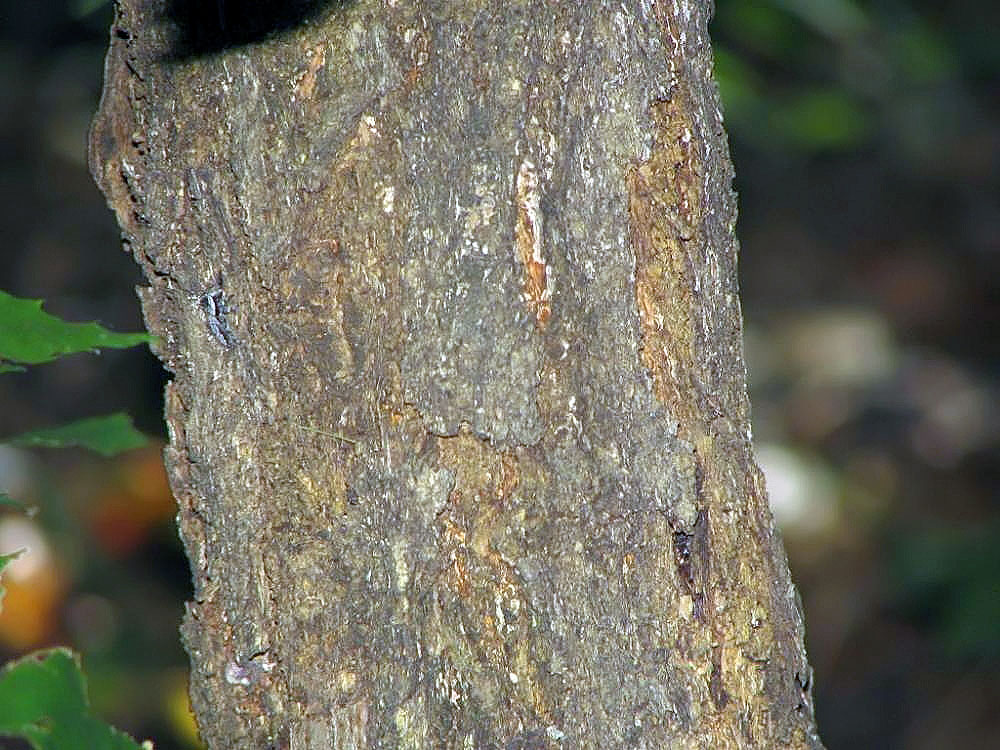
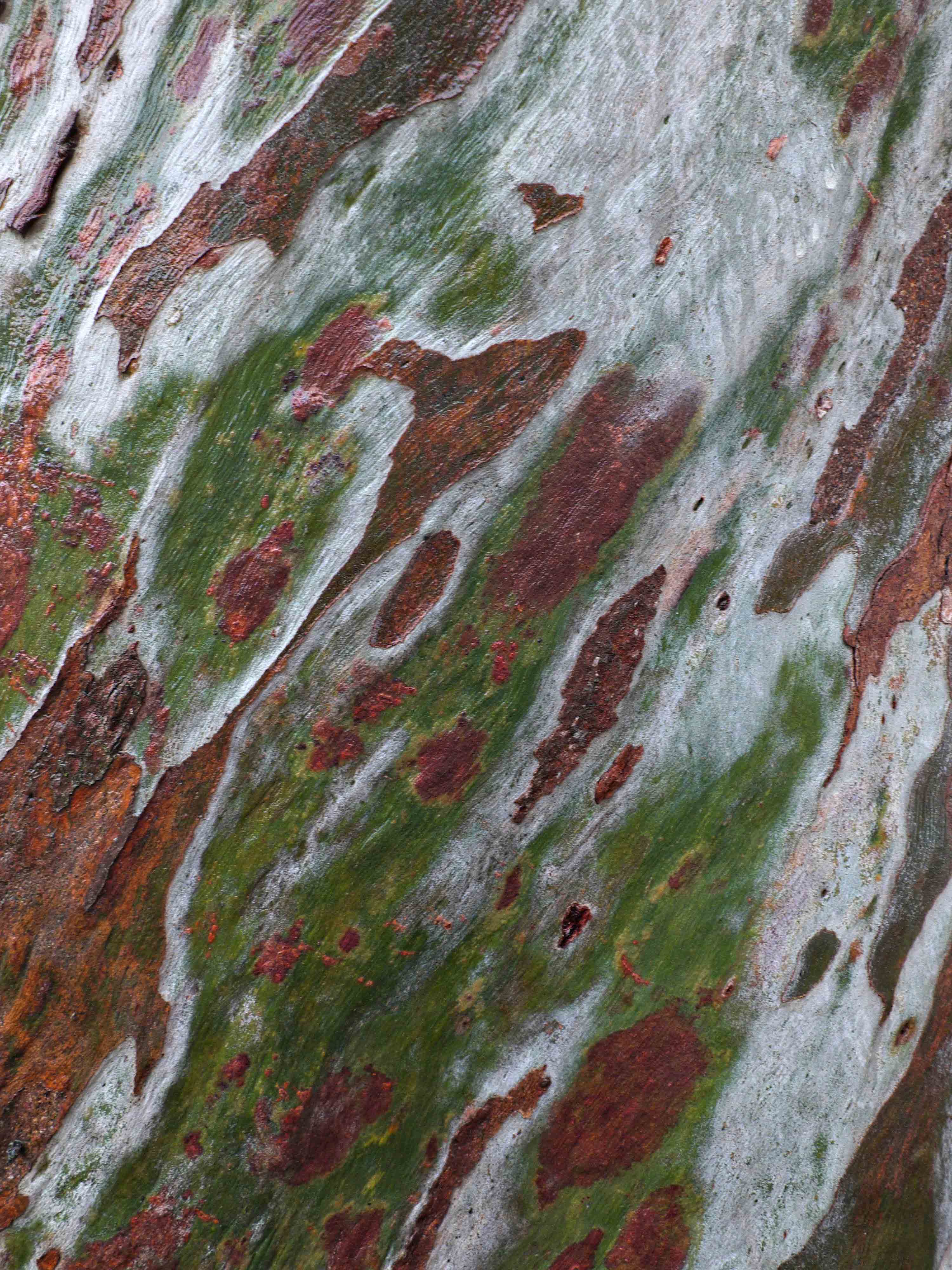
A survey of eight Australian tree species finds their bark is a busy microbial habitat, home to bacteria that consume methane, hydrogen, and carbon monoxide. The finding adds a new, overlooked player to how forests trade gases with the atmosphere.
Researchers built proteins from scratch that stay apart until a common antiviral drug shows up, then lock into precise clusters. The drug becomes an on-switch for where proteins go and what genes turn on.
Some people are exposed to tuberculosis bacteria and never get sick. A new study finds a long non-coding RNA circulating in their blood that reprograms immune cells to fight the pathogen, and it made the century-old BCG vaccine work better in mice.
Researchers rewrote genes in the chloroplast of a green alga so that 13 of the standard 64 codons were never used, shrinking the working genetic code to 51. The recoded cells still grew and photosynthesized normally.
In a randomized primary-care trial, an AI reading routine heart tracings flagged patients hiding advanced liver scarring. Doubling new diagnoses turned out to be the easy part.
A continent-wide study maps sodium in African plants and finds it varies more than a thousandfold. Where salt is scarce, the largest herbivores like elephants tend to be scarce too.
In the VIBRANT-HD trial, an oral drug called branaplam became the first splicing modulator to lower mutant huntingtin protein in the spinal fluid of people with Huntington's disease. Nerve damage in most participants forced the study to stop early.
A Harvard team reports that tau, the protein behind Alzheimer's tangles, becomes hyperphosphorylated during viral infection and physically grabs herpes virus particles. The finding recasts a hallmark of brain disease as part of the immune system.
In pregnant mice, gut bacteria calm the mother's immune system at the placenta by producing tryptophan-derived molecules. Strip out the microbes and pregnancies fail. The same signatures were disrupted in human recurrent miscarriage.
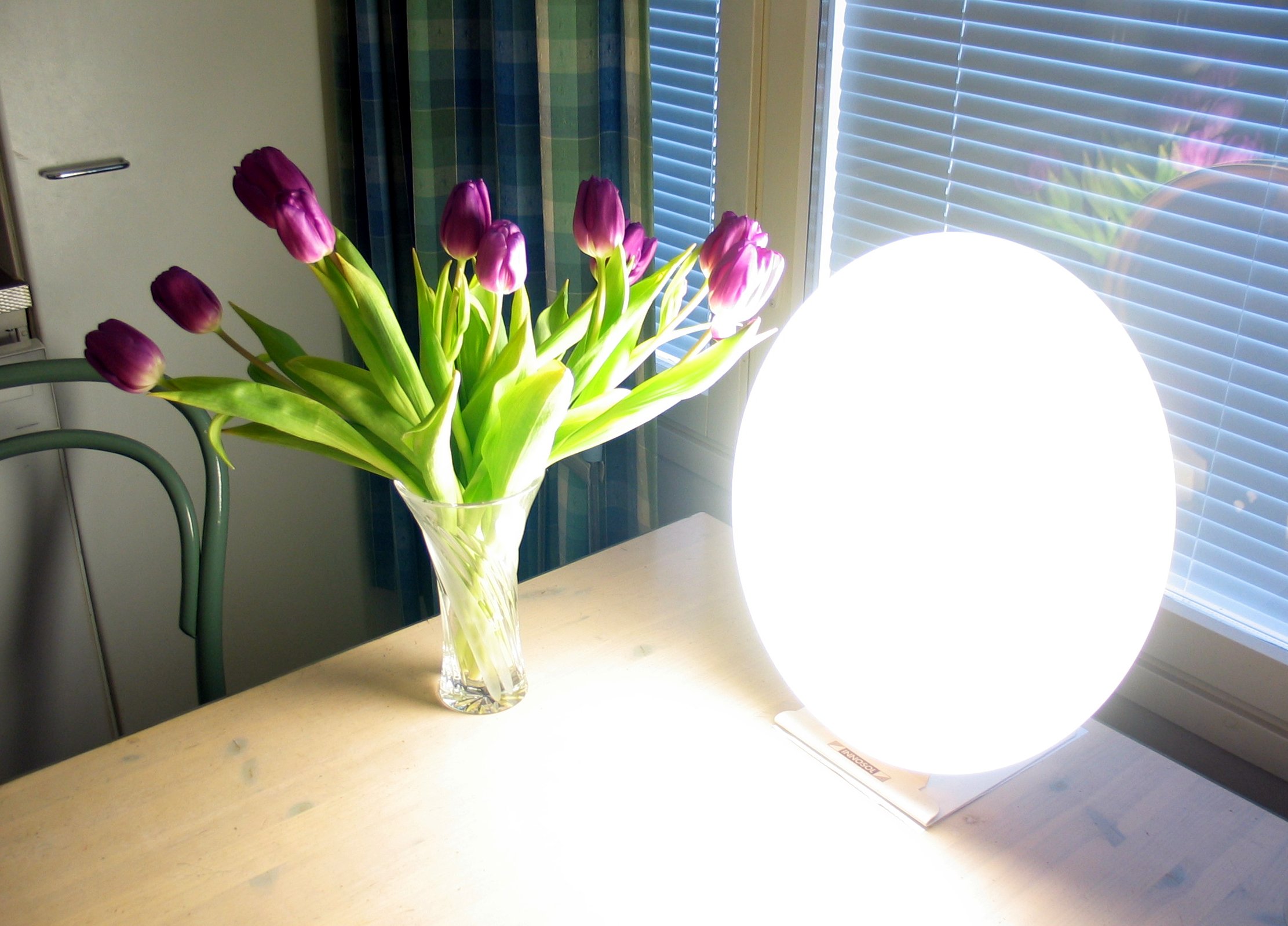
Researchers traced how bright light dampens feeding in mice, following the signal from a specific class of retinal cells to an appetite hub deep in the brain. Turning the pathway on cut food intake and slowed weight gain.
A gut bacterium can detect a chemical that Candida albicans uses to talk to its own kind, and uses that eavesdropped signal to fire a molecular weapon at the fungus. The finding shows bacteria and fungi negotiate the gut through shared chemistry.
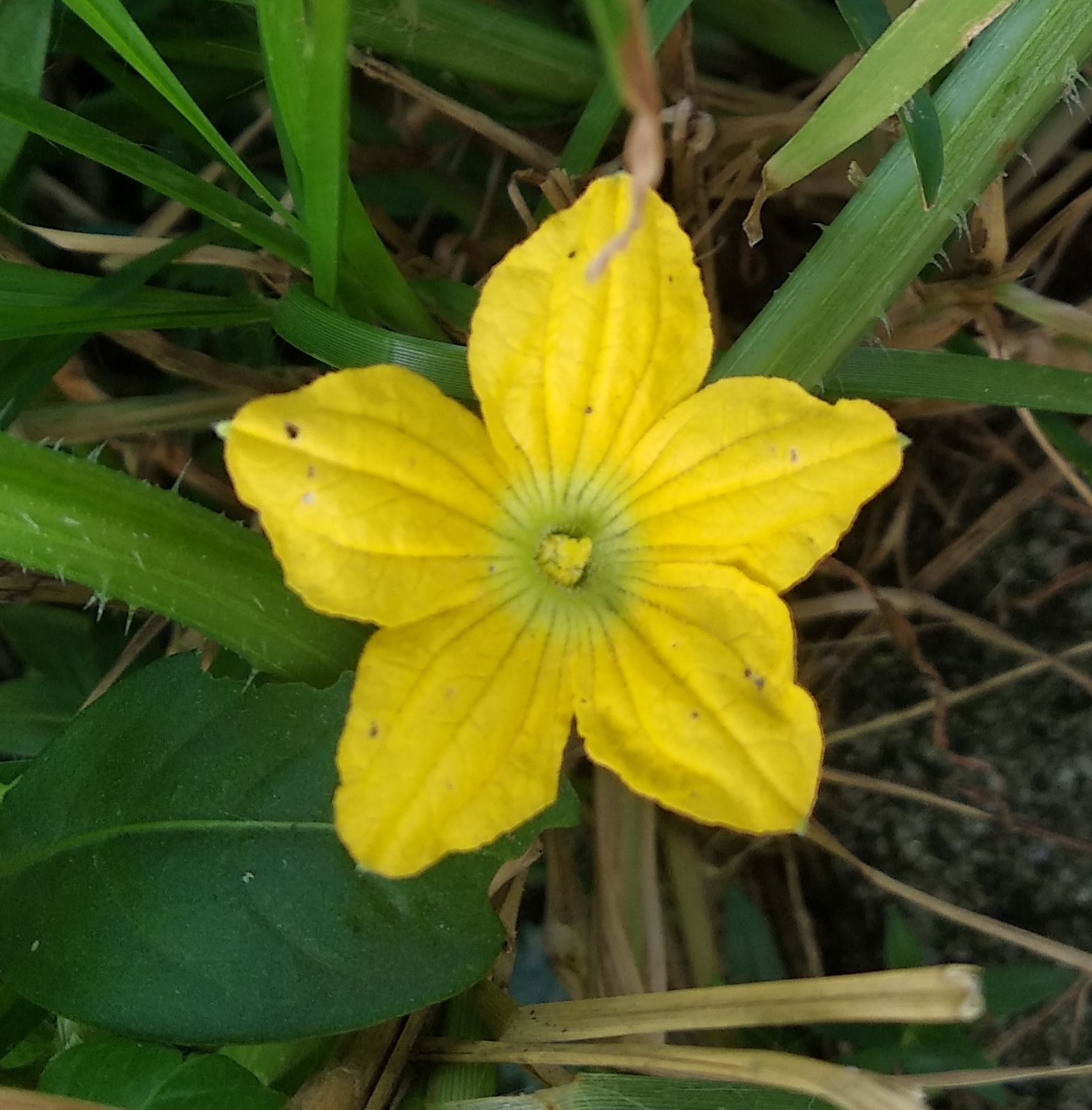
A hormone-controlled gene called CsARF3 steers cucumber flowers toward male or female. Deleting it made plants grow only male flowers; boosting it made more female ones.
A brain-computer interface that lets a paralyzed person move a cursor loses accuracy as neural signals drift, forcing regular recalibration. Researchers built a method that infers where the user is aiming and retunes the decoder on its own, holding up over a month in a human user.
A synthesis of 681 crop fields on three continents finds that pesticides and habitat loss cut into wild bee populations independently. Planting flowers nearby does not shield bees from the chemicals.
A genetic study of nearly 2.9 million people mapped hundreds of DNA regions tied to aortic stenosis, a common valve disease with no drug treatment. Two of the genes turned out to control valve hardening in the lab.
A study in mice traces the everyday act of hesitating to one specific route through the brain's action-control hub. The indirect pathway, not its better-known counterpart, is what puts the brakes on when the next move is uncertain.
Researchers engineered E. coli to display a colibactin-neutralizing protein on its surface, protecting gut cells from a cancer-linked bacterial toxin. In mice, the modified bacteria reduced colon tumors driven by pks+ E. coli.
Researchers used a new AI tool called RFdiffusion2 to design zinc-powered enzymes from nothing but active-site chemistry. The best worked straight off the computer, no lab tweaking required.
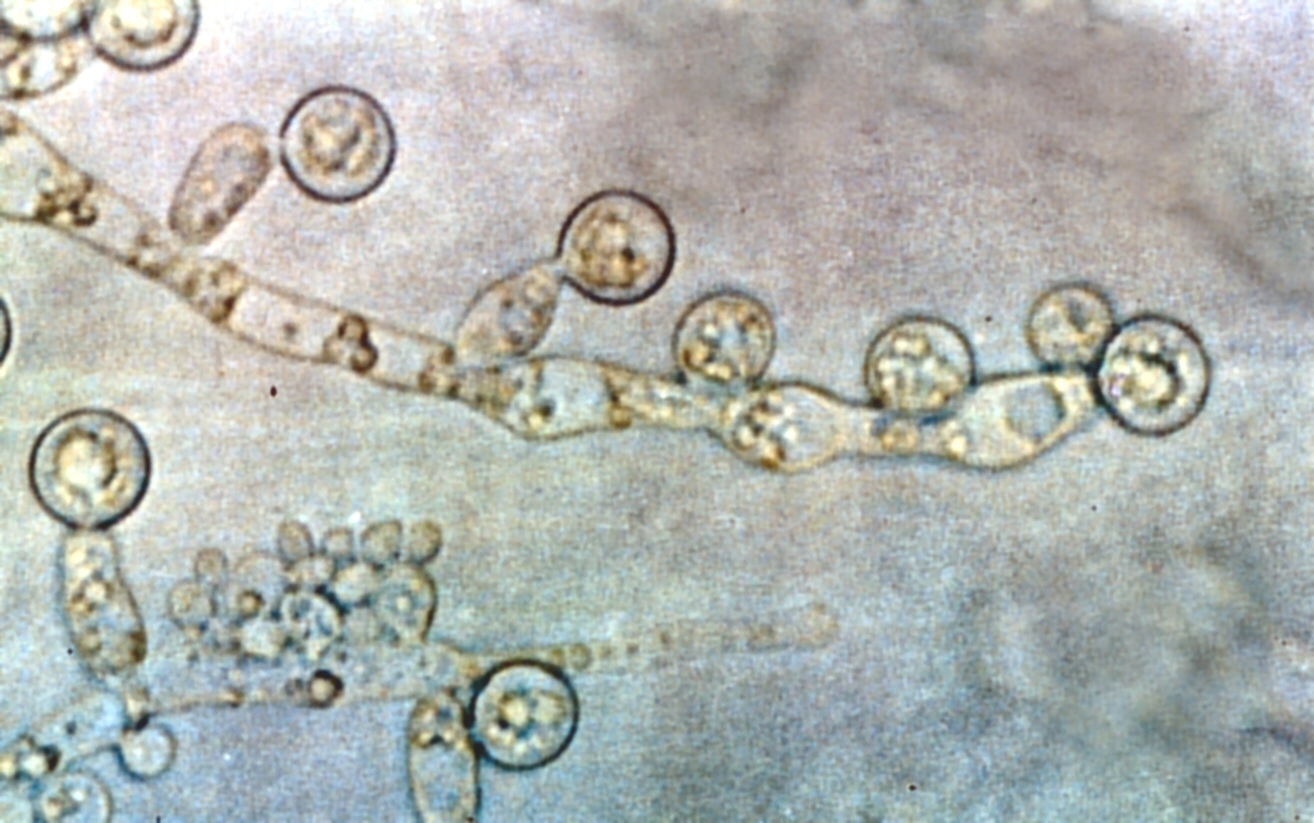
Researchers in Vienna traced Candida auris's grip on human skin and its resistance to a last-line antifungal to a single CO2-sensing enzyme. Even neighboring skin bacteria feed the fungus the gas it needs.
A 26-site international experiment found that grasslands sown with up to six forage species out-yielded a heavily fertilized grass monoculture while using less nitrogen. The advantage grew at the warmest sites.
Researchers built porous microcapsules that trap one cell each for single-cell sequencing. Unlike the oil droplets most labs use, the capsules let cells keep living and dividing inside.
A 2022 test of a commercial deep-sea mining machine on the Pacific abyssal plain cut animal density by 37 percent and species richness by 32 percent inside its tracks. Two years of before-and-after data let researchers separate the machine's damage from the ocean floor's own restlessness.
A team at the Broad Institute used prime editing to turn a spare human tRNA gene into a suppressor that reads through premature stop codons. In cells and in mice, one editing tool rescued several different genetic diseases.
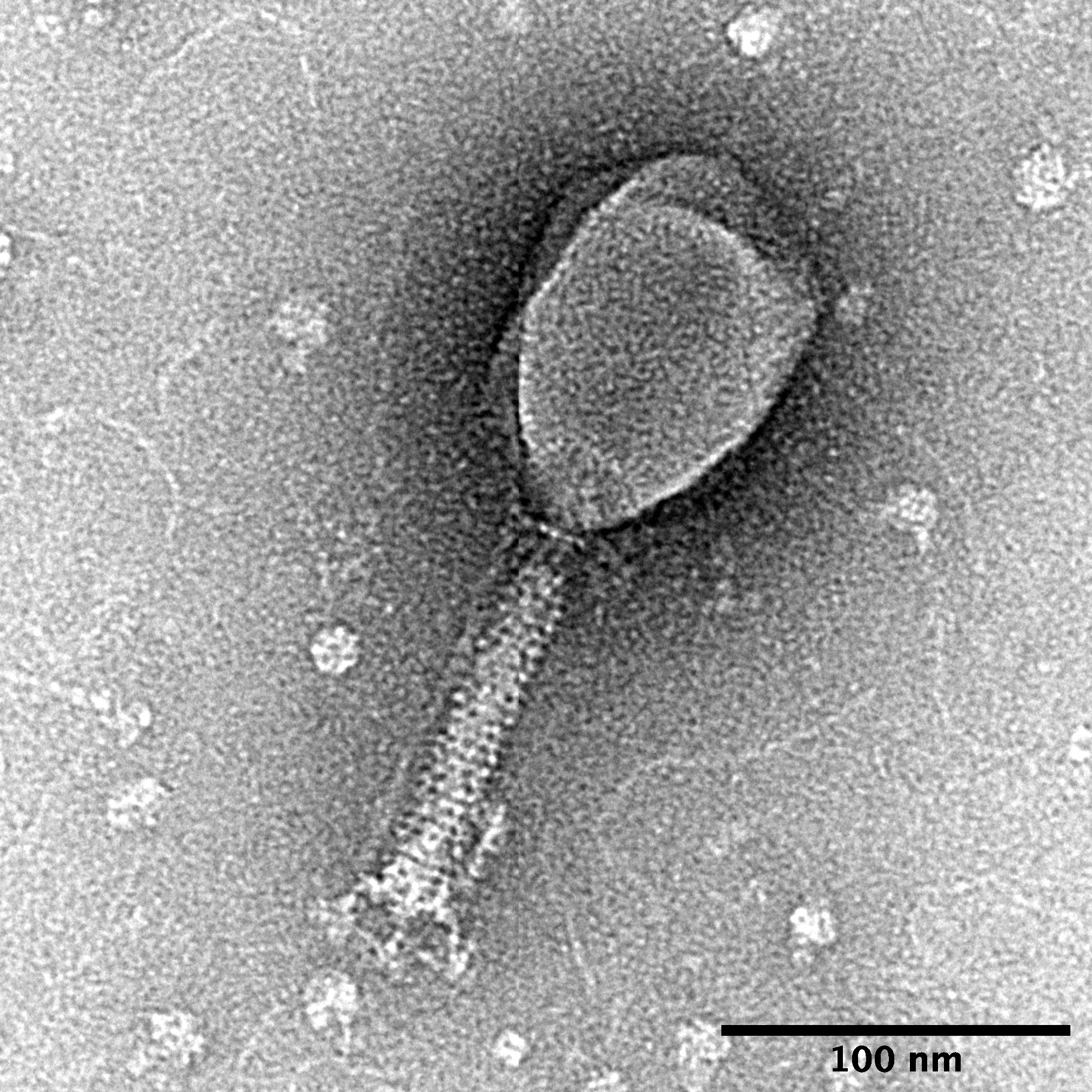
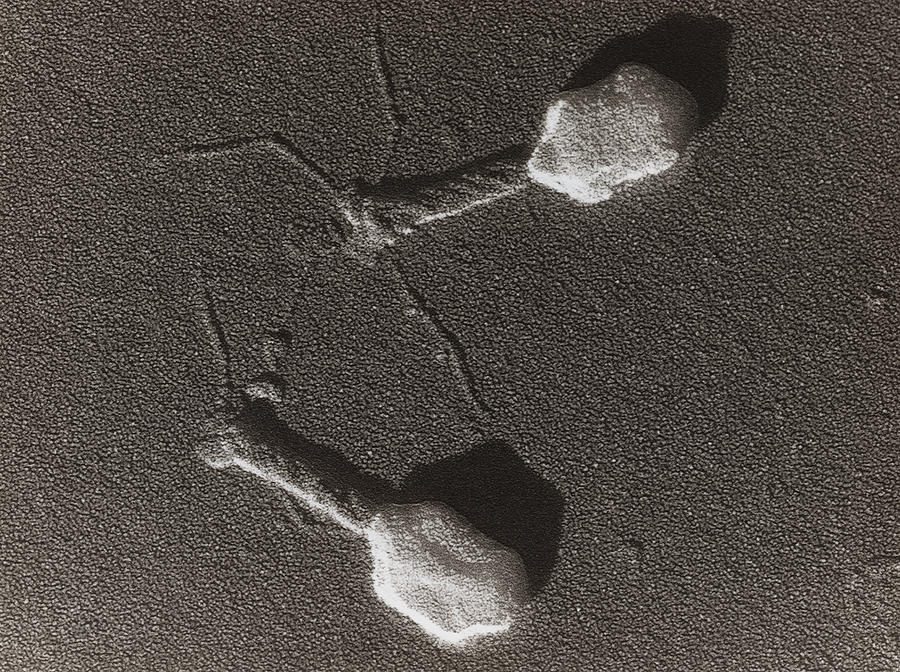
Researchers assembled artificial cells from purified molecules and got a T7 bacteriophage to run its entire infection cycle inside them, from docking to the release of new virus particles. It is the first time viral infection has been rebuilt entirely from defined parts.
Some friendly gut microbes make antibiotic-like weapons to defend their patch of intestine. A new study shows that one such bacterium can hollow out the rest of the microbiome and leave the gut open to dangerous pathogens.
In a small proof-of-concept trial, seven of ten people with HIV controlled the virus for a stretch after pausing their daily pills, following a three-part immune-boosting regimen. Early bursts of killer T cells tracked with better control.
A man in Germany has stayed free of HIV for more than six years after a stem cell transplant, without the rare double mutation that was thought to be required. The case points to viral reservoir clearance, not genetic resistance, as the driver of cure.
Weekly research updates, breakthrough summaries, and new articles — straight to your inbox. Free, always.