

Ask a chemist to build a small molecule that sticks to a specific protein and they will spend years screening millions of candidates, most of which do nothing. Now imagine wanting the opposite: a brand-new protein, one that has never existed in any organism, shaped precisely to clamp onto a target of your choosing. For a long time that was closer to fantasy than method. A team led by researchers at EPFL in Lausanne has just made it look almost routine.
Their tool is called BindCraft, and it was published in Nature in late August 2025. It is an open-source, automated pipeline that designs protein binders from scratch. The headline number is the one that makes structural biologists sit up: experimental success rates between 10 and 100 percent, depending on the target. In a field where a few percent has long counted as a win, that range is startling.
Turning a structure predictor inside out
The clever move is what BindCraft does with AlphaFold2. That neural network was built to predict how a protein folds. The BindCraft team, including senior authors Sergey Ovchinnikov at MIT and Bruno Correia at EPFL, essentially run it in reverse. They use AlphaFold2's own learned weights to hallucinate a new binder and score how confidently the network believes it will grip the target. Optimize against that confidence and you get sequences the model expects to fold and bind.
What makes the result usable rather than merely clever is what happens next, which is almost nothing. The designed binders reach nanomolar affinity without high-throughput screening and without rounds of experimental tinkering. The pipeline does not even need a known binding site to aim at. You point it at a protein surface and it figures out where to grab.
The team did not test this on easy cases. They designed binders against cell-surface receptors, common allergens, other de novo designed proteins, and multi-domain nucleases including CRISPR-Cas9. Those are awkward, sprawling targets, exactly the kind that tend to defeat design methods.
From birch pollen to gene-delivery viruses
The applications section reads like a tour of separate research programs. One designed binder reduced IgE antibody binding to birch allergen in samples taken from actual patients, hinting at a route toward allergy therapeutics. Another modulated the gene-editing activity of Cas9, a way to dial the enzyme up or down. A third cut the toxicity of a foodborne bacterial enterotoxin.
Then there is the delivery trick. The group made binders specific to particular cell-surface receptors and used them to redirect adeno-associated virus capsids, the workhorse vehicles of gene therapy, toward chosen cells. Retargeting AAV is one of the hard, unglamorous problems standing between gene therapy and broader use. Getting a designed protein to do it is a genuine proof of concept.
The authors frame the whole thing as a step toward what they call a one-design-one-binder approach. In plainer terms: you describe what you want to grab, the computer hands you one protein, and it works often enough that you do not have to build a screening factory around it.
What the success rate does not tell you
The 10-to-100 percent span is worth reading carefully, because the low end is real. Some targets remain stubborn, and the paper does not pretend otherwise. Success rate here means the fraction of designs that bind at all in the lab, not a guarantee that any given binder is therapeutic-grade. Affinity is not the same as safety, and a protein that grips its target in a test tube still has to survive a body, avoid the immune system, and reach the right tissue.
These are also mostly benchtop and patient-sample results, not clinical outcomes. The birch-allergen and enterotoxin work is promising biology, a long way from an approved product. And BindCraft leans on AlphaFold2, so it inherits whatever blind spots that model carries into unfamiliar structural territory.
Still, the practical shift is hard to overstate. The pipeline is open source, which means labs without a screening budget can run it. Protein binders sit at the center of diagnostics, research reagents, and a large slice of modern medicine. Making them designable on a laptop, with a real shot at working the first time, moves a bottleneck that has held up the whole field.
Pacesa, M. et al. "One-shot design of functional protein binders with BindCraft." Nature, 2025. doi.org/10.1038/s41586-025-09429-6
PubMed PMID: 40866699.
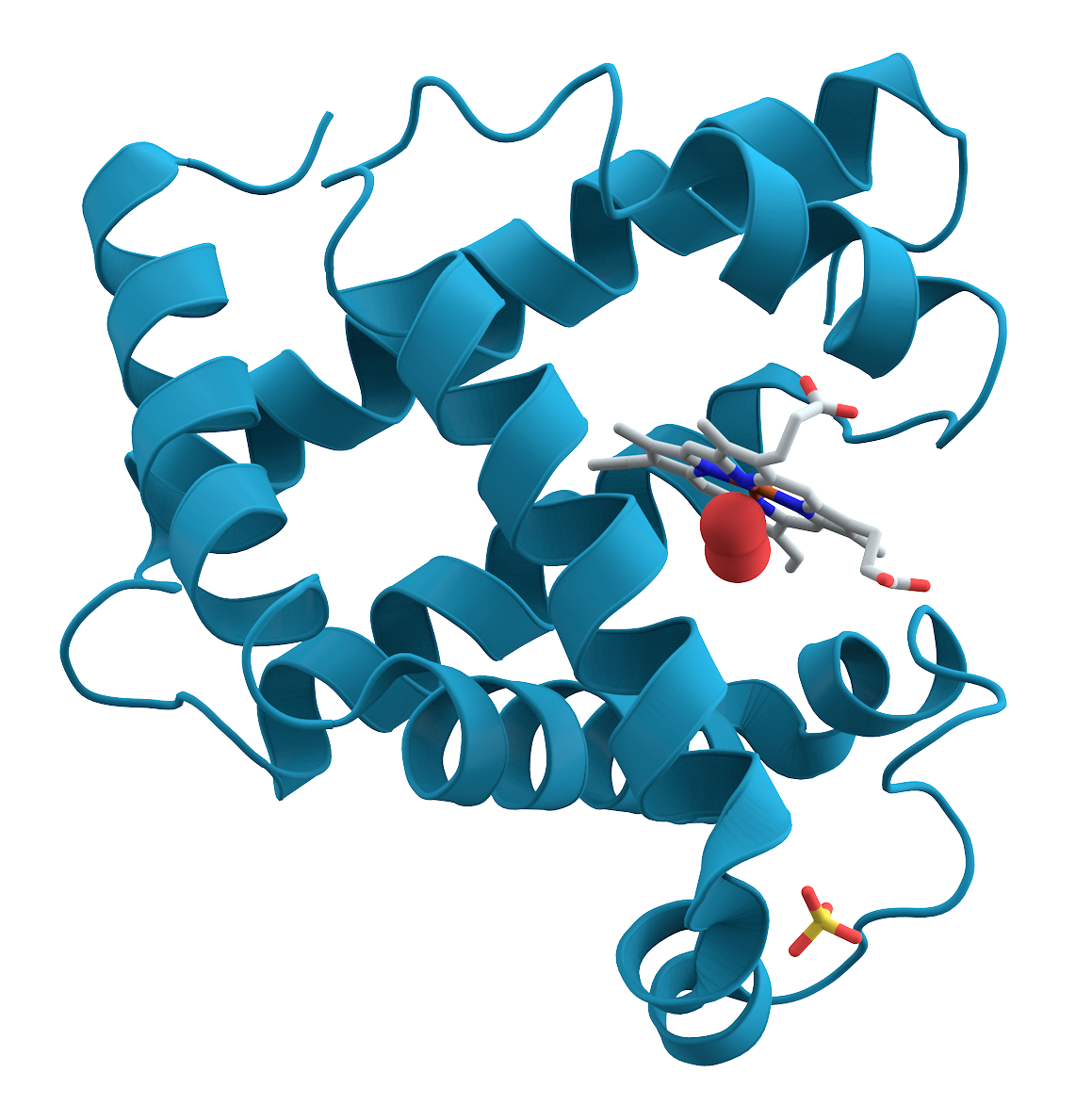
Photograph: AzaToth, Public domain, via Wikimedia Commons.
Comments