

Building a living cell from non-living parts is one of the most ambitious goals in modern biology. This year, a large international team of researchers published a sweeping collaborative framework in Nature Communications laying out exactly how — and why — this goal remains just out of reach, while also charting a realistic path forward.
The project, called the Synthetic Cell initiative, brings together researchers from molecular biology, biophysics, chemistry, and bioengineering across dozens of institutions. Their paper doesn't announce a finished product. Instead, it does something arguably more useful: it maps the problem with precision.
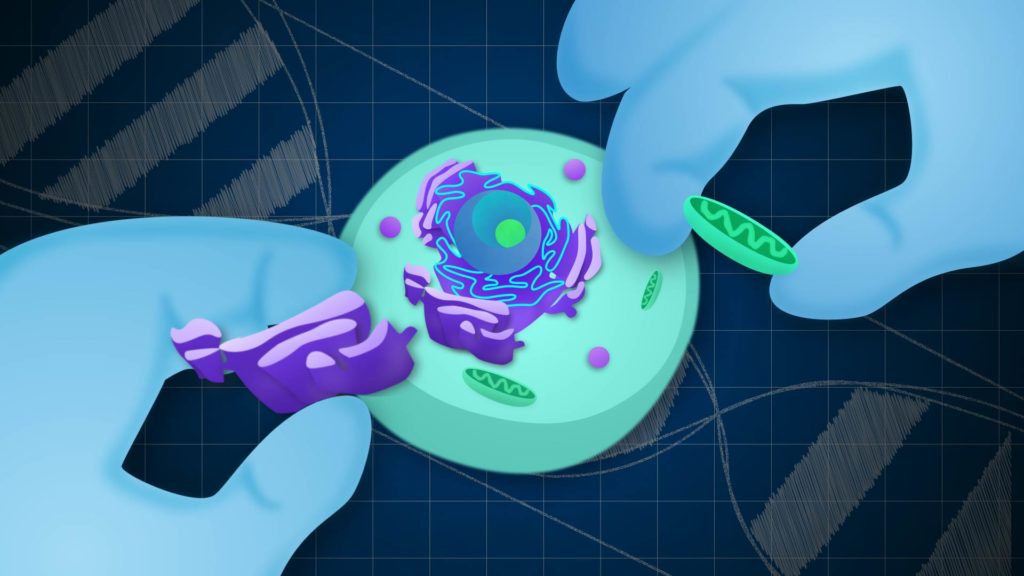
A synthetic cell, as the researchers define it, is a structure built from molecular components that can perform the core functions of life — metabolism, self-replication, response to the environment, and the ability to evolve. The key distinction is bottom-up construction. Rather than modifying an existing organism, the goal is to assemble life-like function from scratch using purified components.
The main challenge is integration. Individual modules — a lipid membrane, a gene expression system, an energy source — can each be built in isolation. Getting them to function together in a single, coherent system is another problem entirely. Each subsystem has different chemical requirements, and making them compatible without one disrupting another remains unsolved.
The paper identifies several technical bottlenecks: how to supply continuous energy to a cell that has no metabolism of its own; how to build a membrane that can grow and divide without external scaffolding; and how to design a genetic system that can replicate reliably without the error-correction machinery that evolved cells rely on.
Beyond the science, the team devotes significant space to biosafety and governance. A synthetic cell, by its nature, raises questions current regulatory frameworks weren't designed to handle. The authors argue for proactive engagement with policymakers and the public, well before any functional synthetic organism exists outside the lab.
For now, the message is measured but optimistic: the individual components are becoming increasingly sophisticated. The harder work — making them work together — is where the field is now concentrated.
Comments