

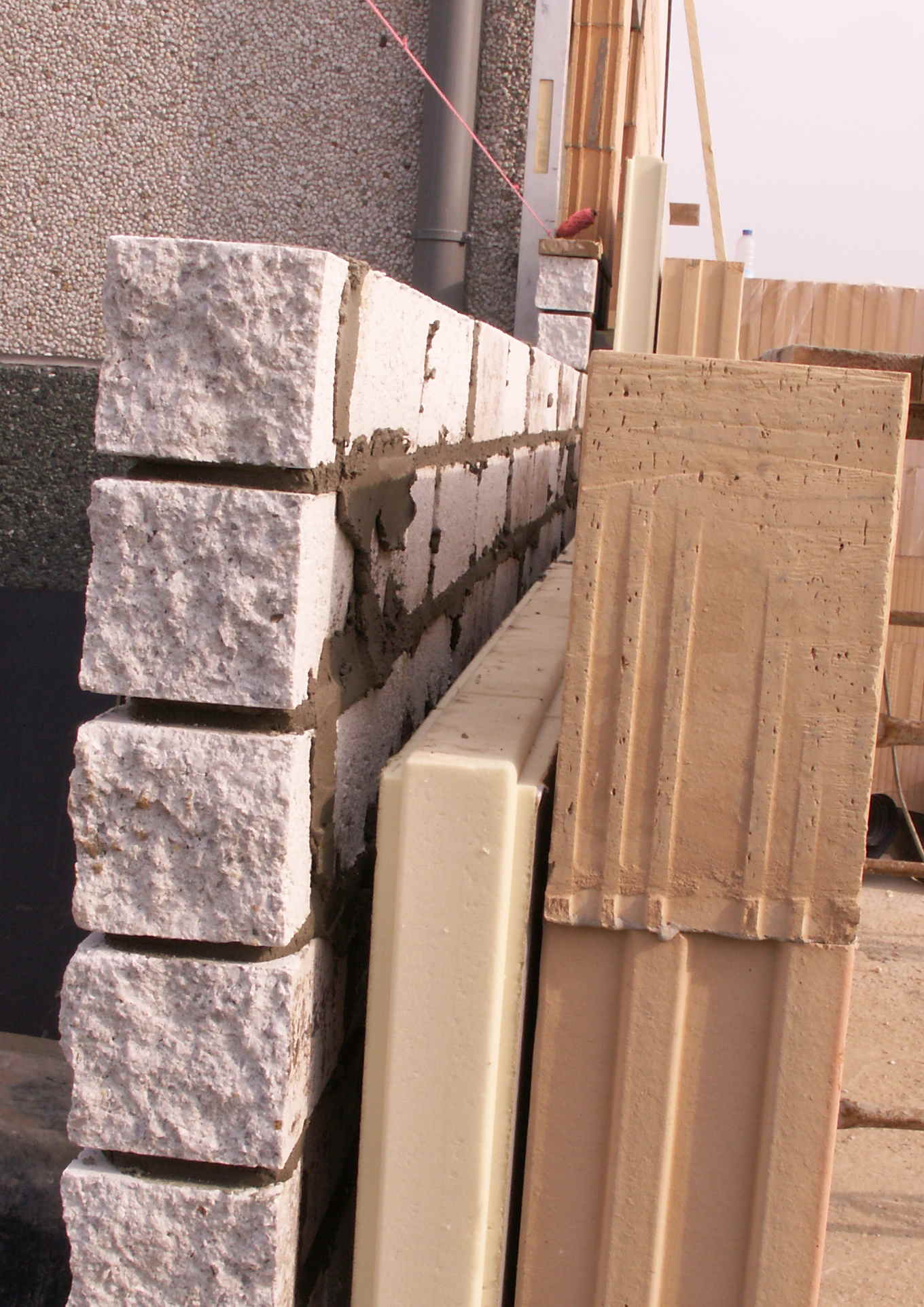
Polyurethane is in your mattress, your running shoes, the insulation behind your walls, and the dashboard of your car. It is also close to unrecyclable. The material is a thermoset, meaning its polymer chains are locked together by cross-links that will not melt back down, and the urethane bonds holding it together are stubbornly stable. Most of it ends up burned or buried.
Enzymes could in principle snip those urethane bonds. The problem is where the snipping has to happen. Industrial recycling of polyurethane often runs through glycolysis, a process that dissolves the plastic in hot, concentrated diethylene glycol. That solvent is brutal for proteins. Known urethanases barely function in it. So a team based at the Chinese Academy of Sciences and Beijing University of Chemical Technology went looking for one that could, and they let a neural network do most of the searching.
Teaching a network to spot a survivor
The tool they built is called GRASE, short for graph neural network-based recommendation of active and stable enzymes. Reported in Science by Yanchun Chen and colleagues, it treats each candidate enzyme as a graph and combines two kinds of learning. One part trains on large amounts of unlabeled protein data to learn what stable, functional enzymes tend to look like. The other part is trained on specific activity measurements. Together they rank which proteins are worth putting in a test tube, rather than screening thousands blindly at the bench.
Out of that pipeline came an enzyme the group named PURase. In 6 molar diethylene glycol, the same punishing concentration used in real glycolysis, PURase showed activity two orders of magnitude higher than urethanases described before. That is roughly a hundredfold jump, and it happened under exactly the conditions where earlier enzymes stalled.
The scale-up is what makes the result land. The team ran the reaction on commercial polyurethane at kilogram scale and reached near-complete depolymerization in eight hours. That is not a milligram demonstration in a clean buffer. It is a large batch of the actual plastic, broken down in a workday.
Why a lid loop matters
To understand why PURase holds up where others fall apart, the researchers looked at its structure. Two features stood out. The core of the protein is tightly packed with water-repelling amino acids, which helps it stay folded when surrounded by an aggressive organic solvent. And a loop that acts as a lid over the active site is stabilized by proline, an amino acid that stiffens protein backbones. The authors suggest this combination is what lets PURase keep working in a solvent that would unravel a more delicate enzyme.
That structural read matters beyond this one protein. If you know which features buy stability in harsh solvents, you have a better idea of what to look for, or engineer, in the next enzyme for the next stubborn material.
What the paper does not settle
A kilogram is a long way from a recycling plant that handles tons per day, and the study does not claim otherwise. Questions of enzyme cost, how many times PURase can be reused before it degrades, and what happens with mixed or contaminated real-world waste streams are not answered here. Diethylene glycol at 6 molar is still a demanding chemical process with its own energy and handling requirements, so this is a chemo-enzymatic hybrid rather than a purely biological fix. And the abstract reports one standout enzyme; how broadly GRASE's rankings hold up across other enzyme families remains to be tested.
Still, the shape of the advance is clear. Rather than hoping a natural enzyme happens to tolerate factory conditions, the researchers used deep learning to fish specifically for one that would, then confirmed it worked at a scale that means something industrially. For a plastic that has resisted recycling for decades, having a biocatalyst that survives the actual process is the harder half of the problem. The authors frame their work as a case study in how machine learning can shorten the hunt for useful enzymes. On the evidence of PURase clearing a kilogram of polyurethane in eight hours, that framing looks earned.
Chen, Y. et al. "Glycolysis-compatible urethanases for polyurethane recycling." Science, 2025. doi.org/10.1126/science.adw4487
PubMed PMID: 41166494.
Photograph: KVDP, Public domain, via Wikimedia Commons.
Comments