Maize feeds a huge share of Africa. It is also, according to a new modelling study, one of the crops least likely to reward the farmers who grow it as the climate warms. The projection puts a widely planted staple in the same losing column as several crops that were expected to struggle, and it points instead toward a set of plants that rarely get research money.
The work, published in Nature Plants on 27 November 2025 by Jose Rafael Guarin and colleagues at Columbia University and NASA's Goddard Institute for Space Studies, uses a process-based crop model called SIMPLE to estimate future yields across the continent. The team ran 5 staple crops and 19 African "opportunity crops" through low- and high-emissions climate scenarios. Opportunity crops are traditional and indigenous plants that many farmers already grow and that have shown some toughness against heat and drought, but which have received almost no breeding investment compared with the global commodity crops.
Roots hold, vegetables fold
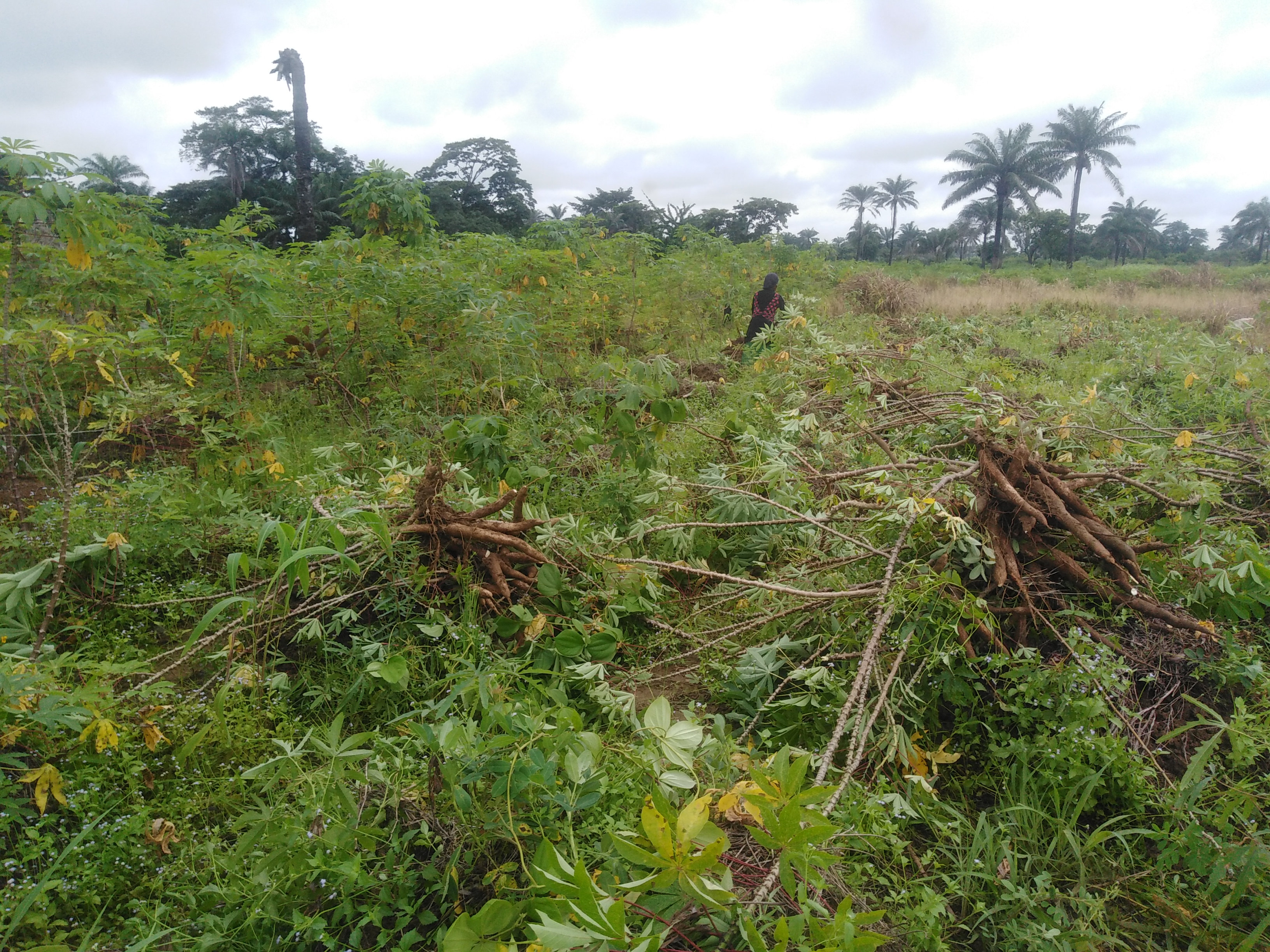
The clearest pattern in the results is about plant type rather than any single species. Roots and tubers came out as the most resilient group. Vegetables were the most vulnerable. That split matters because it suggests where the risk concentrates, and cassava, a root crop, sits near the top of the winners.
By the numbers the model reports, cassava, teff, grass pea, sesame seed and finger millet are projected to see the largest productivity increases. On the other side, mung bean, lablab, amaranth, Bambara groundnut and maize are projected to lose substantial ground. Soybean and cowpea, both important cash crops in Africa, are projected to take comparable losses. So the study does not simply say "grow the traditional crops." Some indigenous crops, like Bambara groundnut and amaranth, are among the projected losers too. The dividing line runs through crop physiology, not through whether a plant is old or new to a region.
Geography decides a lot
Where a crop grows shapes its fate. The model finds that crops grown in the Sahel, the dry belt south of the Sahara, appear the most susceptible to climate change. Crops in East and Central Africa show greater resilience. That regional divide is useful for anyone deciding where to spend limited development funds, because it flags the places where current cropping choices are on the shakiest ground.
The paper frames all of this in support of the Vision for Adapted Crops and Soils, an initiative aimed at getting neglected but hardy crops into food systems. The argument is practical. If cassava and finger millet are likely to do better under warming than maize, then investing in their seed systems, storage and markets is a hedge, not a nostalgia project.
What a model can and cannot tell you
These are projections from one crop model, and that carries real limits. SIMPLE captures broad physiological responses to temperature, water and carbon dioxide, but it cannot fully account for pests, plant diseases, soil degradation, or the economic and social reasons a farmer plants what they plant. The numbers describe biological productivity potential under climate scenarios, not guaranteed harvests or what ends up on a plate. Different models, or different emissions pathways, could shift which crops land in the winning column. A projected productivity increase for a crop like grass pea also says nothing about its safety or palatability at scale, which are separate questions.
Still, the direction of the finding is hard to ignore. A crop that much of the continent leans on may be a weaker bet than several plants that agricultural science has largely passed over. The authors present the model as a guide for regional investment, a way to decide which underfunded crops deserve a serious look before the climate forces the issue. If the projections hold even roughly, the food security value of a finger-millet or cassava breeding program looks a lot higher today than the funding it currently attracts.
Guarin, J.R. et al. "Modelling the productivity of opportunity crops across Africa under climate change in support of the Vision for Adapted Crops and Soils." Nature Plants, 2025. doi.org/10.1038/s41477-025-02157-9
PubMed PMID: 41310193.
Photograph: Cpraise, CC BY-SA 4.0, via Wikimedia Commons.
Comments