For decades, the heritability of acquired traits was treated mostly as a closed question: genes pass from parent to child, and environmental experiences do not. That picture has been eroding for a while, particularly in studies of maternal influences during pregnancy. What is newer is direct, mechanistic evidence that fathers, too, transmit information about their environments to their children — through changes in sperm that survive fertilization.
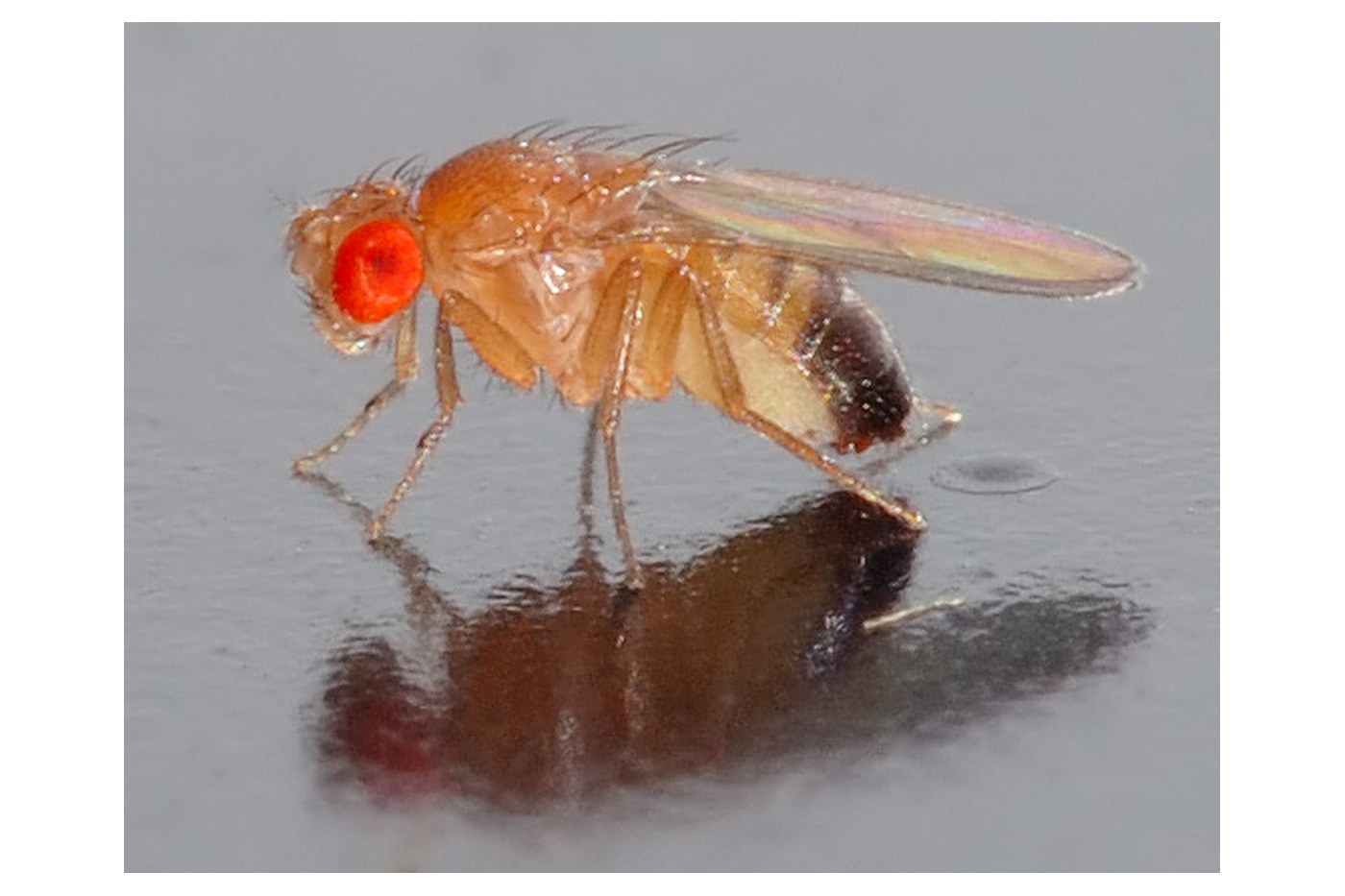
A series of 2025 studies, drawing on both animal models and human data, have documented this pathway. Male mice exposed to certain diets, environmental toxins, or chronic stress show altered profiles of small RNAs and DNA methylation in their sperm. When those sperm fertilize normal eggs, the resulting offspring show predictable changes — in metabolism, in stress response, sometimes in behavior — without any change to the underlying DNA sequence.
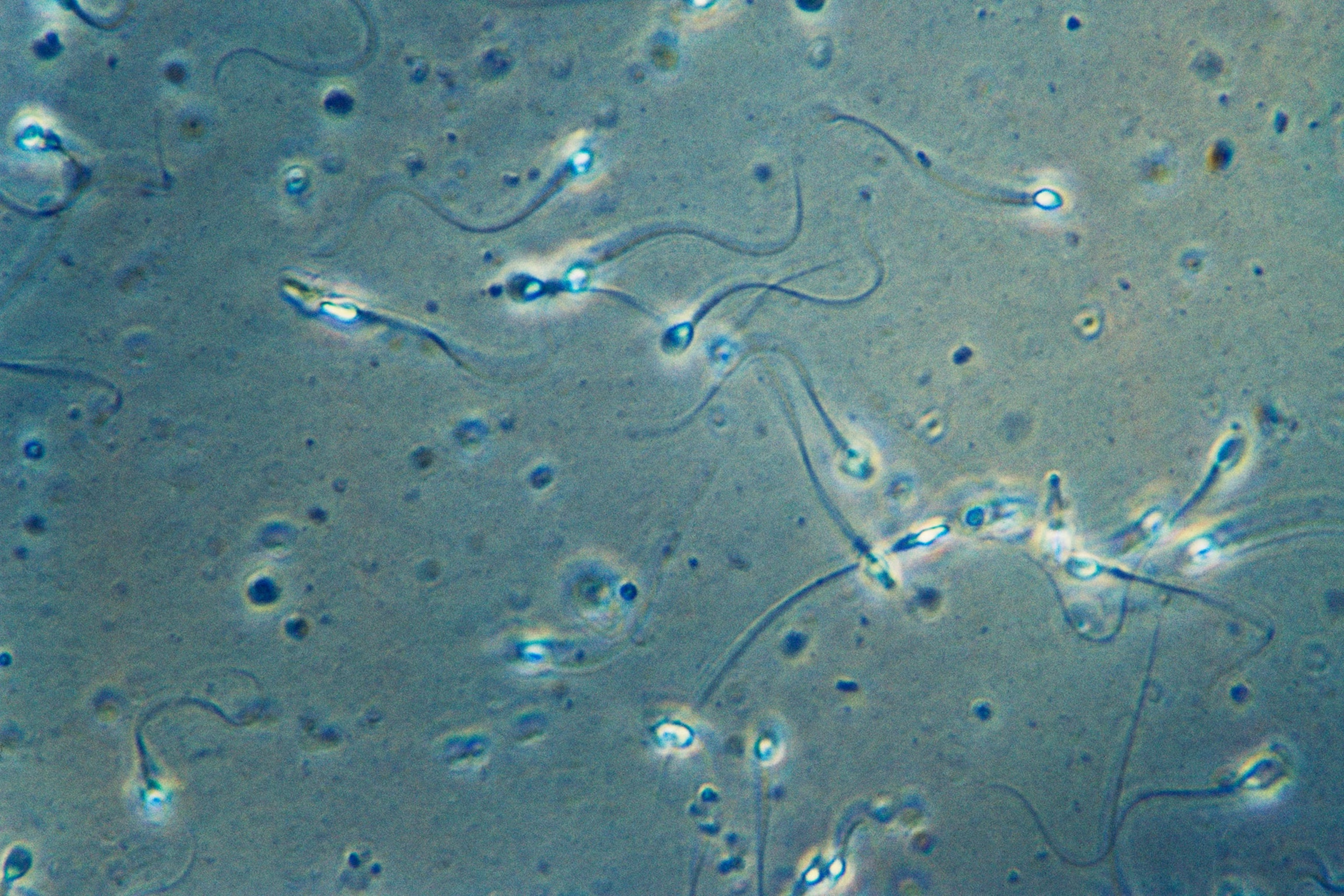
The mechanism centers on epigenetic carriers in sperm. Small non-coding RNAs, in particular, appear to play a major role. They are produced in the male reproductive tract in response to environmental conditions, packaged into mature sperm, and delivered to the egg at fertilization, where they can shape the earliest patterns of gene expression in the embryo. DNA methylation patterns at certain loci also seem to be modified by paternal environment and inherited at least transiently.
Human studies, while harder to control, point in the same direction. Children of fathers exposed to famine, certain occupational toxins, or particular drug regimens show subtly elevated risks for metabolic and neurodevelopmental conditions that track with the paternal exposure, not just shared genetics or postnatal environment.
The findings reshape the question of what counts as a heritable factor in disease and in evolution. They also have practical implications. Preconception health, long focused mostly on women, may need to extend more seriously to men. And the time window over which paternal exposures matter — whether it's months before conception or much longer — is now an active question with direct relevance for public health.
Comments