


Huntington's disease has resisted treatment for decades. It's hereditary, progressive, and until recently, untreatable in any meaningful sense. A gene therapy called AMT-130, developed by uniQure, changed that picture in 2025 — clinical trial results showed it slowing disease progression by roughly 75% in treated patients.
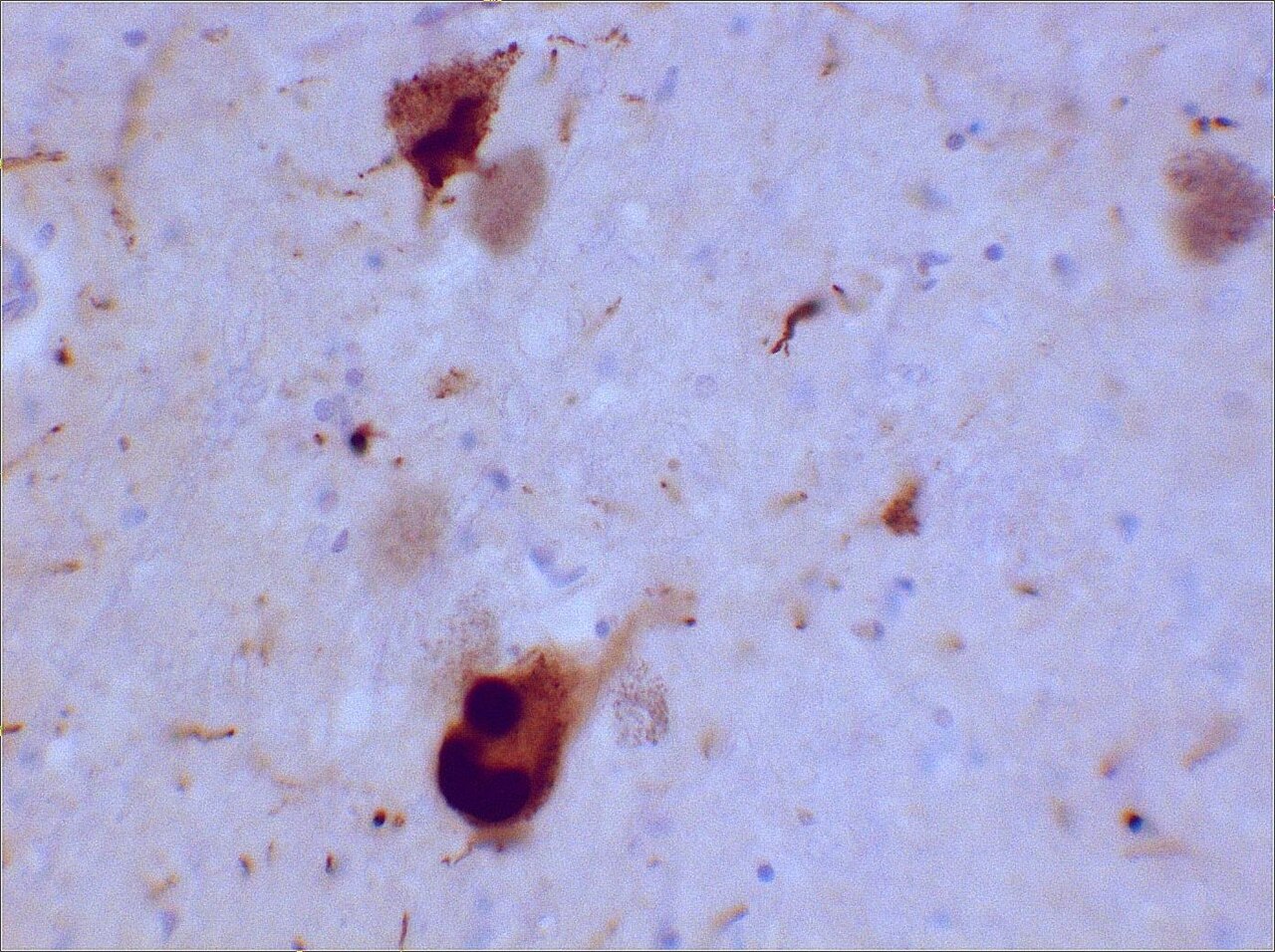
Huntington's is caused by a single genetic mutation: an expanded CAG repeat in the HTT gene that produces a toxic form of the huntingtin protein. This misfolded protein gradually destroys neurons in the striatum, the brain region responsible for movement control, leading to the involuntary movements, cognitive decline, and psychiatric symptoms that define the disease. Most people with Huntington's begin showing symptoms in their 30s or 40s and die within 10 to 20 years of onset.
AMT-130 works by silencing the mutant HTT gene at the source. The therapy uses an adeno-associated virus (AAV) vector — a modified, harmless virus — to deliver a microRNA that specifically targets and degrades the messenger RNA produced by the faulty gene. Without that mRNA, cells can't make the toxic protein in the first place. The treatment is delivered directly into the striatum via a neurosurgical procedure lasting eight to ten hours.
Trial participants who received the therapy showed significantly reduced levels of mutant huntingtin protein in their cerebrospinal fluid — a direct marker of the therapy's effect. More importantly, clinical measures of motor and cognitive function declined at a far slower rate than in untreated patients, and in some cases remained stable over the follow-up period.
The results are especially striking because Huntington's has no approved disease-modifying treatments. Every therapy attempted before AMT-130 managed symptoms at best. This one targets the root cause.
The therapy isn't without challenges. The surgical delivery is complex and not without risk, and the long-term durability of the effect is still being evaluated. But researchers and patient advocates are treating this as the most significant advance for Huntington's patients in a generation. Regulatory discussions are ongoing as larger trials proceed.
Comments