
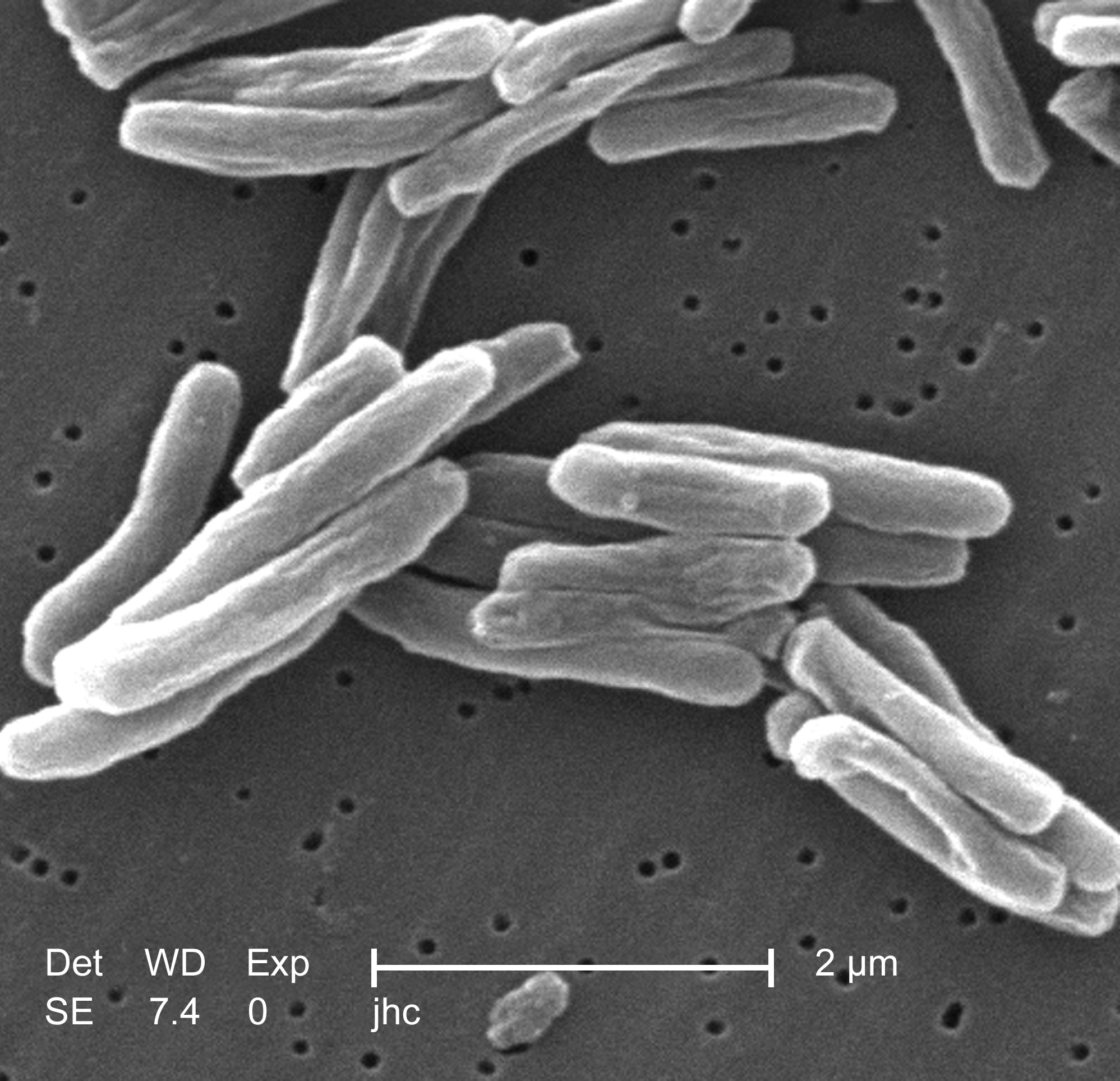
Tuberculosis kills more people than any other single infection, and the only vaccine we have against it turns 105 years old this year. BCG, first given to a newborn in 1921, protects babies from the worst forms of the disease but does a poor job shielding teenagers and adults from the lung infection that keeps the epidemic going. Decades of effort to replace it have mostly stalled, and one quiet reason is almost embarrassing in its simplicity. Nobody has been sure which pieces of the tuberculosis bacterium a vaccine should teach the immune system to recognize.
A team led by Dan Barouch at Beth Israel Deaconess Medical Center and Harvard decided to stop guessing. In a paper published in Cell, they ran a brute-force test of dozens of candidate proteins from Mycobacterium tuberculosis, measured how well each one actually protected mice, and used the winners to build a new vaccine. The results upend some long-held assumptions about what makes a good target.
Testing the proteins one by one
The bacterium that causes tuberculosis makes roughly 4,000 proteins. A vaccine cannot include all of them, so developers have to choose. For years the field leaned on a handful of antigens that provoke strong immune responses in infected people, on the reasonable-sounding logic that a protein the body already notices should make a good vaccine ingredient. That logic has never really been checked at scale.
Barouch's group focused on proteins that are seen by CD4 T cells, the immune cells that act as field commanders and that are known to be essential for controlling tuberculosis. They picked antigens recognized by human CD4 cells, turned each into a vaccine, and immunized mice. Then they infected the animals and counted how many bacteria survived in the lungs.
The spread was striking. Some antigens protected well, many did almost nothing, and there was little relationship between how loud an immune response a protein triggered and how much it actually reduced the infection. Several of the strongest performers were proteins that no current vaccine program was pursuing. The proteins everyone had been betting on were not, it turned out, the best bets.
A three-part mRNA shot
From the top performers, the researchers assembled a vaccine carrying three antigens, called PPE20, EsxG and PE18, delivered using the same mRNA technology that powered the COVID-19 shots. In several different mouse models, this trivalent vaccine cut bacterial burden in the lungs more than BCG did. When they combined it with BCG, the protection improved further, which matters because any realistic path forward will probably build on the existing vaccine rather than throw it out.
The team also checked whether the three chosen proteins mean anything to the human immune system. They tested blood from people who had been exposed to tuberculosis and found immune responses to these antigens in 84 percent of them. That does not prove the vaccine will work in people, but it shows the targets are ones the human body recognizes rather than a quirk of laboratory mice.
What the study can't say yet
This is a mouse study, and tuberculosis has a long history of humbling vaccines that looked promising in animals. Mice do not develop the walled-off lung lesions that define human tuberculosis, and protection in a mouse lung has repeatedly failed to predict protection in a person. The 84 percent recognition figure is encouraging but it measures whether human cells react to the proteins, not whether that reaction stops disease.
There is also a strategic worry the same group flagged separately. Some of the classic tuberculosis antigens are under evolutionary pressure, and drug-resistant strains carry mutations that quiet their expression. Any target chosen today has to hold up against a pathogen that is still changing. The new antigens will need the same scrutiny before a candidate goes far into human trials.
The larger contribution here is the method as much as the molecules. Instead of inheriting a target list from history, the researchers built an empirical way to rank antigens by the one thing that counts, which is protection. If the approach holds, it offers a template for designing vaccines against other stubborn pathogens where the field has been choosing ingredients by reputation rather than by results. For a disease that still kills more than a million people a year, a better way to pick targets is not a small thing.
Vidal et al. "Mining the CD4 antigen repertoire for next-generation tuberculosis vaccines." Cell, 2025. doi.org/10.1016/j.cell.2025.08.027
PubMed PMID: 40957415.
Photograph: Janice Carr, CDC, Public domain, via Wikimedia Commons.
Comments