Ask an agronomist whether you can drop the synthetic fertilizer, ditch the pesticides, bring back the birds, and still pay the bills, and you will usually get a lecture about trade-offs. Grow more food or protect nature. Pick one. A new analysis of a sprawling farming programme in southern India suggests that framing may be too pessimistic.
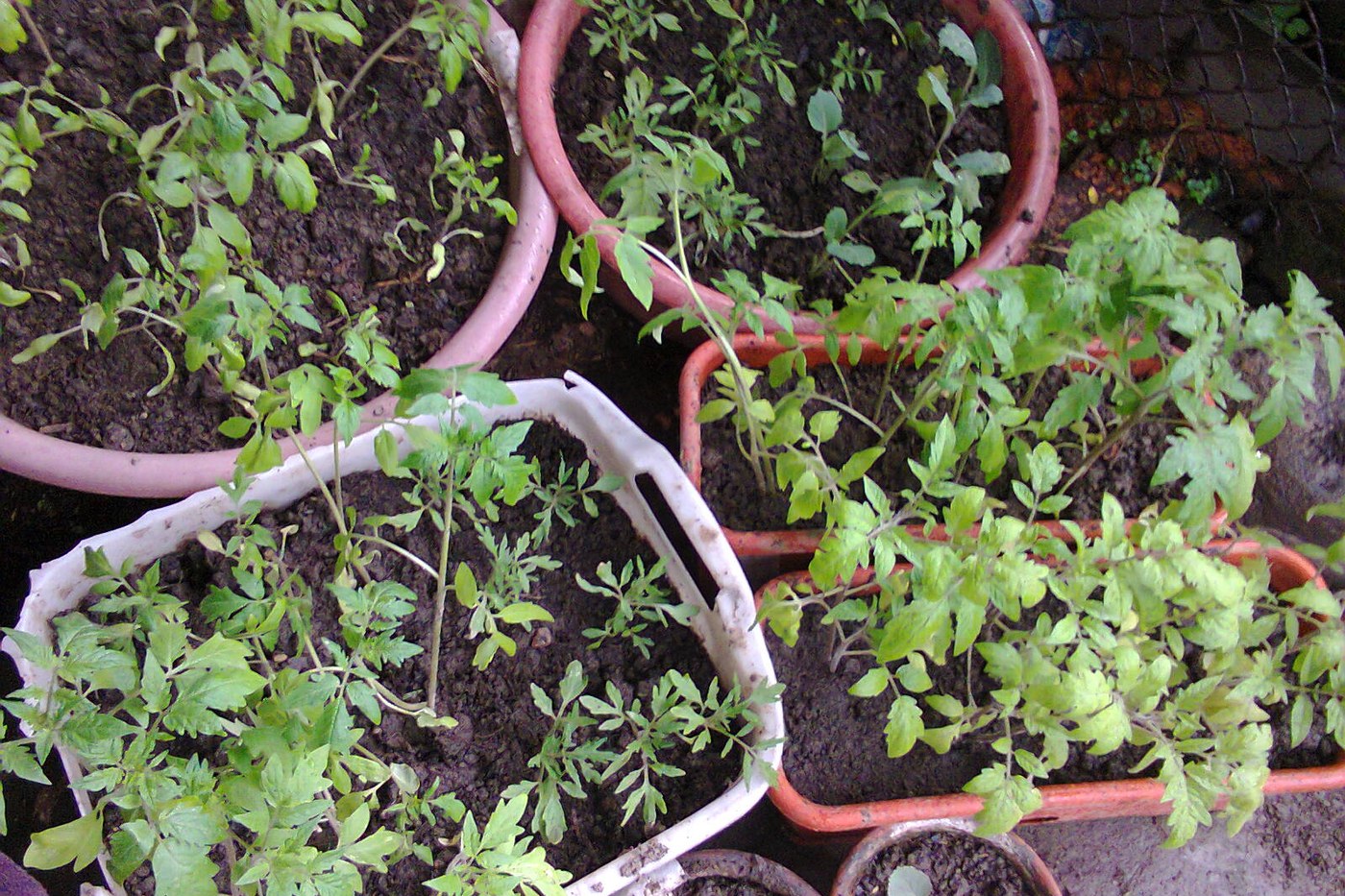
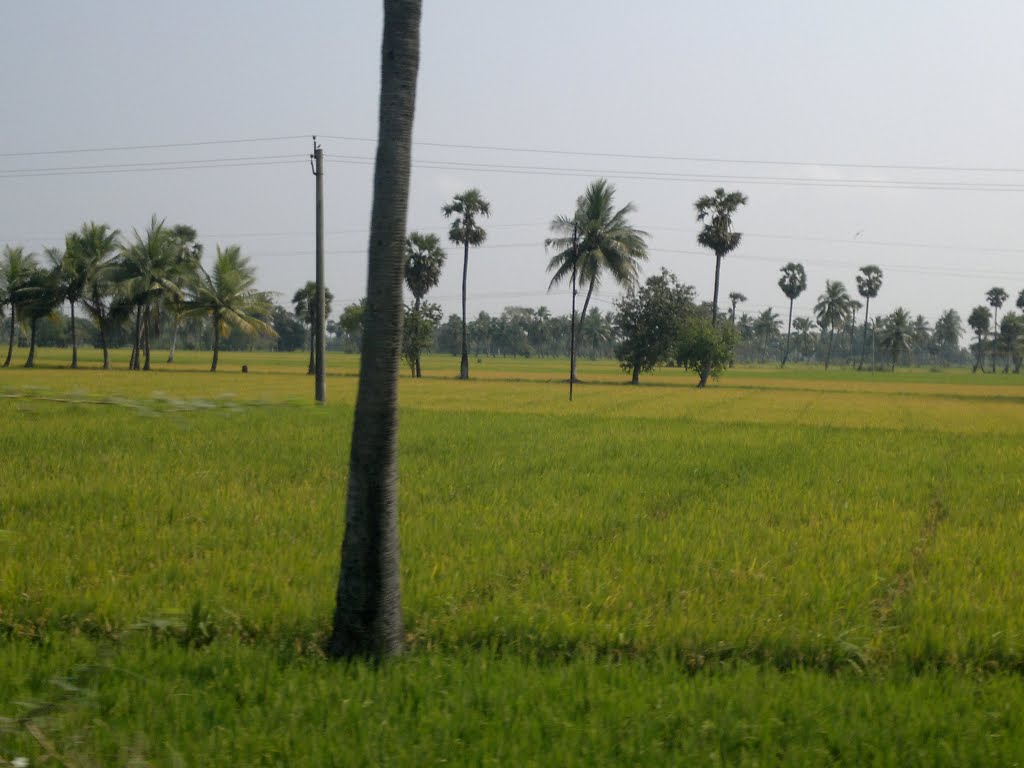
The programme is called Zero Budget Natural Farming, or ZBNF, and it is not a boutique experiment. Writing in Nature Ecology & Evolution, Iris Berger of the University of Cambridge and colleagues describe it as the largest agroecological transition anywhere on the planet, a government-incentivized effort covering roughly 64,000 square kilometres. That is an area bigger than Sri Lanka. Farmers replace bought agrichemicals with on-farm inputs: microbial brews made from cow dung and urine, mulch, and mixed cropping instead of monocultures fed by synthetic nitrogen.
What happened to the money and the crops
The headline result is the one that tends to stop the trade-off argument cold. ZBNF more than doubled farmers' economic profits. It did this while keeping crop yields roughly comparable to conventional, agrichemical-based farming. The profit jump is not mainly a story of growing more. It is a story of spending less. When you stop buying fertilizer and pesticide every season, the input bill that eats into a smallholder's margin shrinks, and what is left over grows.
That matters because the usual objection to going chemical-free is that yields collapse and hungry regions cannot afford the hit. Here, the food kept coming and the household economics improved at the same time. For a programme aimed at some of India's most financially exposed farmers, that combination is the whole point.
The birds tell a more nuanced story
Biodiversity was measured through birds, which are convenient to survey and reflect the health of the wider system. On ZBNF land, the densities of bird species rose. So did the densities of functional guilds that do real agricultural work, the birds that eat pests and the ones that disperse seeds. In other words, the fields were not just prettier. They were hosting more of the animals that quietly support farming itself.
The researchers also looked at how sharply gains in one goal came at the expense of another. In conventional systems, pushing for higher landscape-scale yields and profit tended to punish bird numbers. Under ZBNF, those trade-offs were substantially less severe. You could have more birds without paying for it in output nearly as steeply.
There is an important caveat threaded through the findings, and the authors do not bury it. Natural forests still did the heavy lifting for the fussiest species. Birds that specialize in forest habitat depended on intact forest nearby, not on the farmland itself, however gently it was managed. Agroecology can soften the edges of an agricultural landscape, but it does not substitute for protecting wild ecosystems outright. The message is coexistence, not replacement.
Why this lands beyond India
The Global Biodiversity Framework, the international agreement meant to slow the loss of nature, actively promotes agroecological approaches. The problem is that rigorous, system-wide evidence for whether these programmes actually deliver has been thin. Enthusiasm has run ahead of data. This study is an attempt to close that gap by looking at economics and biodiversity together, at scale, in a real programme rather than a research plot.
A few limits are worth keeping in view. This is an observational comparison, not a randomized trial, so unmeasured differences between farms could shape the picture. Birds are a useful proxy but only a proxy; insects, soil life, and other groups may respond differently. And a programme's success can hinge on local context, subsidies, and the presence of nearby forest, which makes wholesale copy-paste to other countries risky.
Still, the direction is striking. The dominant assumption has been that feeding people and protecting nature are locked in opposition, especially in the places that can least afford to choose. A 64,000-square-kilometre slice of India suggests the opposition is not as fixed as it looks. Sometimes the cheaper way to farm is also the one the pest-eating birds prefer.
Berger, I. et al. "India's agroecology programme, 'Zero Budget Natural Farming', delivers biodiversity and economic benefits without lowering yields." Nature Ecology & Evolution, 2025. doi.org/10.1038/s41559-025-02849-7
PubMed PMID: 40973809.
Photograph: Nikhita Devaram, CC BY-SA 4.0, via Wikimedia Commons.
Comments