
Drought-tolerant crops usually come with a catch. Push a plant to survive dry spells and it often pays for that toughness in a smaller harvest when the rain does come. That trade-off has haunted breeders for decades. It is the reason a lot of promising stress-resistance genes never make it into real fields.
A team at China Agricultural University reports a maize gene that appears to dodge the trade-off. Writing in Nature Plants, Yongyan Lian and colleagues describe ZmDapF1, a gene whose natural variants shape how well maize copes with drought. Turn it off, and seedlings survive dry conditions better while still producing high yields when water is plentiful. The paper landed on October 30, 2025.
What the gene actually does
ZmDapF1 encodes a putative diaminopimelate epimerase, but its interesting job in this story is regulatory. The protein binds and inhibits a second enzyme called ZmMDH6, a chloroplast NADP-dependent malate dehydrogenase that sits close to the machinery of photosynthesis. When ZmDapF1 is active, it keeps ZmMDH6 in check.
The researchers made maize lines in which ZmDapF1 was knocked out. Those mutant plants showed markedly better seedling survival under drought and higher grain yield under drought stress. Under normal field conditions the same plants held onto high yields. Digging into the mechanism, the team found that removing ZmDapF1 freed up ZmMDH6 activity. That change raised the photosynthetic rate and cut the buildup of reactive oxygen species, the corrosive byproducts that pile up when a stressed plant's metabolism starts to misfire. Fewer of those molecules, and more carbon fixed, adds up to a plant that weathers drought with less internal damage.
A promoter tweak nature already found
The gene is not just an on-off switch a lab imposed. Different maize varieties carry different versions of the ZmDapF1 promoter, the stretch of DNA that controls how strongly the gene is expressed. Some natural promoter variants bind more tightly to a transcription factor called ZmMYB121. That factor represses ZmDapF1 when the plant is under drought.
So the picture is a small regulatory circuit. Drought conditions bring ZmMYB121 in to dial down ZmDapF1, which releases ZmMDH6, which supports photosynthesis when the plant needs it most. Maize populations have been shuffling these promoter variants on their own. The lab work essentially takes what evolution stumbled toward and pushes it further by removing the gene entirely. The authors frame ZmMYB121 as a positive player in drought resistance, working through this same axis.
Why breeders will care, and what to hold back on
Corn is one of the planet's three big cereal crops, and drought is a leading cause of the year-to-year swings in how much of it gets harvested. A gene that improves dry-season resilience without a yield penalty in good years is exactly the kind of target that molecular breeding programs hunt for. The authors argue that engineering ZmDapF1, whether by gene editing or by selecting for the right natural promoter variants, could help build hardier maize varieties.
Some caution is worth keeping in view. The strongest survival results came from seedlings and from knockout lines, which are cleaner to study than the messy conditions of a commercial field across many seasons and soil types. Drought itself is not one thing. Timing, severity, and heat all interact, and a gene that helps at the seedling stage may behave differently when a plant is flowering. The study reports high yields under normal and drought conditions in its tested settings, but wide multi-environment trials are the real test before any variety reaches farmers. There is also the regulatory road that gene-edited crops must travel, which varies a lot by country.
Still, the appeal here is the mechanism. Rather than bluntly forcing a plant into defensive mode, this approach nudges a metabolic valve that keeps photosynthesis running under stress. That is a more surgical way to think about resilience, and it hints that the old assumption of survival versus yield may be softer than it looks.
Lian, Y. et al. "Natural variation in ZmDapF1 enhances maize drought resilience." Nature Plants, 2026. doi.org/10.1038/s41477-025-02141-3
PubMed PMID: 41168446.
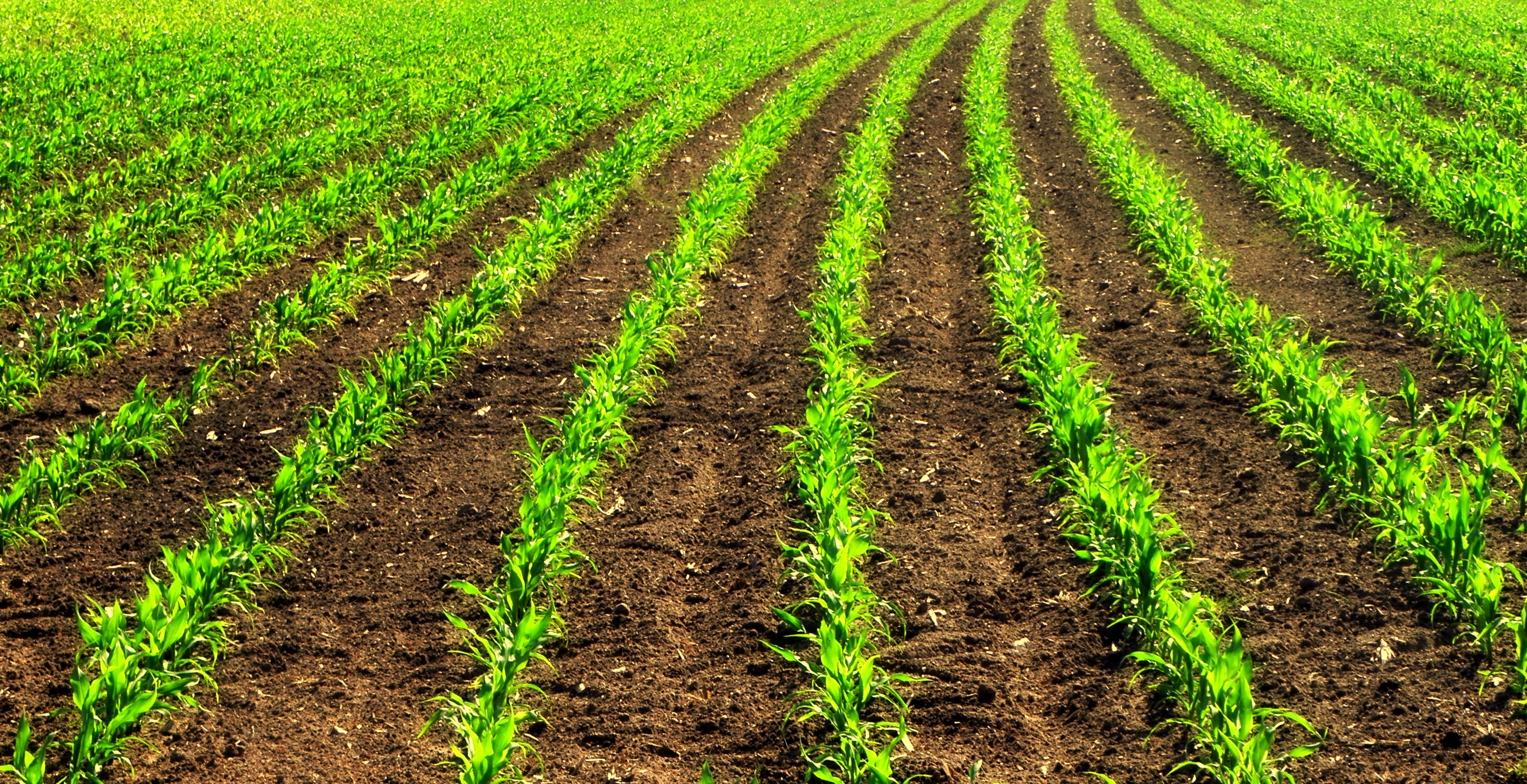
Photograph: Stiller Beobachter, CC BY 2.0, via Wikimedia Commons.
Comments