


Some of the most promising new medicines are also the most perishable. Cell therapies, stem cell products, and other treatments built from human material cannot be autoclaved or irradiated the way a bag of saline can. Heat and radiation would destroy the very thing that makes them work. So drug makers grow them, purify them, and then run a sterility test to confirm nothing dangerous is living in the vial.
The problem is arithmetic. The standard sterility test can take up to two weeks, because it relies on giving any stray microbes enough time to multiply into something visible. Many of these therapies do not last two weeks. Some have a shelf life measured in hours. The result is a quiet compromise that happens more often than patients might guess: the drug gets infused first, and the sterility result comes back later.
A team at Seoul National University and the Korea Institute of Science and Technology has built a device meant to close that gap. Writing in Nature Biomedical Engineering, Junwon Kang and colleagues describe a sterility test that returns an answer within a single day.
Catch the microbe, then watch it breathe
The trick is not to wait for bacteria to form a visible colony. It is to grab whatever microbes are present, concentrate them, and then listen for the faint signal of them being alive.
The first step is capture. The researchers coat nanoparticles with synthetic peptides derived from a human protein called beta-2-glycoprotein I, which has a natural tendency to stick to microbial surfaces. Those particles pull a broad range of organisms out of a sample and pack them together. Enrichment matters here, because contamination in a finished drug product is usually sparse. You may be hunting for a single cell in a lot of fluid.
The concentrated microbes then go into a microfluidic chip that watches their metabolism instead of their appearance. The chip is loaded with a non-toxic dye. When a living cell grows, its metabolism chemically reduces that dye, and the change shows up under fluorescence imaging. A microbe that is dividing gives itself away by what it consumes, long before it would be numerous enough to see with the naked eye.
The numbers that matter
Compared with conventional culture-based sterility testing, the new assay cut the turnaround time by more than 58 hours. That is the difference between a result that arrives after the drug is already in a patient and one that arrives in time to matter.
Speed usually costs sensitivity, but the authors report it did not here. In their testing the method reached 100 percent accuracy and could detect contamination down to a concentration of one colony-forming unit per millilitre. One viable microbe in a millilitre of fluid is about as low as a sterility test can meaningfully aim for. The group ran the platform against several forms of clinical-grade biopharmaceutical products rather than only clean laboratory samples, which is the harder and more relevant test.
What still needs proving
This is a single study from one group, and a demonstration is not the same as a validated quality-control method sitting in a manufacturing suite. Regulators set specific expectations for how a sterility test must perform across the full spectrum of organisms it might encounter, including slow-growing and fungal contaminants, and a technology has to be shown to match or beat the compendial method across all of them before it can replace anything. The reported perfect accuracy came from the conditions the team chose to test. Real production lots bring messier chemistry and rarer bugs.
There is also the practical question of whether a peptide-coated nanoparticle capture step behaves the same way across very different drug formulations, some of which are thick, cell-laden, or chemically unusual. The paper validates the approach on clinical-grade products, which is encouraging, but the range of modern biologics is wide.
Still, the direction is worth noticing. As more therapies are made from living cells with short lifespans, the old assumption that you can afford to wait for a colony to appear stops holding. A test that answers in a day, at the sensitivity this one reports, would let a treatment reach the patient with its safety already confirmed rather than confirmed in hindsight.
Kang, J. et al. "One-day rapid sterility test for human-derived biopharmaceuticals." Nature Biomedical Engineering, 2025. doi.org/10.1038/s41551-025-01524-3
PubMed PMID: 41034515.
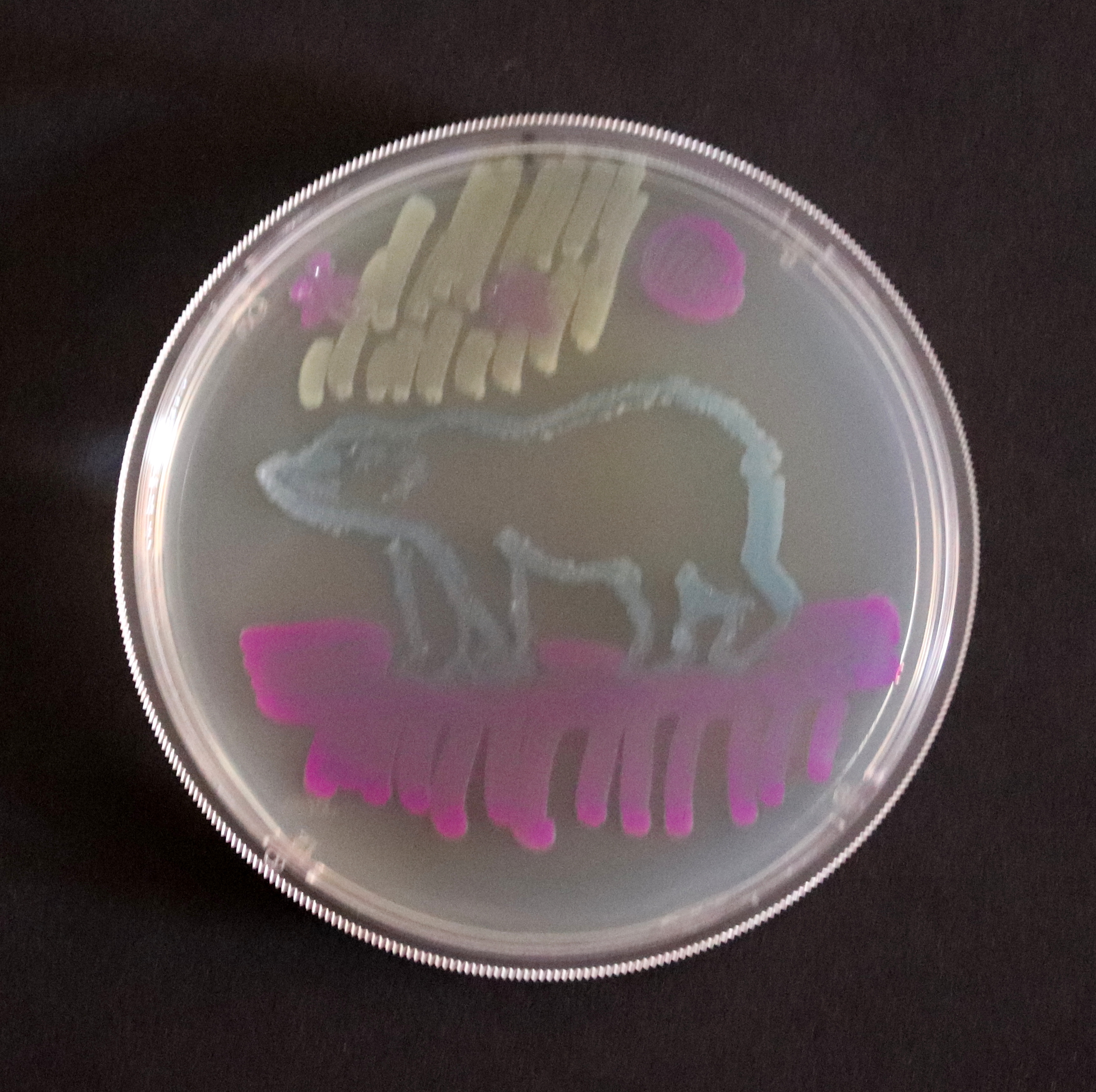
Photograph: LadaSy, CC BY 4.0, via Wikimedia Commons.
Comments