Every piece of research we've covered — across genetics, neuroscience, ecology, immunology, and more.
A Stanford and Emory team built an intranasal vaccine that shielded mice from several viruses, a bacterium, and even an allergen for at least three months, using a model protein none of those threats carry.
A Harvard study in mice finds that the receptor for the body's main stress hormone acts inside support cells to help shut the brain's early window of high plasticity, hinting at how early-life stress leaves a mark.
A Stanford team locked patient DNA inside silica glass and left it at room temperature for a month. When they read it back, it resolved rare-disease variants as well as DNA kept frozen at minus 80 degrees.
A Fudan University team re-dosed AAV gene therapy in the opposite ear of four young children with hereditary deafness, despite the neutralizing antibodies their first treatment had raised — and hearing improved in every one, clearing a major obstacle to treating both ears.
In a 9,691-patient randomized trial across 16 Kenyan primary care clinics, giving clinicians a large language model assistant was safe but did not reduce treatment failures — a rigorous reality check on the promise of AI in everyday medicine.
Plasma histidine predicted who stayed progression-free on checkpoint inhibitors across 1,714 patients, and supplementation helped mice. The human dietary finding rests on one baseline questionnaire in a subgroup.
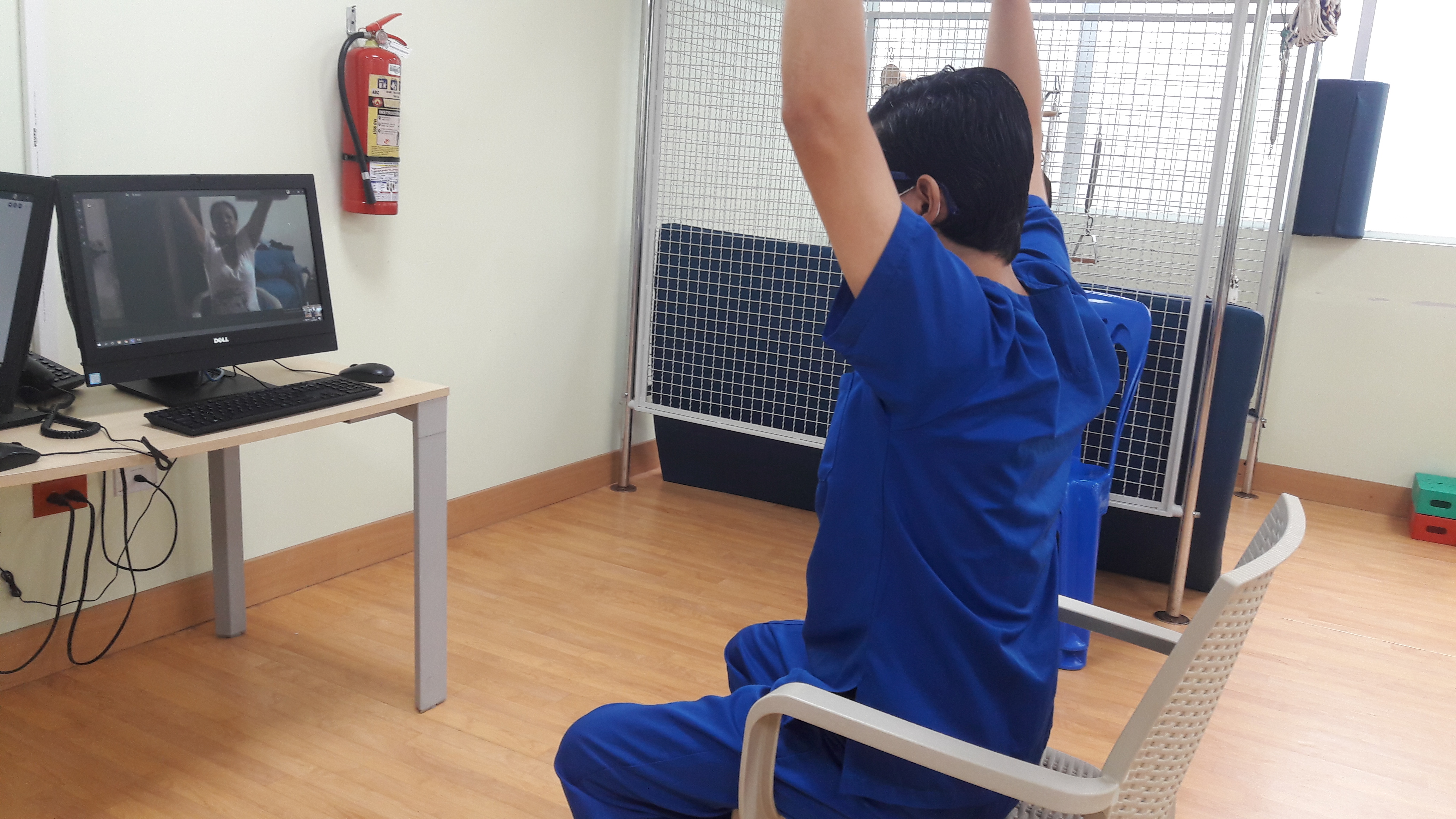
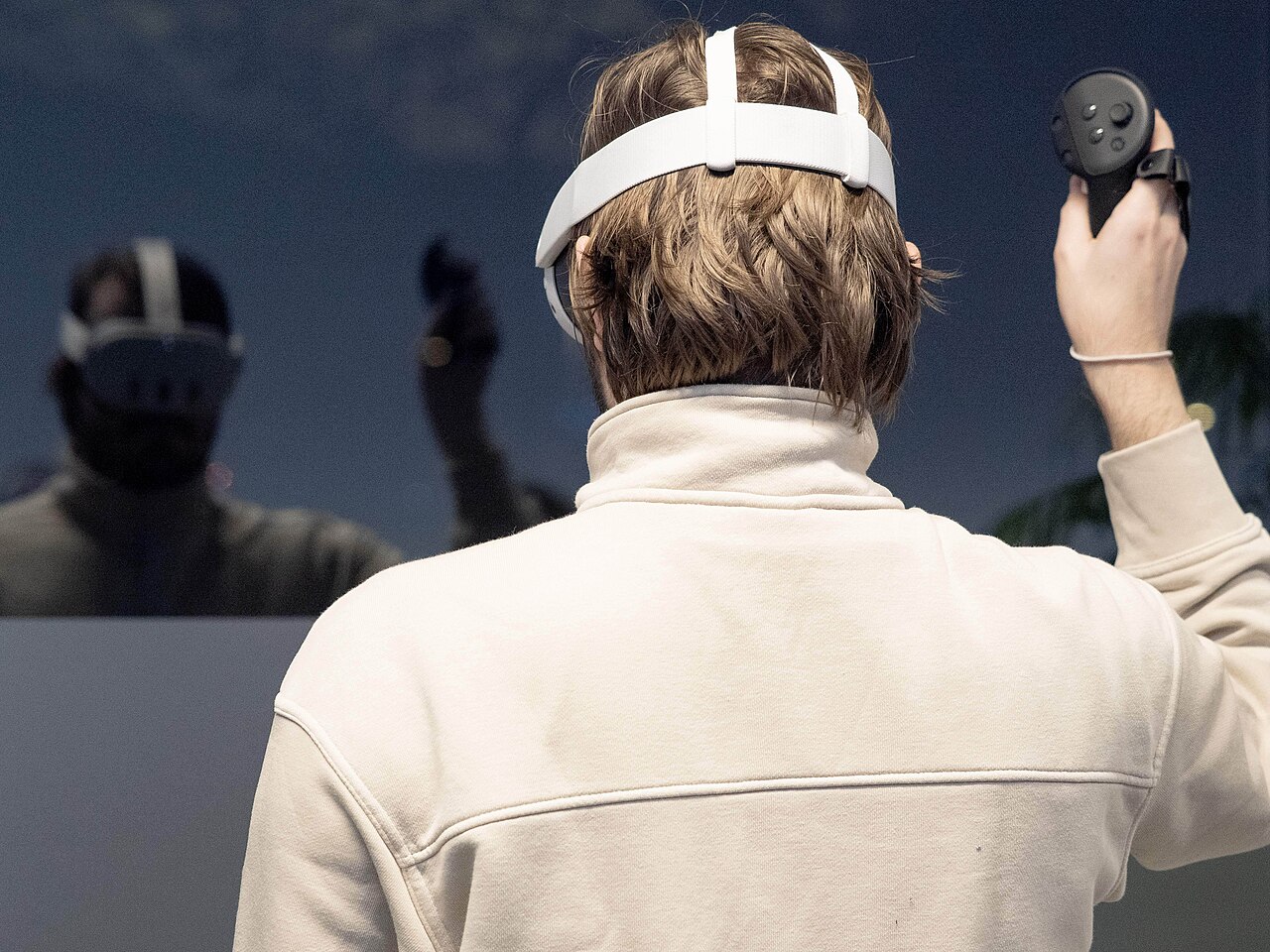
A platform that syncs immersive virtual reality with gentle sensory nerve stimulation helped chronic stroke patients regain nearly twice the arm function of conventional rehab in a small feasibility trial — and hints at therapy that could one day run at home.
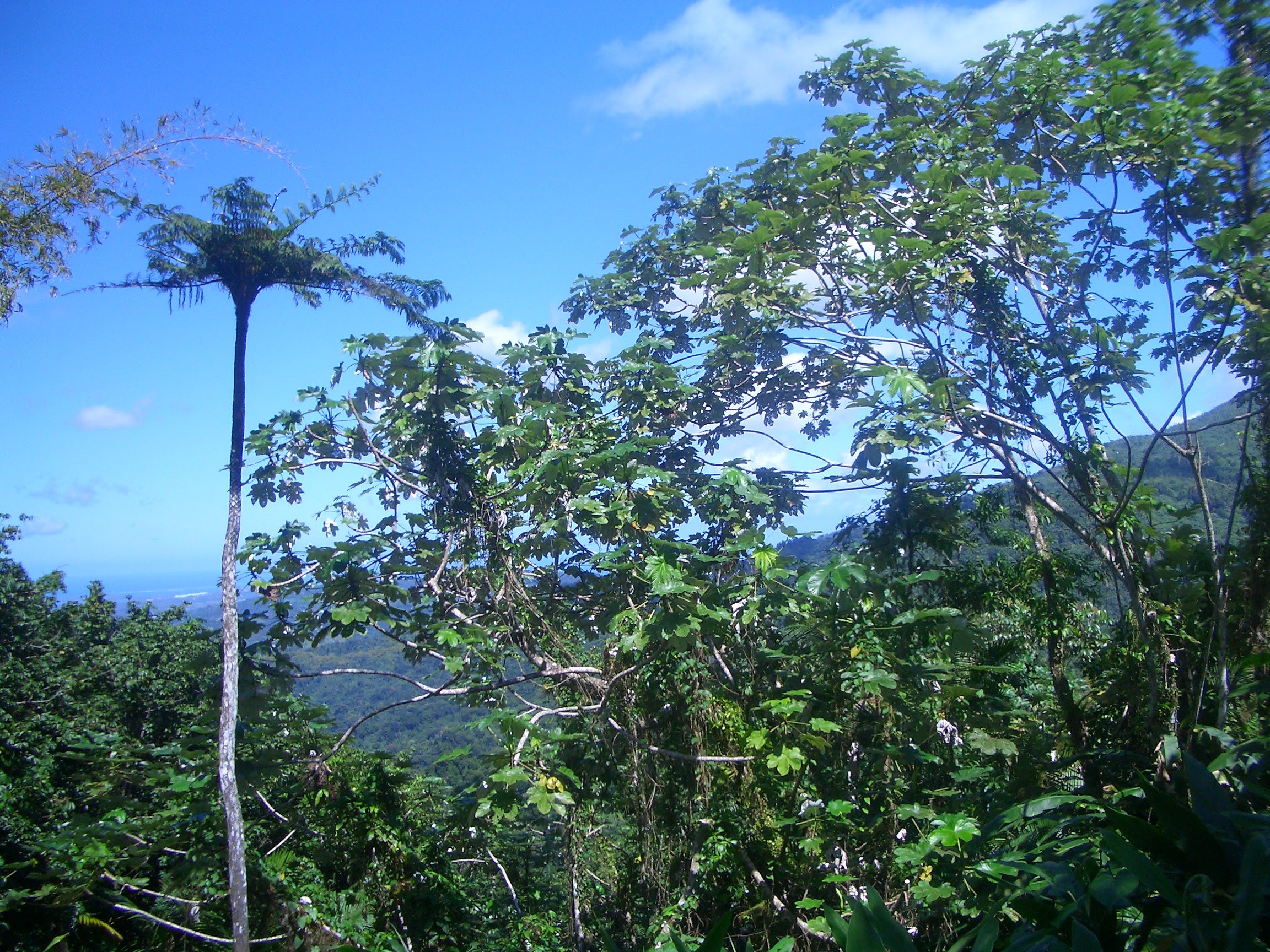
A fossilized New Mexico rainforest preserved in place reveals nearly 80 kinds of seeds and fruits — some startlingly large — showing that flowering plants had evolved sophisticated dispersal strategies well before the asteroid wiped out the dinosaurs.
A 60-patient international study of RNU4ATAC-opathy, a rare disorder caused by a noncoding gene, shows how often the culprit gene is captured by routine DNA tests yet skipped during analysis. RNA sequencing helped confirm the diagnosis in several cases.
Recording from single neurons in eight people with paralysis, researchers found the whole body represented at every spot they sampled on the motor cortex, upending the tidy "little man" map in every anatomy textbook.
A South Asian biobank of 173,303 people turned up naturally occurring gene shutdowns in 6,476 genes. Researchers say these living "human knockouts" could point drug makers toward safer targets.
Researchers built LEAPER 3.0, a redesigned RNA-editing tool that borrows the cell's own ADAR enzymes to rewrite single letters of RNA. Using AlphaFold 3 structural models, they reached sites that were previously off-limits and cut down on stray edits nearby.
Researchers recorded from individual neurons in the human cortex as people spoke, and found that some cells track grammar while others follow the shape of a whole sentence. It is one of the closest looks yet at how language is assembled cell by cell.
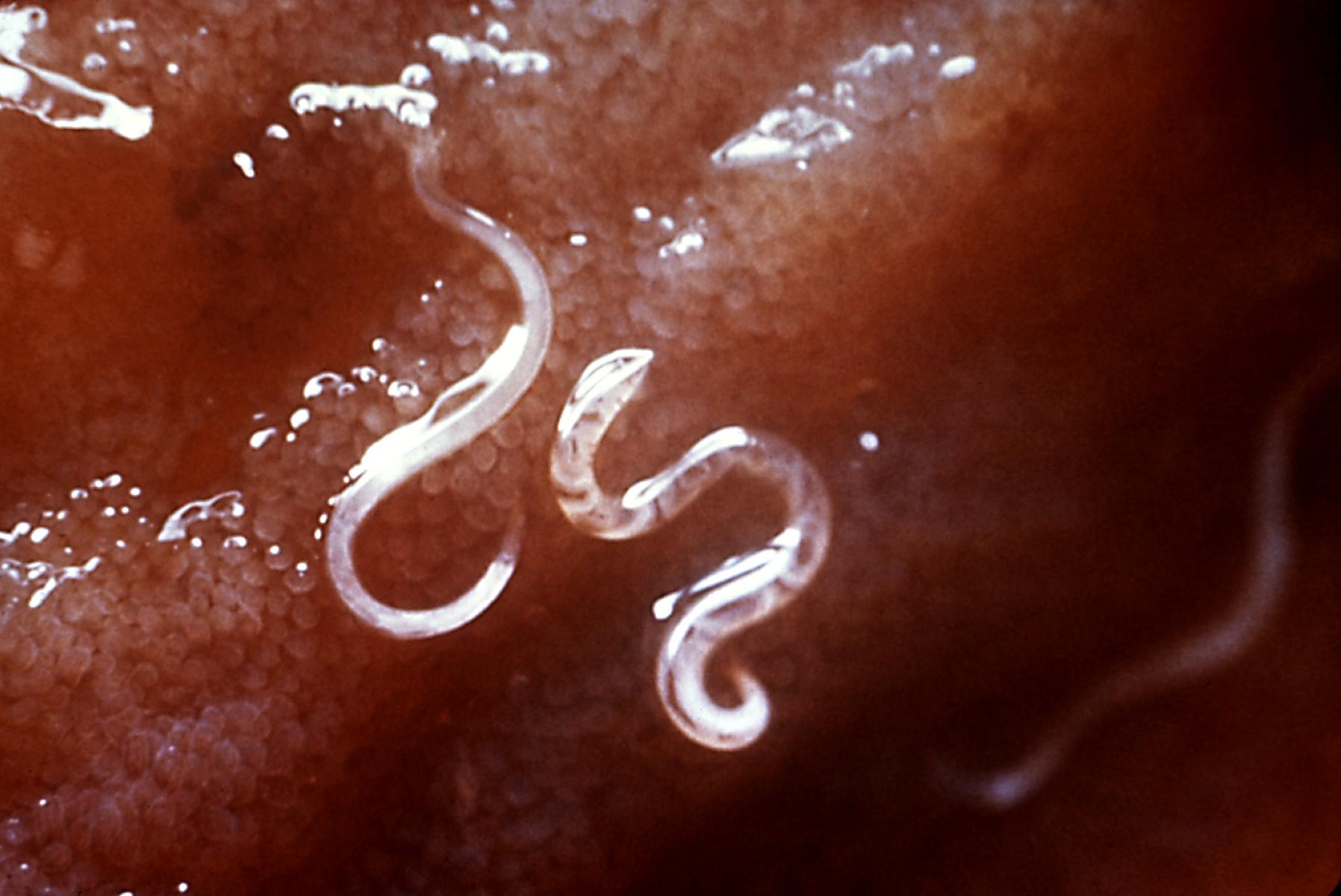
Mice carrying intestinal worms during pregnancy passed lasting protection against respiratory viruses to their pups. The shield came not from the worms themselves but from a gut-bacterial metabolite the worms coaxed into being.
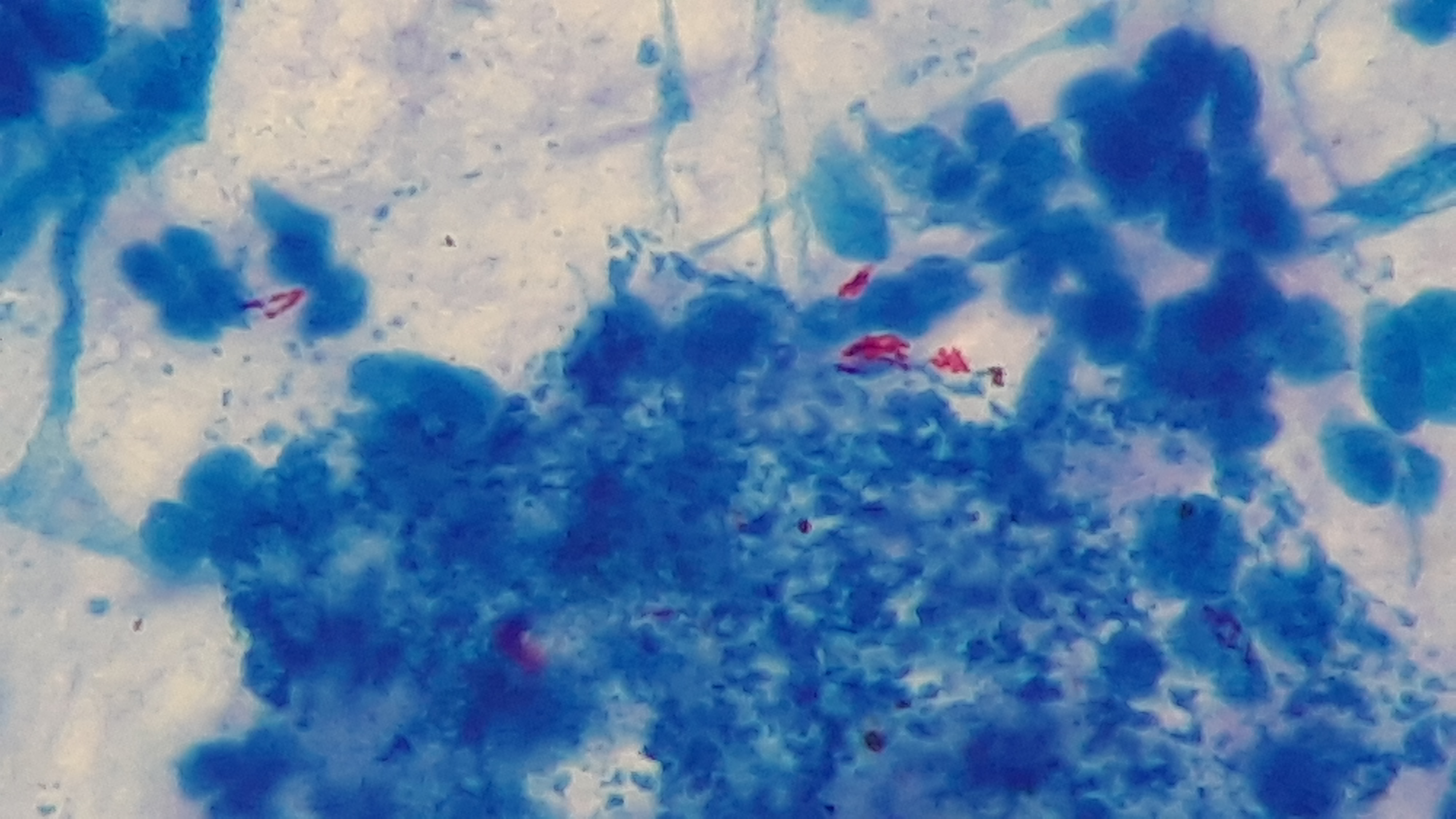
A field study in Vietnam found that a simple saliva reading can flag when patients on drug-resistant tuberculosis treatment are getting too little levofloxacin. The non-invasive test caught 16 of 19 under-dosed patients, hinting at a cheaper way to keep hard-to-treat TB on track.
A global survey finds at least 152 animal species living on and in glaciers, 73 of them found nowhere else. As glaciers retreat, many face steep declines or the loss of their entire habitat.
Mutant p53 has no drug-binding pocket, so this approach does not target the protein. It uses the mutant RNA as a trigger and then destroys the cell's chromatin, putting all the precision in the sensor.
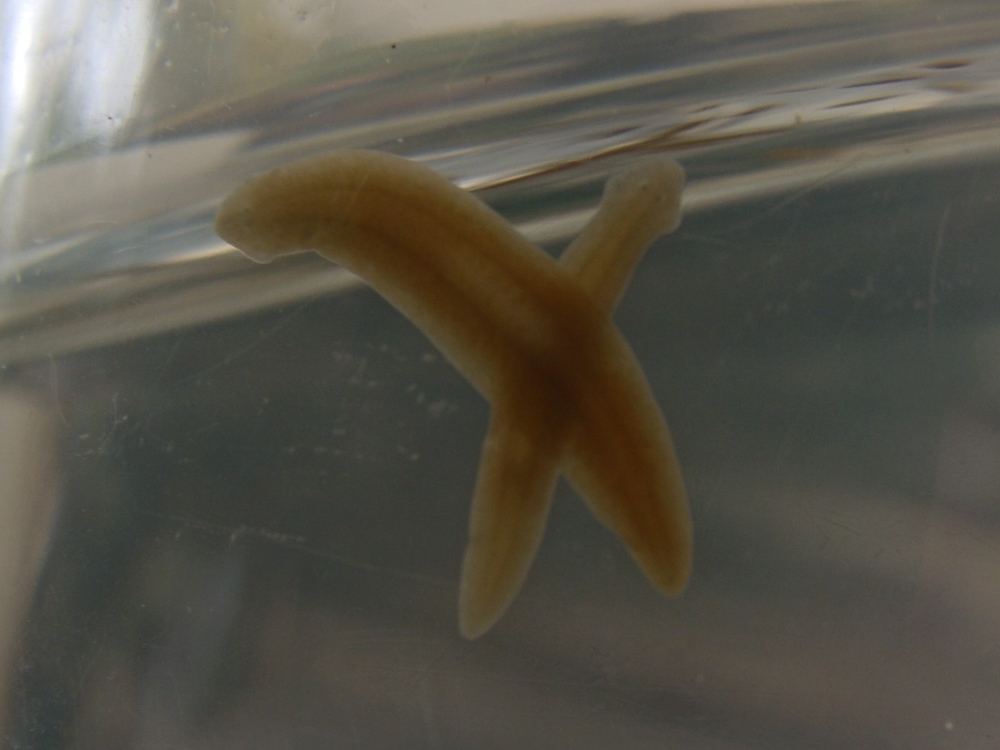
Scientists found a new immune cell in planarian flatworms that self-destructs in an explosive burst, spraying toxins that wipe out nearby bacteria within minutes. It hints at a very old branch of the immune system.
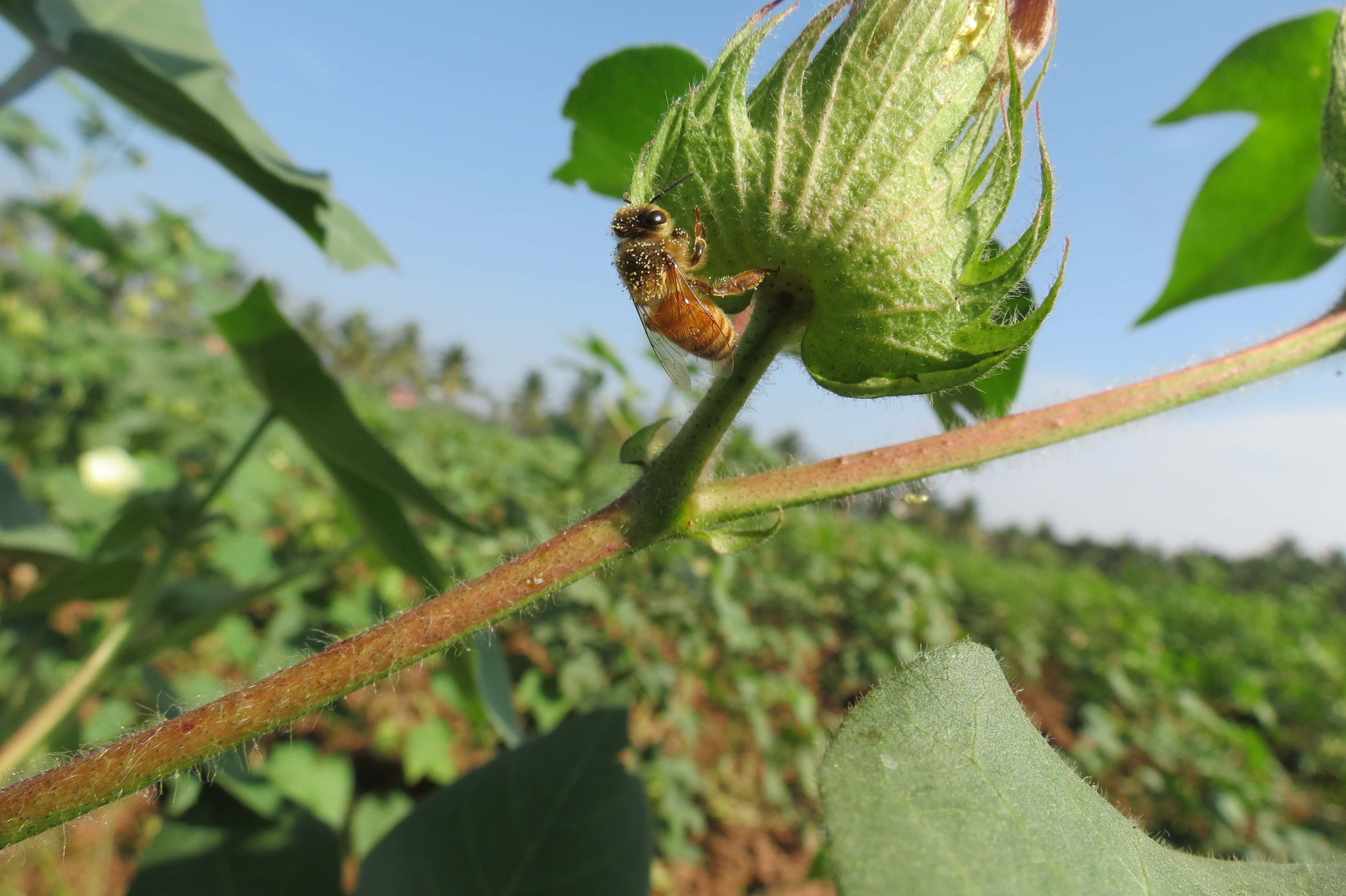
Wild pollinators are in trouble, yet a global analysis of 86 crops finds that pollination shortfalls have actually shrunk since 1950. Managed bees appear to be doing the heavy lifting.
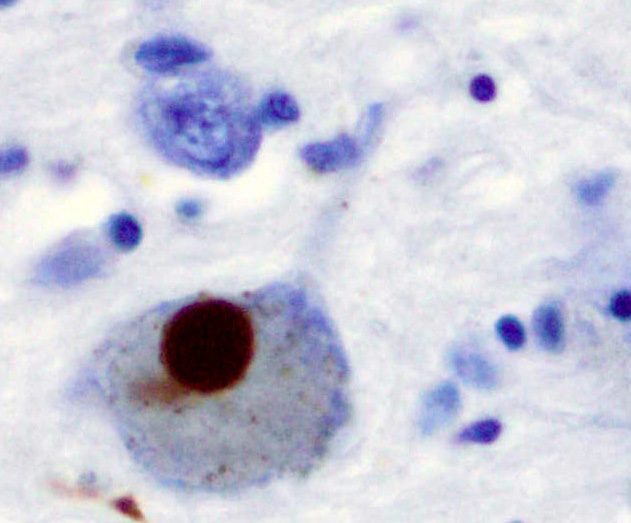
A Toronto-led team combined two skin-biopsy protein tests with a blood marker to separate Parkinson's disease from the disorders that mimic it. In 166 patients, the panel did better than any single test alone.
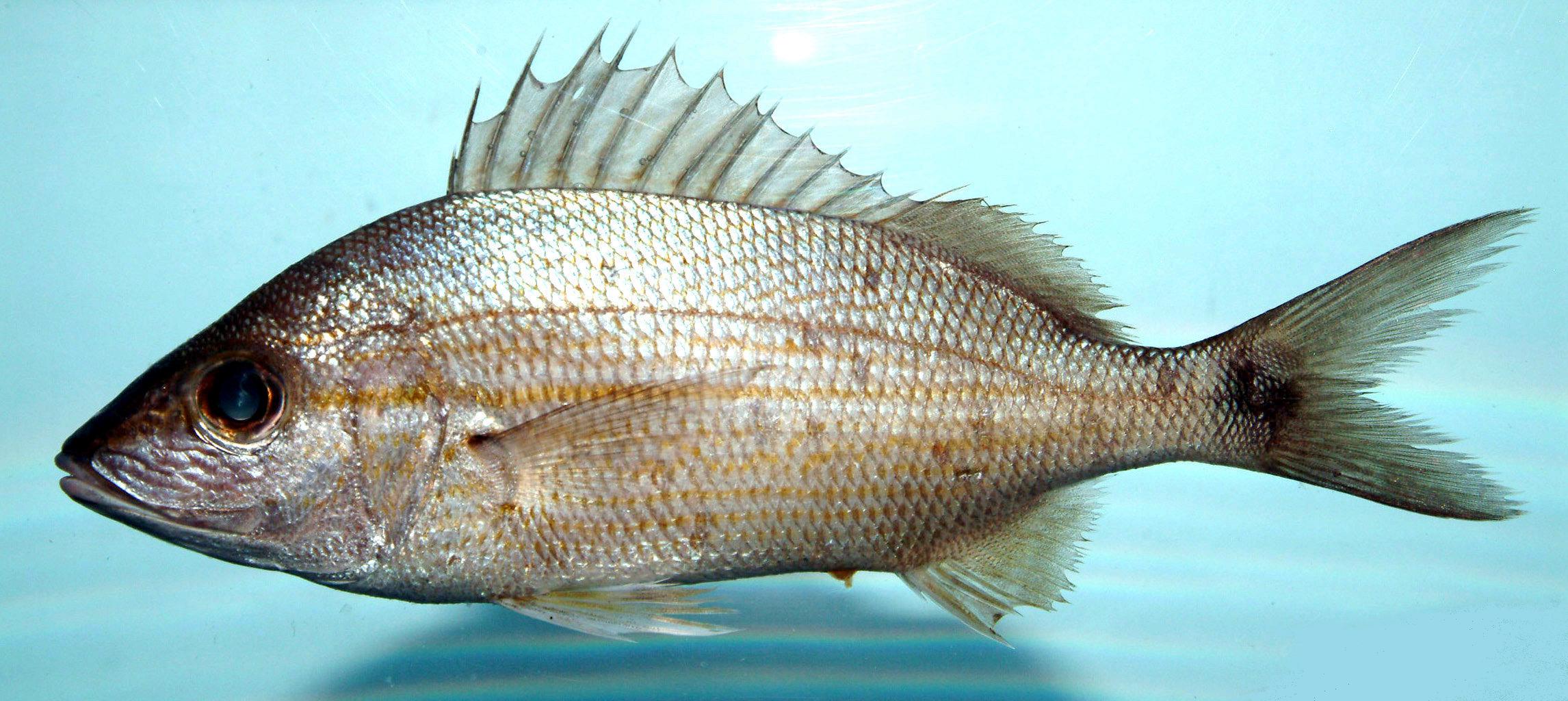
A genetic survey of a common Atlantic reef fish, the tomtate, finds that Bermuda receives drifting larvae from the Caribbean and Gulf of Mexico but sends almost none back. The isolated population is slowly becoming its own thing.
A 12-patient trial delivered a working copy of the RS1 gene into one eye of boys and young men with X-linked retinoschisis. The splits inside the retina closed, and treated eyes read more letters on the vision chart.
A study in mice finds that the brain replays specific memories during sleep, and that bad memories jolt the animal toward waking while good ones keep it asleep. Silencing the replay of stressful memories restored normal sleep.
Researchers built a way to read a child's diffuse midline glioma from ordinary brain scans by mapping which healthy circuits the tumour is wired into. How connected the tumour was predicted survival in two separate patient groups.
Chinese researchers built a cell-free mixture of enzymes that turns a cheap bulk chemical into 1,6-hexanediamine, a key nylon 66 ingredient, reaching 10.35 grams per liter at 97 percent conversion.
A Yale-led study in Cell found that antibodies from people with long COVID attack nervous-system proteins, and transferring those antibodies into mice reproduced fatigue, pain, and nerve damage. It points to an autoimmune driver in one subgroup of patients.
Researchers found a family of mobile DNA elements in wheat that stays quiet until heat and loosened chemical tagging set it loose. The jumping genes then copy themselves into new spots in the genome.
In mice, the anterior lateral motor cortex handles context-dependent decisions by reconfiguring its own local circuits rather than building an abstract rule. A subset of "contingency neurons" carries both the context and the choice.
Buffer pools are the reserve that covers forest carbon credits when forests burn. Recalculated under a changing climate, the largest US programme's reserve is 6.3 times too small, and too small even at the optimistic end.
A boy treated with AAV9 gene therapy for a severe metabolic disease developed a brain tumor four years later. Genomic analysis traced it to the therapeutic virus inserting itself into a cancer gene.
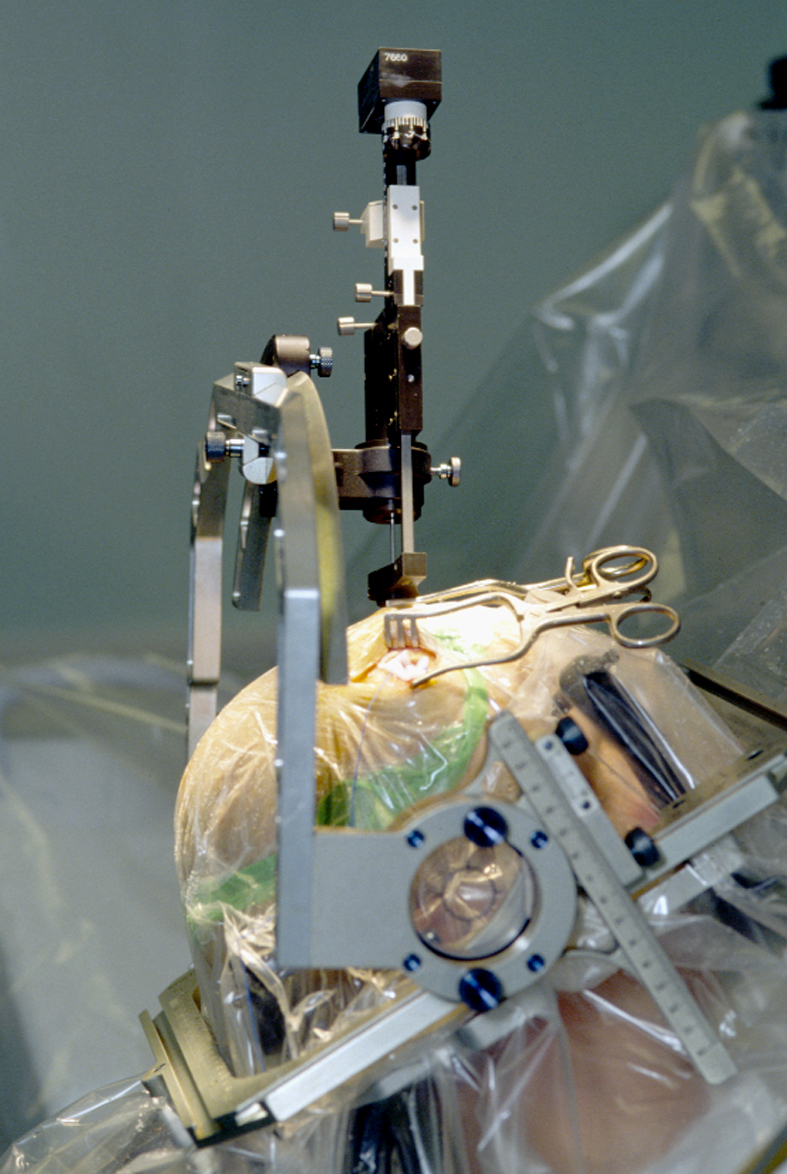
A shaking hand at rest and a shaking hand reaching for a cup involve different circuits in the motor cortex, according to a new deep brain stimulation study. The finding could help doctors aim electrical therapy at the specific symptom bothering a patient.
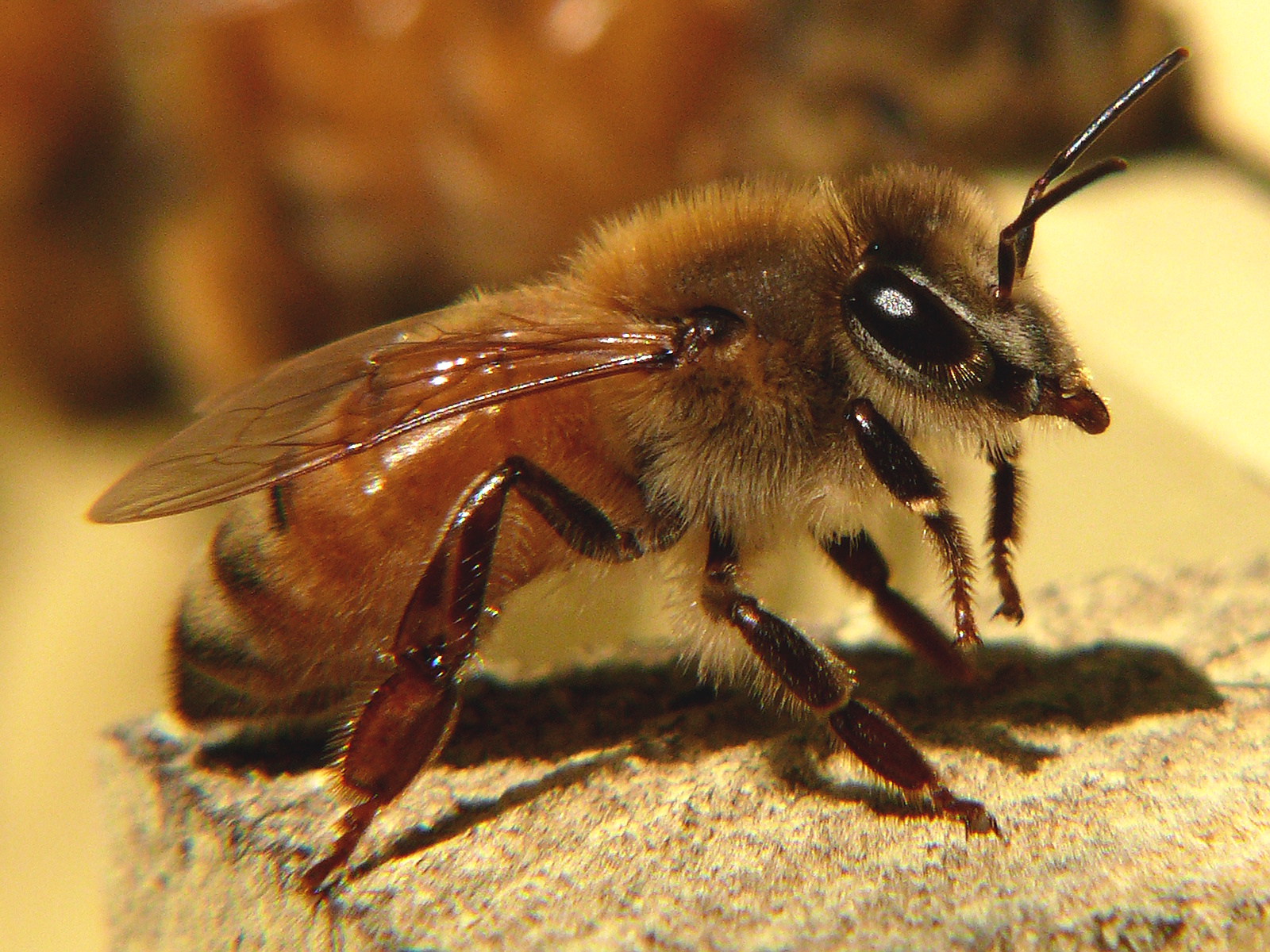
Bacteria living in the honeybee gut package DNA and RNA into tiny membrane bubbles and ship them out intact, without dying. The finding hints at how engineered symbionts might one day protect bees.
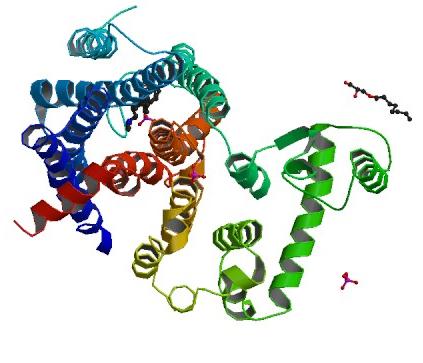
Researchers designed small proteins entirely on a computer that bind G protein-coupled receptors and switch them on or off as intended. Cryo-EM structures matched the blueprints, and one design mobilized stem cells in mice.
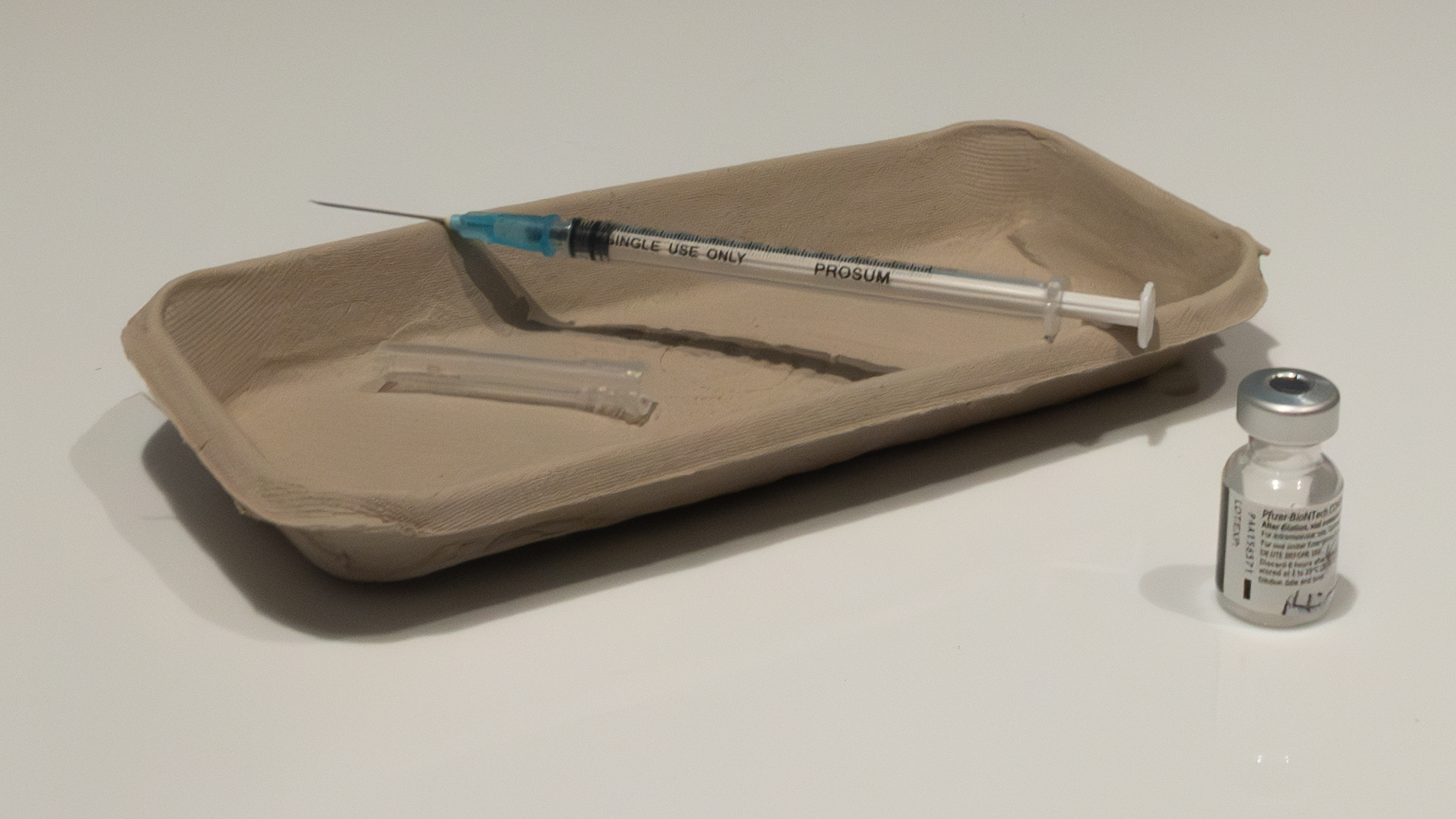
Researchers paired a COVID mRNA vaccine with a fungal-sugar adjuvant and got broader, longer-lasting protection in mice and monkeys. The mix even coaxed antibodies against variants the immune system usually ignores.
When soil dries out, a bacterial genus called Streptomyces floods into plant roots. A Cell study finds the plant isn't calling for rescue. It's just dropping its guard.
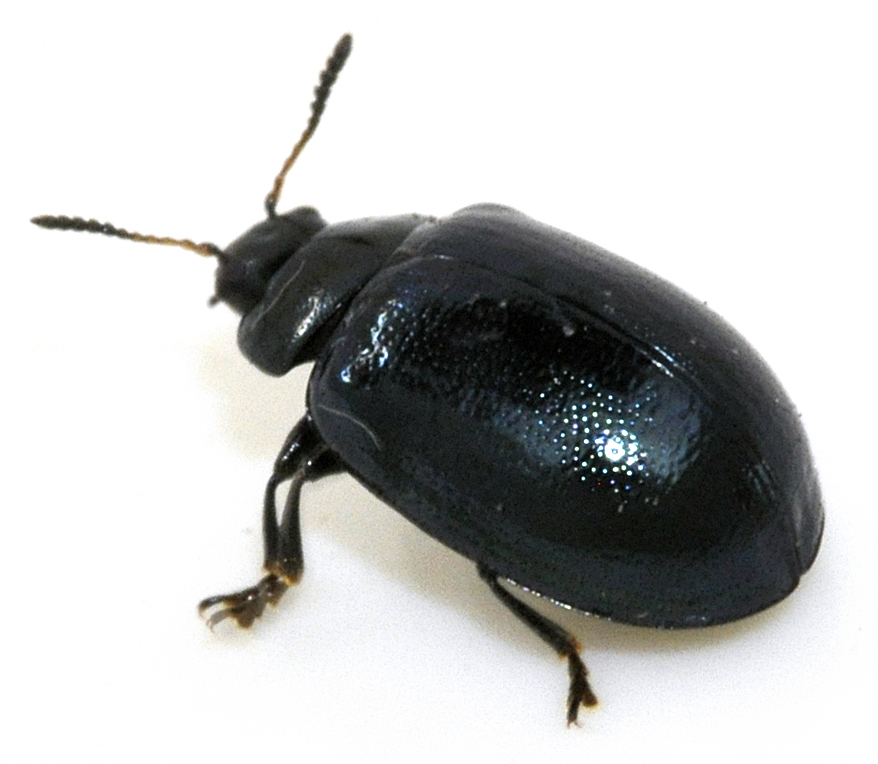
A willow leaf beetle eats young leaves but lays its eggs on old ones. New work shows a single gut bacterium drives that choice, using the plant itself as a messenger.
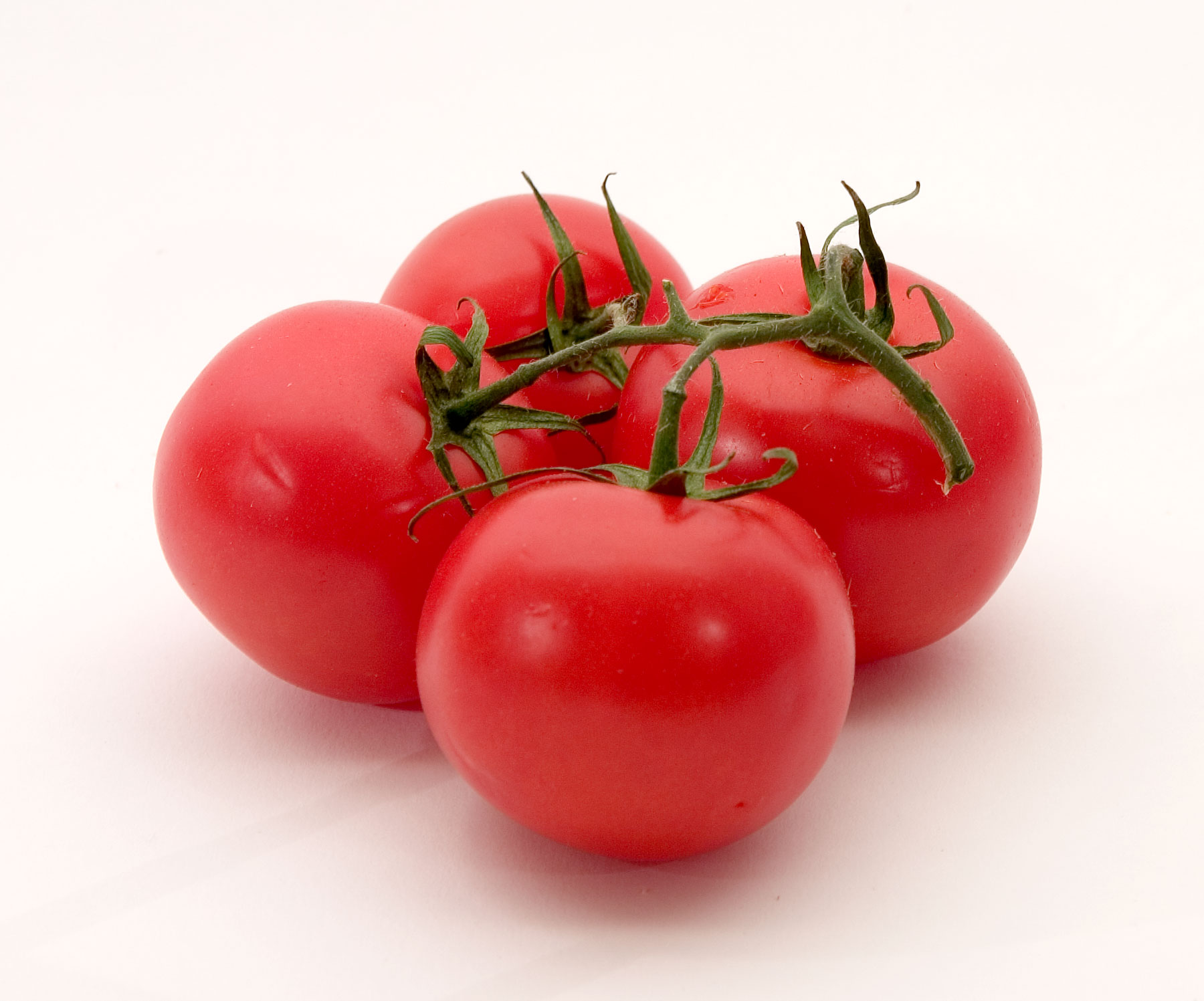
Researchers used multiplex CRISPR editing to load a tomato with seven health-promoting compounds at once, including vitamin D that ordinary tomatoes do not make. Extracts also slowed colorectal cancer cells in mice.
The Hong Kong Genome Project sequenced more than 20,000 people and found that gene panels built for European populations miss dozens of clinically important genes in Chinese patients. It is a concrete look at who current genomic medicine leaves out.
A study published this week in Nature traces how pregnancy and motherhood leave lasting marks on the brain, pinning the change on dopamine and a chemical tag it leaves on the DNA-packaging machinery. Postpartum stress can undo it.
A study of more than 900 pet dogs across the United States mapped the canine gut microbiome and built a model that reads a dog's age from its gut bacteria. Diet and even feces-eating left clear marks.
Harvard researchers built an implantable gel that traps engineered bacteria inside the body for six months while letting them sense infection and release a drug on demand. It cleared a joint infection in mice.
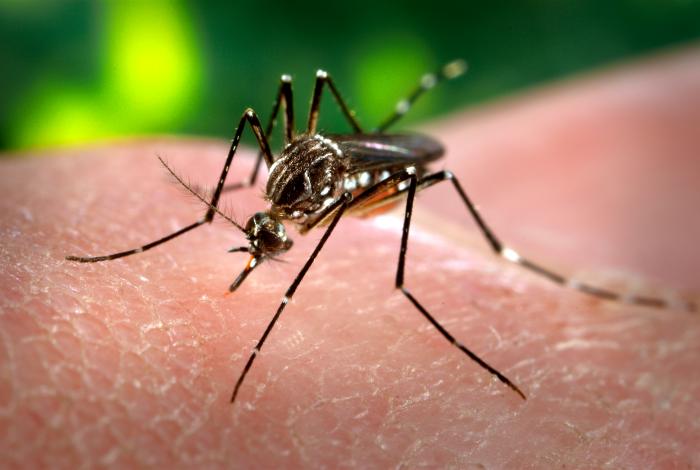
Researchers switched on every gene in the human genome, one at a time, and found one that stops Zika and related mosquito-borne viruses cold. The gene, SPART, tags the virus for early disassembly.
Root-knot nematodes secrete copies of a plant root-growth peptide that act through the plant's RGI receptors. In rice, though, removing those receptors did not shrink the feeding sites, which complicates the engineering case.
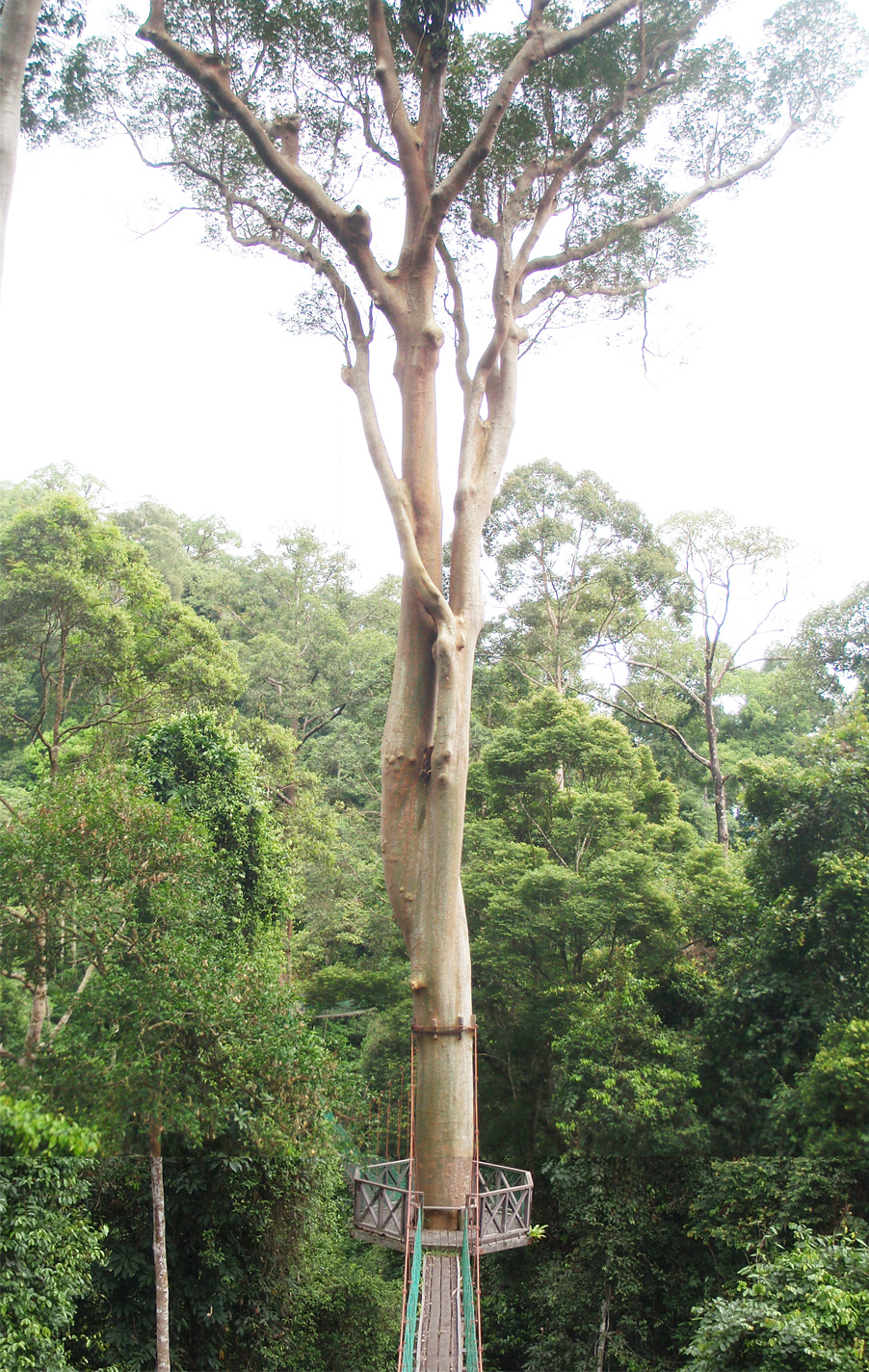
An 18-year experiment across 500 hectares of logged Bornean rainforest found that cutting woody climbing vines sped up canopy recovery more than four times faster than planting trees, at roughly a tenth of the cost.
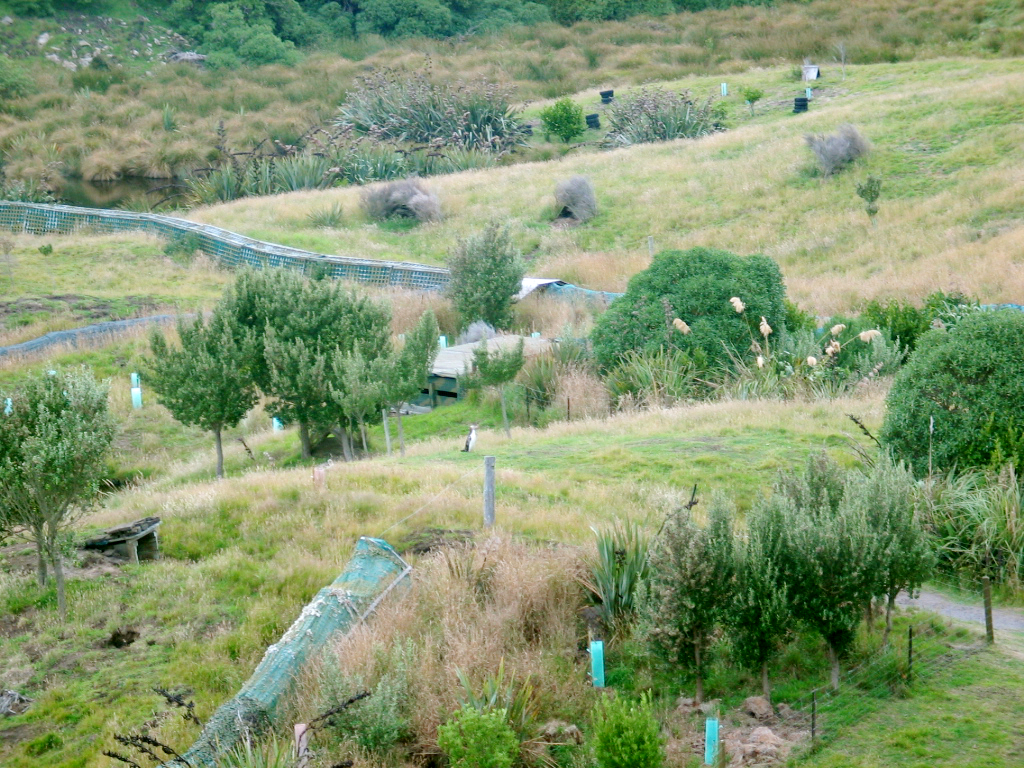
Whole genomes from 249 yellow-eyed penguins revealed three deeply divergent lineages and immune and respiratory genes tied to a deadly chick disease. The findings reshape how conservationists count and protect the species.
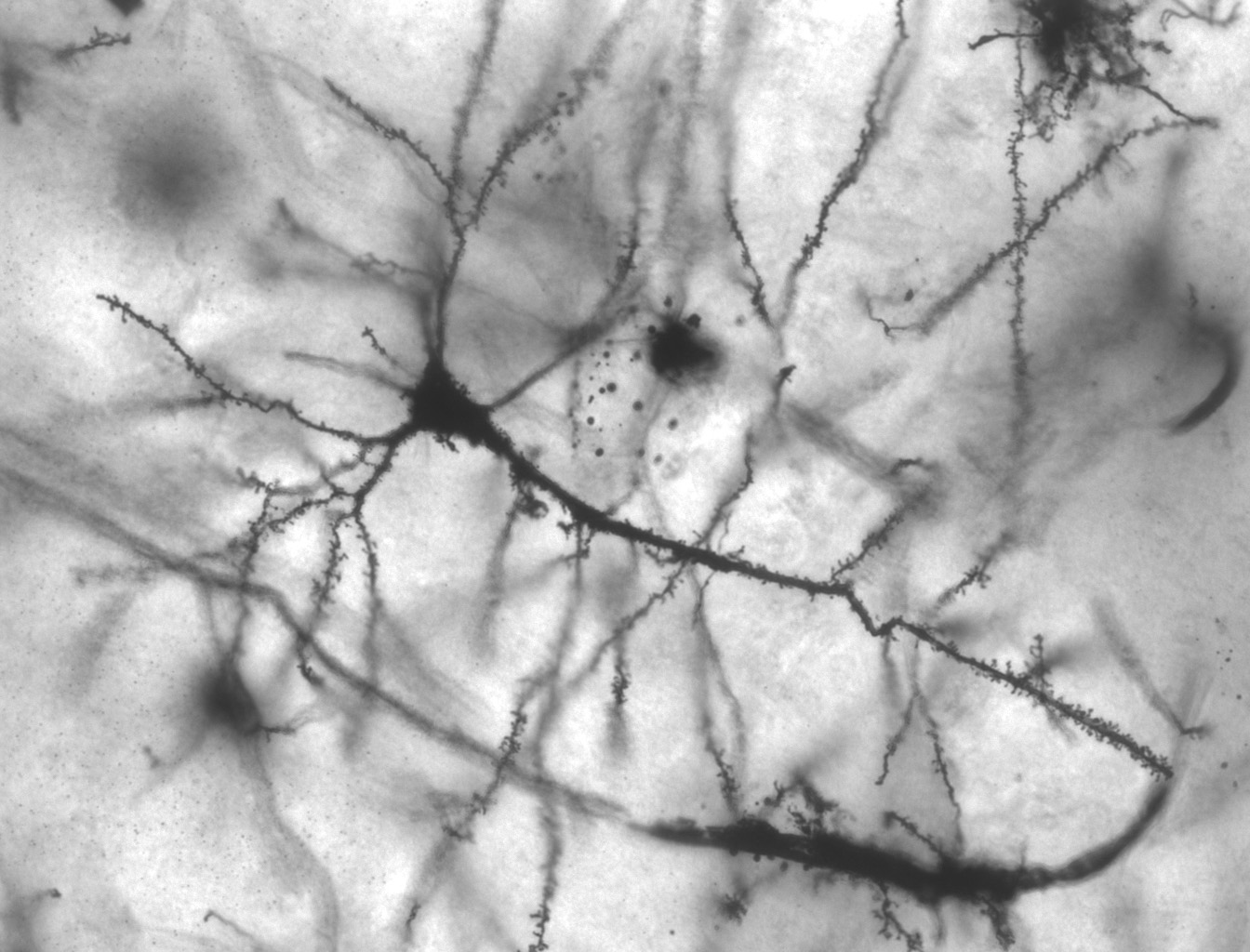
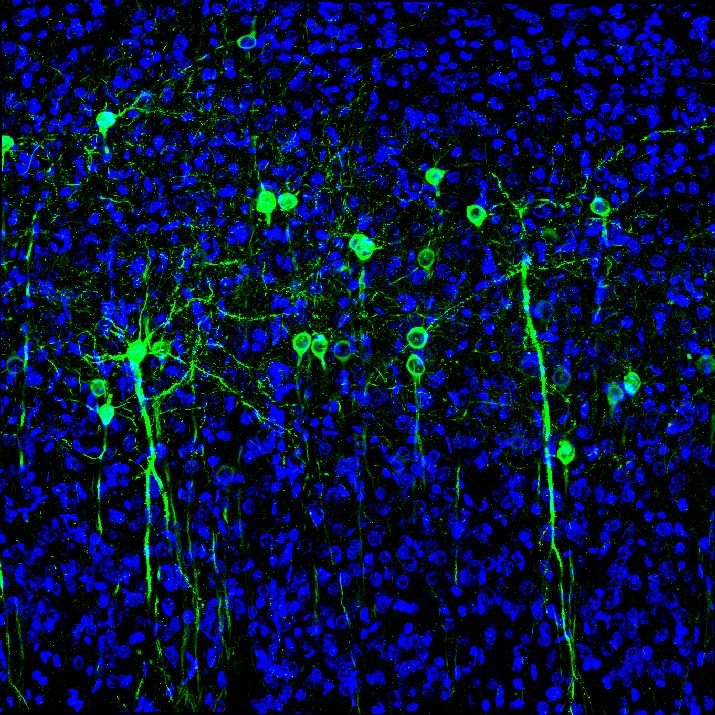
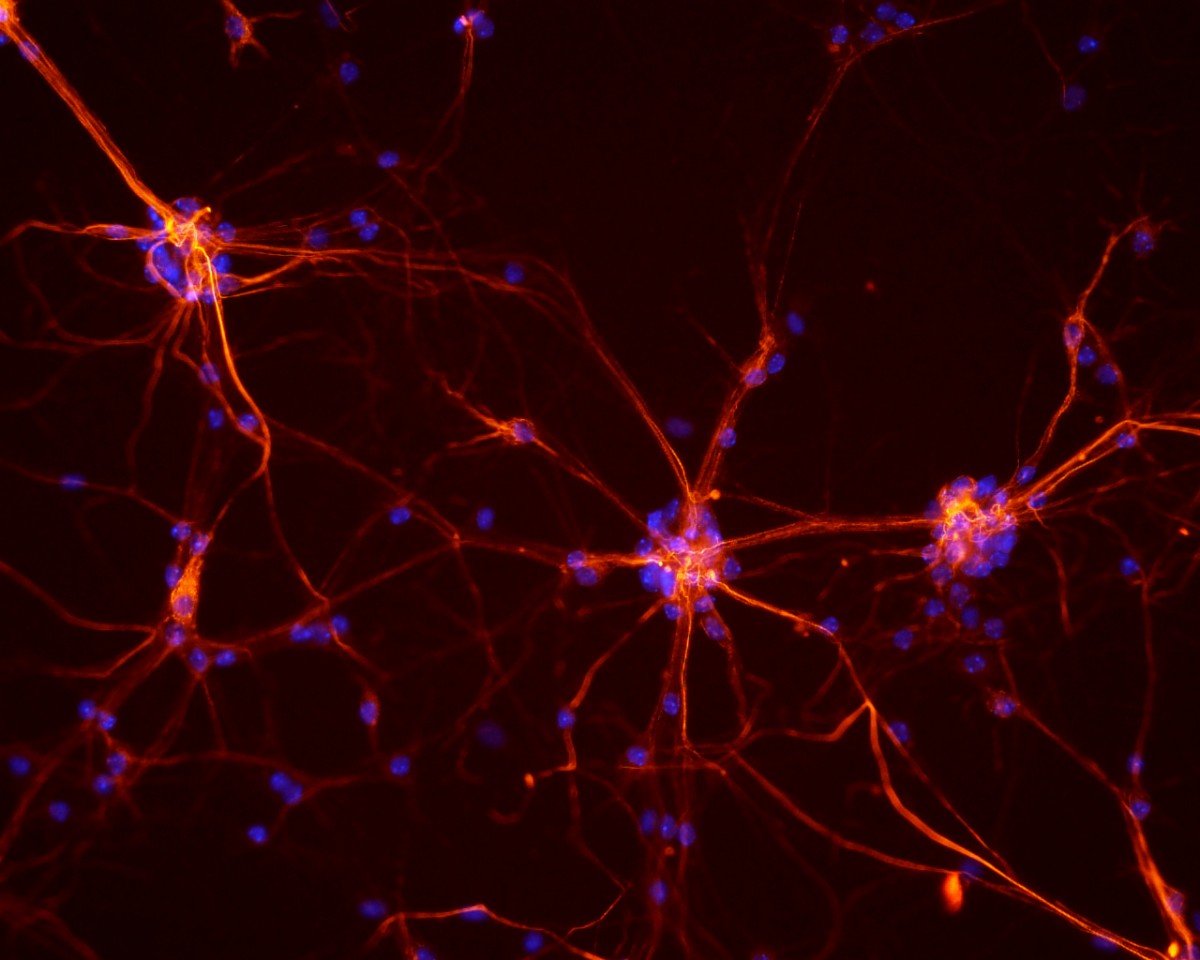
Researchers found tiny spines studding the output cable of neurons in the mouse brain, not just the input branches. These axonic spines carry excitatory synapses that help launch a neuron's electrical signal.
A protein called TDP-43 clumps up inside dying motor neurons in ALS. A new study in Science shows that short, specific RNA molecules can coax it into a shape that resists aggregation, easing disease signs in mice.
A study of more than 16,000 tumor genomes finds that most cancers carry no real microbial signature. The clear exception is cancers of the mouth and digestive tract, which host whole communities of bacteria, fungi, viruses and even a parasite.
Researchers loaded plant thylakoids into corneal cells so that light itself powers the cells' energy and antioxidant chemistry. In lab models the borrowed machinery cut oxidative stress and inflammation.
A trimer-on-liposome HIV vaccine drove all immunized monkeys to make antibodies that neutralize divergent HIV strains, and the antibodies hit the same vulnerable spot on the virus that rare human antibodies target.
A new Nature Plants study finds that cadmium, copper and zinc can switch on a plant immune receptor in the root, sharpening defense against a devastating bacterial disease. A second, paired receptor keeps that response in check.
Engineers built a small sensor that clips onto brain-fluid drains in the ICU and tracks glucose, lactate, pH, and flow continuously. In patients, it caught changes that usually wait hours for the lab.
A study of 31 million occurrence records finds that more than half of the world's known tree species have been moved outside their native ranges. Many carry traits that make them likely invaders.
Colorectal cancer is rising fast in people under 50, and no one is sure why. A new study read chemical marks on tumor DNA and found the herbicide picloram turning up more often in the youngest cases.
Patients under general anesthesia had electrodes recording from the hippocampus. The neurons kept tracking speech, predicting upcoming words, and even learning over the course of ten minutes.
A common gut bacterium picked up an extra gene that lets it tolerate oxygen. The trait shows up in people from industrialized countries but is missing from traditional and ancient populations, hinting at a very recent evolutionary shift.
Researchers reprogrammed a common gut bacterium to clear ammonia and rebalance amino acids in mice with hepatic encephalopathy, outperforming a standard antibiotic without disrupting the gut microbiome.
Researchers pulled a set of human antibodies from a vaccinated donor's B cells and mapped exactly where they grip the measles virus. Several neutralized the virus at picomolar strength and protected animals before and after exposure.
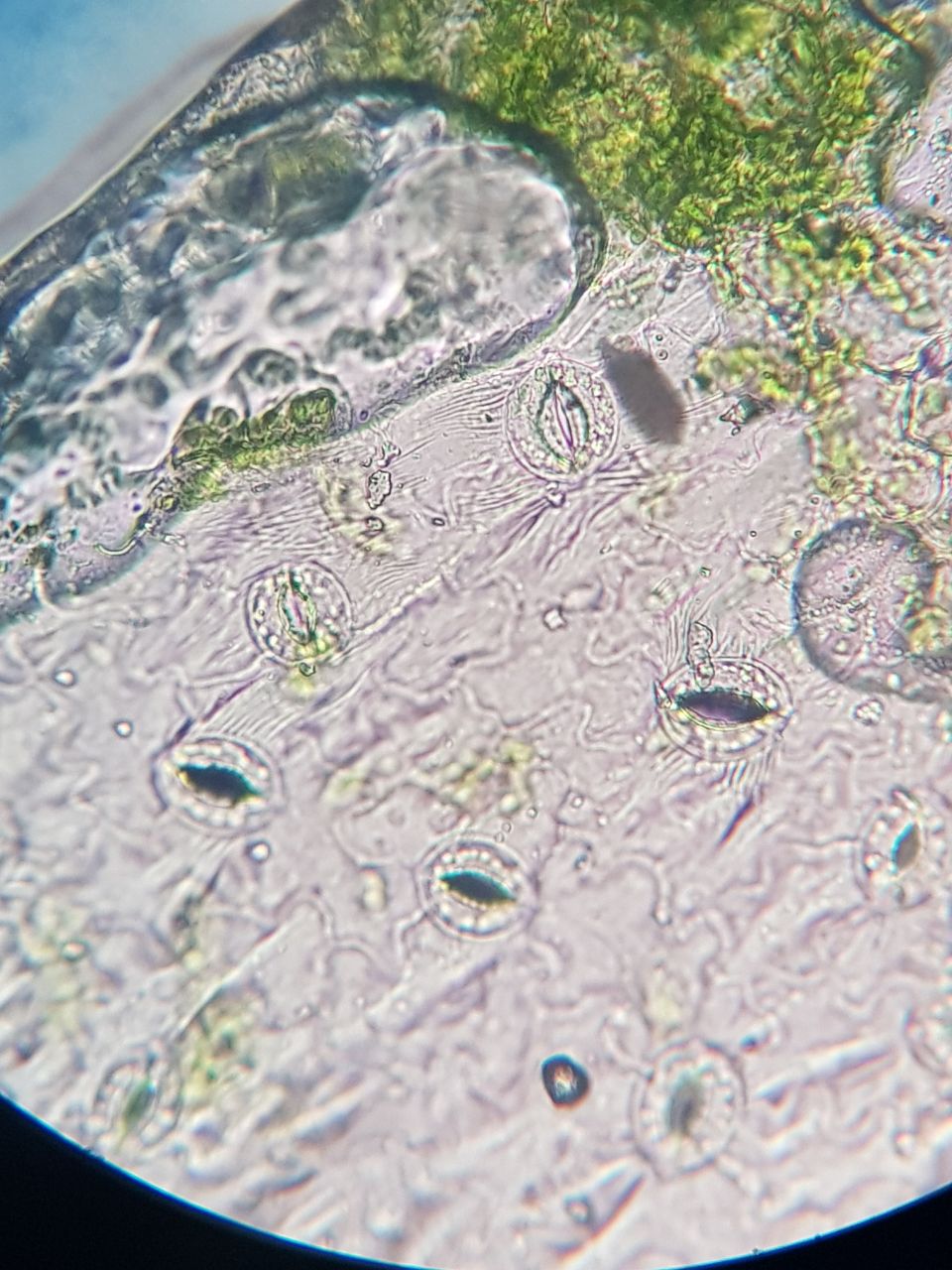
A plant immune receptor long assumed to punch holes in the cell surface actually docks on the chloroplast and drains calcium from it to trigger defense. The trick appears to be about 360 million years old.
In a small pilot study, a wrist-worn health monitor flagged the dangerous inflammatory reaction to CAR-T therapy in myeloma patients about seven hours before hospital staff recognized it.
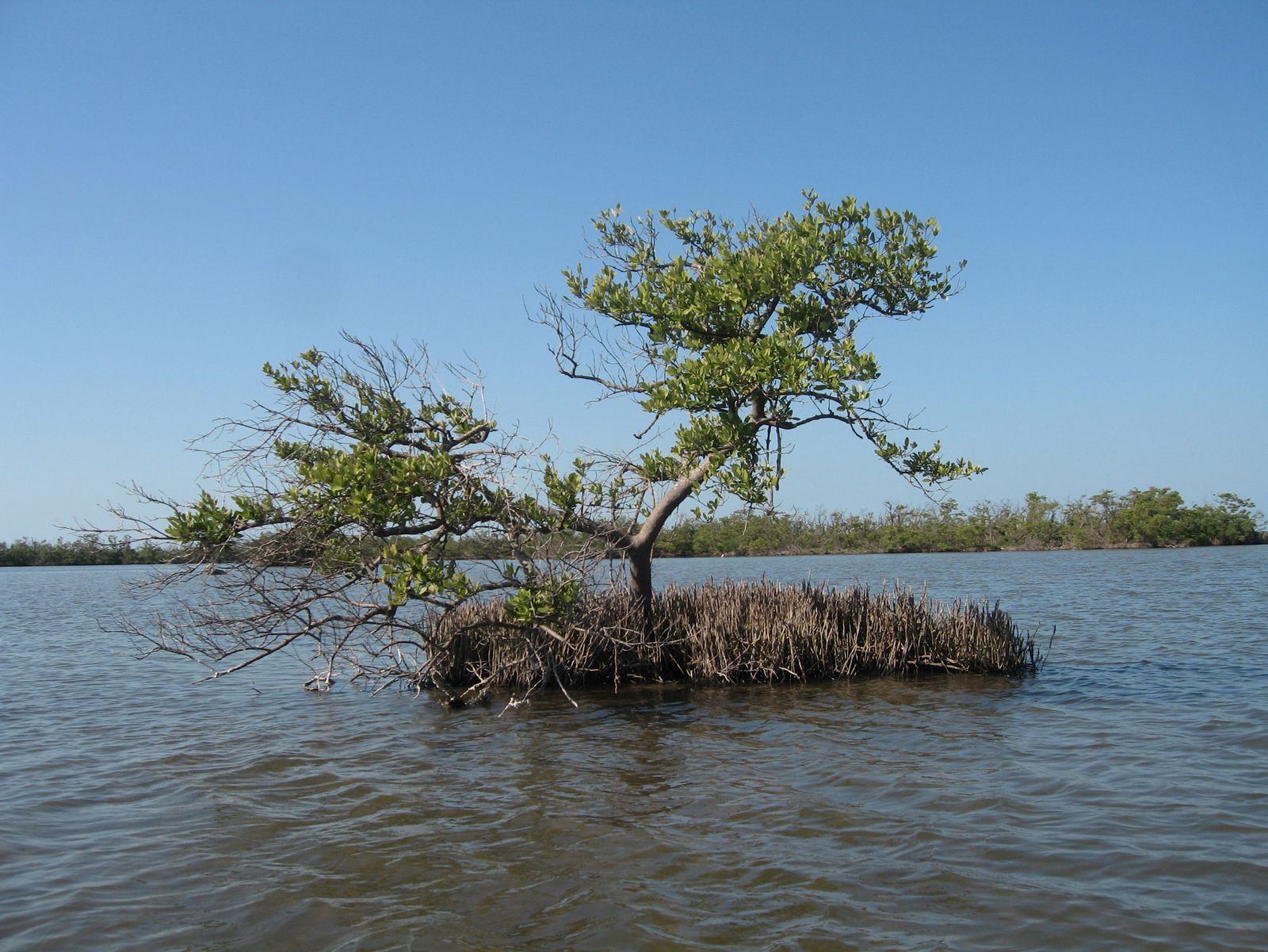
A modelling study finds that one mangrove genus, Avicennia, traps far more mud than its neighbors, mostly because of its dense mat of breathing roots. The result matters for how coastlines keep pace with rising seas.
A genome-wide study of nearly 28,000 people on GLP-1 weight-loss drugs found a variant in the drug's own target gene that predicts how much weight a person sheds, and another that predicts nausea.
A team in California built a two-way brain-computer interface that let a patient steer a walking exoskeleton with their thoughts while feeling artificial sensation in their legs. It is an early proof of concept, tested in one person.
A Penn State team watched the cortex shift inside the skulls of awake mice and traced the movement to an unexpected source: contractions of the abdominal muscles. The brain, it turns out, is mechanically wired to the belly.
A bacterium that hates oxygen turns out to manufacture its own. New work shows enterotoxigenic Bacteroides fragilis reprograms the gut lining to release lactate and oxygen, building the exact niche it needs to grow.
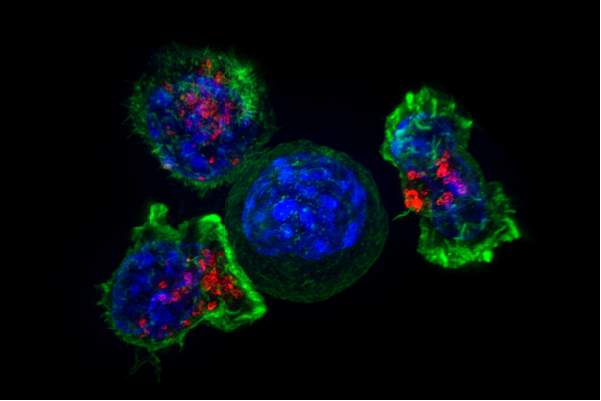
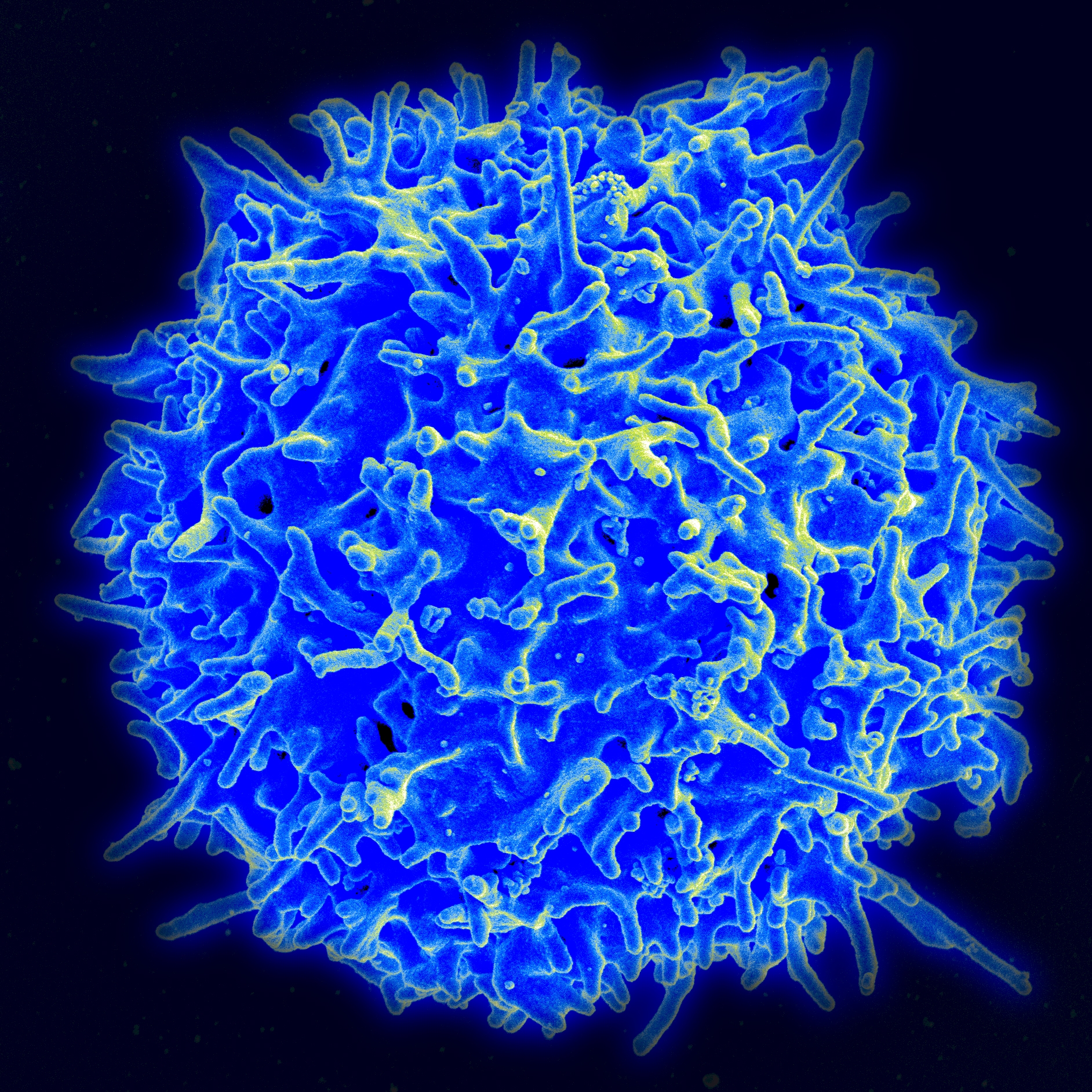
A University of Pittsburgh team found that T cells collected after a meal are metabolically primed to mount stronger immune responses than fasted T cells — an effect that persists for days and could change how researchers time vaccinations and engineer CAR-T therapies.
McGill researchers used a fast click chemistry reaction to crosslink red blood cell proteins, producing engineered clots that gel in five seconds and resist tearing thirteen times better than natural ones — a promising direction for severe bleeding control.
Researchers built a genetic switch that turns a target gene on inside a living mouse using an electromagnetic field, and traced how cells sense the field. They demonstrated it in aging, Alzheimer's, and depression models.
Immunologists assumed mRNA vaccines rely on one specialized dendritic cell to arm killer T cells. A new Nature study in mice finds they use a redundant, backdoor route instead, which may explain why they hit targets the vaccine never encoded.
UC Irvine researchers restored vision in aged mice by injecting a single very-long-chain fatty acid into the eye, bypassing a declining aging-linked enzyme and reversing retinal markers of old age.
A previously unknown virus living inside the common gut bacterium Bacteroides fragilis shows up roughly twice as often in people with colorectal cancer — a clue that could reshape screening and reopen a long-standing paradox in cancer microbiology.
A 289-million-year-old reptile preserved with skin, cartilage, and even protein remnants has given paleontologists their earliest direct look at rib-powered breathing — the system that let early amniotes thrive on land.
Chinese researchers traced why one rice subspecies kept a bacterial-blight resistance gene while another dropped it. Putting the gene back into the wrong variety wrecked its yield, and the fix came from combining two immune layers.
Researchers tracked several tau proteins in blood and spinal fluid across the full arc of Alzheimer's disease. Different markers light up at different stages, which could let a single blood draw tell doctors where a patient sits in the disease.
A study of more than 14,000 US rivers finds that streams rich in mayflies, stoneflies and caddisflies are home to far more insect-eating birds. It suggests protecting freshwater pays off on land too.
A Dutch trial of 1,610 patients tracked what happens when cancer drugs are prescribed off-label based on a tumour's genetics. The overall benefit was modest, but a defined few responded dramatically, and the data fed real reimbursement decisions.
Stanford researchers traced a complete spinal cord-to-brain-to-spinal cord loop that specifically drives chronic pain in mice. Silencing any node erased the lasting hypersensitivity while leaving normal pain intact.
A global survey of 1,602 soil samples finds that where soil life is more diverse, human bacterial pathogens are scarcer. The map also flags croplands and wet climates as hotspots.
A team including CRISPR pioneer Jennifer Doudna built cancer-fighting CAR-T cells directly inside living mice, inserting the therapeutic gene at a precise spot in the genome without any lab manufacturing step.
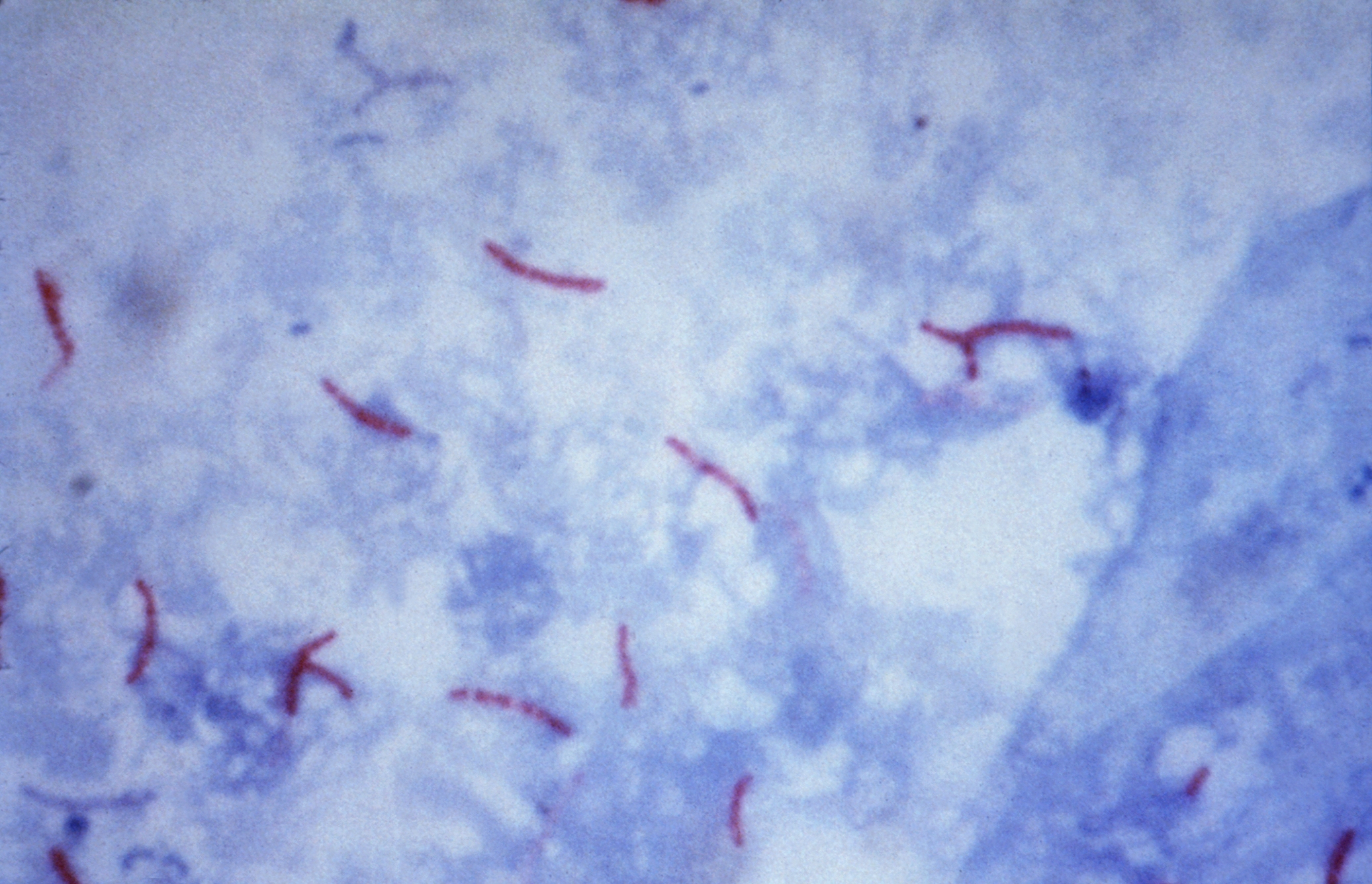
A new study finds that cholesterol piling up inside infected lung cells traps the machinery that alerts the immune system to tuberculosis. Clearing that fat helped mice fight the infection.
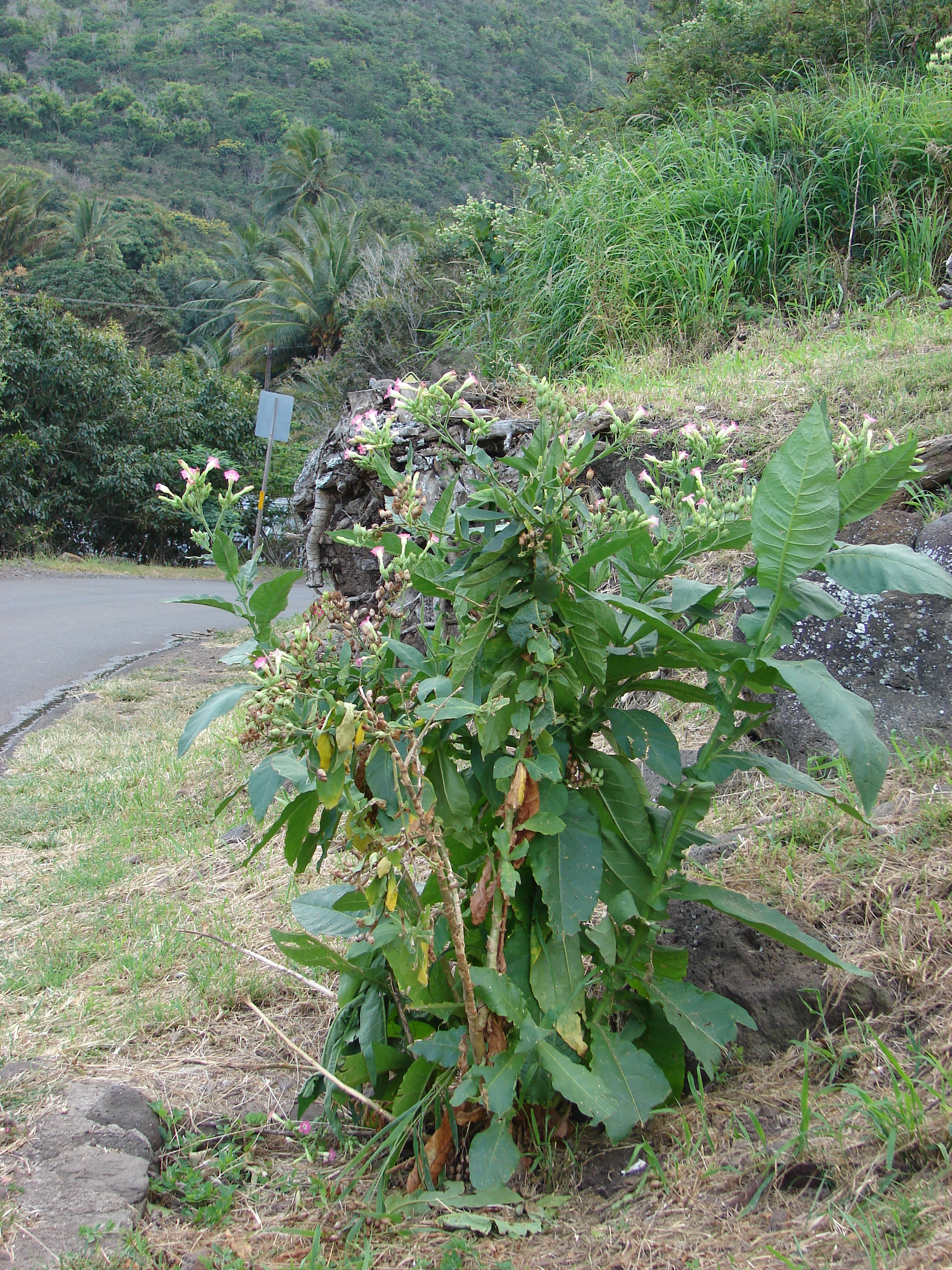
Researchers have worked out every enzyme step tobacco uses to make nicotine, and found the reactions happen inside a five-protein cluster docked on the plant's vacuole. Moving the pathway into other plants made them resistant to pests.
Researchers profiled nearly 3,000 blood proteins in 2,760 women and found 198 that shift across the menstrual cycle. A 75-protein score can read the cycle phase straight from plasma.
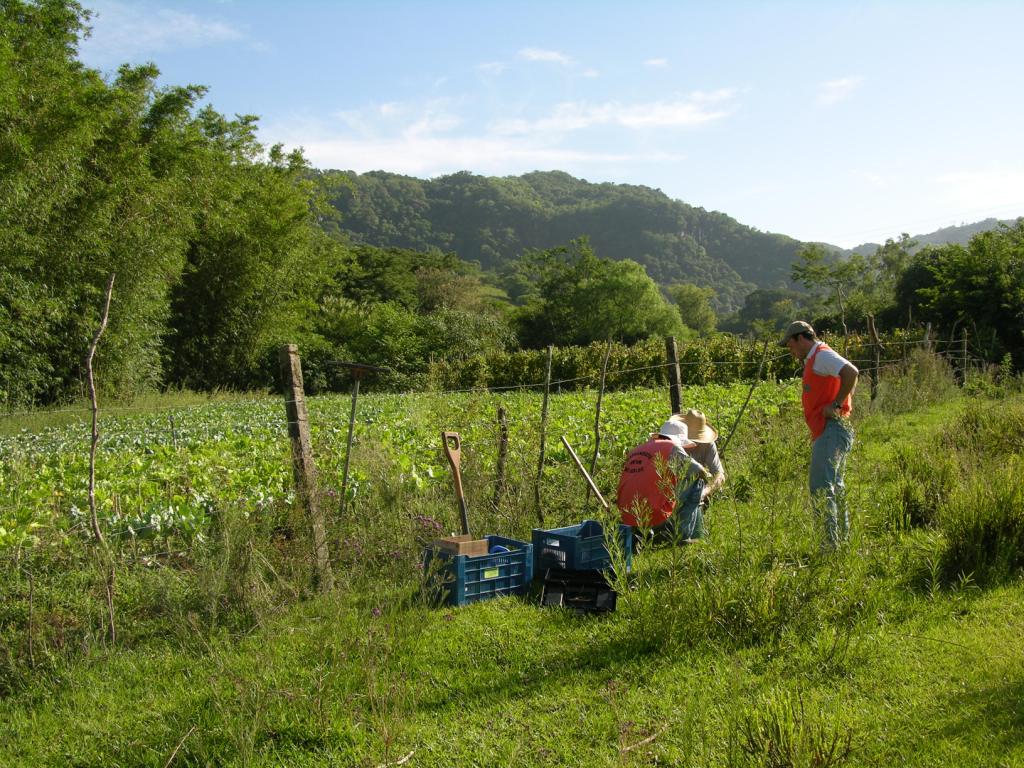
A study tracking 16 groups of plants, animals and fungi in Ecuador found that abandoned rainforest can regain over 90% of its abundance and diversity within about 30 years. The catch: full recovery of species composition still takes decades longer.
In a phase 1-2 trial, doctors base-edited patients' own blood stem cells to switch hemoglobin production back to the fetal form. Across 31 people with sickle cell disease, none had a severe pain crisis after treatment.
A study in mice pins the switch between holding onto a fear and letting it go to a single molecule, neuropeptide Y, released by a specialized class of inhibitory neurons in the hippocampus.
Gut bacteria convert oleic acid, the fat that dominates olive oil, into a molecule that binds a host receptor and shields mice from colitis. It hints at a diet-to-microbe-to-host chain we could exploit for gut inflammation.
Researchers engineered a genetically encoded device called TimeVault that captures and stores a cell's RNA inside itself for later readout. It kept a stored transcriptome intact for more than a week and exposed how lung cancer cells slip past a targeted drug.
A vaccine protected mice against a Sudan virus surrogate even though the animals had no virus-neutralizing antibodies. The work traces survival to IFN-gamma-secreting CD4 T cells rather than the antibodies vaccine developers usually chase.
Researchers knocked out a growth-regulating gene in tomato and got plants that resist the destructive leafminer Tuta absoluta. Yield and growth stayed normal, sidestepping the usual trade-off between defense and productivity.
Researchers built a blood-based test for Epstein-Barr-driven Burkitt's lymphoma and tested it in children across Tanzania and Uganda. It cut the wait for a diagnosis from about seven weeks to under a week.
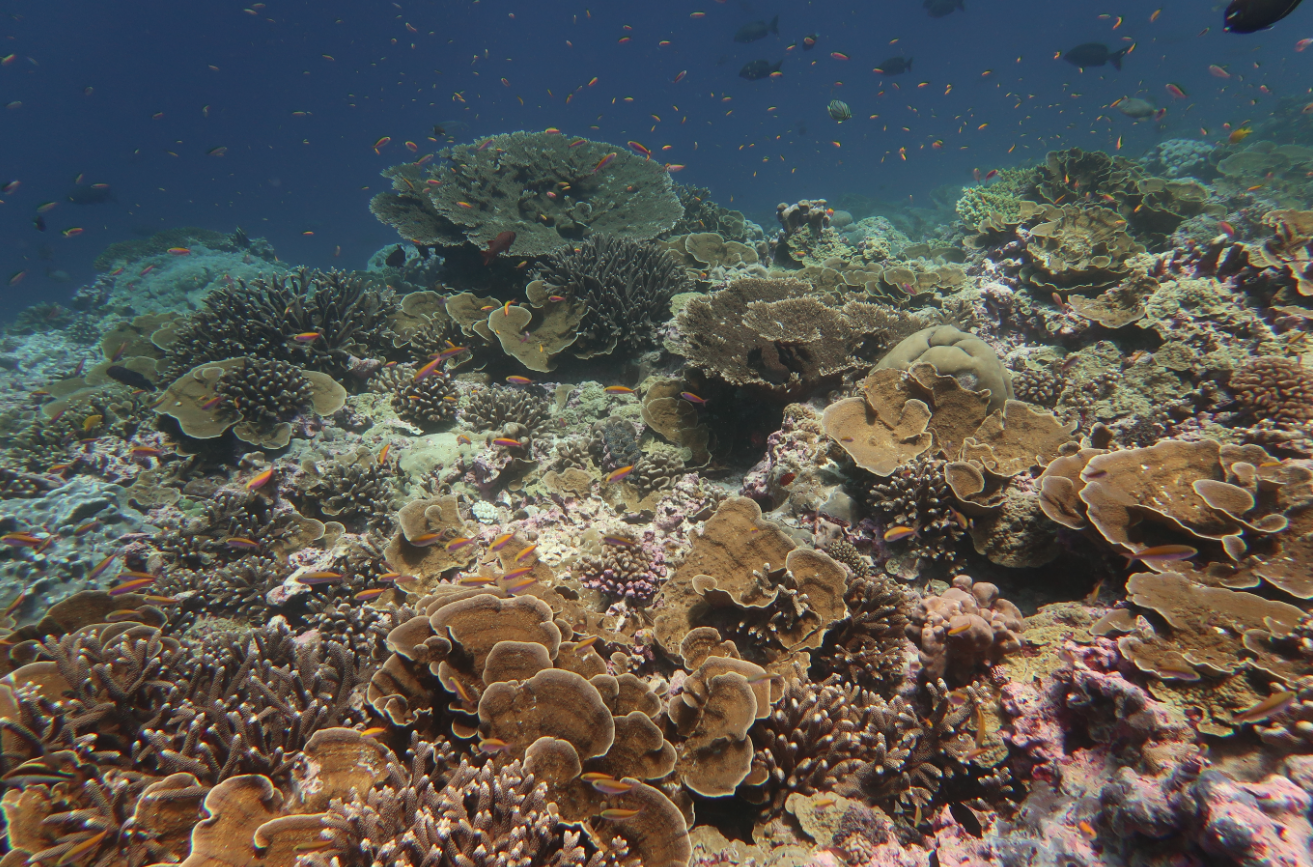
Indo-Pacific coral reefs pump out far more fish than Caribbean reefs of similar coral cover. A global survey pins much of that gap on a small group of fish that eat gelatinous plankton.
Researchers linked genomes to health records for nearly 94,000 patients across 36 ancestry groups at UCLA. The tools meant to predict disease worked far worse outside European ancestry, and even a popular weight-loss drug showed different effects by ancestry.
A study of 203 people aged 8 to 25 found that grid-cell-like patterns in the entorhinal cortex sharpen with age, and that sharpening tracks how well someone reasons and scores on intelligence tests.
A chromosome-level genome of the deep-sea glass scallop reveals how it lost its eyes, retooled its immune system, and struck a deal with sulphur-eating bacteria that live on its gills.
Researchers modeled where nearly 10,000 naturalized alien plants could spread by 2100. A third of Earth's land is already suitable, and warming will push the worst hotspots into cooler regions.
Researchers infected volunteers with influenza and captured the live virus they breathed out. The amount one person released could be a thousand times higher than another's.
Six devastating rice fungi all target the same host protein, SnRK1beta1A. Disabling that gene made rice resistant to all of them, with no yield cost in field trials.
Scientists found a patch of mouse motor cortex that assembles separate hand and mouth movements into the smooth act of eating. Two cell types split the job: one drives the movements, the other times them.
A synthesis of 32 species finds that most life across the Pacific Northwest was hurt by the record 2021 heat dome, but the damage was wildly uneven. Sessile marine creatures fared worst; birds and mammals often coped.
A Dutch cancer center sequenced the full tumor genome of 888 patients as routine care. The single test changed treatment for 41 percent of them, and patients who got a genome-matched drug lived longer.
Weekly research updates, breakthrough summaries, and new articles — straight to your inbox. Free, always.