
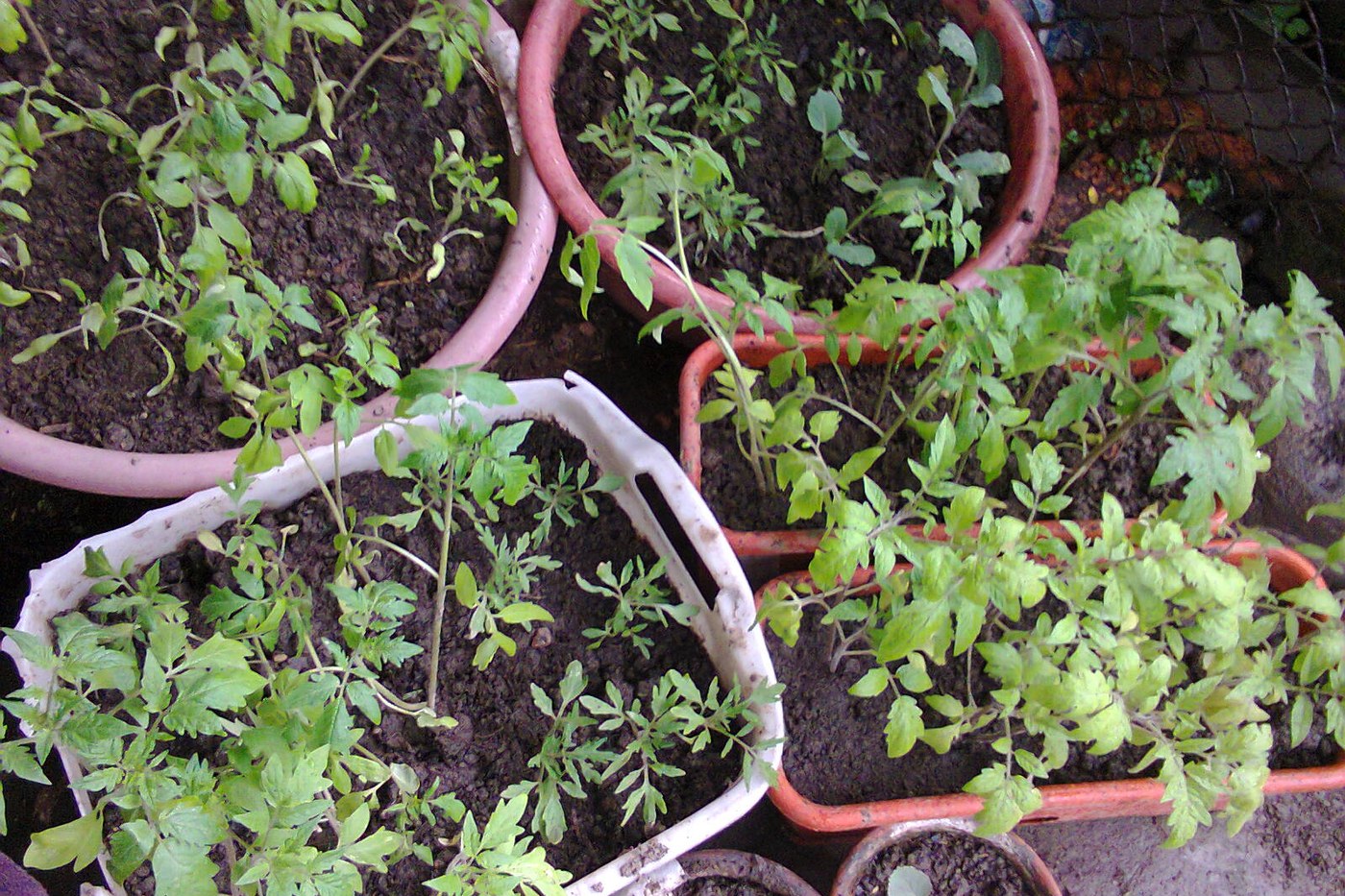
Cold weather is bad news for a maize seedling in more ways than one. It slows growth directly. It also chokes off the plant's ability to pull phosphate out of the soil, one of the three nutrients farmers pour on fields by the ton. So a cold snap early in the season leaves plants both stunted and hungry, and it pushes growers to compensate with more fertilizer.
A team at China Agricultural University has now traced a big part of that double penalty to one protein, and then rebuilt the protein to keep the good behavior and drop the bad. The work appeared in Nature on 25 February.
One enzyme, two opposite jobs
The protein is an E3 ubiquitin ligase called NLA, short for NITROGEN LIMITATION ADAPTATION. E3 ligases are the cell's tagging machinery. They attach a small marker to other proteins to mark them for destruction, which is a fast way to switch pathways on or off.
NLA turns out to sit at a crossroads between two systems that plant biologists usually study separately: cold signaling and phosphate balance. When it gets cold, NLA degrades a repressor protein named JAZ11. Clearing JAZ11 out of the way switches on jasmonate signaling, a hormone pathway that helps the plant tough out low temperatures. That is the useful job.
The problem is the second job. The same enzyme also tags a phosphate transporter called PT4 for destruction, and it does this using inositol polyphosphate molecules as a chemical cue. Fewer PT4 transporters means less phosphate coming in. So the plant's own cold-defense enzyme is simultaneously sabotaging its nutrient intake. The authors describe it as a built-in trade-off, wired into a single molecule.
They got a first hint of how to break the trade-off from natural genetic variation. Scanning maize lines, they found a version of the PT4 transporter carrying a single amino acid change, a lysine swapped for alanine at position 267. That variant resists NLA's tagging and lets more phosphate through under cold conditions. Useful, but it only fixes one side of the equation.
Redesigning the protein by computer, then by gene editing
Instead of editing the transporter, the researchers went after NLA itself. The goal was a version that would still degrade JAZ11 (keeping cold tolerance) but could no longer respond to the inositol polyphosphate cue that drives it to attack the phosphate transporter.
They used AI-guided structural modeling and ligand docking to figure out which part of NLA reads that cue, then used genome editing to make a small deletion, which they call the delta-12 modification. The edited enzyme loses its grip on inositol polyphosphate but hangs onto JAZ11. In effect they split one protein's two functions apart and kept only the one worth keeping.
The payoff showed up where it counts. In multi-site field trials, plants carrying the edited allele had better cold resilience, higher phosphorus use efficiency, and increased yield. That combination is exactly what breeders want, because it points toward crops that both weather a cold spring and get more out of the phosphate already in the soil.
Worth keeping in perspective
A few things are worth flagging before anyone plants this at scale. The paper reports field trials but does not, in the abstract, span the many years and diverse environments needed to know how a rewired NLA behaves across seasons, soils, and maize backgrounds. Redirecting a regulatory hub can carry side effects elsewhere in the plant that a single season may not reveal. And a genome-edited crop still has to clear the regulatory and public-acceptance path that varies a lot by country.
Even so, the strategy is the interesting part. Rather than knocking a gene out or dialing it down, the team surgically separated two jobs that evolution had fused together. Phosphate is a finite, mined resource, and runoff from over-fertilized fields fouls waterways. A plant that squeezes more from less, while shrugging off the cold, is a good target to aim at.
Liao, H. et al. "Rewiring an E3 ligase enhances cold resilience and phosphate use in maize." Nature, 2026. doi.org/10.1038/s41586-026-10142-1
PubMed PMID: 41741638.
Photograph: Suglo20, CC BY-SA 4.0, via Wikimedia Commons.
Comments