


Some genetic diseases come down to a single wrong letter. A C flips to a T somewhere in a gene, and a codon that should have spelled out the amino acid arginine instead spells STOP. The ribosome, reading along, hits that premature stop and quits early. The protein it was building never gets finished. For the cell, a half-made enzyme is often no enzyme at all.
These are called nonsense mutations, and they cause a long tail of rare disorders. A team at the University of Massachusetts Chan Medical School, led by Dan Wang, has been chasing a fix that doesn't care which gene is broken. Their approach, reported in Nature Biotechnology, is a re-engineered transfer RNA that reads straight through the false stop signal and lets the ribosome finish the job.
Why one particular stop codon is worth targeting
Transfer RNAs are the molecules that match genetic codons to amino acids. A suppressor tRNA is one that has been altered to recognize a stop codon and slot in an amino acid instead of halting translation. The appeal is that it works at the level of the code itself, not the gene. In principle one tRNA could treat many different diseases that share the same mutation type.
The authors zeroed in on a specific and common failure mode. Roughly 20 percent of all human pathogenic nonsense variants come from the same chemical event: a C-to-T transition that turns the CGA arginine codon into a UGA stop. That is a large slice of patients pointing at one target. A suppressor tRNA tuned to UGA could, in theory, matter across a whole set of unrelated conditions.
There was a catch. Researchers had already shown that a suppressor tRNA aimed at a different stop codon, UAG, could be delivered inside the body using an adeno-associated virus, the workhorse vector of modern gene therapy. Moving the same trick to UGA turned out to be harder. The UGA-targeting tRNA gene did not package cleanly into the virus, and vector production stumbled.
Engineering the gene so the virus would carry it
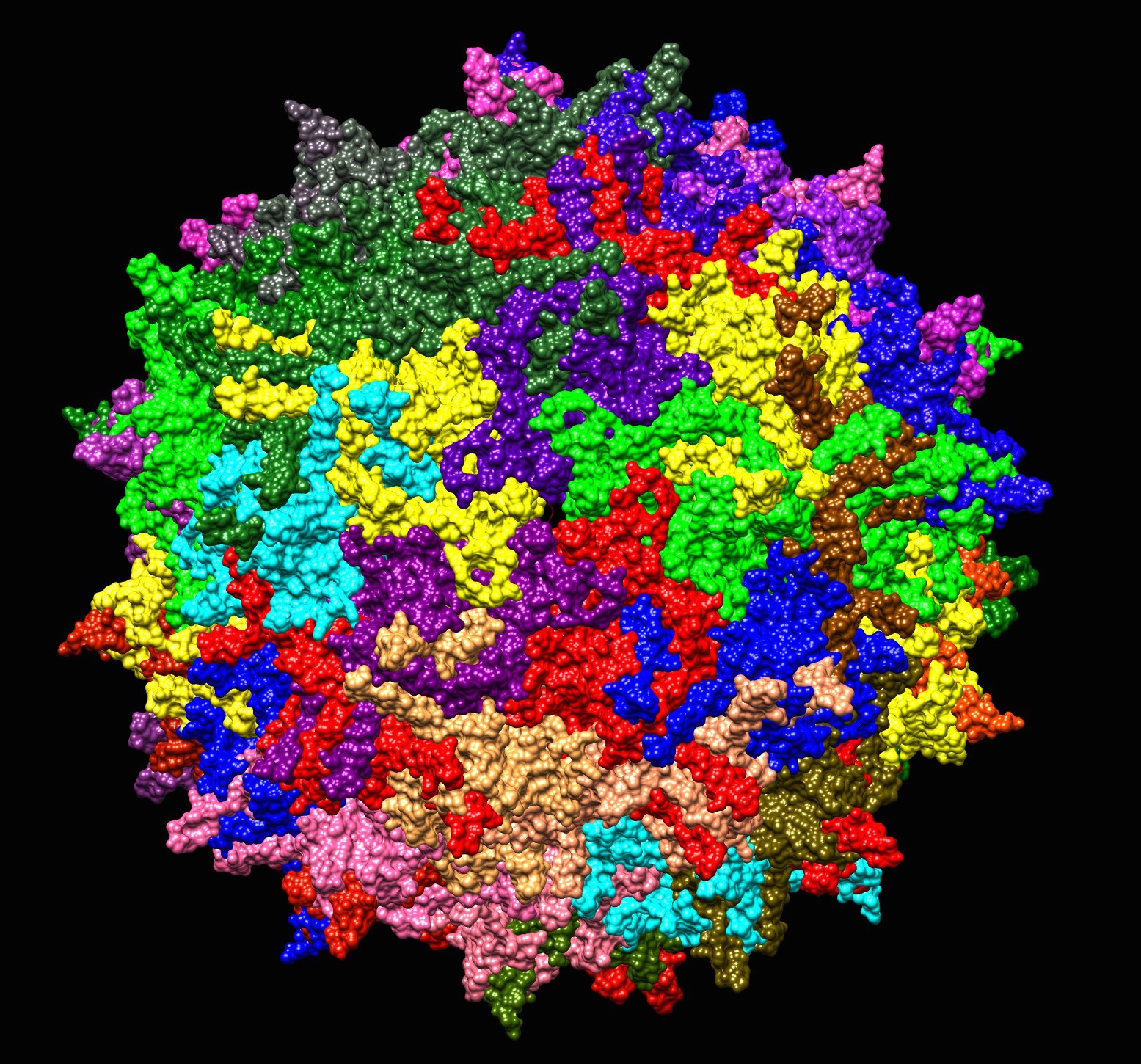
The fix was in the design of the tRNA gene rather than the tRNA itself. The team rebuilt the gene with added transcriptional regulatory elements, the DNA switches that control how a gene is read. That version packaged efficiently into recombinant AAV and could be produced at usable scale.
Then they tested it in mice. The models were two different lysosomal storage disorders, the kind of inherited disease where a missing enzyme lets waste build up inside cells. A single dose of the virus carrying the engineered tRNA restored enzyme activity to about 10 percent of normal levels in both models. That is not a full correction. But for many of these enzyme-deficiency diseases, clawing back even a fraction of normal activity can shift a patient away from the most severe end of the spectrum.
One of the more useful findings was about variation between tissues. The suppressor tRNA was expressed and charged with its amino acid at different rates depending on the tissue, and those differences tracked with how much therapeutic benefit each tissue got. That is a practical clue for anyone trying to steer this kind of therapy toward the organs that need it most.
What ten percent does and doesn't tell us
This is mouse work, and the gap between a mouse enzyme readout and a treated patient is wide. The paper does not claim a cure. Ten percent restoration is a starting point, and the authors are clear that expression varied across tissues, which means some organs will be easier to reach than others. Read-through strategies also raise a general question the field keeps returning to: whether a tRNA that ignores one stop codon might occasionally read through legitimate stops elsewhere, and what that does over time. Those safety questions live outside the scope of a single enzyme measurement.
What the study does establish is that the UGA barrier, the reason this common mutation class was harder to address, can be engineered around. Package the right gene the right way, and the virus will carry it. Given that one in five pathogenic nonsense mutations funnels into this exact codon change, a delivery route that finally works for UGA widens the door for a disease-agnostic tool that treats the error, not the gene.
Xu, M. et al. "An engineered UGA suppressor tRNA gene for disease-agnostic AAV delivery." Nature Biotechnology, 2026. doi.org/10.1038/s41587-025-02982-5
PubMed PMID: 41555020.
Photograph: Jazzlw, CC BY-SA 4.0, via Wikimedia Commons.
Comments