

Imagine failing a breathalyzer after a plate of pasta. Not a beer, not a cocktail. Just carbohydrates and a gut full of the wrong bacteria. That is the reality for people with auto-brewery syndrome, a condition in which microbes in the digestive tract ferment food into ethanol and pour it into the bloodstream. Patients can register blood alcohol levels that would get a driver arrested, all without touching a drink.
The syndrome is real but rarely diagnosed, and until now the microbiology behind it was mostly guesswork built on scattered case reports. A study published in Nature Microbiology on January 8 puts numbers to it. Cynthia L. Hsu and colleagues followed 22 patients with auto-brewery syndrome alongside 21 unaffected people who lived in the same households. That household comparison matters. It helps rule out diet and environment as the explanation, since partners eating similar food and sharing the same kitchen did not brew alcohol internally.
Catching the fermentation in a dish
The team did not just take patients at their word. They collected fecal samples and tested what those microbial communities actually did in the lab. Samples taken from patients during a flare produced more ethanol in vitro than samples from their unaffected partners. When the researchers hit those same samples with antibiotics, ethanol production dropped. That is a clean cause-and-effect signal. Kill the bugs, kill the brewing.
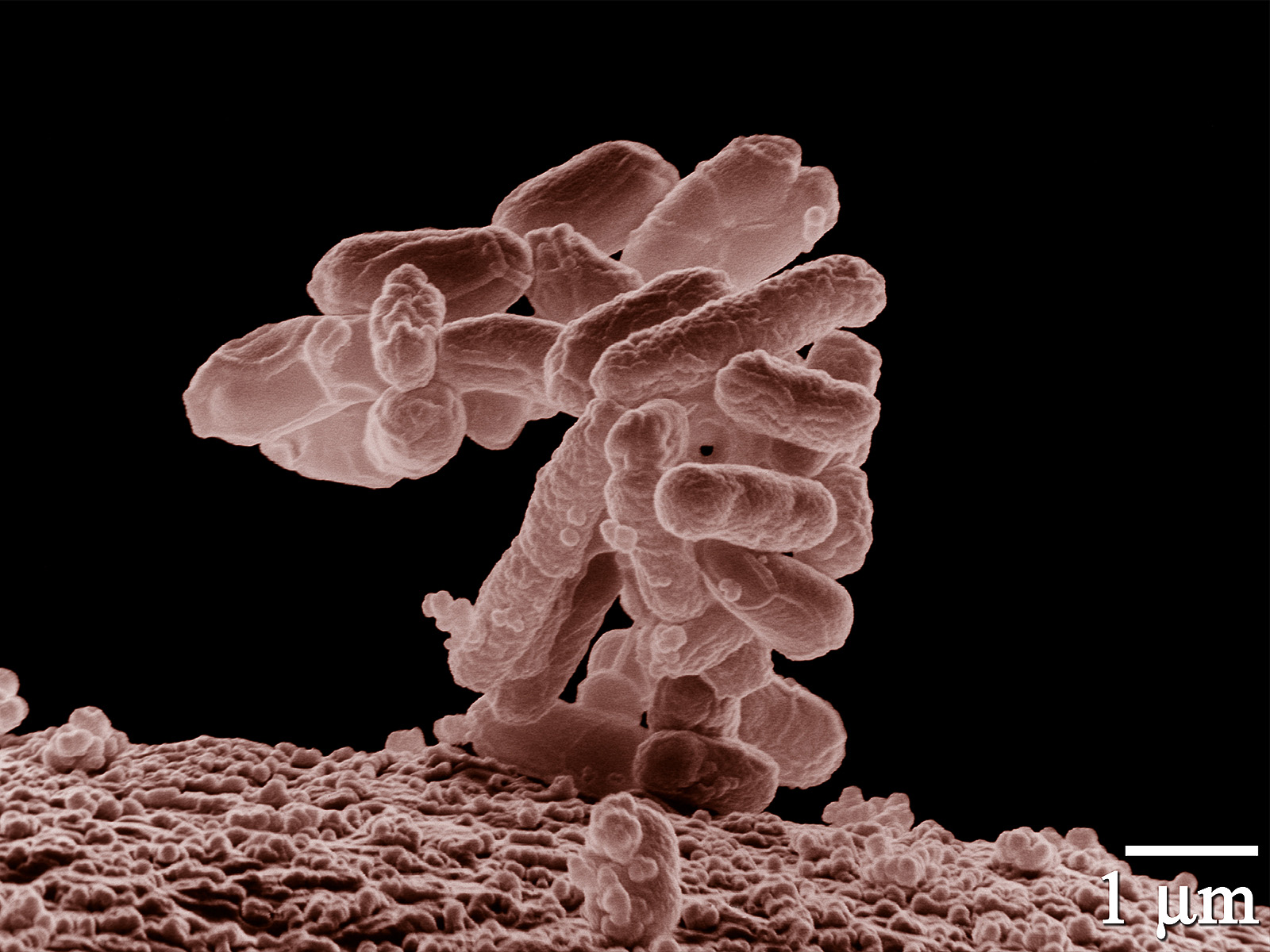
To find out which microbes were responsible, the researchers ran metagenomic sequencing on the gut communities. Patients showed an enrichment of Proteobacteria, a group that includes some very familiar names: Escherichia coli and Klebsiella pneumoniae. Neither is exotic. Both live quietly in plenty of healthy guts. The difference in these patients seemed to be less about which species were present and more about what those species were doing.
The metabolic machinery of an internal still
Sequencing the genes present in each patient's gut revealed which fermentation pathways were switched on. Three showed up more often in people with the syndrome: the mixed-acid fermentation pathway, the heterolactic fermentation pathway, and the ethanolamine utilization pathway. These are the biochemical routes that let bacteria turn sugars into alcohol and acids. In the affected guts, that machinery was overrepresented.
The chemistry left a second fingerprint. Metabolomic analysis of the fecal samples found elevated acetate, a small acid molecule tied to fermentation. Acetate levels tracked with patients' blood alcohol concentrations, linking what was happening in the gut to what showed up in the blood. The gut was not just making alcohol in a test tube. Its output correlated with intoxication in the body.
There was also a hint at treatment. One patient underwent a fecal microbiota transplant, receiving a new microbial community to replace the fermenting one. The authors report positive correlations between shifts in the patient's gut composition and function and improvements in symptoms. It is a single case, so it proves nothing on its own. But it points at a strategy: if the problem is a misbehaving community, swapping the community may reset it.
What this does and does not settle
This was an observational study, and the authors are careful about that framing. Twenty-two patients is a small group for a condition this variable, and correlations between acetate, blood alcohol, and microbial genes are not the same as a mechanism proven step by step. The transplant result comes from one person. None of this tells us why a particular gut tips into runaway fermentation in the first place, or why the same bacteria that live peacefully in most people become an internal still in a few.
What the work does offer is a map. It moves auto-brewery syndrome from anecdote toward a defined microbial and metabolic signature that clinicians can look for. If you can measure the pathways and the metabolites, you can start to build a real diagnostic test, and eventually target the microbes doing the fermenting. For a disorder that has left patients disbelieved and sometimes accused of hiding a drinking habit, having a biological signature to point to is worth a great deal.
Hsu, C. L. et al. "Gut microbial ethanol metabolism contributes to auto-brewery syndrome in an observational cohort." Nature Microbiology, 2026. doi.org/10.1038/s41564-025-02225-y
PubMed PMID: 41507585.
Photograph: Eric Erbe and Christopher Pooley, USDA ARS, Public domain, via Wikimedia Commons.
Comments