
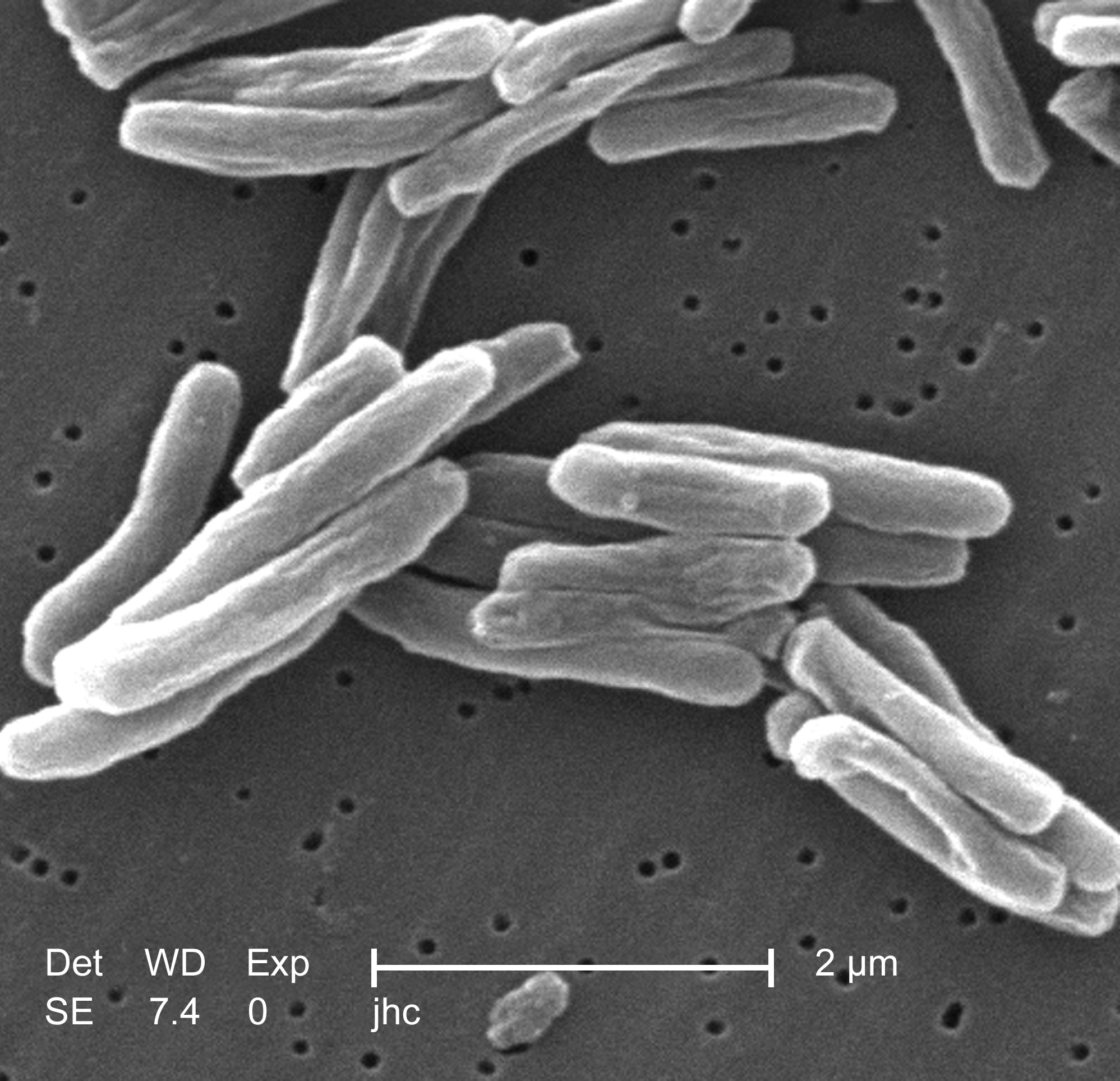
About a quarter of the world has been infected with the bacterium that causes tuberculosis. Most of those people never develop the disease. Their immune systems hold the infection in check for a lifetime, sometimes without the person ever knowing they were exposed. Why some people shrug off Mycobacterium tuberculosis while others fall ill has been one of the stubborn questions in infectious disease. A study published December 30 in Cell Host & Microbe offers an unexpected piece of the answer, and it comes in the form of a molecule that was not on anyone's list of immune players.
The molecule is a long non-coding RNA, a strand of RNA that does not code for any protein. For years these were dismissed as genomic noise. The team, led by researchers in Beijing, started not with a hypothesis about RNA at all but with blood. They profiled the tiny membrane-wrapped packages called exosomes floating in the plasma of people who appeared resistant to TB. One RNA kept showing up. They named it TRCR1, short for tuberculosis-resister-derived CLOCK regulator 1.
A relay between lung and blood
The name hints at the mechanism they went on to trace. Inside monocytes, a type of white blood cell, TRCR1 teams up with a protein called FXR2. Together they latch onto and stabilize the messenger RNA for CLOCK, a gene most people know as part of the body's circadian machinery. More stable CLOCK mRNA means more CLOCK protein. And CLOCK, it turns out, drives chemical tags onto histones, the spools that DNA winds around. Specifically it promotes acetylation at two spots on histone H3 near the promoters of immune genes, loosening those regions so the genes are easier to switch on later.
That last part is the key to what immunologists call trained immunity. The innate immune system was long thought to have no memory, unlike the antibody-making arm that remembers past infections. Trained immunity is the growing counterexample: innate cells can be metabolically and epigenetically rewired so they respond faster and harder the next time a threat appears. TRCR1 is doing exactly that rewiring, and it leaves a durable epigenetic mark that keeps the cells primed.
The researchers also worked out where the resistance RNA comes from in the first place. A protein secreted by the TB bacterium itself, MPT53, prompts lung epithelial cells to release exosomes loaded with TRCR1. So the pathogen inadvertently triggers a signal that travels from the lung out into the circulation, arming monocytes elsewhere in the body. It is a relay across the lung-systemic interface, with the bug supplying the first push.
An old vaccine, given a boost
The findings did not stay in a dish. In mice, training the animals with TRCR1 strengthened their defenses against M. tuberculosis. More striking, it improved the performance of BCG, the tuberculosis vaccine that has been in use since the 1920s and remains the only licensed one. BCG protects reliably against severe TB in infants but its effectiveness against pulmonary disease in adults is famously patchy. Anything that makes it work better is worth attention, because a genuinely improved TB vaccine has eluded the field for a hundred years.
The authors frame TRCR1 as both a window into natural resistance and a potential tool. If a molecule that some people already carry can be delivered to prime the immune system, it might be paired with existing vaccination to close the gap between the lucky resisters and everyone else.
What the mouse data can and cannot tell us
Caution is in order. The resistance signature was found in human blood, but the causal chain running from TRCR1 through FXR2 and CLOCK to better bacterial control was pinned down in mice and cultured cells. Mouse immunity and human immunity diverge in ways that have sunk promising TB strategies before. Whether delivering TRCR1 is safe, how long the trained state lasts, and whether it helps people rather than rodents are all open. There is also the matter of manipulating CLOCK, a gene wired into sleep and daily rhythms, which invites questions about side effects that this study did not set out to answer.
Still, the shape of the result is worth sitting with. Resistance to one of humanity's oldest killers may be encoded partly in a class of molecules we spent decades ignoring, carried between organs in exosomes, and readable as instructions the immune system can be taught to follow.
Yu, S. et al. "A CLOCK-targeting lncRNA induces trained immunity against tuberculosis." Cell Host & Microbe, 2026. doi.org/10.1016/j.chom.2025.12.002
PubMed PMID: 41475336.
Photograph: Janice Carr, CDC, Public domain, via Wikimedia Commons.
Comments