


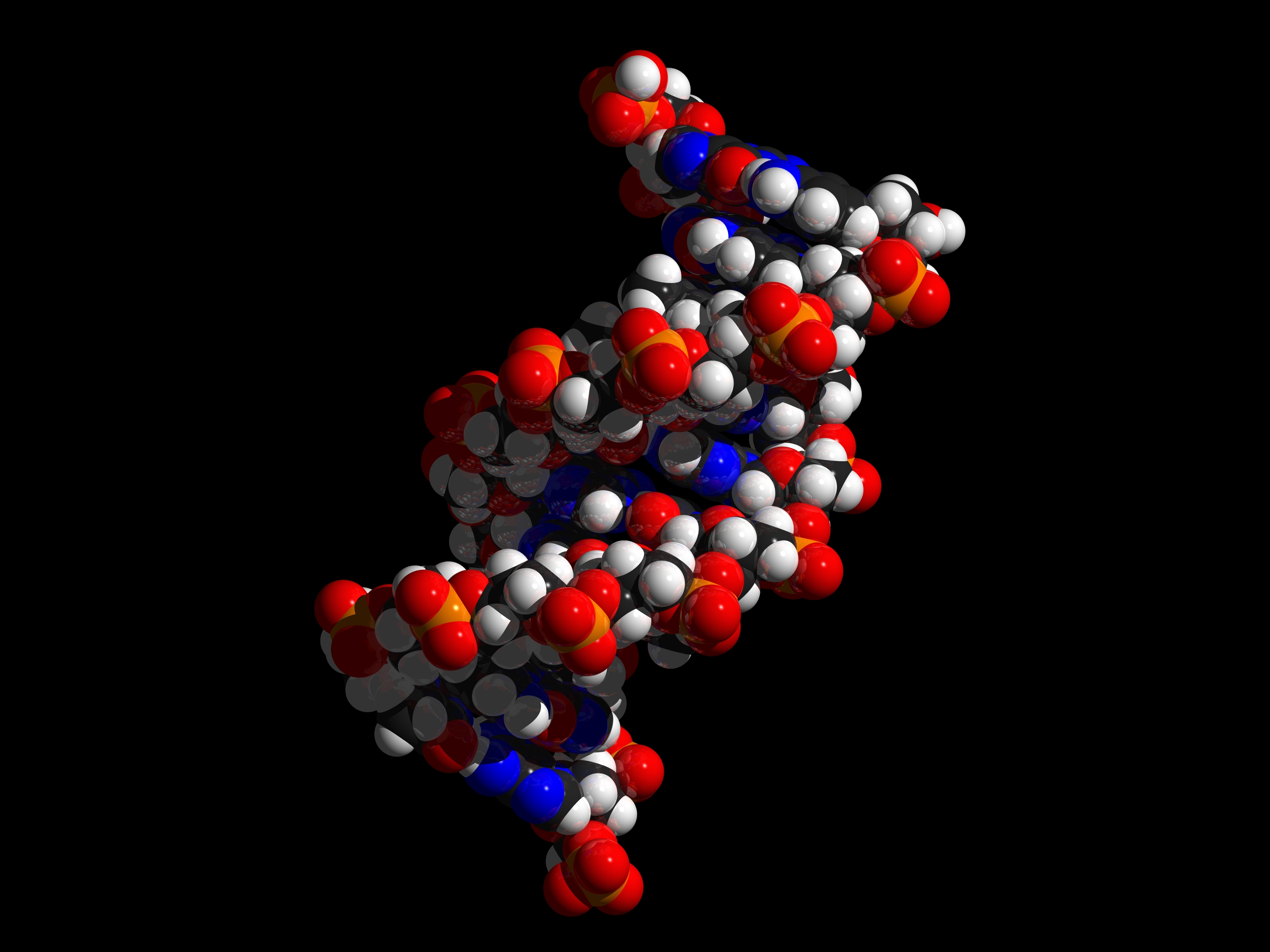
Cutting a single letter of DNA is one thing. Pasting in a whole gene is much harder. To add thousands of DNA bases at once, genome engineers usually reach for enzymes called recombinases, which stitch a supplied piece of DNA into a target site. The catch is the supplied piece. It has to be a long double-stranded DNA molecule, and human cells treat naked double-stranded DNA as a danger signal. Our cells evolved to see loose double-stranded DNA as the calling card of a virus. So they attack it.
That reaction has quietly capped what recombinase-based tools can do. The immune backlash lowers how efficiently the new sequence gets installed, and it mostly limits the whole approach to cells edited outside the body or to animals with weakened immune systems. A team led by Connor Tou and Benjamin Kleinstiver at Massachusetts General Hospital and Harvard set out to remove that ceiling. Their paper appeared in Nature in March 2026.
Borrowing tricks from viruses to hide from the immune system
The fix came from looking at how prokaryotic viruses and mobile genetic elements move DNA around without setting off the same alarms. Those elements often work with single-stranded, circular DNA rather than the linear double-stranded kind. Single-stranded circles do not trip the same sensors.
The problem is that recombinases need a specific double-stranded recognition sequence to grab onto. A fully single-stranded molecule does not give them that handle. So the researchers designed a hybrid. Most of the donor stays single-stranded and immune-evasive, but a short partial-duplex region folds back on itself to rebuild exactly the double-stranded landing pad the enzyme requires. They named the method INSTALL, for integration through nucleus-synthesized template addition of large lengths.
It is a compromise that gets the best of both worlds. The donor is invisible enough to avoid the innate immune response, yet it still presents the enzyme with something to bind. And it is not tied to one particular enzyme. The authors report that INSTALL works with a range of recombinases, including both protein-guided and RNA-guided versions, and can write sequences at the kilobase scale with high fidelity.
What changed when they put it into mice
The real test of an immune-evasion strategy is a living animal with a full immune system. Here the difference showed up clearly. In primary human cells and in mice, INSTALL donors triggered far less of an innate immune reaction than conventional double-stranded DNA. That lower reactivity translated into higher integration rates, because the machinery was not fighting an inflammatory response at the same time.
It also changed what doses were survivable. When the team delivered DNA throughout the body using lipid nanoparticles, the familiar packaging behind mRNA vaccines, the single-stranded INSTALL donors were tolerated across a much wider dosing range than double-stranded DNA carried the same way. Standard double-stranded material became toxic at levels the stealth donors handled. That matters because systemic, whole-body delivery is exactly where the old toxicity problem tends to shut things down. The whole point is to do this without a viral vector, and INSTALL is a non-viral route to kilobase-scale writing.
The distance between a mouse and a patient
This is a delivery and tolerability advance, not a finished therapy. The work shows that a gene-sized payload can be integrated more efficiently and at higher, better-tolerated doses in mice. It does not show a treated disease. Getting the right sequence into the right cell type in a person, in enough copies to matter, remains its own set of unsolved problems, and lipid nanoparticles do not reach every tissue equally.
There are also questions the abstract does not settle. How precisely the enzymes land, how often they insert somewhere unintended, and how durable the edits are over months rather than weeks all need scrutiny before anything approaches the clinic. Recombinases can have their own preferences about where they cut.
Still, the underlying idea is worth noting. For years the field treated the immune reaction to donor DNA as a fixed obstacle to design around. This work reframes it as something you can engineer away by copying how viruses smuggle their own genomes past the same defenses. If it holds up, it widens the door for writing large pieces of DNA into the body directly, without borrowing a virus to do the smuggling.
Tou, C. et al. "Immune evasive DNA donors and recombinases license kilobase-scale writing." Nature, 2026. doi.org/10.1038/s41586-026-10241-z
PubMed PMID: 41813887.
Photograph: Ude, Public domain, via Wikimedia Commons.
Comments