


The tomato leafminer, Tuta absoluta, is one of the most feared insects in agriculture. A small moth whose larvae tunnel through leaves, stems, and fruit, it can wipe out most of a tomato crop when it takes hold, and it has spread across Europe, Africa, and Asia over the past two decades. Growers usually reach for insecticides, and the moth keeps evolving around them. A team working in tomato has now tried a different route: change the plant so it defends itself, without making it a worse crop.
The catch with breeding tougher plants is an old one. Defense costs energy. Plants that pour resources into chemical weapons and thickened tissue tend to grow slower and yield less, which is a bad deal for a farmer. So the interesting part of this study, published in New Phytologist, is not just that the plants resisted the pest. It is that they did so while growing and yielding like normal tomatoes.
Cutting the brakes on defense
The researchers focused on a gene called SlRaptor1A. It encodes a scaffold protein, a kind of molecular workbench, inside a hub known as TOR complex 1. TOR is a master switch that tells cells across plants and animals when to grow, using nutrients and energy signals to set the pace. In tomato, the team found that SlRaptor1A also acts as a brake on the plant's immune response. Left running, it keeps defenses turned down.
Using CRISPR-Cas9, they knocked the gene out. The mutant tomatoes became markedly more resistant to Tuta absoluta. When the researchers looked at what changed inside the plants, they found the defense brake had been released. Two key alarm hormones, jasmonic acid and salicylic acid, rose to higher levels along with their chemical derivatives. Defense-related genes switched on. The plants accumulated more of the secondary metabolites linked to fending off insects. In short, removing SlRaptor1A let the tomato mount the kind of response it normally suppresses.
Why the plants did not pay for it
What makes the result worth attention is the absence of a penalty. The knockout plants did not grow smaller or produce less fruit. That matters because TOR sits at the center of growth control, and interfering with it might be expected to stunt the plant. Here, disabling one specific scaffold within the complex seems to have loosened defense without dragging down the whole growth program.
To trace how the change rippled through the plant, the team combined transcriptomics, which reads which genes are active, with metabolomics, which measures the small molecules a plant makes. The two datasets lined up. A co-expression network analysis tied the shifts in gene activity to the shifts in metabolite production during infestation, which strengthens the case that the hormonal rewiring is doing the defensive work rather than being a side effect. The authors also noted that SlRaptor1A normally suppresses parts of the phenylpropanoid pathway and reduces alkaloid buildup, so switching it off changed the plant's chemical inventory in ways consistent with tougher resistance.
What this does and does not show
This is a proof of concept, and it is worth being clear about the limits. The work identifies a genetic target and shows that removing it produces resistant plants under the conditions tested. It does not tell us how these tomatoes hold up across seasons, in open fields, or against the full range of pests and pathogens a crop faces. A plant with permanently elevated defense hormones could behave differently under drought, heat, or disease pressure than it did in this experiment. And resistance conferred by a single gene can erode if an insect population adapts, a pattern seen repeatedly with both pesticides and resistance genes.
Still, the direction is promising. Most crop improvement has to fight the growth-versus-defense trade-off head on. Finding a lever that lifts defense while leaving yield intact is exactly the kind of target breeders want. The authors frame SlRaptor1A as a candidate for developing pest-resistant tomato cultivars, and the logic extends beyond one crop. TOR signaling is ancient and shared widely across plants, so the same regulatory brake may exist in other species where growers are losing ground to insects. Whether that translates into resilient plants in a real field is the next question, and it is a large one.
Song, L. et al. "Multi-omics analysis of Raptor1A knockout reveals resistance to Tuta absoluta in tomato without growth penalties." New Phytologist, 2026. doi.org/10.1111/nph.71123
PubMed PMID: 41928503.
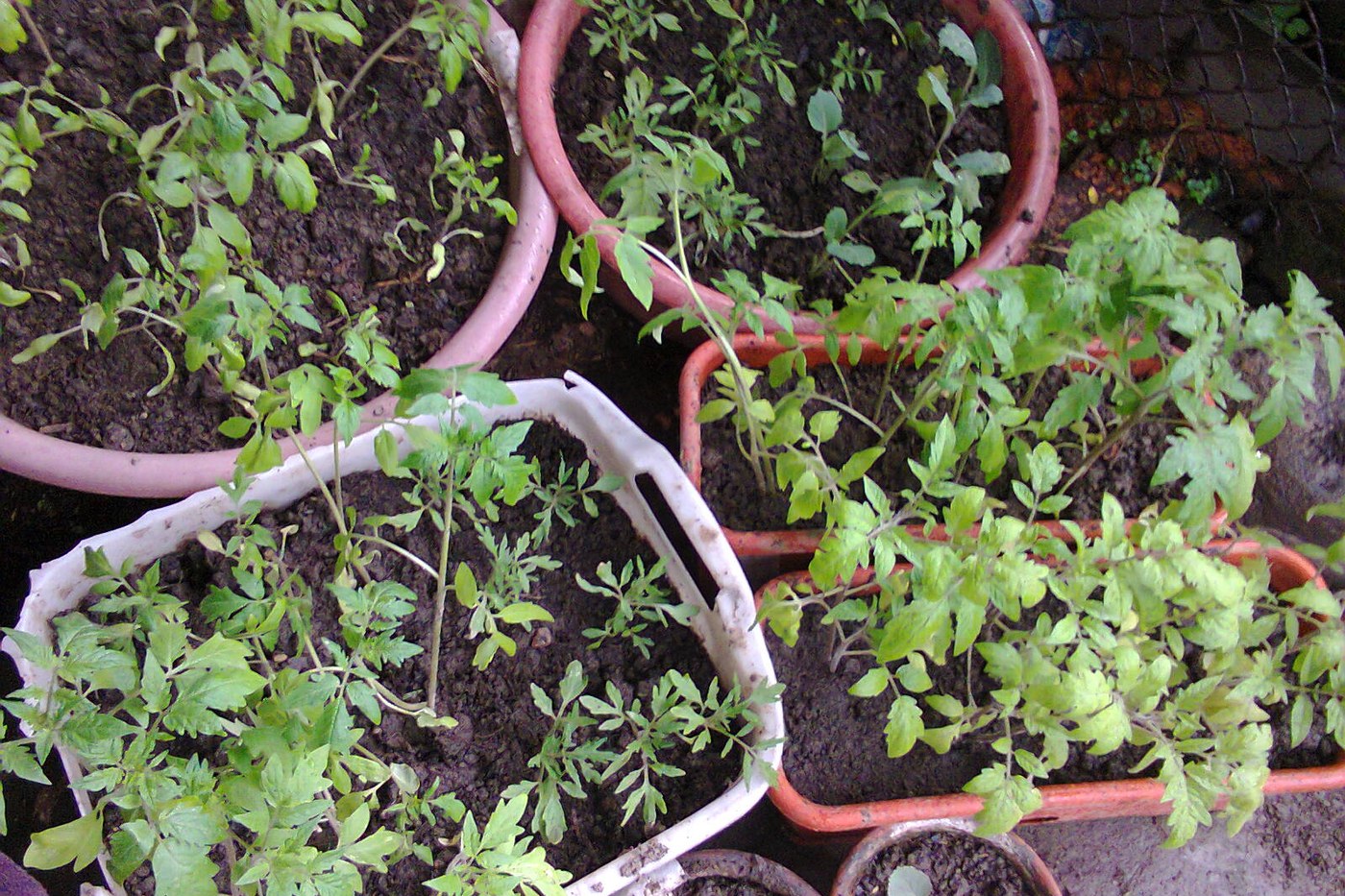
Photograph: Softeis, CC BY-SA 3.0, via Wikimedia Commons.
Comments