


For years, the mutation behind oculopharyngodistal myopathy looked like a paradox. Patients inherit an expanded run of the DNA letters GGC, repeated far more times than normal. That expansion tracks the disease, which slowly weakens the eyelids, throat, and the muscles of the hands and feet. But the repeat sits in a region of the genome that no one thought made a protein. So how does a stretch of non-coding DNA ruin muscle?
A team led by Manon Boivin and Nicolas Charlet-Berguerand at the IGBMC in Strasbourg, working with clinical groups in Beijing, Tokyo, and Fuzhou, has an answer. The repeat is not silent at all. Cells read through it and build a protein no reference genome had catalogued. And that protein is bad news for muscle.
A gene nobody had annotated
Microsatellites are short DNA motifs, two to six letters long, stuttered over and over. They make up something like 3 to 6 percent of the human genome. When a handful of them expand beyond a threshold, the result is disease. More than 60 disorders trace back to this one kind of mutation, from Huntington's to fragile X to several forms of ataxia. The catch that has dogged the field is that most of these expanded repeats fall in parts of the genome marked as noncoding. If they do not code for anything, why are they toxic?
The Strasbourg group found that the GGC repeats causing oculopharyngodistal myopathy actually lie inside open reading frames that had gone unrecognized. In plain terms, there is a small gene hiding there, and the ribosome translates the expanded repeat into protein. Because GGC codes for the amino acid glycine, the output is a chain heavy with glycine, a so-called polyglycine protein.
To prove the protein was real and not a modeling artifact, the researchers raised antibodies against it and stained patient tissue. The antibodies lit up the p62-positive inclusions, the clumps of aggregated protein that pathologists have long used as a hallmark of this disease. The mystery aggregates, it turns out, are partly made of the very protein the "junk" repeat encodes.
Toxic in flies, mice, and cells
Finding a protein is one thing. Showing it does harm is another. The team expressed the polyglycine proteins in cultured cells, in fruit flies, and in mice. Across all three, the protein caused trouble. Flies and mice showed locomotor problems and skeletal muscle changes tied to neurodegeneration, echoing what patients experience. That spread of models matters, because a result that holds from a cell dish up to a living mouse is far harder to dismiss as a quirk of one system.
Then came the part that turns a mechanism into a possible treatment. The researchers screened for a way to shut the toxic protein down and landed on TMPyP4, a cationic porphyrin. The compound cut production of the polyglycine proteins. GGC repeats can fold into stubborn four-stranded DNA and RNA structures called G-quadruplexes, and TMPyP4 is known to bind those, which fits with the idea that jamming the structure blocks translation of the repeat.
Promising, but early
This is a mechanism paper, not a cure. TMPyP4 knocking down a toxic protein in cells and animals is a long way from a drug a patient can take. Porphyrins like this one bind many G-quadruplexes across the genome, so specificity and off-target effects will need hard scrutiny before anyone talks about the clinic. The animals model the muscle and movement problems, but they are not human patients, and the durability of any benefit is untested here.
The wider lesson may outlast the specific disease. If an expanded repeat filed under "noncoding" is quietly making a poison, other repeat disorders deserve a second look at the same question. The authors frame their work as a reminder that the genome still hides functional stretches in places the annotations call empty. For a field built on the assumption that these mutations act without ever becoming protein, that is a genuinely unsettling thought, and a productive one.
Boivin, M. et al. "GGC repeat expansions within new open reading frames are translated into toxic polyglycine proteins in oculopharyngodistal myopathy." Nature Genetics, 2026. doi.org/10.1038/s41588-026-02507-z
PubMed PMID: 41703050.
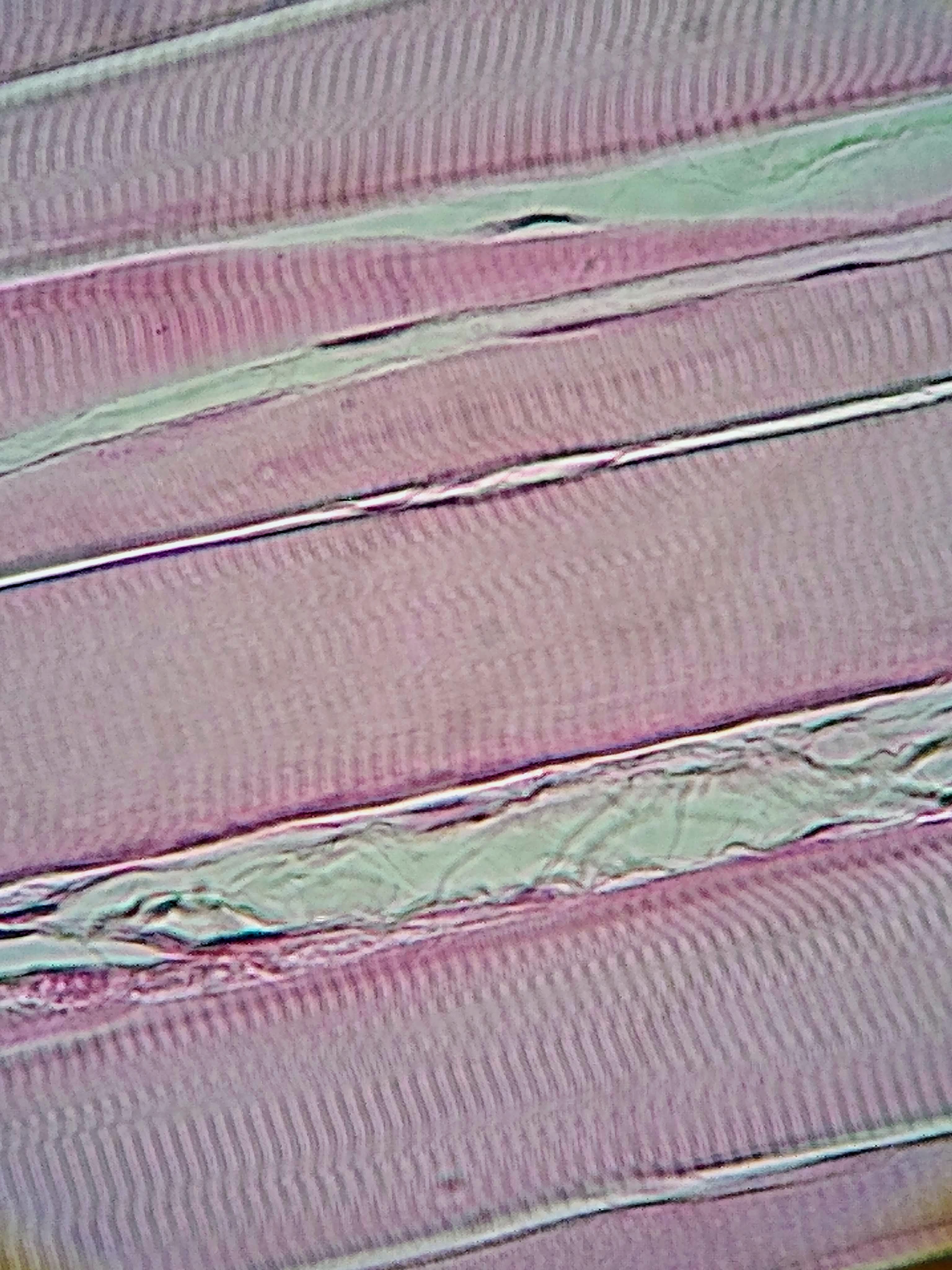
Photograph: Alexander G. Cheroske, CC BY-SA 4.0, via Wikimedia Commons.
Comments