
Botanists have a word for what happens to a plant community as the climate warms: thermophilization. It sounds clinical. What it means on the ground is that the plants that like it cool start losing ground to the plants that like it warm. Count the species in a meadow today, compare them with a list made forty years ago, and you can watch the balance tip.
A team led by Kai Yue pulled off that comparison at a scale that is hard to match. Writing in Nature, they analysed 6,067 vegetation plots across Europe that had been surveyed and then resurveyed, some over gaps as short as 12 years and some as long as 78. The plots covered three very different worlds: the shaded understory of forests, open grasslands, and the sparse vegetation clinging to alpine summits. The question was whether all three are warming their species lists at the same pace.
They are not. And the differences are large.
The summits are moving fastest
In forests and grasslands, the plant communities did drift toward warmth-demanding species. But the shift was weak. Statistically, it was not distinguishable from no change at all. The alpine summits told a different story. There, thermophilization was strong, clearly significant, and up to five times greater than in the other habitats.
What is driving the shift also depends on where you look. In grasslands, the change came mostly from warmth-loving plants moving in. On the summits, it came mostly from cold-adapted plants dropping out. Forests showed both at once. That distinction matters. A community can look like it is changing because newcomers arrive, or because residents disappear, and those are not the same problem. On a mountaintop, the cold specialists that vanish have few places to go. Move up a slope and eventually you run out of slope.
A debt that keeps growing
The researchers also measured something called climatic debt. The idea is that vegetation lags behind the climate. Temperatures rise, but the plant community takes years to catch up, so at any moment there is a gap between the climate a community currently experiences and the climate its species are actually suited to. That gap is the debt.
Forests and alpine summits have both built up significant climatic debt. Grasslands less so. And the size of the debt tracked how much the local macroclimate had warmed: hotter warming, bigger debt. So the communities that are furthest behind are also the ones sitting in the places that heated up most. Debt like this does not simply vanish. It signals change that is still owed, shifts in the species mix that have not yet played out.
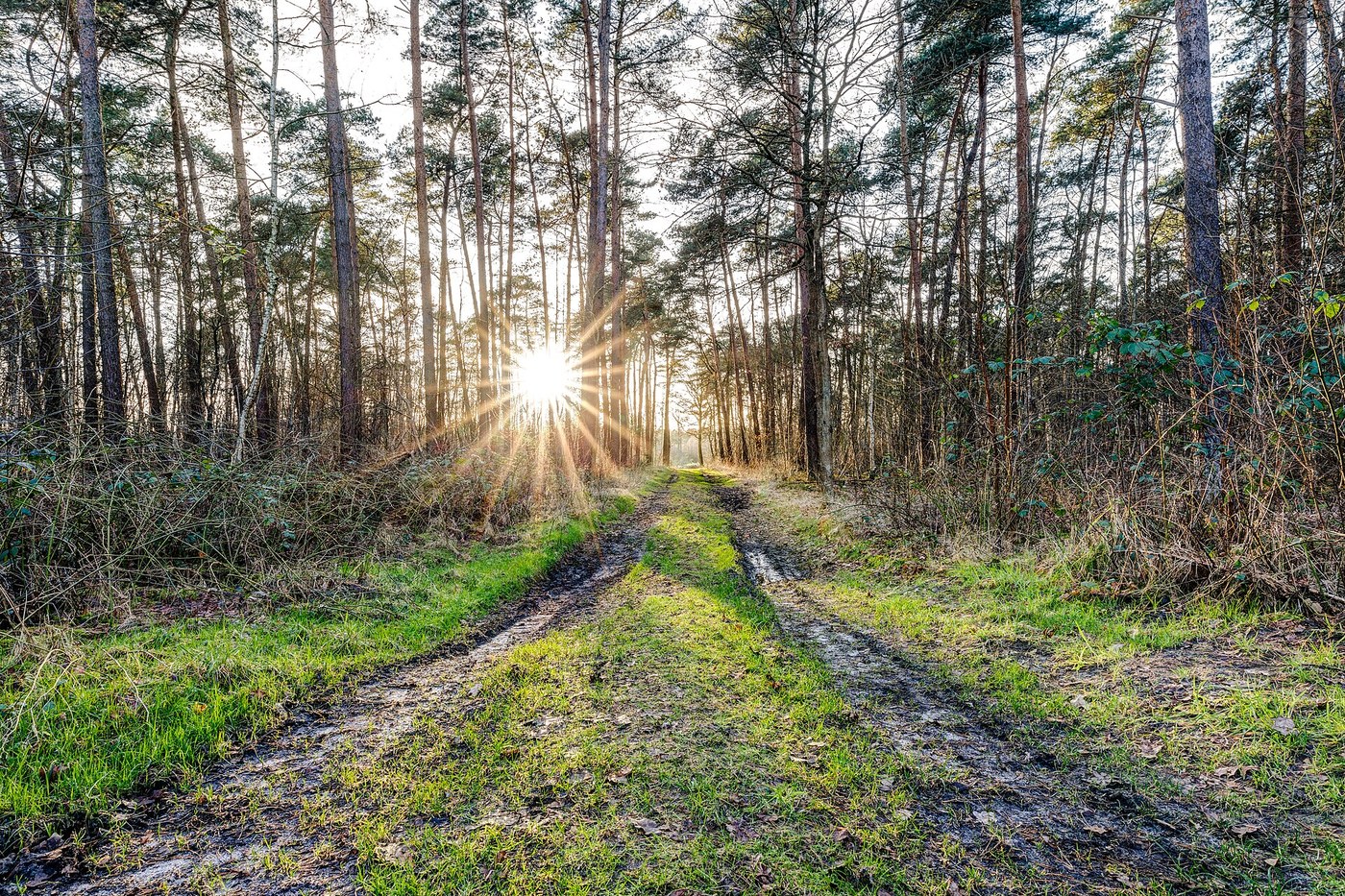
Why would grasslands and forests lag while summits race ahead? Part of the answer is buffering. A forest canopy shades the ground and holds moisture, softening the temperature swings that understory plants feel. Grasslands have their own inertia. Alpine summits have almost no such cushion. The vegetation sits fully exposed, and the cold-adapted species there are already living at the edge of what they can tolerate.
What the numbers can and cannot say
A few things are worth keeping in mind. This is a European dataset, and the balance of forest, grassland and summit plots is not uniform across the continent, so the picture elsewhere could differ. Resurvey studies also depend on plots being found and scored consistently across decades, and the time gaps between surveys vary a lot from site to site. The study measures shifts in which species are present, not the fate of any single population, so a plant declining across many summits is an inference drawn from the community pattern rather than a headcount of individuals. None of this softens the core result. Different ecosystems are absorbing the same warming at very different rates.
The practical upshot is that "the climate is warming" hides a lot of variation once you get down to the plants. Some communities are tracking the change closely. Others are running up a debt. And the highest, coldest, most exposed places, the ones with the least room to adjust, are the ones changing fastest.
Yue, K. et al. "Contrasting thermophilization among forests, grasslands and alpine summits." Nature, 2026. doi.org/10.1038/s41586-025-09622-7
PubMed PMID: 41851458.
Photograph: Famartin, CC BY-SA 3.0, via Wikimedia Commons.
Comments