


CRISPR can snip DNA at a chosen spot with impressive accuracy. Ask it to slot in a whole new gene, though, and things get messy. The cell has to be coaxed into stitching the fresh sequence into the break, and it often does so sloppily or not at all. That gap matters. Many of the genetic diseases people most want to fix are caused not by a single wrong letter but by the absence of a working gene, or by dozens of different mutations scattered across one gene. For those, dropping in a fresh, healthy copy would be far cleaner than trying to correct each defect one at a time.
A team led by Martin Jinek at the University of Zurich, working with Gerald Schwank and colleagues, now reports a tool built for exactly that job. Writing in Science, they show that a bacterial enzyme called a bridge recombinase can insert gene-sized chunks of DNA into human cells. The enzyme, named ISCro4, comes from a family of mobile genetic elements that bacteria use to shuffle DNA around. What makes it interesting is how it aims.
One RNA, two addresses
Most genome editors need a guide RNA that points to a single target. A bridge recombinase uses a cleverer kind of guide, called a bridge RNA, that recognizes two sequences at once. One half of the RNA latches onto the spot in the genome you want to edit. The other half grabs the donor DNA you want to insert. The enzyme then brings the two pieces together and swaps them, no separate cut-and-repair step required.
The bacterial version of this trick was described in 2024. Getting it to work in human cells was not a given, because enzymes borrowed from microbes often stall in the crowded, chemically different environment of a human nucleus. The Zurich group screened for a candidate that stayed active and found ISCro4. They also solved structures showing why it works better than its relatives, which helps explain how the enzyme grips its RNA and DNA partners.
In human cells, ISCro4 did three distinct things. It could excise stretches of DNA thousands of base pairs long, flip segments of the genome around, and insert donor sequences at chosen sites. The team delivered it two ways, as a plasmid or entirely as RNA, and reported insertion efficiencies above 6 percent. That number sounds modest until you remember what it represents: whole gene-sized cargo added at a defined location, in a single reaction, without relying on the cell's error-prone repair machinery.
Why insertion is the hard part
The field already has base editors and prime editors that rewrite short stretches of sequence with real precision. What has stayed stubbornly difficult is putting in something large and intact. Prime editing can handle small insertions. Larger payloads have generally required additional enzymes, viral tricks, or workarounds that limit where and how much you can add. A recombinase that carries its own targeting information and does the whole swap in one motion is a genuinely different approach to that problem.
The authors also looked at where the enzyme went when it was not supposed to. They measured specificity and off-target activity, the same questions that shadow every editing tool. Precision at the intended site means little if the enzyme also carves up the genome elsewhere.
What still has to be proven
This is early work, and worth reading as such. The experiments were done in cultured human cells, mostly a standard lab line, not in tissue or in an animal. A 6 percent insertion rate is a strong start for a brand-new system but well below what a therapy would need. The off-target analysis is a first pass, not a clinical safety profile. And delivering a recombinase plus its donor DNA into the right cells in a living body remains its own unsolved engineering problem, one that has held back plenty of promising editors before this one.
Still, the direction is clear. If bridge recombinases can be tuned to insert genes reliably and cleanly, they would fill a real hole in the editing toolkit, the part where CRISPR tends to fumble. The authors frame ISCro4 as a starting point for a new class of tools rather than a finished product. On the evidence here, that framing looks about right.
Pelea, O. et al. "Programmable genome editing in human cells using RNA-guided bridge recombinases." Science, 2026. doi.org/10.1126/science.adz1884
PubMed PMID: 41642947.
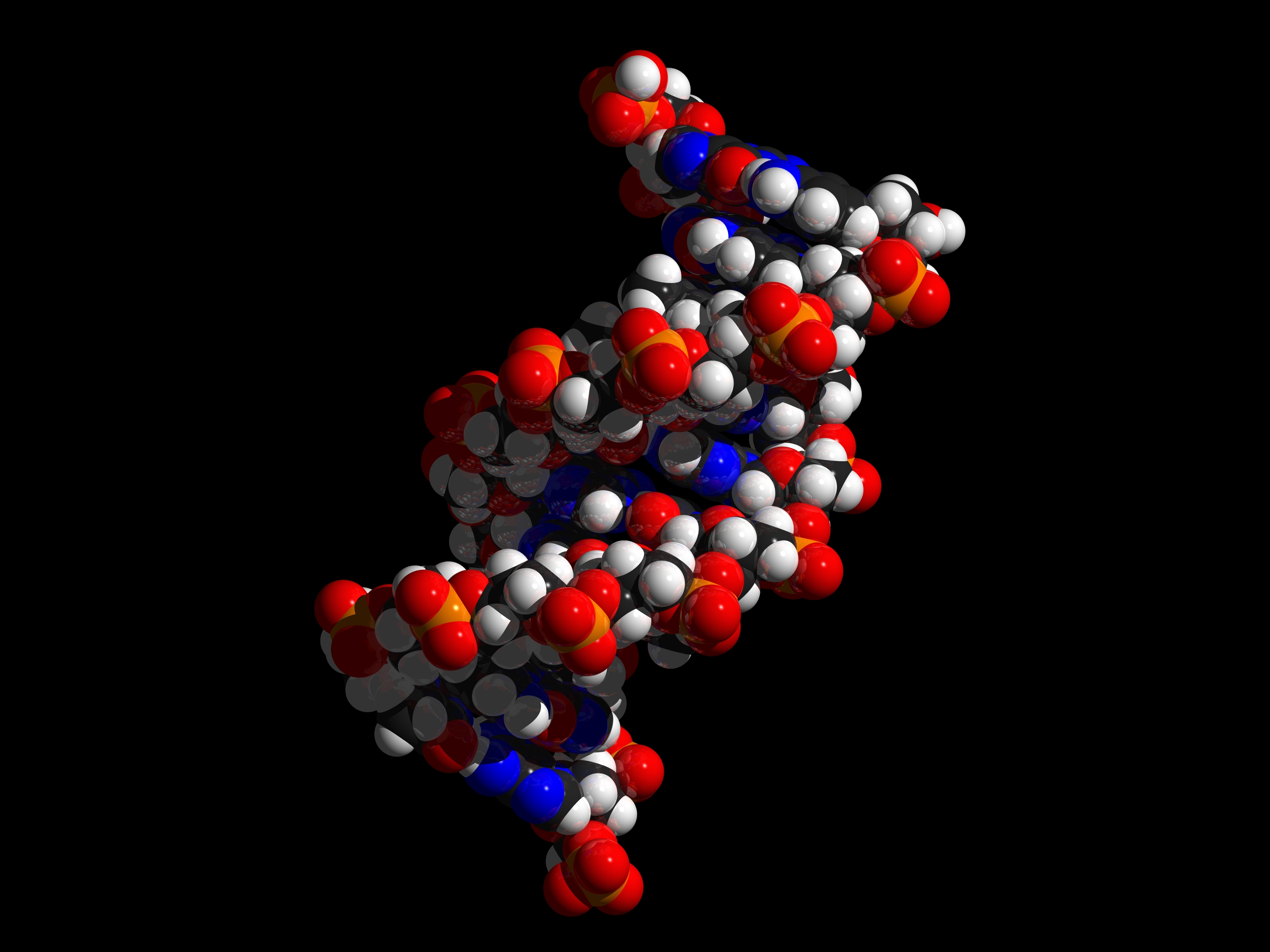
Photograph: Ude, Public domain, via Wikimedia Commons.
Comments