

Most drugs for inflammatory bowel disease face the same problem. They flood the whole gut, or the whole body, when the actual damage is patchy and local. Pills wash through. Injections dampen immunity everywhere. What you really want is a treatment that finds the sore spot and stays put.
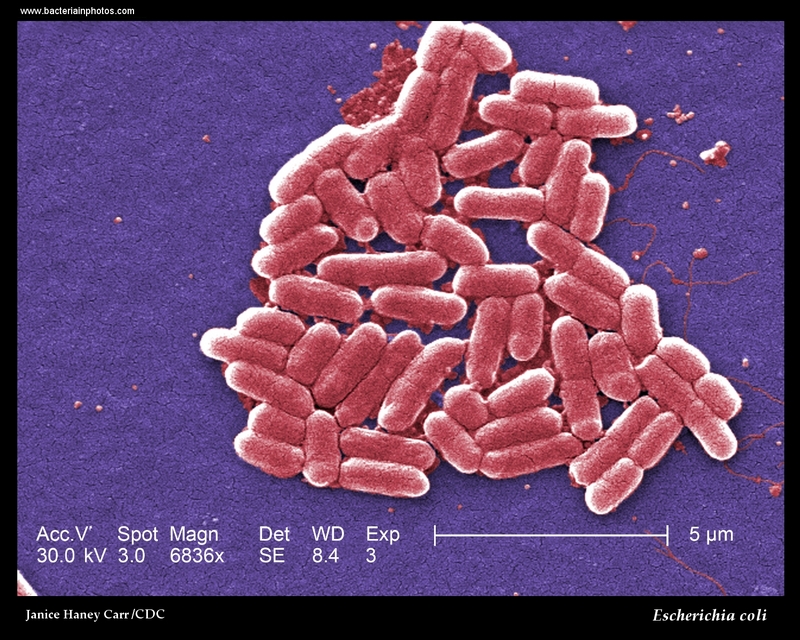
A team based mostly at the Shenzhen Institute of Synthetic Biology built exactly that, out of bacteria. In Nature Biotechnology, they describe a strain of harmless Escherichia coli reprogrammed to act like a tiny, self-installing wound dressing. It waits until it detects blood in the gut, then glues itself to the injured tissue and starts releasing a protein that helps the gut lining heal.
A circuit that reads blood as a signal
The clever part is what triggers the whole thing. Severe inflammatory bowel disease causes bleeding into the intestine. The researchers wired their bacteria with a gene circuit that switches on in the presence of that blood. No bleeding, no activation. Where the tissue is bleeding, the bacteria wake up.
Once switched on, the cells make two things at once. The first is CP43K, an adhesive protein borrowed from barnacles, the same family of molecules that lets those animals cement themselves to rocks and ship hulls in churning seawater. That glue lets the bacteria latch onto inflamed intestinal tissue instead of being flushed away by the constant movement of the gut. The second product is TFF3, a factor that promotes repair of the gut barrier. So the bacterium finds the wound, sticks to it, and treats it.
Sticking power mattered more than you might expect. After a single dose, the engineered bacteria stayed attached to inflamed tissue for up to 10 days when delivered rectally, and up to 7 days when given by mouth. The team showed this durability depended on the bleeding-induced adhesion. Take away the trigger, and the residence time collapsed.
What happened in the mice
The group tested the system in two different mouse models of inflammatory bowel disease. One was the standard dextran sulfate sodium colitis model, where a chemical strips the gut lining. The other was interleukin-10 knockout mice, which develop chronic gut inflammation because they lack a key anti-inflammatory signal. Using two unrelated models is a reasonable way to check that an effect is not just an artifact of one setup.
Across both, the treated animals did better. They recovered weight. A hallmark of colitis in mice is that the colon physically shortens as it inflames, and that shortening reversed. Intestinal bleeding dropped. Digging into the tissue, the researchers reported less inflammation, better mucosal repair, and a restored gut barrier. The living glue, in other words, did not just park itself in the right place. It changed the course of the disease.
Promising, but still a mouse story
It is worth being clear-eyed about what this is. These are two rodent models, not people, and mouse guts differ from human guts in ways that have tripped up plenty of promising gut therapies before. The paper does not settle how long an engineered strain would persist in a human intestine, how the immune system would react to a bacterium making a barnacle protein, or how you would switch the bacteria off once healing is done. Living medicines that colonize the body raise containment questions that a simple pill never does.
Still, the design is a neat answer to a real limitation. Engineered bacteria have long struggled to sense disease on their own and to stay where they are needed. Borrowing a marine animal's underwater adhesive to solve the sticking problem, and using the disease's own bleeding as the on-switch, is the kind of move that makes synthetic biology feel less like a lab curiosity and more like a toolkit. Whether it survives the jump from mice to clinics is the next, harder question.
Ge, C. et al. "Engineered living glues secrete therapeutic proteins for treatment of inflammatory bowel disease." Nature Biotechnology, 2026. doi.org/10.1038/s41587-025-02970-9
PubMed PMID: 41555021.
Photograph: Janice Haney Carr, Public domain, via Wikimedia Commons.
Comments