


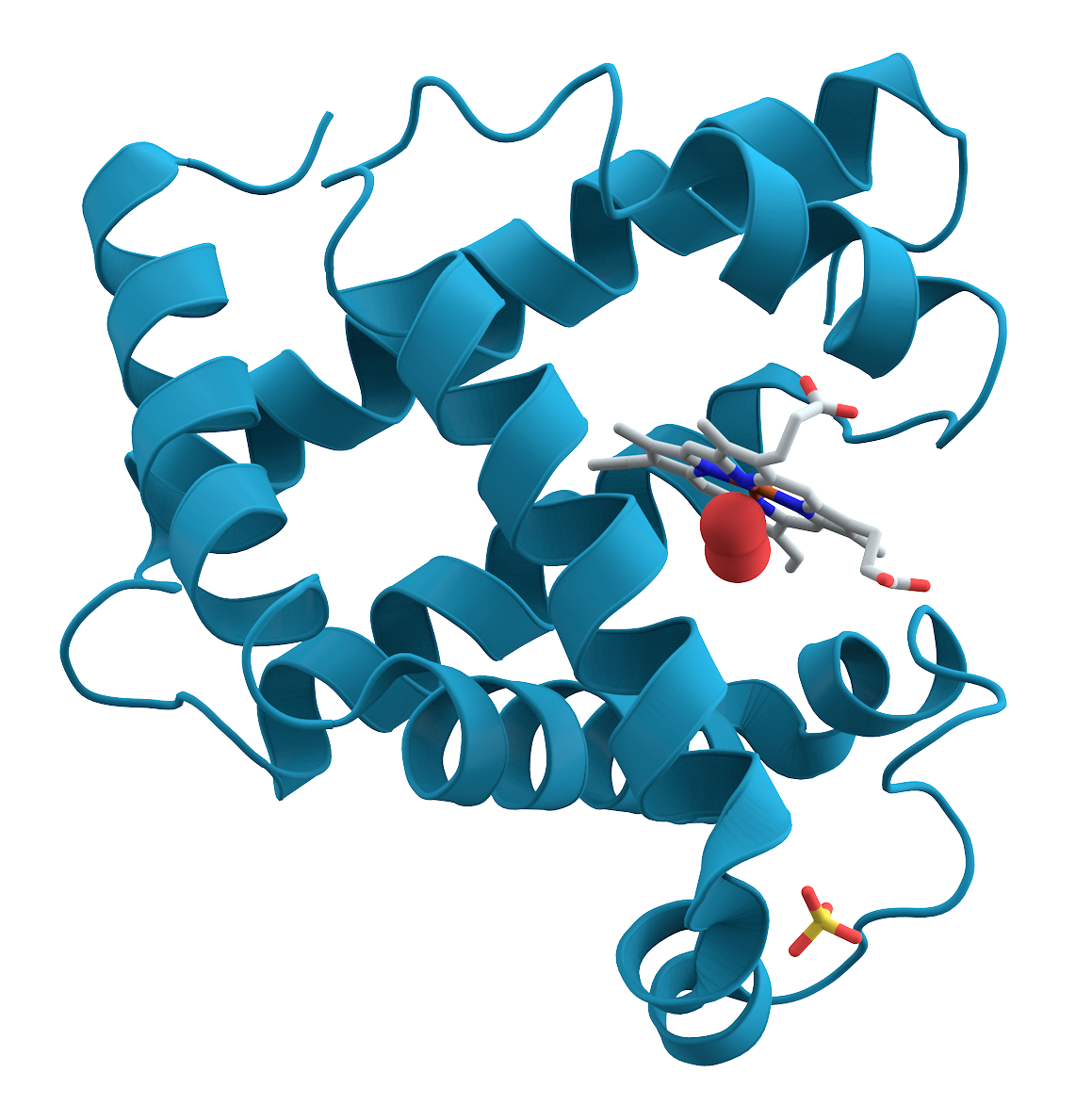
Amantadine has been sitting in pharmacies for decades. It was an early flu antiviral, later repurposed for Parkinson's disease, and it is cheap, safe, and well understood. Now it has a second life nobody would have predicted: as a molecular switch for proteins that did not exist until a computer drew them.
In a paper published in Science on January 1, a team led by Qihan Jin describes a way to design proteins from scratch that assemble into defined clusters only when the drug is present. Add amantadine, and separate protein chains find each other and lock together. Take it away, and they drift apart. The researchers are not tweaking a natural protein to behave this way. They are building the whole thing on a computer, atom placement first, then making it in the lab.
Why controlling proximity is such a big deal
A surprising amount of biology comes down to whether two proteins are near each other. Pull a couple of signaling molecules into contact and you can start a cascade. Cluster receptors and a cell reads it as a command. Biologists have long wanted a clean way to force proteins together on demand, ideally with a small molecule they can add or wash away. Systems that do this exist, but most were borrowed from nature and come with baggage, and building new ones by hand has been very hard.
From a screen model to a real crystal
Design software is only as good as what comes out of the flask. Here the check held up. Biophysical measurements confirmed that the proteins assembled only when amantadine was added, matching the intended drug-dependent behavior. More convincingly, the researchers solved crystal structures of the designed proteins and found they closely matched the computational models. When a de novo protein's real structure lines up with the blueprint, it means the design method captured something true about how the atoms actually pack, not just a plausible-looking cartoon.
Then they put the switch to work in cells. Adding the drug let them control where a protein went inside the cell, meaning its localization. They used it to trigger the formation of membraneless condensates, the droplet-like blobs that cells use to concentrate molecules without a wall around them. And they wired it to gene expression, so that dosing amantadine turned a target gene on. One designed part, three different jobs, all gated by a pill-shelf drug.
What this does and does not promise
Some caution is worth keeping. This is a demonstration in engineered systems and cultured cells, not a therapy. Amantadine is convenient because it is already approved and its safety in people is known, but using it as a research switch is a long way from steering the same machinery inside a patient. The paper shows the design approach works for ligands with the right symmetry; it does not claim every drug or every protein assembly will yield to the method. And membraneless condensates, while newly fashionable, are still a domain where the field is figuring out what forms and what it means functionally.
Still, the direction matters. For years, the promise of de novo protein design was mostly about making stable shapes. Getting a designed protein to do something conditional, to sit quietly and then respond to a specific chemical cue, is a harder and more useful trick. It turns proteins into components you can toggle. A chemogenetic toolkit built from parts you design rather than parts you scavenge gives researchers far more control over what to build and how it behaves.
The broader point is that small, familiar molecules can become precise instructions once you design the receiver. The instruction here happened to be an old antiviral. The receiver did not exist a year ago.
Jin, Q. et al. "De novo design of small molecule-regulated protein oligomers." Science, 2026. doi.org/10.1126/science.ady6017
PubMed PMID: 41477902.
Photograph: AzaToth, Public domain, via Wikimedia Commons.
Comments