


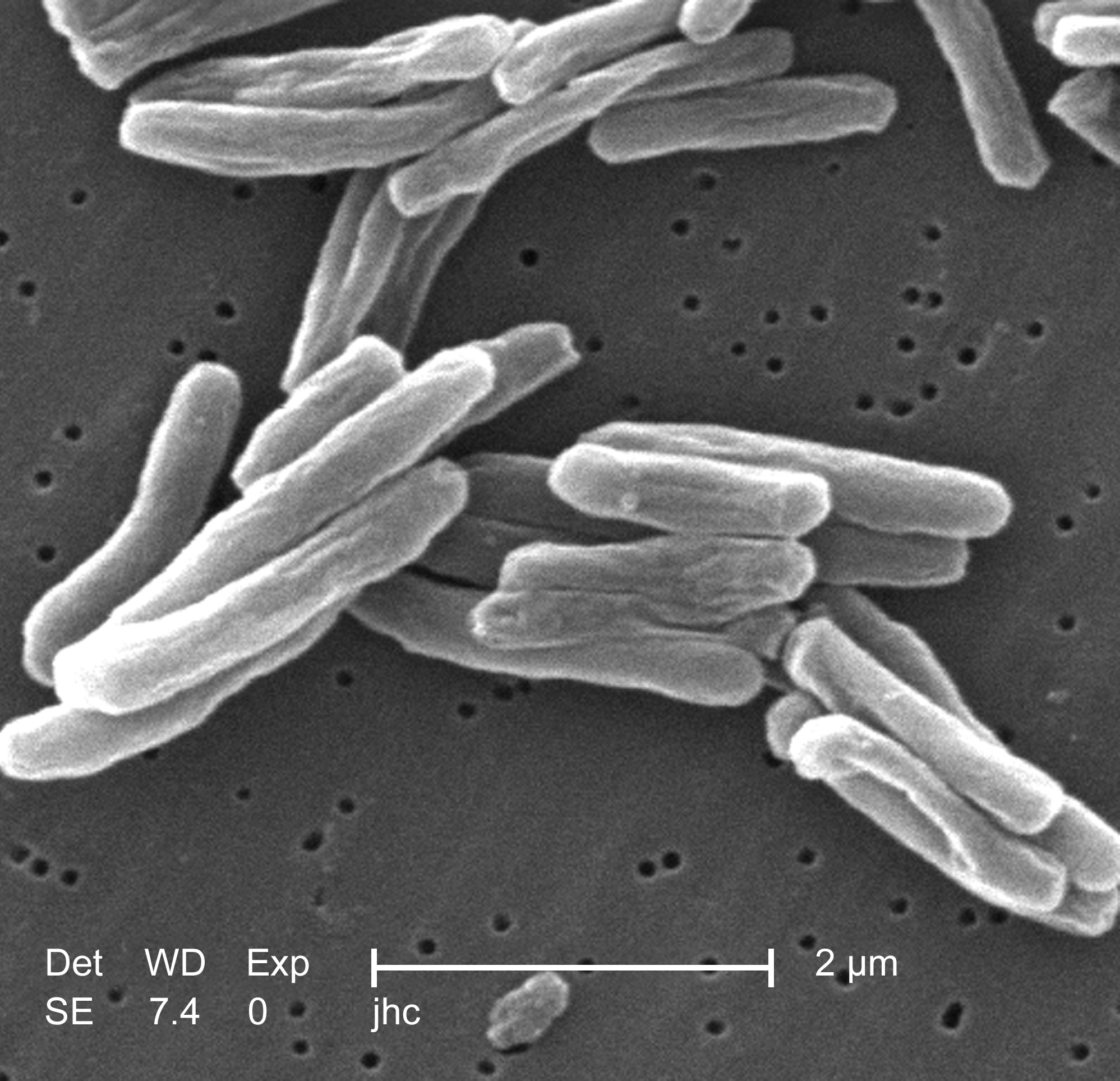
Tuberculous meningitis kills or disables a large share of the people it strikes, and for decades doctors have thrown a cheap steroid at it. Dexamethasone calms the inflammation that tuberculosis triggers inside the brain. The trouble is that the survival benefit has always been modest and oddly uneven, helping some patients and doing little for others. A tempting explanation emerged years ago: maybe a single gene decides who benefits.
That gene is LTA4H, which shapes how fiercely the immune system inflames the brain during infection. People carrying the TT version tend toward a hyperinflammatory response, and earlier work suggested they gained the most from steroids. People with the CC and CT versions inflame less, and whether steroids helped them at all was never clear. The logic almost writes itself. Give the drug to the patients whose biology says they need it, and spare the rest a powerful immunosuppressant during a serious infection.
A new phase 3 trial set out to actually test that idea, and the result is a useful lesson in how neat a hypothesis can look right up until you run the experiment.
Testing a gene as a switch
The study, led by Joseph Donovan and colleagues at the Oxford University Clinical Research Unit in Ho Chi Minh City and published in Nature Medicine, enrolled HIV-negative Vietnamese adults with tuberculous meningitis. The design was deliberately unusual. Because the TT-genotype benefit was considered established, all 89 TT patients received open-label dexamethasone and were not randomized. The real question sat with the lower-inflammation group.
The team randomized 613 participants with CC and CT genotypes to either six to eight weeks of dexamethasone or placebo. The primary endpoint was blunt and clinically meaningful: death from any cause or a new neurological event within 12 months. The trial was built to see whether placebo could be declared noninferior to the steroid, or even superior.
Neither happened, and not in the way anyone hoped. The endpoint occurred in 108 of 305 patients given dexamethasone, or 35.4 percent, and in 110 of 308 given placebo, 35.7 percent. The hazard ratio was 0.99, with a 96 percent confidence interval of 0.748 to 1.31. The two arms landed almost exactly on top of each other.
When "no difference" is not the same as an answer
It is tempting to read those near-identical numbers as proof that steroids simply do nothing for these genotypes, so patients could safely skip them. The statistics do not let you go that far. Noninferiority of placebo was not established, in the combined group or in either genotype on its own. The confidence interval stretched past the margin the trial had set, which means the data cannot rule out a real difference in either direction.
Part of the reason is grim arithmetic. The disease hit harder than expected. Researchers had powered the trial around 184 primary events, and 218 actually occurred. More endpoints usually sharpens a trial, but here the sheer burden of a lethal disease widened the uncertainty rather than closing it.
The TT-genotype patients complicate the story further. On open-label dexamethasone, their endpoint rate was 31.5 percent, 28 of 89. That is not meaningfully better than the CC and CT patients, and it undercuts the original premise that the hyperinflammatory genotype marks out a group with a distinct, steroid-rescuable course.
What the trial does and does not settle
Some limits are worth stating plainly. This was one population, HIV-negative adults in Vietnam, and LTA4H genotype frequencies and tuberculosis strains differ around the world, so the findings may not transfer everywhere. The TT arm was observational, not randomized, so it can describe those patients but cannot prove what the drug did for them. And a trial that fails to establish noninferiority is not the same as a trial that proves equivalence. The honest summary is that the genotype-guided shortcut did not deliver the clean signal it promised.
Dexamethasone at least came out looking safe. Serious adverse events landed at 52.8 percent with the steroid and 51.9 percent with placebo, essentially the same. So the drug is not obviously harming these patients even if its benefit is hard to pin down.
The authors are candid about where this leaves the field. Steroids remain a crude tool aimed at a disease we still understand poorly. What tuberculous meningitis needs is not a better rule for handing out an old drug, but sharper anti-inflammatory agents matched to what is actually happening inside an infected brain. This trial did not find the shortcut. It did clear away a comfortable assumption, which is its own kind of progress.
Donovan, J. et al. "Genotype-stratified adjunctive dexamethasone for tuberculous meningitis in HIV-negative adults: a randomized controlled phase 3 trial." Nature Medicine, 2026. doi.org/10.1038/s41591-025-04138-z
PubMed PMID: 41540106.
Photograph: Janice Carr, CDC, Public domain, via Wikimedia Commons.
Comments