

When a vaccine works, the usual explanation is antibodies. You inject a piece of a pathogen, the immune system learns to make proteins that latch onto that piece and stop the virus from entering cells, and those neutralizing antibodies do the protecting. It is such a reliable story that antibody titers are often the number regulators care about most. So it is worth paying attention when a vaccine protects and the neutralizing antibodies are simply not there.
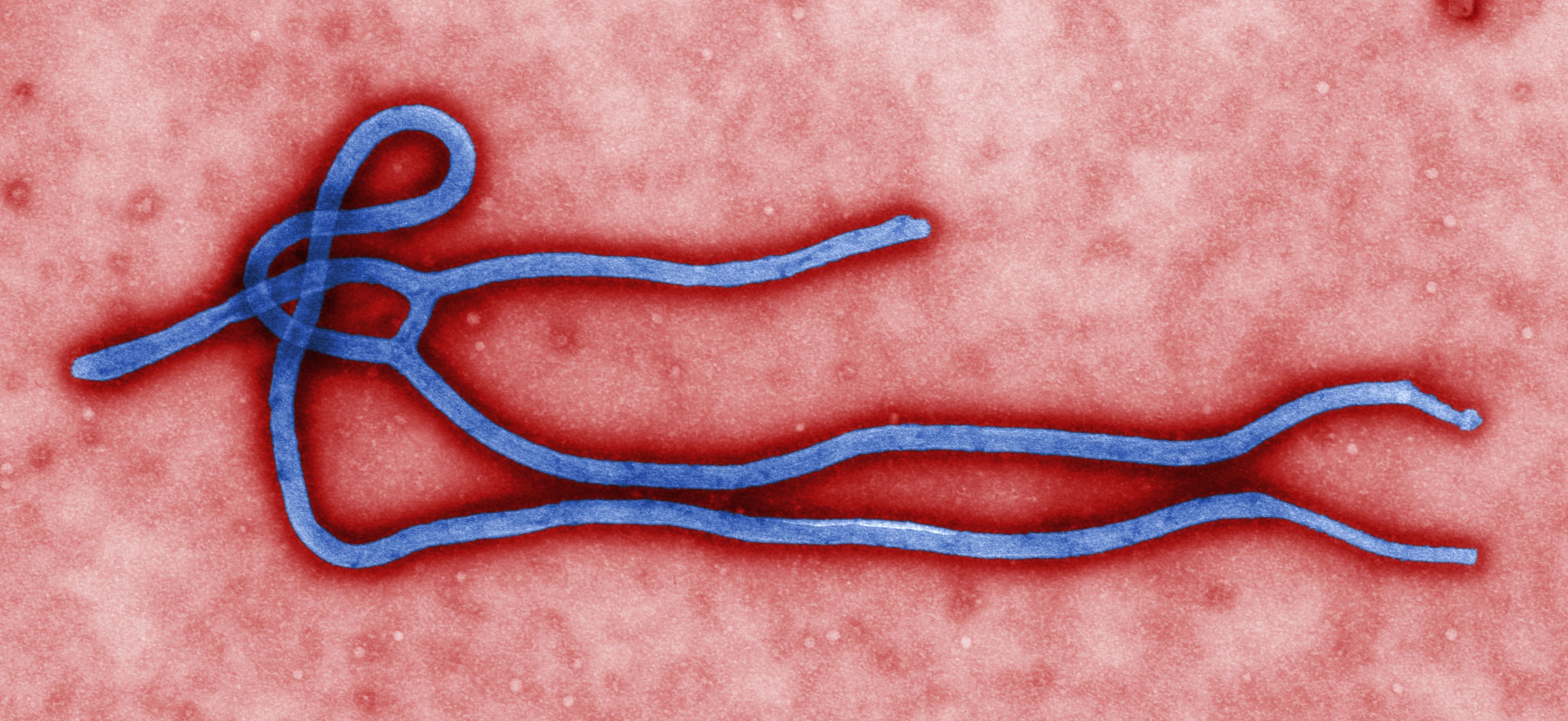
That is what a team led by Lara Kelchtermans at KU Leuven reports in Nature Immunology. They were working on Sudan virus, a filovirus in the same family as Ebola. Sudan virus causes recurring outbreaks, and here is the uncomfortable part: there is no approved treatment and no approved vaccine for it. Nobody had a clear picture of what protective immunity against it even looks like.
A stand-in virus mice can survive being studied with
Sudan virus is a biosafety-level-4 pathogen, which makes the kind of detailed, take-the-immune-system-apart experiments that reveal mechanism extremely hard to run. The Leuven group got around this with a surrogate. They built a chimeric recombinant vesicular stomatitis virus carrying the Sudan virus glycoprotein, the protein the real virus uses to get into cells. That hybrid, VSV-SUD, is lethal in mice but can be handled under less extreme containment, so the animals could be probed in depth.
For the vaccine, they used a live viral vector based on the yellow fever 17D backbone, the same attenuated strain behind the long-standing yellow fever vaccine, engineered to express the Sudan virus glycoprotein. Vaccinated mice survived the otherwise lethal VSV-SUD challenge. Then the team looked at why, and the answer did not match the textbook.
The vaccinated animals did not have virus-neutralizing antibodies. They did mount glycoprotein-specific antibody responses, and those antibodies were doing something: they were tied to antibody-mediated neutrophil phagocytosis and to natural killer cell activation. Both of those routes run through Fc-gamma receptors, the docking sites that let antibodies recruit other immune cells rather than block the virus directly. It was a reasonable candidate mechanism. So they tested it.
Knock out the obvious culprit, protection stays
The team ran the same challenge in mice lacking Fc-gamma receptors. If those antibody-driven effector functions were carrying the protection, removing the receptors should have broken it. Protection held. The Fc-gamma receptor pathway, whatever it was contributing, was not the thing keeping the mice alive.
Depletion and reconstitution experiments pointed instead at T cells. Specifically, antigen-experienced CD4 T cells that secrete interferon-gamma, a signaling molecule that orchestrates antiviral defense. Two populations stood out: short-lived effector cells and regulatory T cells. When the authors stripped these cells out and added them back, survival tracked with the CD4 compartment. Their conclusion is that several vaccine-induced mechanisms may pitch in, but only proliferating, antigen-specific CD4 T cells producing sustained interferon-gamma appear to be required. The acute antiviral response they drive is what carries the animals through.
That reframes the target. If you are designing a Sudan virus vaccine and you grade candidates purely on neutralizing antibody levels, you might discard something that would actually protect, because the protection is riding on a different arm of the immune system entirely.
What a mouse surrogate can and cannot tell you
The caveats here are real and the authors are direct about them. This is a mouse study, and the challenge virus is a stand-in, not Sudan virus itself. VSV-SUD shares the glycoprotein but not the rest of the filovirus, so how a real infection unfolds in a primate or a person could differ in ways this system cannot capture. Regulatory T cells showing up among the protective players is intriguing but not fully explained; their usual job is to restrain immune responses, not drive them, and the paper describes an association more than a settled mechanism. And a finding that CD4 T cells are necessary in mice does not automatically tell you how to reliably induce the right CD4 response in humans.
Still, the direction is useful. For a virus with no licensed countermeasures, knowing that cellular immunity can shoulder protection, even when neutralizing antibodies are absent, changes what a good vaccine candidate might look like and which readouts are worth trusting.
Kelchtermans, L. et al. "CD4 T cell-mediated immunity protects from VSV-SUD lethal challenge in a mouse model of Sudan virus infection." Nature Immunology, 2026. doi.org/10.1038/s41590-026-02478-7
PubMed PMID: 41882206.
Photograph: CDC/Cynthia Goldsmith, Public domain, via Wikimedia Commons.
Comments