In late June 2021, a mass of stalled air parked over the Pacific Northwest and pushed temperatures to levels the region had never recorded. Lytton, British Columbia hit 49.6 degrees Celsius one day and burned to the ground the next. Along the coast, the low tide arrived in the afternoon heat and left mussels, barnacles, and sea stars exposed to air that was hot enough to kill them where they clung. People remember that week. What has been missing until now is a full accounting of what it did to everything that could not go indoors.
A team led by Julia K. Baum at the University of Victoria has pulled that accounting together. Writing in Nature Ecology & Evolution, the researchers combined weather records, hydrology, wildfire data, and process-based models with a meta-analysis of how 32 land and marine species responded. The picture that emerges is grim on average but far messier in the details.
Most species suffered, but not all of them
Across the 32 taxa, more than 75 percent were harmed by the heatwave. That is the headline number, and it is bad. But the range around it is what makes the study interesting. Individual species responses ran from a 99 percent decline to an 89 percent increase. Some organisms were nearly wiped out in the places surveyed. A few actually did better.
What separated the winners from the losers was not simply how hot it got. It came down to three things: how sensitive an organism is to heat, how much it can do to respond, and how exposed it was in the first place. That last factor depended heavily on geography, on microclimate, and on whether a creature could reach a cooler refuge. A bird can find shade or fly to water. A mussel bolted to a rock cannot.
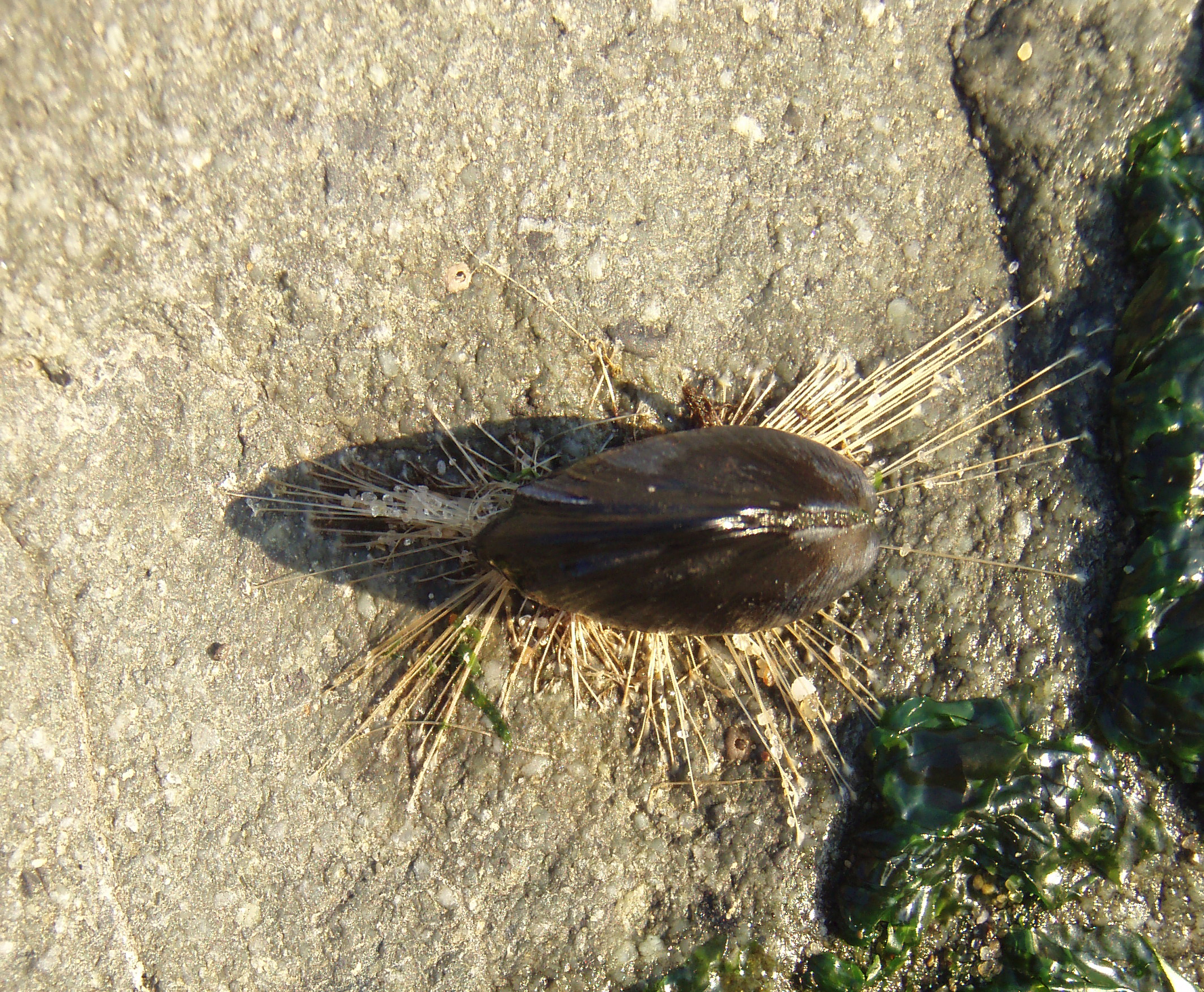
So it is no surprise that the heaviest losses fell on things that stay put. Sessile marine invertebrates, algae, and plants were hit harder than birds and mammals. On the shoreline, animals that filter water for a living had no way to escape the combination of a midday low tide and record air temperatures. Estimates from that summer put the death toll of intertidal animals along the Salish Sea coastline in the hundreds of millions.
The damage rippled outward from there
The heatwave did not stop at killing individual organisms. It reworked how whole ecosystems functioned. Gross primary productivity, which is roughly the rate at which plants capture carbon and build tissue, swung in opposite directions depending on where you looked. In cooler, wetter spots it rose by as much as 30 percent, a short burst of growth in the warmth. In hot, dry areas it collapsed by up to 75 percent as plants shut down to survive.
Water moved differently too. Streamflow fed by melting snow and ice jumped 40 percent during the heatwave as the mountains gave up their frozen stores all at once. Then it fell below average, because the reserves that would normally trickle out over the summer were already gone. And the fire risk climbed fast. Wildfire activity rose 37 percent during the heat itself and then surged 395 percent in the week that followed, once all that vegetation had been baked dry.
Why extreme events are so hard to study
The authors are candid about why this kind of work has lagged behind research on slow, steady warming. Extreme events are brief, unpredictable, and gone before most field teams can mobilize. Nobody has instruments waiting in exactly the right spot for a heat dome that shows up once. That means a synthesis like this leans on data collected for other reasons and stitched together afterward, which introduces gaps. The 32 species are not a random sample of the region's biodiversity, and effects measured at specific sites will not map cleanly onto every population. The study documents what happened; it is less able to say precisely how much of it will stick.
Still, the central lesson is hard to dodge. Ecologists have spent decades modeling the effects of a gradually warming baseline. Events like the 2021 heat dome are a different kind of threat, arriving in days rather than decades and hitting the immobile parts of an ecosystem the hardest. The paper closes with a call for coordinated systems to predict, detect, and respond to these events before they happen. Given that heatwaves are getting more frequent and more intense, the next one will not wait for the science to catch up.
Baum, J. K. et al. "Widespread ecological responses and cascading effects of the 2021 western North American heatwave." Nature Ecology & Evolution, 2026. doi.org/10.1038/s41559-026-02987-6
PubMed PMID: 41813861.
Photograph: Brocken Inaglory, CC BY-SA 3.0, via Wikimedia Commons.
Comments