

People with heterozygous familial hypercholesterolemia are born with a broken cholesterol thermostat. One faulty copy of a cholesterol-clearing gene is enough to keep low-density lipoprotein cholesterol, the so-called bad cholesterol, high for a lifetime. That steady overload starts damaging arteries in childhood and drives heart attacks decades before they would otherwise arrive. Daily pills help, but many patients never reach a safe number, and adherence over 50 or 60 years is its own problem.
A team based mostly in Shanghai has now tried a different bet: change the liver's DNA once and leave it changed. In a phase 1 trial published in Nature Medicine, researchers gave six adults a single intravenous dose of an experimental therapy called YOLT-101. It uses adenine base editing, a technique that rewrites a single letter of DNA without cutting both strands of the double helix, to permanently inactivate a gene called PCSK9. Knock out that gene and the liver keeps more LDL receptors on its surface, which means more cholesterol gets pulled out of the blood.
What a single dose did to LDL
The delivery is the clever part. The editing machinery rides inside lipid nanoparticles decorated with GalNAc, a sugar tag that the liver grabs eagerly. That routes the edit to the right organ instead of spraying it everywhere. Three men and three women received escalating doses of 0.2, 0.4, or 0.6 milligrams per kilogram.
The numbers from the top dose are what caught attention. At 24 weeks, the three people in the 0.6 mg/kg group had circulating PCSK9 down 74.4 percent and LDL cholesterol down 52.3 percent. Those reductions held steady rather than fading, which is the whole point of editing DNA instead of dosing a drug that clears the body. A one-time treatment that cuts LDL in half, and keeps cutting it, would be a genuinely different tool from anything patients take now.
Six people is where the caution starts
This is early work, and the authors say so. Six participants is a tiny group, and the trial was built to test safety and tolerability first, with the cholesterol effects as secondary readouts. No severe adverse events reached grade 3 or higher. The problems that did show up were transient infusion reactions and short-lived rises in liver enzymes, both of which resolved. Twenty-four weeks is also not a lifetime. A permanent genetic change asks for permanent follow-up, because you cannot take the edit back the way you stop a pill.
There is also the question of what a durable answer looks like for a disease measured in decades. The trial shows the edit lands and the cholesterol falls. It does not yet show fewer heart attacks, and it cannot at this size and timescale. That evidence takes larger trials and years of watching.
Why editing the liver is becoming a template
PCSK9 has been a favorite target for a reason. Some people carry natural loss-of-function versions of the gene, walk around with low LDL, and appear no worse for it. That human genetics gives researchers unusual confidence that switching the gene off is tolerable, which is exactly why it keeps showing up as a testbed for new editing approaches.
The broader story is that in vivo base editing, meaning editing performed inside the body rather than in cells removed and returned, is moving from mice into people for common conditions and not only ultra-rare ones. If a sugar-tagged nanoparticle can reliably steer a base editor to the liver, the same playbook could reach other liver-made proteins tied to disease. For now, the honest summary is narrow and real: in six people, one infusion rewrote a gene and cut their LDL, and it stayed cut for six months.
Wan, P. et al. "In vivo base editing gene therapy for heterozygous familial hypercholesterolemia: a phase 1 trial." Nature Medicine, 2026. doi.org/10.1038/s41591-026-04254-4
PubMed PMID: 41776075.
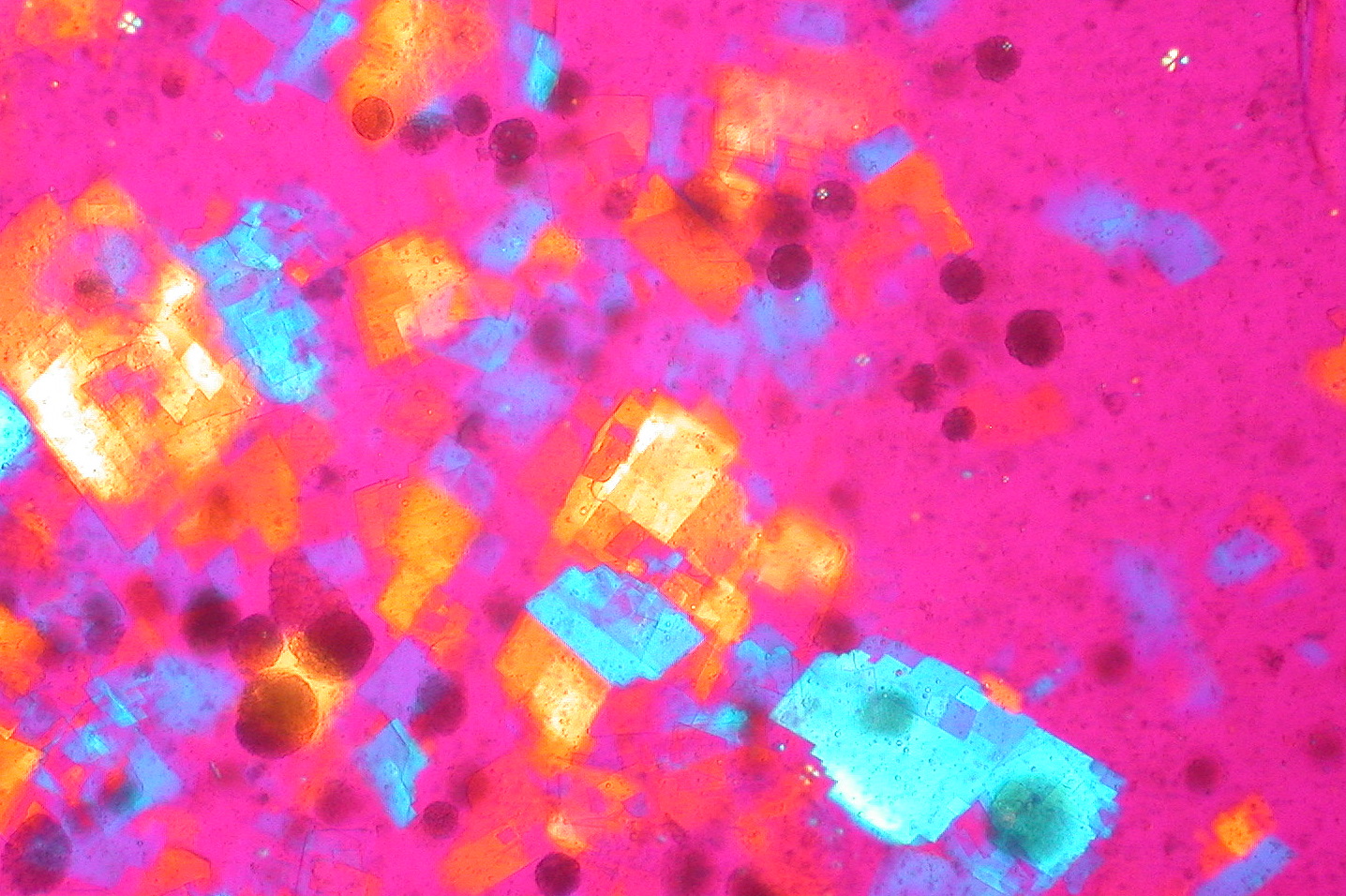
Photograph: Ed Uthman, MD, CC BY 3.0, via Wikimedia Commons.
Comments