

Walk down a row of cucumber plants and most of the flowers you see are male. They open, shed pollen, and drop off. The female flowers, the ones with a tiny cucumber already swelling behind the petals, are rarer and far more valuable. For growers, the ratio of female to male flowers is basically the ratio of fruit to no fruit. Breeders have spent decades chasing plants that lean female.
A team led by researchers at China Agricultural University has now pinned down a single gene that acts as a switch in that decision. Writing in Science, they report that a gene called CsARF3 is essential for building the female parts of a cucumber flower, and that dialing it up or down moves the whole plant toward one sex or the other.
Delete one gene, get an all-male plant
ARF3 stands for Auxin Response Factor 3. Auxin is one of the oldest and most important plant hormones, involved in nearly everything from root growth to how a stem bends toward light. The researchers found that CsARF3 sits inside the auxin signaling machinery and is needed for carpel development, the carpel being the flower structure that becomes the fruit.
When they deleted the gene, the plants became androecious. That is the botanical term for producing only male flowers. No carpels, no cucumbers. When they did the opposite and overexpressed the gene, the plants made more female flowers than usual. The gene was not just correlated with sex. Removing it and adding it back moved the outcome in predictable directions.
Digging into how CsARF3 does this, the team found it works on two fronts at once. It directly turns on a gene that keeps the flower's growth center, the meristem, active. At the same time it shuts down a gene the authors describe as gynoecious, meaning it is tied to femaleness. That combination is how a modest-looking regulatory protein ends up steering an entire developmental program.
Two hormones passing the baton
Cucumber sex was already known to depend on hormones, mainly auxin and ethylene, but how they cooperated was fuzzy. This work lays out an order of events. Early in flower development, ethylene promotes carpel formation, and it does so by acting through auxin. So ethylene leans on auxin to get the female structures started.
Then the direction flips. Once auxin signaling is running inside the developing carpels, it ramps up the plant's own production of ethylene. That extra ethylene goes on to block stamen development, the male part. So the two hormones hand off to each other. Ethylene kicks things off through auxin, then auxin feeds back to make more ethylene, which suppresses maleness. CsARF3 sits at the auxin end of that loop.
It is a tidier picture than the field had before, and it puts a specific gene at a specific point in the chain rather than treating auxin and ethylene as two vague influences pushing in opposite directions.
What this could mean for the greenhouse, and what it cannot
The practical hook is obvious. Cucumbers, along with melons, squash, and their relatives, are grown at enormous scale, and hybrid seed production depends on controlling which flowers show up where. A gene that tips a plant toward female flowers is exactly the kind of lever breeders want. More female flowers can mean more fruit, and finer control over flowering could simplify how hybrid seed is made.
Some caution is worth keeping in view. This is a mechanism worked out in cucumber, and while its relatives share a lot of biology, the paper does not show the same gene behaving identically across every cucurbit crop. The extreme phenotypes, all-male plants and flower-heavy plants, come from strong genetic manipulation in a research setting, not from a field-ready variety. Turning a clean lab result into a commercial line means checking that yield, fruit quality, and disease resistance survive the change. The abstract also does not report how these plants performed over a full growing season, which is where a lot of promising traits stumble.
Still, the core finding is clean. A cucumber flower's sex is not fixed by fate. It runs through a hormone circuit, and one auxin-reading gene helps decide which way that circuit tips.
Han, L. et al. "ARF3-mediated auxin signaling is essential for sex determination in cucumber." Science, 2026. doi.org/10.1126/science.adv2006
PubMed PMID: 41379936.
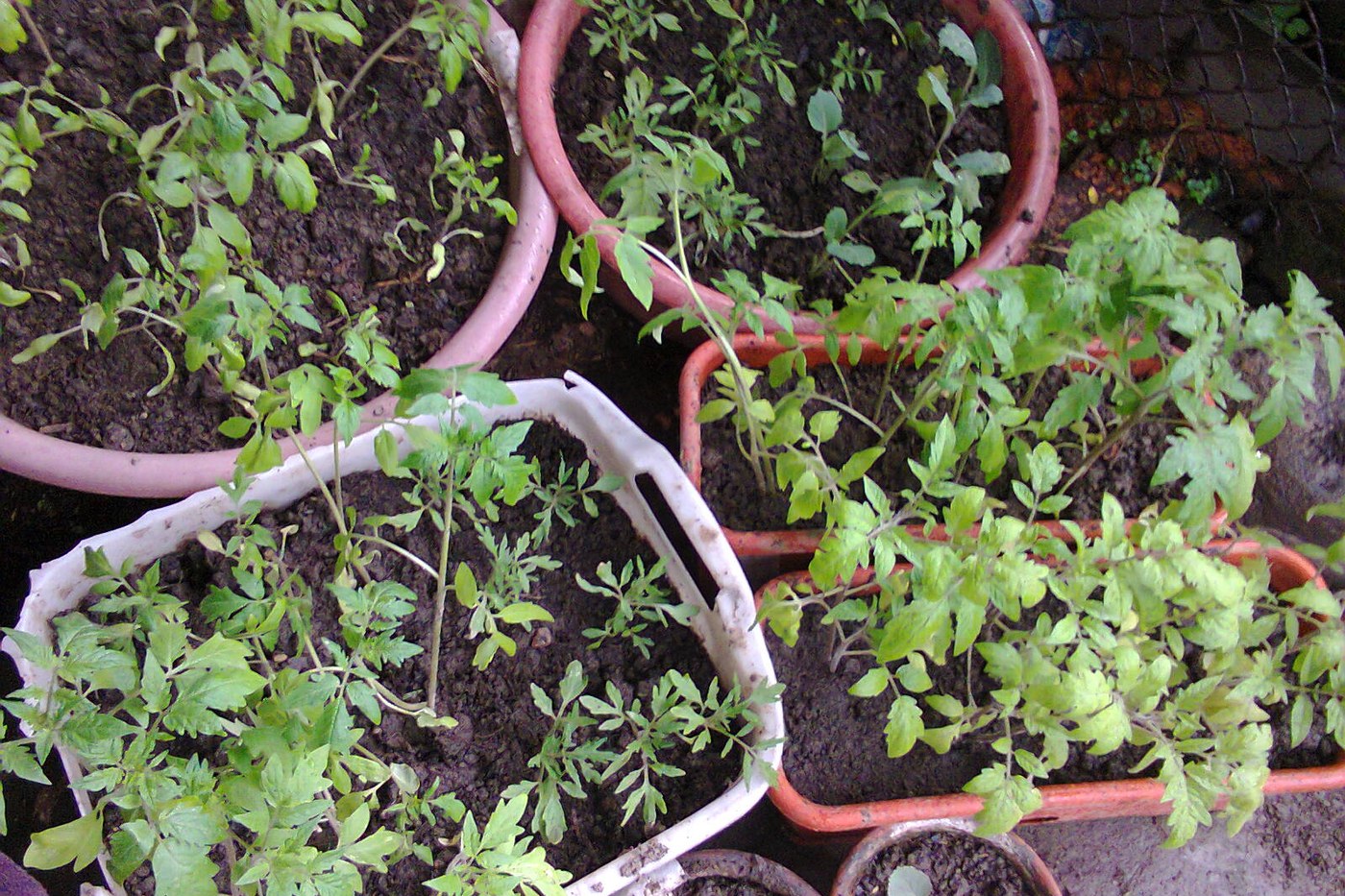
Photograph: edurafi2, CC BY-SA 4.0, via Wikimedia Commons.
Comments