


A heart attack is usually described as a plumbing problem. A vessel clogs, part of the heart muscle starves, and the tissue dies. But the heart is wired as densely as it is plumbed, and those wires run straight to the brain. A team at the University of California, San Diego has now followed that wiring during a heart attack in mice and found something uncomfortable: the nervous system does not just report the injury. It amplifies it.
The work, published in Cell by Saurabh Yadav and colleagues in the labs of Vineet Augustine and Kevin King, maps what the authors call a triple-node heart-brain loop. Damage the heart, and sensory nerves fire back to the brainstem. The brain answers with a surge of stress signaling. That signaling loops back down to the heart and drives more inflammation and more dysfunction. It is a feedback circuit that turns a single injury into a self-sustaining one.
Following the wires out of the heart
The researchers started at the source. Using single-cell RNA sequencing and tissue-clearing techniques that render whole organs transparent, they tracked the sensory neurons that reach into heart muscle. One population stood out: vagal sensory neurons that carry a receptor called TRPV1, the same protein that makes chili peppers feel hot. After a heart attack, these neurons pushed new branches deep into the ventricle, wiring the injured tissue more tightly to the nervous system.
Then they removed those neurons. Mice whose TRPV1 vagal sensory neurons were ablated had smaller infarcts. Their electrocardiograms looked more normal. Their hearts pumped better. The runaway sympathetic nerve growth that usually follows a heart attack was blunted, and levels of interleukin-1 beta, an inflammatory signal that shows up early in cardiac injury, dropped. Cutting the sensory line back to the brain, in other words, protected the heart.
Where the brain enters the story
The next node sits in the brain itself. A heart attack switched on a specific group of neurons in the paraventricular nucleus, a small hub in the hypothalamus that governs stress responses. These neurons carry the angiotensin II type 1 receptor, a familiar target in cardiovascular medicine. When the team quieted those neurons directly, the animals improved in much the same way as when the vagal neurons were removed. The brain was not a passive recipient of bad news from the heart. Its activity was shaping the outcome downstream.
The loop closes at the third node, the superior cervical ganglia. These clusters of sympathetic neurons in the neck showed intensified nerve growth toward the heart after infarction, along with their own surge of interleukin-1 beta signaling. Blocking that inflammatory signal right at the ganglia, without touching the heart or the brain, was enough to cut post-attack complications. Three separate points along the circuit, and interrupting any one of them helped.
Why a mouse loop matters for people
Cardiologists have known for years that heart attack survivors face dangerous arrhythmias and heart failure driven partly by an overexcited nervous system. What has been missing is a clear map of the wiring and the specific molecular handles along it. This study offers both, and it points to targets that existing or near-term drugs might reach, including angiotensin receptors already blocked by common blood-pressure medications and interleukin-1 beta, which has anti-inflammatory antibodies aimed at it.
The caution is the usual one, and it is real. This is mouse physiology, worked out with genetic tools that let researchers silence exact neuron types. Human hearts and human nervous systems are larger, slower to injure, and harder to instrument. Ablating a neuron population in a mouse is not the same as safely dialing it down in a patient who has just survived a heart attack. Whether interrupting the loop helps people, and without side effects elsewhere in the body, is an open question these experiments cannot answer.
Still, the framing is worth holding onto. Treating a heart attack has meant treating the heart. This work argues that the injury is distributed across an organ, a nerve, and a piece of the brain at once, and that the damage feeds on itself through the connections between them. The muscle may be where it starts. It is not the only place to intervene.
Yadav, S. et al. "A triple-node heart-brain neuroimmune loop underlying myocardial infarction." Cell, 2026. doi.org/10.1016/j.cell.2025.12.058
PubMed PMID: 41605213.
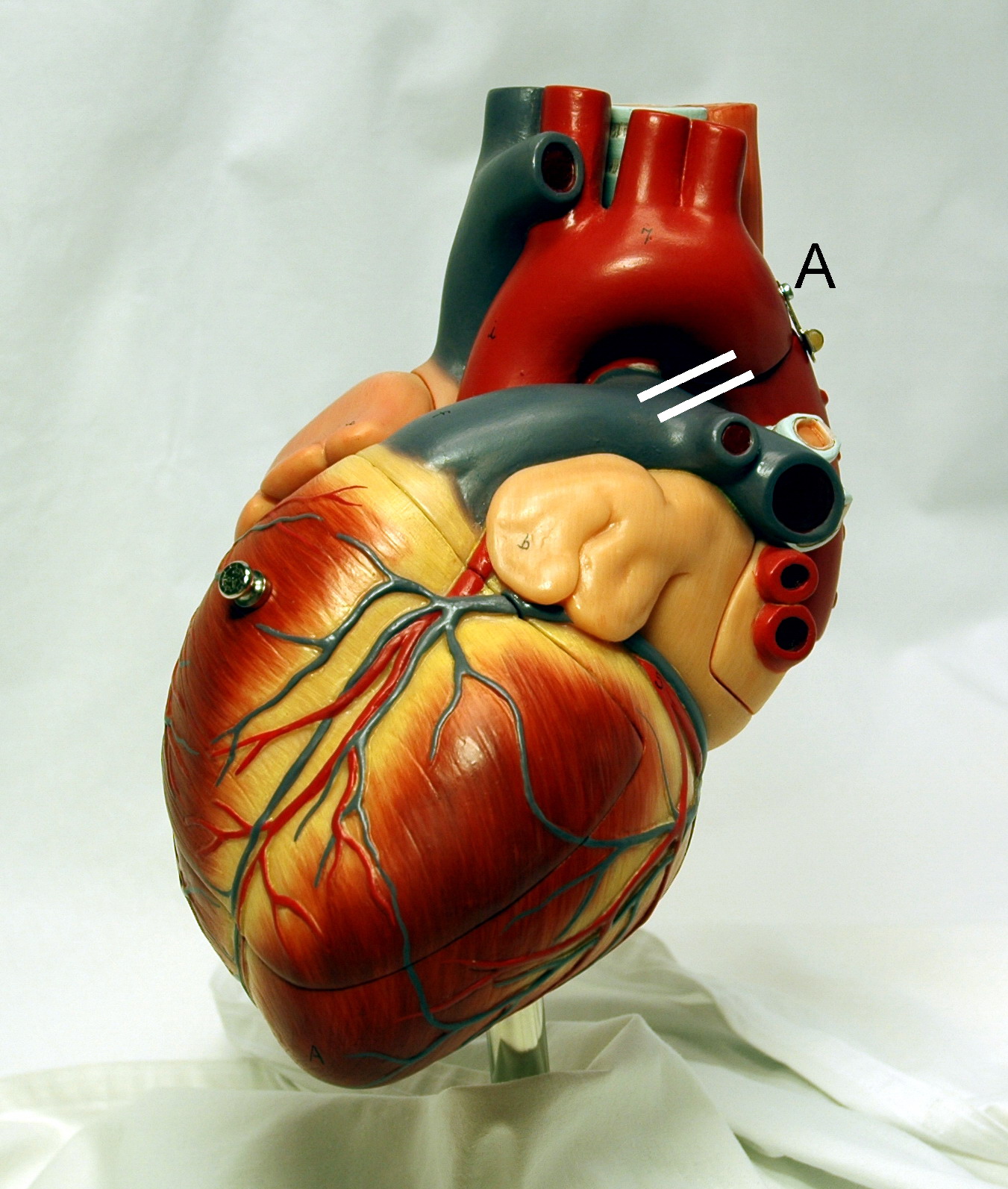
Photograph: Ekko, Public domain, via Wikimedia Commons.
Comments