


The gene therapy for spinal muscular atrophy already exists, and it works. The problem is how it gets in. Onasemnogene abeparvovec, sold as Zolgensma, is infused into a vein, and the dose scales with body weight. For a newborn that is fine. For a 15-year-old it means an enormous quantity of viral vector, enough that regulators capped the approved intravenous version at children under two. Older kids with SMA were left with drugs they had to keep taking for life.
A trial published in Nature Medicine on 8 December tried a different route. Instead of the bloodstream, researchers injected the same therapy straight into the fluid around the spinal cord, the place where the motor neurons that SMA destroys actually live. Delivering it there means a far smaller dose can reach the target, which opens the door to treating people who long ago aged out of the IV formulation.
Why a spinal tap changes the math
SMA is caused by a missing or broken SMN1 gene. Without enough of the SMN protein it makes, the motor neurons in the spinal cord slowly die, and muscles waste. The gene therapy packages a working copy of SMN1 into a harmless virus and ships it to those neurons. Reach them from the blood and most of the dose is wasted crossing the body first. Reach them through cerebrospinal fluid and the drug is essentially already at its destination.
The trial, called STEER, enrolled 126 treatment-naive children aged 2 to under 18. All could sit but had never walked on their own. Seventy-five received the intrathecal therapy, now labeled OAV101 IT, and 51 got a sham procedure. Both patients and assessors were blinded, which matters for a disease measured partly through effortful physical tasks where expectation can nudge the result.
The main yardstick was the Hammersmith Functional Motor Scale-Expanded, a 66-point checklist of movements like rolling, sitting and standing. After 52 weeks, the treated group scored 1.88 points higher than the sham group on average, a gap the researchers report as statistically significant, with a P value of 0.0074. That is a modest number in absolute terms. But in a disease that otherwise tends to hold flat or decline, moving the average upward against a genuine placebo control is the kind of evidence that has been hard to produce in older SMA patients.
What the safety data showed
Because this delivery route sends viral vector into the space around the spinal cord, the obvious worry was toxicity to nearby nerve tissue and the liver, both of which have been flagged with the intravenous drug. Here the overall rates of adverse events, serious adverse events and events of special interest were similar between the treated and sham groups. Increases in liver enzymes did happen but were described as infrequent, mostly low grade and temporary. Two children in the treatment arm and one in the sham arm developed sensory symptoms.
A companion paper in the same issue reported on a separate group: 27 older children, some as old as 17, who had already been on nusinersen or risdiplam and then switched to the intrathecal gene therapy. Everyone in that study had at least one side effect, most commonly ordinary things like colds, fever and vomiting, and the safety picture lined up with what the naive-patient trial found.
The parts worth keeping in view
This was one year of follow-up, not a lifetime. A single dose of gene therapy is meant to last, but proving durability takes years, and the trial cannot yet say whether the motor gains hold or grow. The improvement, while real against sham, was small, and the study measured a specific slice of the SMA population: children who could sit but not walk. It does not speak to the most severely affected infants or to adults. The therapy is developed by Novartis, and several authors are company employees, which is standard for a registration trial but worth noting. And an intrathecal injection, though less dose-hungry than an IV infusion, is still an invasive procedure with its own risks.
What the work adds up to is a plausible way to extend a one-time genetic fix to patients the original version could never reach. For families whose only option has been indefinite treatment, that is the point.
Proud, C. M. et al. "Intrathecal onasemnogene abeparvovec in treatment-naive patients with spinal muscular atrophy: a phase 3, randomized controlled trial." Nature Medicine, 2025. doi.org/10.1038/s41591-025-04103-w
PubMed PMID: 41360993.
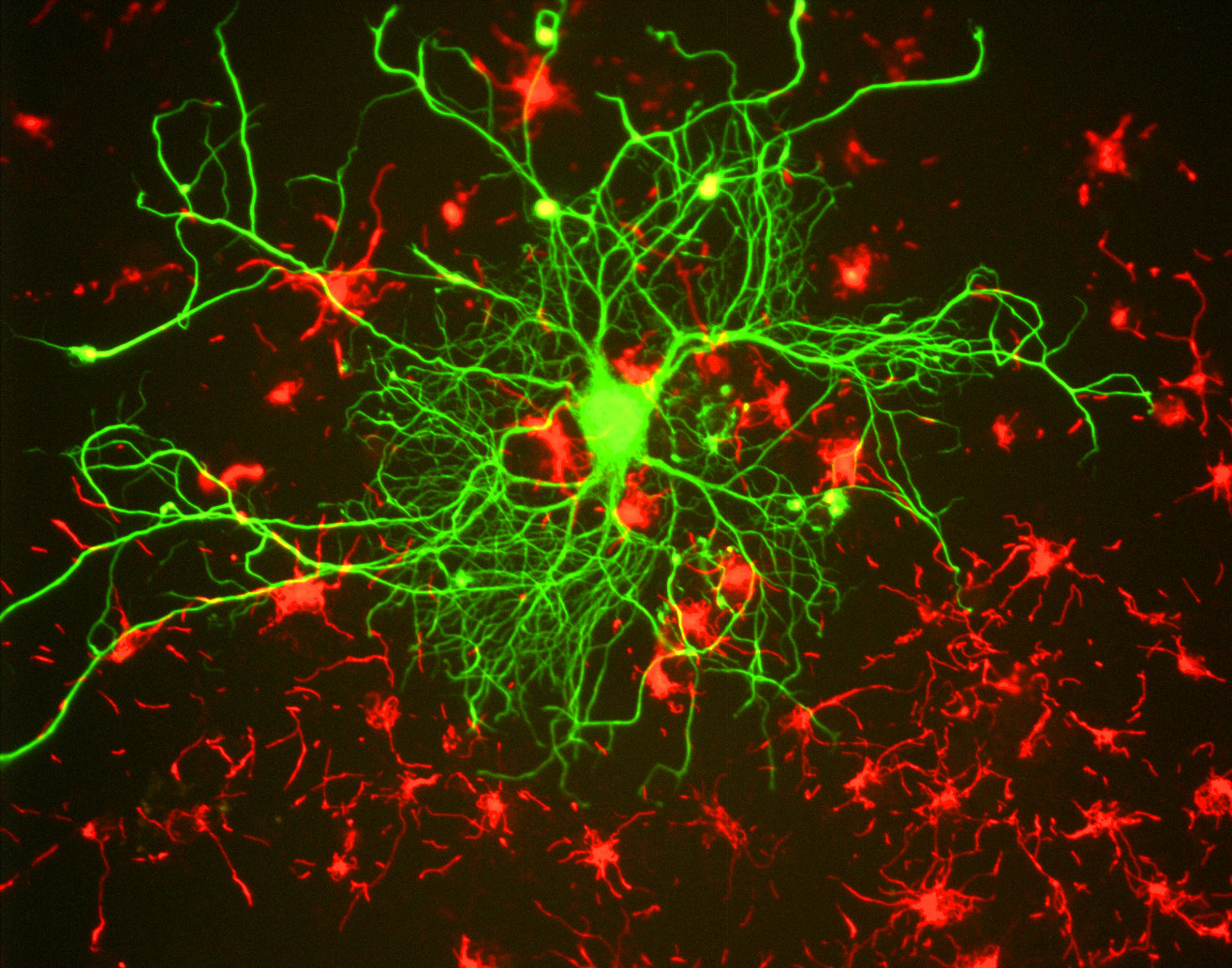
Photograph: GerryShaw, CC BY-SA 3.0, via Wikimedia Commons.
Comments