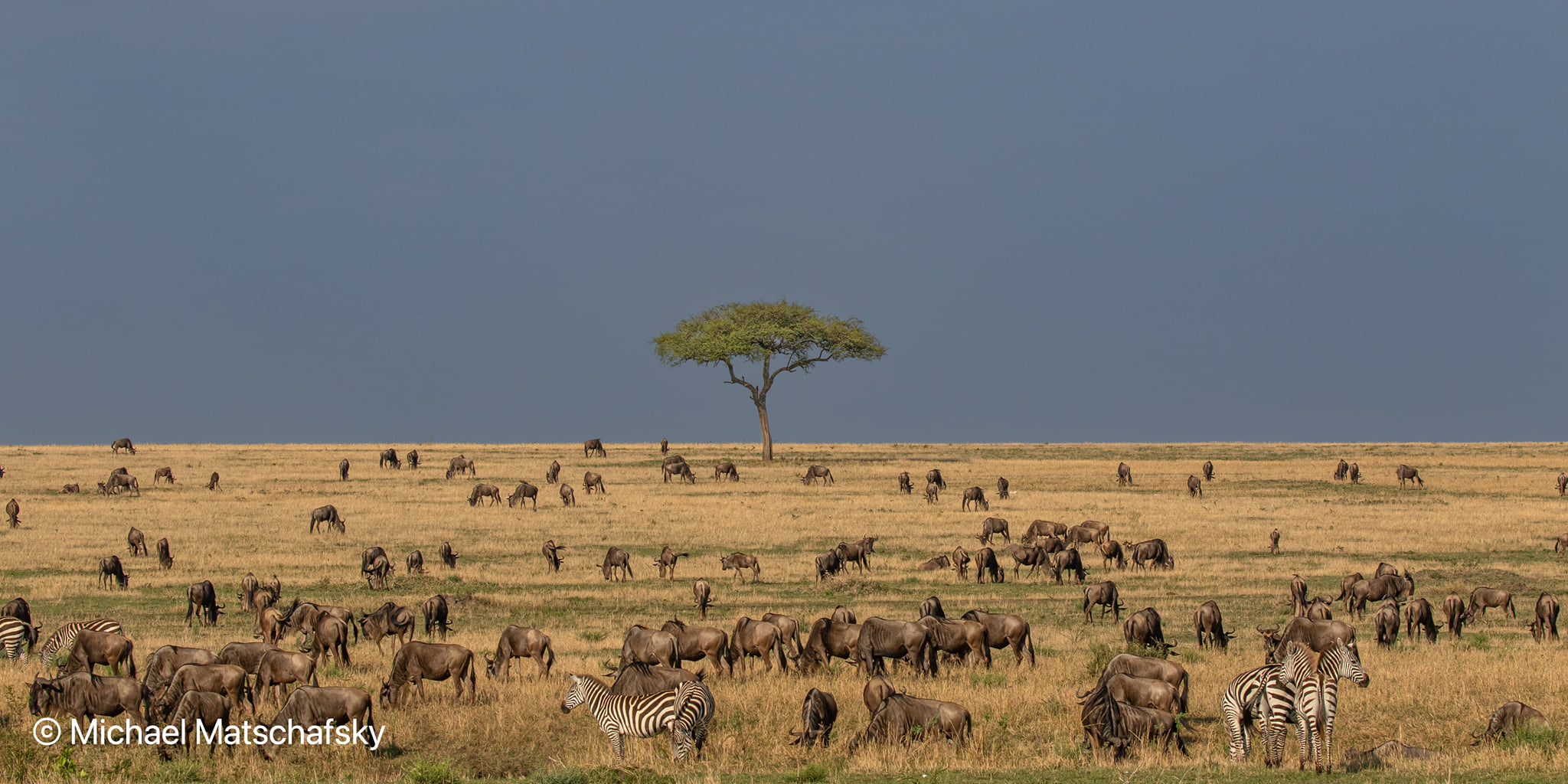
Count the species in a patch of savanna and you get a number. What you do not get is what those animals actually do. An elephant knocks down trees and spreads seeds in its dung. A dung beetle buries nutrients. A pollinating bird moves genes between plants. Species lists flatten all of that into a single tally, and a tally cannot tell you whether an ecosystem is still functioning.
A team led by Ty Loft at the University of Oxford set out to measure the doing instead of the counting. Writing in Nature, they translated the animal communities of sub-Saharan Africa into the energy those animals push through food webs. The verdict is bleak. Across the region, the trophic energy flowing through mammal- and bird-mediated functions has dropped by more than a third compared with an intact historical baseline.
Energy as a common currency for what animals do
The core move here is treating ecosystem function as a physics problem. Pollination, seed dispersal, nutrient cycling, predation: each of these is work, and work costs energy. By combining datasets on biodiversity intactness with estimates of species population densities, the researchers converted "which animals live here, and how many" into "how much energy passes through the jobs those animals perform."
That reframing matters because most biodiversity metrics resist this kind of breakdown. You can say a region has lost a certain fraction of its species richness, but that number does not tell you whether the lost species were the ones doing the ecological heavy lifting. Energetics does. It lets you separate the collapse of one function from the persistence of another, and it puts a physical unit on something that usually gets described in vague terms.
One result cuts against intuition. Because the accounting is based on energy rather than body size or charisma, it surfaces the ecological weight of smaller animals and keystone species that species counts tend to overlook. Big grazers still matter enormously, but they are not the whole story.
Different biomes, different losses
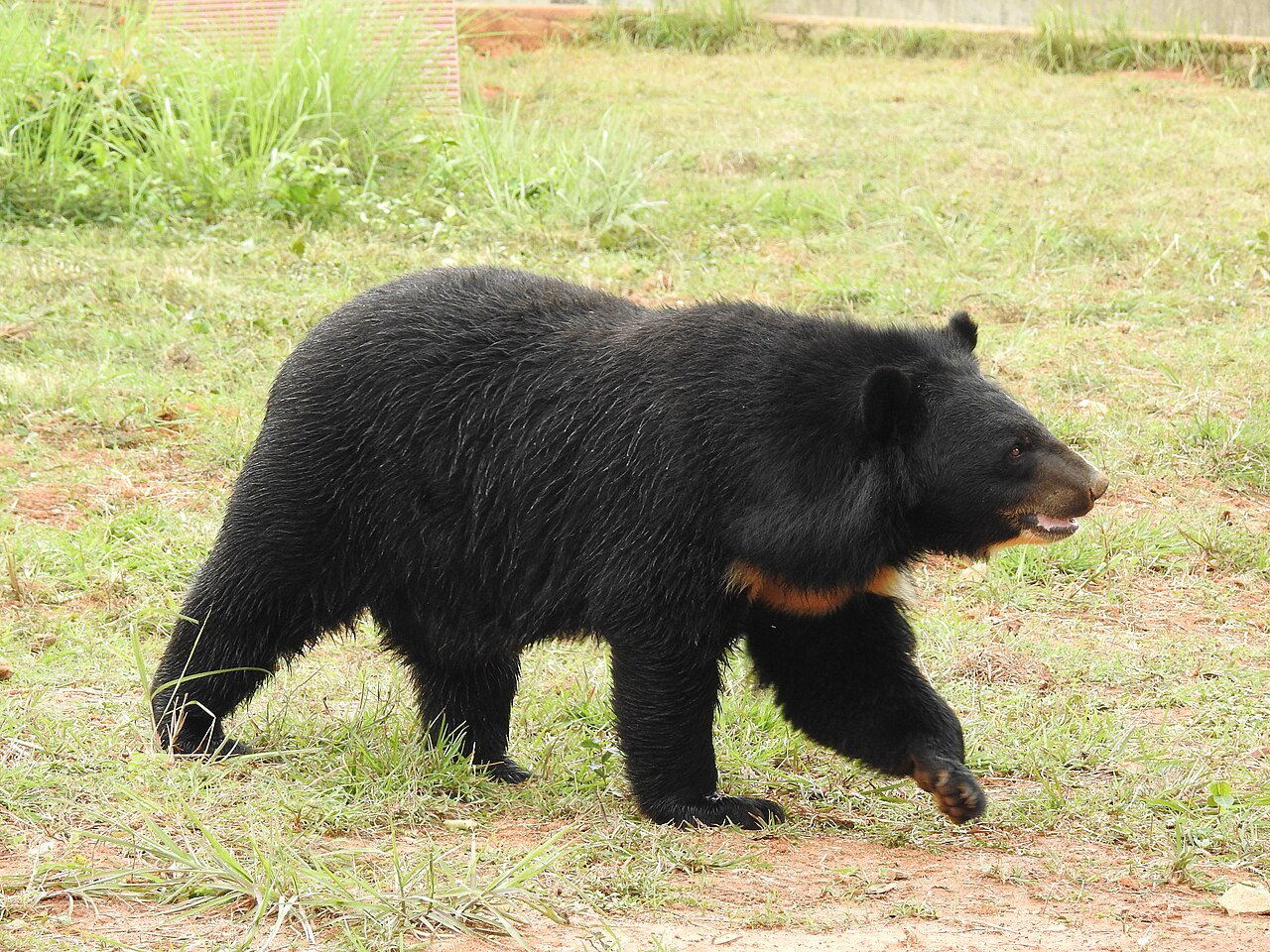
The decline is not uniform. It plays out differently depending on the historical biome. In forests, the falling energy flow is driven mostly by arboreal birds and primates. In grassy systems, it is terrestrial herbivores. In arid systems, the losses run through burrowing mammals, the animals that churn and aerate dry soils.
The starkest pattern involves megafauna. The functions performed by the largest animals have, in the authors' words, collapsed outside protected areas. Inside reserves, big animals still move energy around. Step past the boundary and that machinery largely stops. It is a sharp line drawn across the map of a continent, and it says something uncomfortable about how much of Africa's large-animal ecology now survives only where it is fenced or patrolled.
Why an energy budget beats a species list
The practical pitch is that this approach gives conservation practitioners something they can act on. Knowing that arboreal frugivores drive forest function, or that burrowing mammals underpin arid systems, points to which animals to prioritize when restoring a degraded landscape. The goal shifts from maximizing a species count to rebuilding an energetically intact system that still does its ecological work across different land uses.
There is a bigger ambition too. Earth system models, the tools used to project how the biosphere responds to climate and land-use change, have long struggled to represent what animals contribute. Plants and microbes are easier to plug in. By linking biodiversity intactness to energy and material flows, the authors argue that animal-driven functions could finally be folded into those models, and that the same framework might help define regional or planetary boundaries for biodiversity.
Some caveats are worth keeping in view. The energy flows here are reconstructed from intactness layers and modeled population densities, not from direct field measurement of every function, so the headline figure is a modeled estimate rather than a census. The work covers sub-Saharan Africa, and the biome-specific patterns should not be assumed to transfer unchanged to other continents. The study also quantifies lost function without fully resolving every downstream consequence for the plants, soils and climate those functions support. Still, the central number is hard to shrug off. A third of the animal-powered energy that once ran through these ecosystems is simply no longer moving.
Loft, T. et al. "Energy flows reveal declining ecosystem functions by animals across Africa." Nature, 2025. doi.org/10.1038/s41586-025-09660-1
PubMed PMID: 41162713.
Photograph: Michael Matschafsky, CC BY-SA 4.0, via Wikimedia Commons.
Comments