

Push a seed into hard, packed ground and its root does something odd. Instead of driving straight down, it swells sideways, growing stubby and thick like a finger that hit a wall. Farmers have watched this for generations. Compacted soil, from heavy machinery or years of trampling, blunts root systems and drags down yields. What nobody could fully explain was the biology of the swelling itself. Why does a blocked root get fatter rather than simply stopping?
A study published in Nature on 26 November traces that response down to the level of individual cell walls, and to a single plant hormone flipping genetic switches inside the root.
The hormone that reads the ground
The hormone is ethylene, a small gas molecule plants use for all sorts of signalling, from ripening fruit to responding to stress. When a root meets compacted soil, ethylene builds up around it, since the gas cannot diffuse away through the tightly packed particles. That accumulation is the plant's first clue that it is stuck.
The researchers, led by Jiao Zhang and colleagues, followed what ethylene does next. In the root cortex, the layer of cells beneath the outer skin, ethylene ramps up the activity of a gene called Auxin Response Factor1. That factor then does something counterintuitive. It represses a family of genes known as cellulose synthase, or CESA, which build cellulose, the main structural fiber of a plant cell wall.
Turn down cellulose production and the walls of those cortical cells change. Rather than laying down more of the stiff scaffolding that would let a cell stretch lengthwise, the cells remodel. The team measured the result directly: a thicker outer epidermis and a thinner cortex. The whole root grows wider and shorter, which is exactly the shape you see when a root runs into resistance.
Wall thickness as the lever
The satisfying part of this work is how mechanical it is. Cellulose fibers act a bit like the hoops on a barrel. Lay them down in tight bands and a cell is forced to grow long and narrow. Loosen or thin that arrangement and the cell can bulge outward instead. By tying ethylene signalling to CESA repression, the study shows the plant is essentially adjusting the stiffness of its own building material to change the direction of growth.
This reframes root swelling not as damage or a passive failure to advance, but as a coordinated program. The root is remodeling its architecture to match its surroundings. A wider root can generate more radial force and may be better suited to shoving soil particles aside, even if it sacrifices depth to do it. Whether that trade-off helps or hurts a crop depends on the field, but at least now the wiring behind it is visible.
What this could mean for tougher crops
Soil compaction is a real and growing agricultural problem. As farm equipment gets heavier and soils are worked harder, more ground becomes dense enough to choke root systems. Understanding the ethylene-to-cell-wall pathway gives breeders and researchers specific molecular targets. If you could tune how strongly a root represses its cellulose genes under pressure, you might steer it toward growth patterns that punch through hard layers instead of stalling at them.
A note of restraint is warranted. This is a mechanism study, and much of the detailed work in plant biology of this kind is done in model systems and controlled conditions rather than in a muddy field over a full season. Knowing that ethylene upregulates one auxin response factor, which represses cellulose synthase, is a clean causal chain, but it is one thread in a much larger tangle of hormones and mechanics that govern root growth. The paper links ethylene signalling to cell wall remodeling; it does not hand anyone a compaction-proof crop.
Still, the appeal here is the specificity. A root meeting hard soil is a problem you can see with your naked eye in any garden. This study follows that visible response all the way down to which genes go quiet and how thick a cell wall becomes. It turns a familiar bit of frustration into a chain of molecular events you could, in principle, redesign.
Zhang, J. et al. "Ethylene modulates cell wall mechanics for root responses to compaction." Nature, 2026. doi.org/10.1038/s41586-025-09765-7
PubMed PMID: 41299175.
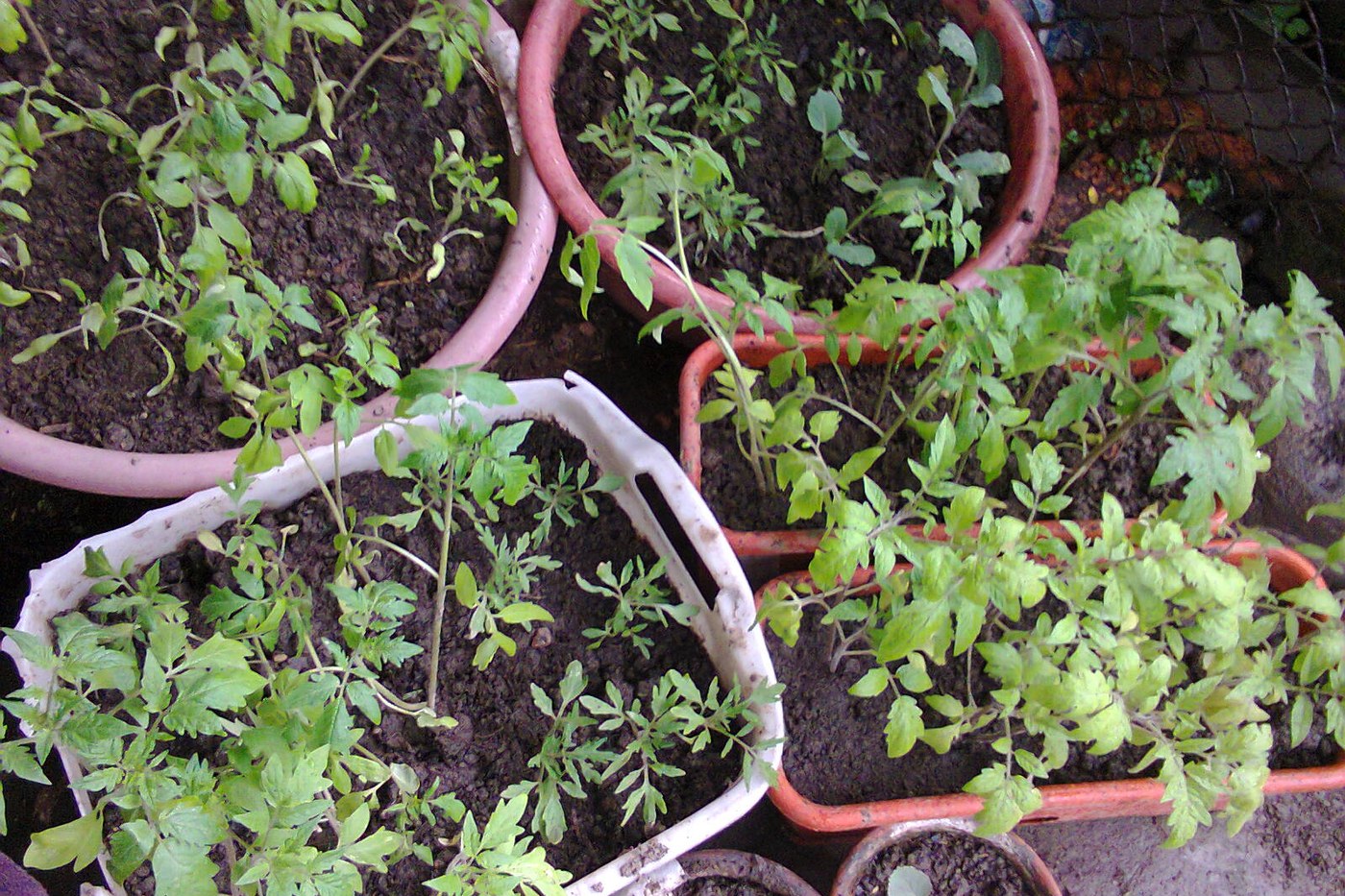
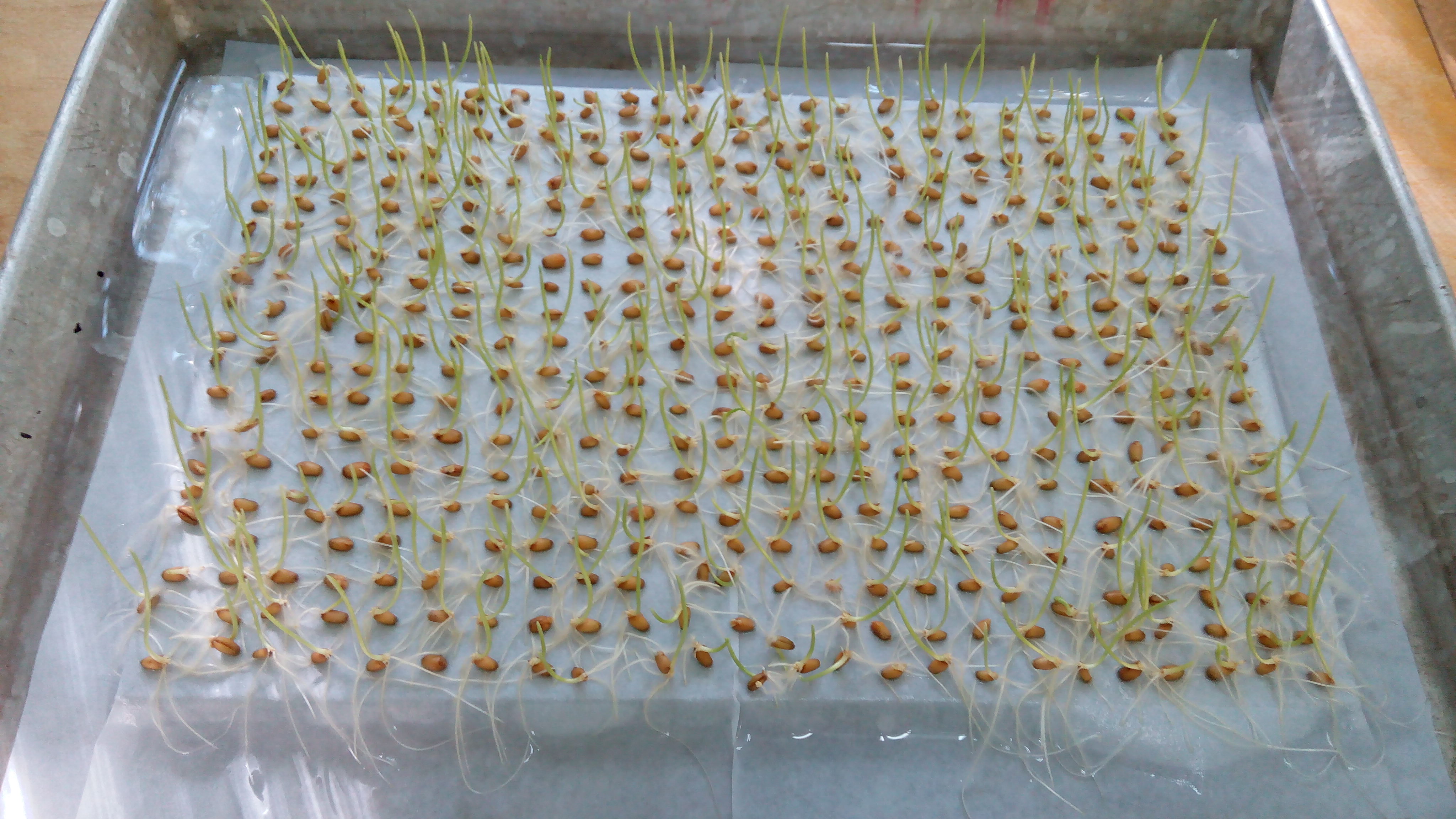
Photograph: Oksana Lastochkina, CC BY-SA 4.0, via Wikimedia Commons.
Comments