


A patient sits down at a screen in a Swedish primary care clinic and works through a short set of memory and thinking tasks on their own. No neurologist in the room. No hour-long paper-and-pencil battery administered by a specialist. Just the patient and the tablet. When researchers added a single blood test to that self-run assessment, the combination correctly sorted out who had Alzheimer's disease 90% of the time. The family doctors working the same cases, using the tools they normally reach for, managed 70%.
That gap is the point of a study published in Nature Medicine by Pontus Tideman and colleagues at Lund University. The team built a digital test battery they call BioCog and put it through its paces where most people with memory complaints actually show up first: the general practitioner's office, not a memory clinic.
Why the front door of the health system matters now
The timing is not accidental. Drugs that target amyloid-beta, the protein that clumps in the Alzheimer's brain, have moved from trials into clinics. Those therapies only make sense for people who actually have the disease, and they work best early. So the practical bottleneck has shifted. It is no longer whether a treatment exists. It is whether an ordinary clinic can figure out, quickly and cheaply, which patient in front of them qualifies.
Primary care is where that triage has to happen, and it is where the tools have always been weakest. The researchers designed BioCog to be brief and self-administered precisely so it could fit into that setting without adding specialist labor.
They developed the scoring model in a secondary care cohort of 223 people, building a logistic regression from the test's sub-scores. Then they took the finished tool to an independent group: 403 patients across 19 primary care centers. That second step is the one that counts, because a model that looks sharp on the data it was trained on often stumbles in the real world.
The numbers, laid out plainly
Used on its own with a single cutoff to flag cognitive impairment, BioCog hit 85% accuracy. The primary care physicians assessing the same patients reached 73%. Push BioCog to a two-cutoff approach and its accuracy climbed to 90%. The test also outperformed the familiar paper instruments doctors have leaned on for years, including the Mini-Mental State Examination, the Montreal Cognitive Assessment, and the Mini-Cog, as well as another digital competitor.
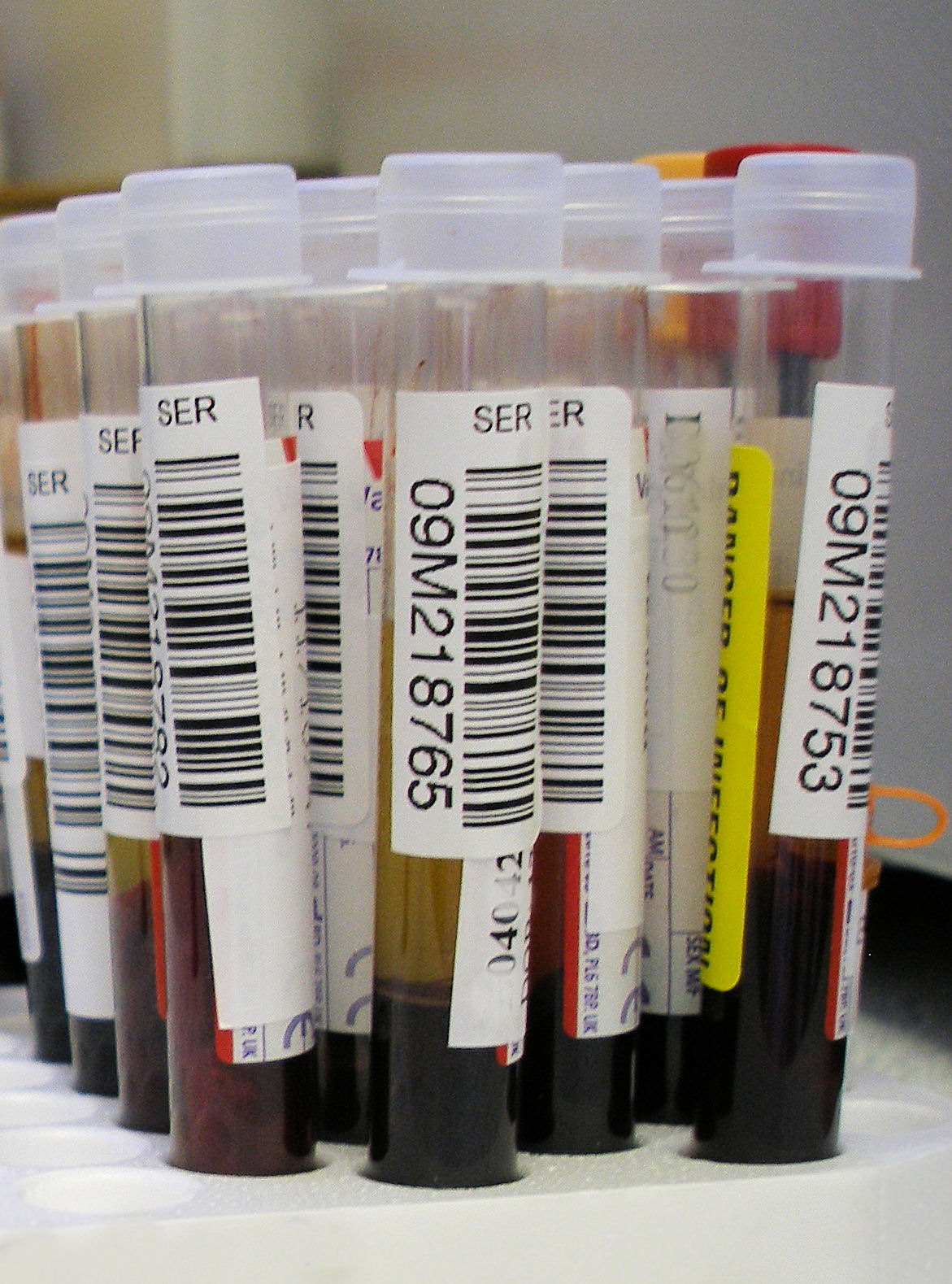
Detecting impairment is one thing. Naming the cause is harder. To identify clinical, biomarker-verified Alzheimer's specifically, the team paired BioCog with a blood test. That combination reached 90% accuracy. Standard-of-care assessment got to 70%. The blood test alone landed at 80%. In other words, neither piece did as well by itself as the two did together.
The blood component here reflects a broader shift. Blood-based markers of Alzheimer's have matured fast, and a simple draw is far easier to run in a clinic than a spinal tap or a PET scan. The study leans on that convenience without pretending the marker replaces the cognitive picture.
What this does not settle
The authors are careful to frame this as proof-of-concept, and that framing deserves to stick. The work played out in the Swedish health system, in one region, with cohorts numbering in the hundreds. Whether the same accuracy holds in other countries, other clinic setups, and more diverse populations is an open question. A test that runs beautifully in Malmo may behave differently elsewhere.
There are also people this design may not serve well. A self-administered screen assumes a patient can navigate it, which raises questions about those with limited digital comfort, language barriers, or the sensory and motor problems that come with age. And 90% accuracy, impressive as it is against a 70% baseline, still means errors. Some patients will be flagged who do not have the disease, and some who have it will be missed. When the downstream decision involves a costly, amyloid-targeting drug, the cost of each kind of mistake is worth weighing carefully.
Still, the shape of the result is hard to ignore. A short test a patient can run themselves, plus a tube of blood, closed most of the gap between a rushed clinic visit and a specialist workup. That is the sort of tool that could actually change who gets identified, and when.
Tideman, P. et al. "Primary care detection of Alzheimer's disease using a self-administered digital cognitive test and blood biomarkers." Nature Medicine, 2025. doi.org/10.1038/s41591-025-03965-4
PubMed PMID: 40954312.
Photograph: GrahamColm, CC BY-SA 3.0, via Wikimedia Commons.
Comments