

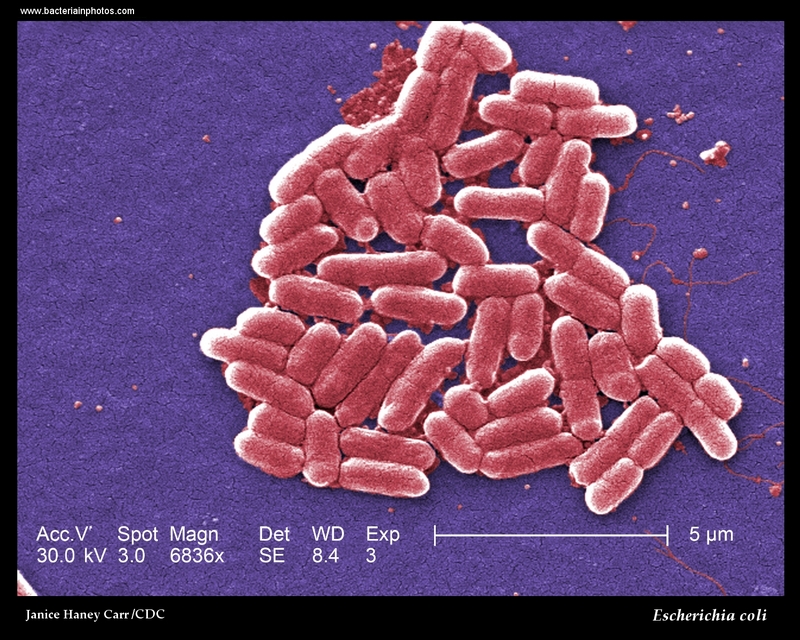
Stool is mostly bacteria, and that is what most gut tests read. But feces also carry something researchers have largely thrown away: the human cells that slough off the lining of the digestive tract as it constantly renews itself. Those shed cells are packed with clues about what the gut is doing. Getting a clean readout of their RNA has been close to impossible, because the material degrades fast and gets swamped by everything else in the sample.
A team at Columbia and Vanderbilt has now built a method to do exactly that. Writing in Nature Biotechnology, Yiming Huang and colleagues describe exfoliome sequencing, which they call Foli-seq. It captures the messenger RNA from exfoliated host cells that came from both the upper and lower gastrointestinal tract. The pitch is simple. You already produce the sample. The question is whether you can pull a reliable biological signal out of it.
Turning a discarded signal into data
The core problem is degradation and cross-contamination. RNA from dying, shed cells does not survive a trip through the gut in pristine shape. The authors found that a subset of these transcripts, which they call feRNAs, are stable enough to measure and that they reflect intestinal and immune activity. To get clean numbers, Foli-seq selectively amplifies targeted transcripts rather than trying to read everything at once. The team reports that this gives robust, sensitive and quantitative measurements, which matters because a diagnostic that only works some of the time is not much of a diagnostic.
What makes the approach interesting is that it does two jobs from one sample. The same stool can be profiled for both the exfoliome and the microbiome. When the researchers did that together, they mapped a dense network of interactions between host cells and gut microbes. That combination is hard to get any other way without putting a scope or a needle into someone.
Watching inflammation rise and fall
Most of the mechanistic work was done in mice with induced colitis. Here the method showed its value as a time-lapse rather than a snapshot. Across the course of disease, feRNA tracked the sequence of events in the gut wall: epithelial damage, the immune response that followed, and then the slow return toward normal as the tissue recovered. The patterns differed depending on the type of inflammation, which suggests the readout carries information about mechanism, not just a generic "something is wrong" flag.
That temporal angle is the part worth sitting with. Inflammatory gut disease flares and settles, and clinicians often have to guess where a patient sits on that curve. A noninvasive test that can be repeated as often as you can collect a sample could, in principle, follow the arc instead of catching single frames.
The team also took the method to human samples. They report that Foli-seq stratified patients with inflammatory bowel disease into subgroups that lined up with disease severity. That is a meaningful step beyond mouse work, though it is where the usual caution applies.
How far this actually goes
This is a method paper, and it should be read as one. The detailed disease-timeline results come from mouse colitis models, which are useful but not the same as human Crohn's disease or ulcerative colitis. The human data show that patient subgroups track with severity, but the paper does not claim a validated clinical test ready for the clinic. Sample sizes, reproducibility across labs, and how the readout holds up across diet, medication and everyday variation are the kinds of questions that decide whether something like this survives contact with real patients. None of that is settled here.
There is also the plumbing question. A test that depends on catching fragile RNA in stool has to be rugged enough to work outside a specialized lab, and the paper's selective-amplification trick is aimed squarely at that, but proving it at scale is a separate effort.
Still, the underlying idea is appealing precisely because it is undramatic. The gut is already sending out a stream of its own cells every day. Foli-seq is an attempt to stop discarding that stream and start reading it. If the human results hold up in larger studies, the appeal is obvious: a way to monitor the gut over time without asking anyone to swallow a camera or book a colonoscopy.
Huang, Y. et al. "Fecal exfoliome sequencing captures immune dynamics of the healthy and inflamed gut." Nature Biotechnology, 2025. doi.org/10.1038/s41587-025-02894-4
PubMed PMID: 41249836.
Photograph: Janice Haney Carr, Public domain, via Wikimedia Commons.
Comments