

Some of the bacteria living quietly in your colon carry a genetic package called the pks island. It lets them build colibactin, a small molecule that nicks and cross-links DNA in the cells lining the gut. Over years, that damage leaves a distinctive scar in the genome that researchers keep finding in colorectal tumors. There is no approved drug that goes after colibactin itself. A team writing in Nature Microbiology tried a different route. Instead of killing the toxin-making bacteria or blocking the chemistry, they built a second bacterium whose only job is to soak up the poison.
The trick sits on the cell surface. Bacteria that make colibactin protect themselves with an internal antitoxin called ClbS, which quietly disarms the molecule before it can harm the producer. The researchers took that protein and stuck it to the outside of an Escherichia coli cell, fusing ClbS to outer membrane protein A so the antidote faces outward. The engineered strain, called ClbS-OmpA, essentially patrols the neighborhood wearing the antitoxin on its skin, neutralizing colibactin released by nearby pks-positive bacteria.
An antidote pointed outward
In lab dishes, the approach held up across several different colibactin-producing isolates, not just one convenient lab strain. Human cell lines exposed to the toxin normally show broken DNA and a stalled cell cycle. With the surface-display bacteria present, both effects dropped. The team pushed the test further into human intestinal organoids, the small self-organizing tissue balls grown from gut stem cells, and saw the same protection there.
They also lined the method up against an existing option. D-serine is a small molecule that shuts down colibactin synthesis at the source. In these comparisons, the engineered bacteria did better at shielding cells than the chemical inhibitor. That is a meaningful contrast, because it suggests mopping up the finished toxin can beat trying to stop its assembly.
From dishes to living guts
Cell cultures are one thing. The harder question is whether living bacteria can pull this off inside an animal, where a whole microbial community is already competing for space and food. The researchers moved the strains into mice. In a colitis model, where the gut lining is inflamed and injured, the engineered bacteria reduced the intestinal damage. In mouse models of colon cancer driven by pks-positive E. coli, the modified strains suppressed tumor formation.
That is the part that matters most for the long game. Colibactin is interesting to cancer biologists precisely because it acts slowly and leaves fingerprints in tumor DNA. Showing that a benign engineered bacterium can blunt tumor growth in an animal moves the idea from a chemistry demonstration toward something that behaves like a treatment.
Worth reading twice
The usual cautions apply, and they are not small. Everything here happened in cell lines, organoids, and mice. Mouse colon cancer models are useful but they are not people, and a bacterium that thrives in a rodent gut may not settle into a human one the same way. There is also the practical matter of keeping an engineered organism doing its job in the messy, crowded environment of a real digestive tract over long stretches of time. The authors frame this as a starting point rather than a finished therapy.
What makes the work worth attention is the design logic. Rather than fighting the microbiome, it borrows a defense the microbes already invented and repositions it. The self-resistance protein that toxin producers use to survive their own weapon becomes a public good when displayed on a different cell. The same surface-display strategy, the authors note, might be aimed at other suspect bacterial metabolites down the line. It reframes a member of the gut community not as a target to eliminate but as a chassis to reprogram, which is a fairly different way of thinking about what a probiotic could be.
Yang, S. et al. "Surface expression of antitoxin on engineered bacteria neutralizes genotoxic colibactin in the gut." Nature Microbiology, 2025. doi.org/10.1038/s41564-025-02177-3
PubMed PMID: 41361522.
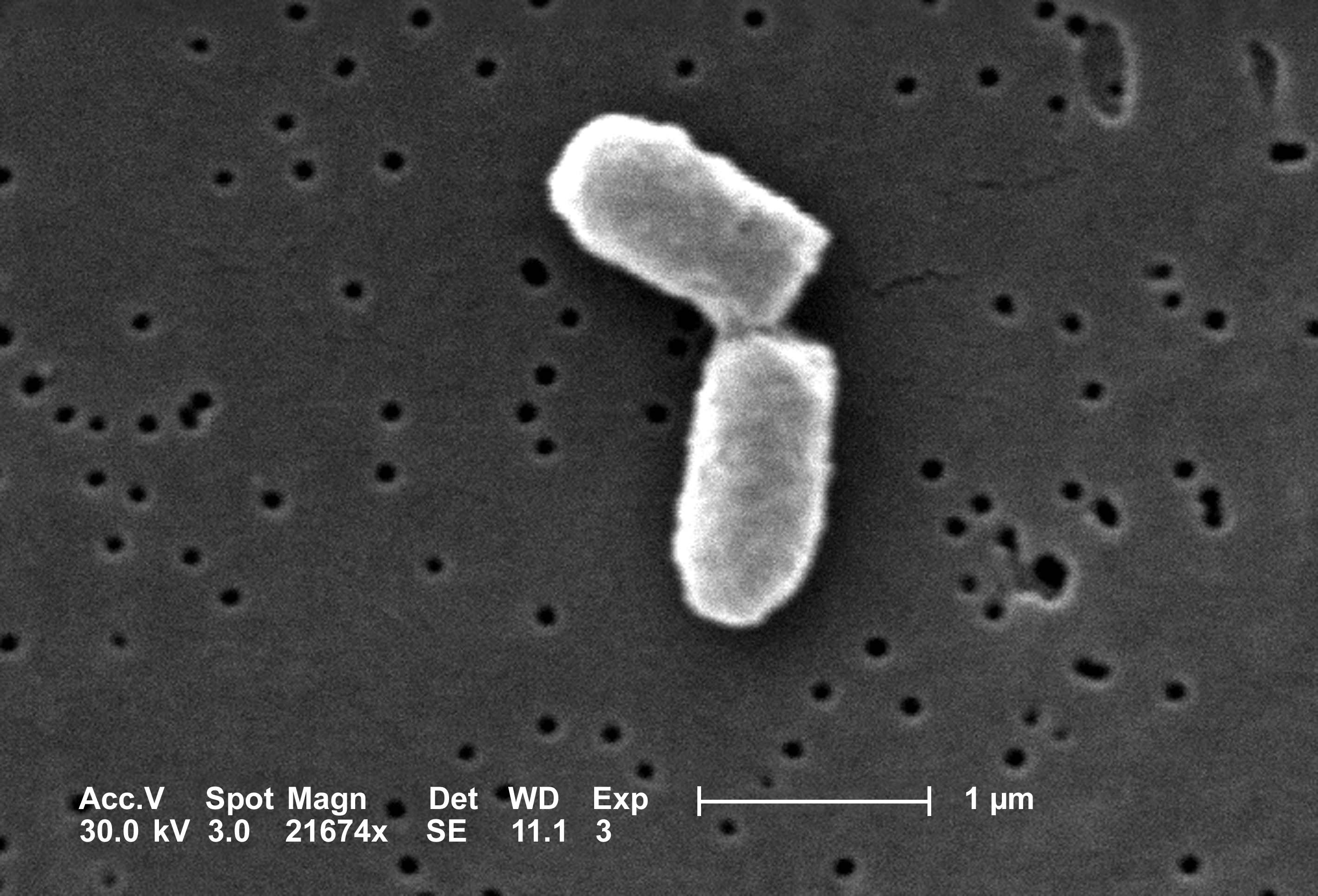
Photograph: CDC / Evangeline Sowers, Janice Haney Carr, Public domain, via Wikimedia Commons.
Comments