
Phage-inducible chromosomal islands, or PICIs, are a class of small genetic parasites that hitch rides inside bacteriophages to spread between bacterial cells. One particular subgroup — capsid-forming PICIs, or cf-PICIs — has long puzzled microbiologists. Unlike most satellites, which are tightly tied to one bacterial species, identical cf-PICIs show up across very different bacterial hosts. Nobody had a clear mechanism for that until recently, after years of work by a team at the University of Glasgow and collaborators.
When the group finally pieced together the answer in 2025, they decided to use it as a blind test. They posed the same question — how can identical cf-PICIs appear in unrelated bacterial species? — to Google's AI co-scientist, a large-language-model-based system designed to generate scientific hypotheses. The system had no specialized training in phage biology, satellite genetics, or bacterial evolution.
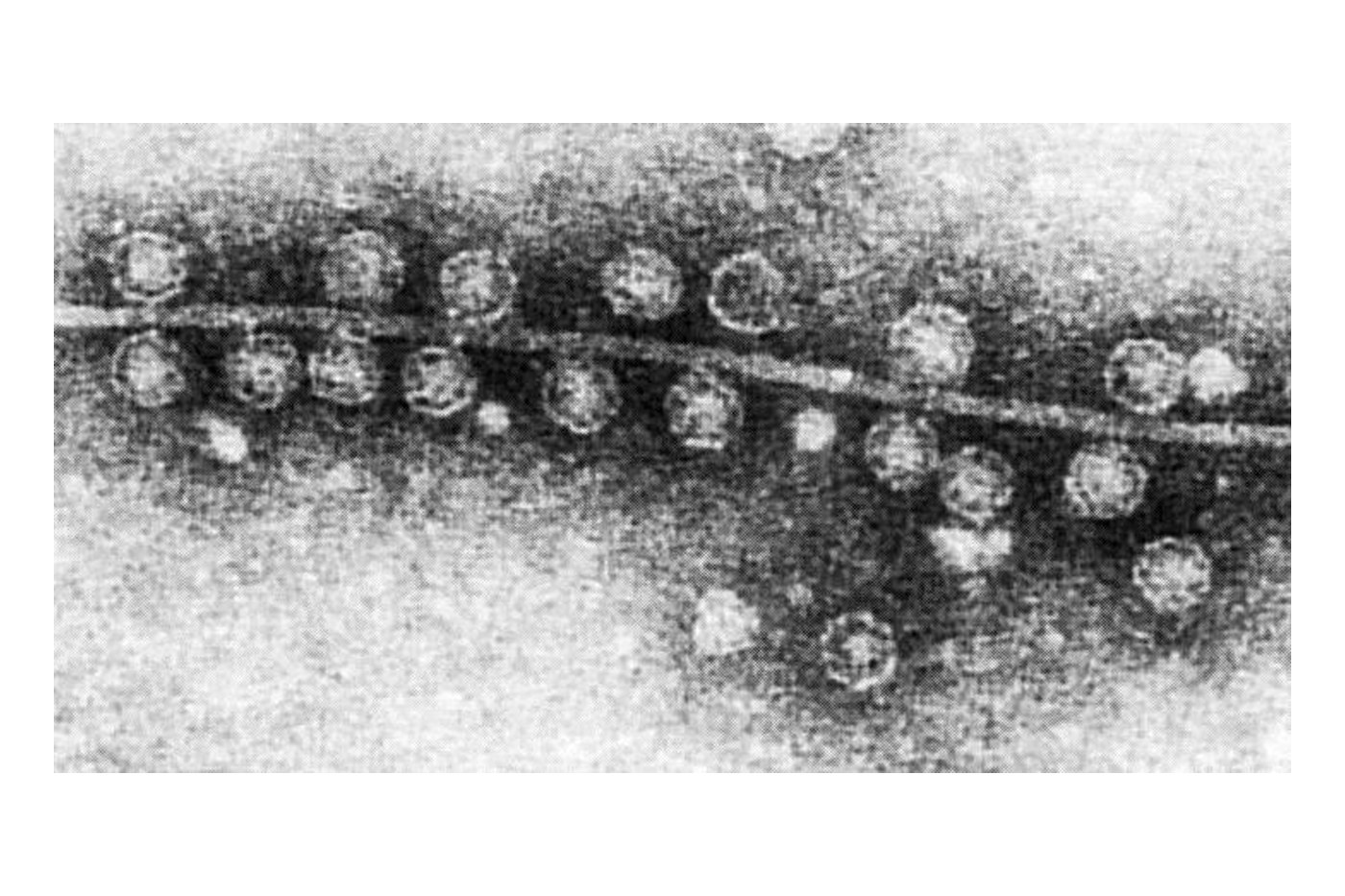
Within two days, the AI proposed the same mechanism the lab had spent years confirming. The cf-PICIs' independently encoded capsid proteins, the system hypothesized, allow them to package their own DNA into small phage-like particles, which can then be released and taken up by entirely different bacterial species — bypassing the narrow host range that normally locks phages and other satellites to a single organism.
The result is striking on two levels. As biology, it underscores how widely cf-PICIs may shuttle genes — including antibiotic resistance and virulence factors — across the microbial world. As a test of AI in research, it is one of the cleaner demonstrations to date that a general-purpose system can independently reach a non-obvious answer that human researchers consider correct. The AI did not just retrieve a known result. The mechanism was still unpublished at the time of the test.
The team published the work in 2025 along with the lab's own experimental confirmation. The authors note that the AI's contribution is not a substitute for benchwork — the hypothesis still required years of validation. But for a field where generating plausible hypotheses is often the bottleneck, it is a useful data point.
Comments