For decades, forests and oceans have quietly done us an enormous favor. Roughly half of the carbon dioxide people put into the air each year never stays there. Plants, soils and seawater soak it up. A new accounting of the planet's carbon flows, published in Nature, says that unpaid service is starting to slip. And in some places it has already gone into reverse.
The work comes from Pierre Friedlingstein of the University of Exeter and a large international team behind the annual global carbon budget. Their job is to balance the books: how much CO2 humans emit, how much stays in the atmosphere, and how much the land and ocean take back. In 2024 atmospheric CO2 reached 423 parts per million, and human-caused warming hit 1.36 degrees Celsius above pre-industrial levels. The 1.5-degree line that governments agreed to defend in Paris is now close enough to touch.
The land sink was oversold
The headline correction is about land. Using better observations and improved models, the team concludes that the natural land carbon sink is substantially smaller than earlier budgets claimed. At the same time, they revise emissions from land-use change, mostly deforestation, upward. So one side of the ledger absorbs less than we thought, and the other side releases more.
The ocean comes out looking like the steadier partner. The researchers put the ocean sink at 15 percent larger than the land sink, a figure they say matches recent measurements taken both at sea and in the air. Water, for now, keeps doing its part more reliably than soil and trees.
Forests that stopped helping
The starkest number in the paper is about efficiency. As the climate warms, sinks pull down a smaller fraction of what we emit. The team estimates that this loss of efficiency, driven by climate change, has added 8.3 parts per million to atmospheric CO2 since 1960, give or take 1.4. That is carbon the land and ocean would have captured in a cooler world but no longer do.
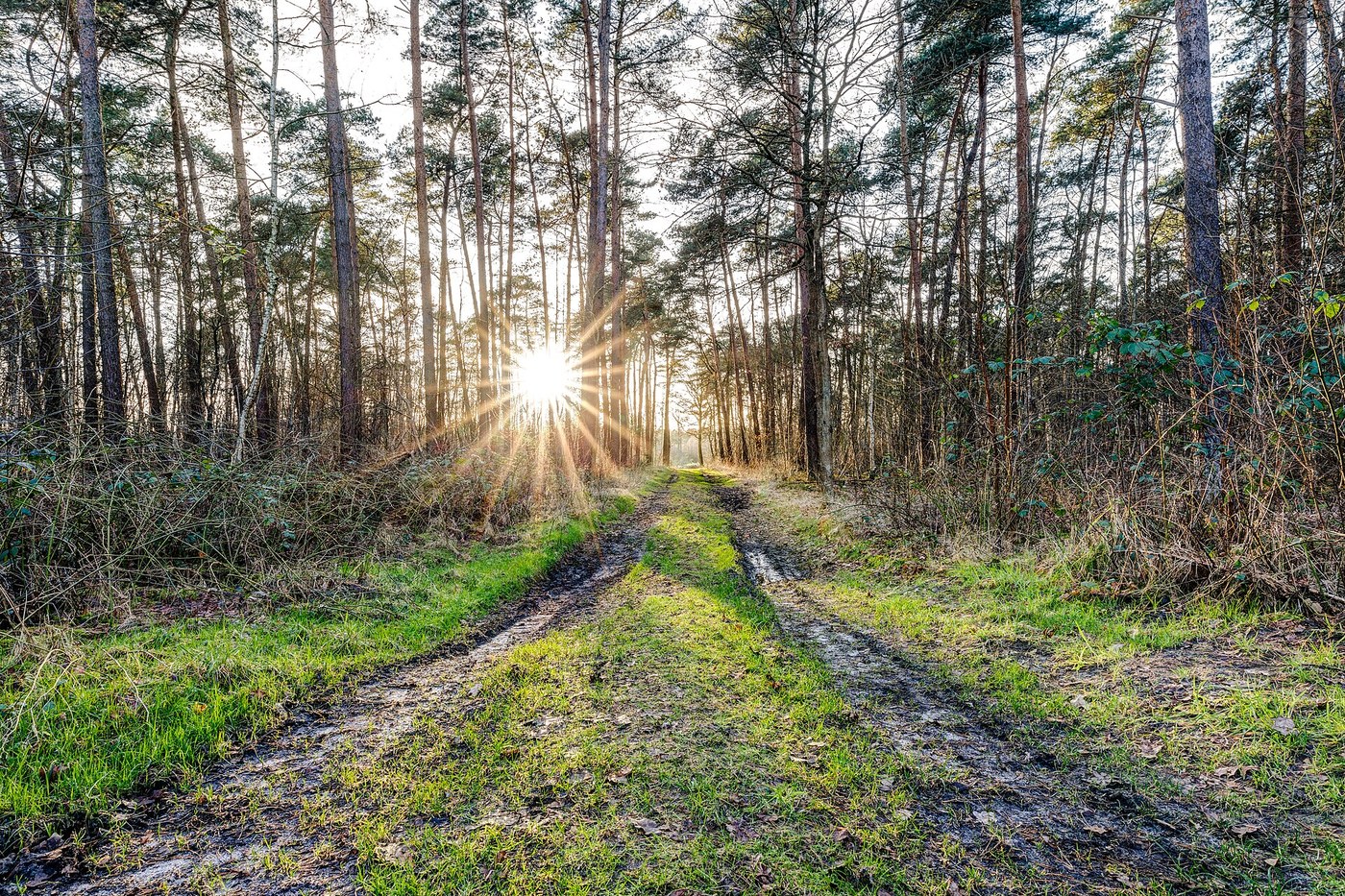
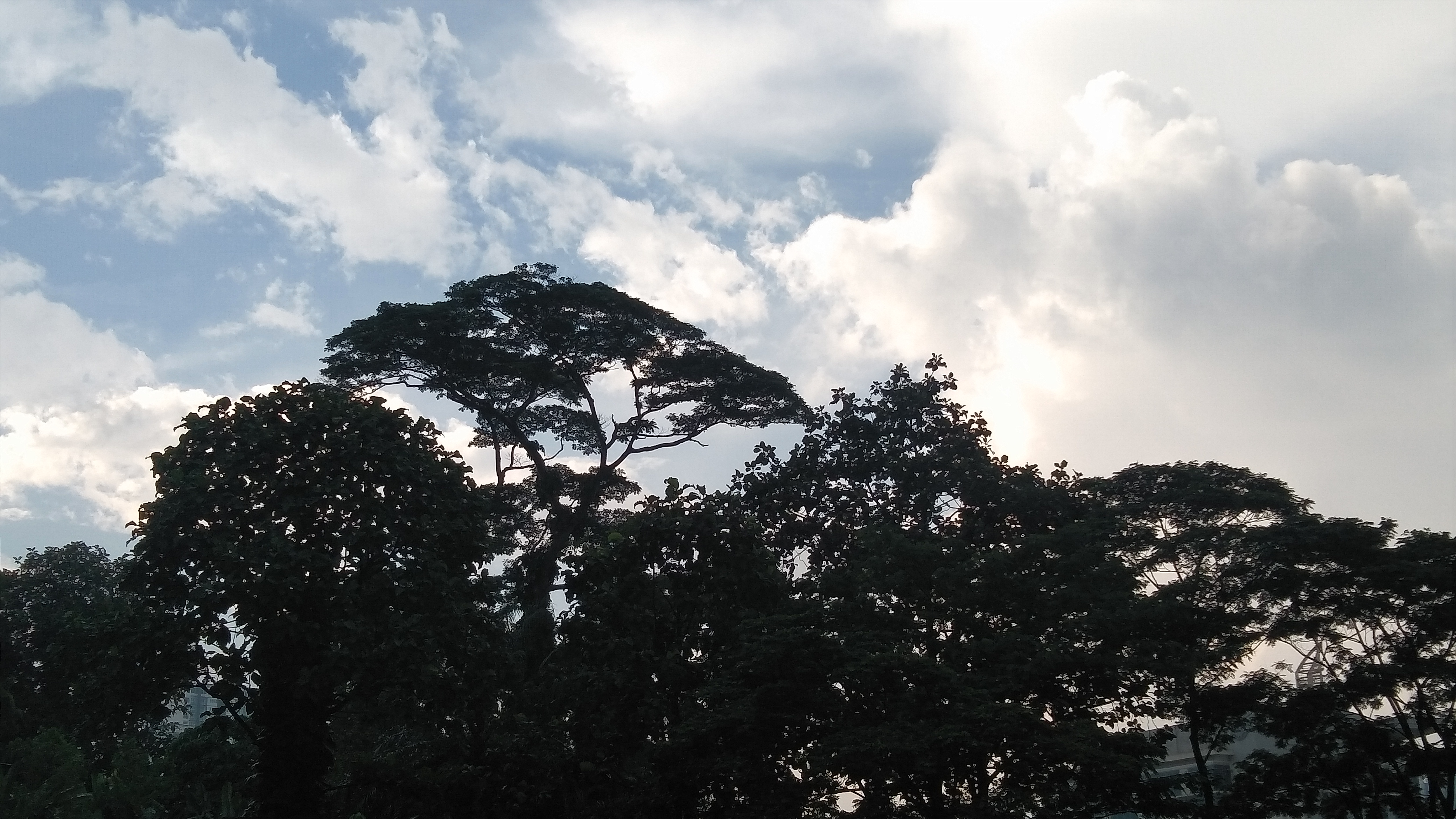
The consequence shows up geographically. The combined pressure of rising temperatures and forest clearing has flipped Southeast Asian forests, and large parts of tropical South America, from CO2 sinks into CO2 sources. These are regions that used to bank carbon for the rest of us. Now they are handing some of it back. When a forest crosses that threshold, warming feeds tree death and fire, which release more carbon, which drives more warming. The authors are blunt about what follows: halt deforestation, and hold down warming, or expect more of the land's stored carbon to escape.
Reading the fine print
This is a budget, not a forecast, and the authors are careful about what it can and cannot say. Carbon-cycle estimates carry real uncertainty, which is exactly why mismatches between reported emissions and measured sinks have muddied the picture for years. Much of this paper is an effort to close those gaps and explain the leftover discrepancies rather than paper over them. The regional sink-to-source flips rest on models and observations that will keep being refined, and the exact tipping points for any single forest remain fuzzy. What the team argues is not that collapse is locked in, but that the trend is now clear enough to act on. Sharper carbon accounting, they write, is the foundation any climate policy needs, because you cannot manage what you cannot measure.
The uncomfortable takeaway is that the safety margin was partly borrowed. A chunk of the emissions humanity has gotten away with was covered by ecosystems working overtime. As those systems tire, the same emissions will buy more warming than they used to. The forests are still enormous carbon reservoirs. The question this budget raises is how much longer they stay reservoirs rather than taps.
Friedlingstein, P. et al. "Emerging climate impact on carbon sinks in a consolidated carbon budget." Nature, 2025. doi.org/10.1038/s41586-025-09802-5
PubMed PMID: 41225004.
Photograph: djchiam.1002, CC BY-SA 4.0, via Wikimedia Commons.
Comments