


A female mammal is born with all the eggs she will ever have. That fixed stockpile of dormant follicles, the ovarian reserve, drains steadily over a lifetime, and when it runs low, fertility ends. Biologists have long treated the pace of that decline as something set by genes and hormones inside the ovary. A study in Cell Host & Microbe adds an unexpected regulator to the list: the bacteria in the gut.
Sarah Munyoki, Eldin Jasarevic and colleagues at the University of Pittsburgh raised mice germ-free, meaning the animals grew up with no microbes at all. These mice were born with a normal ovarian reserve. But something went wrong shortly after birth. Their dormant follicles activated too quickly, matured poorly, and died off at an elevated rate through a process called atresia. By adulthood the germ-free females had fewer primordial follicles left, along with scarring in the ovary.
The reproductive consequences were plain. Germ-free mice produced smaller litters, fewer pups overall, and reached the end of their fertile window sooner than mice carrying a normal microbiome. The eggs were being spent faster than they should have been.
A window that closes early
The timing turned out to matter more than the mere presence of bacteria. When the researchers gave germ-free mice a microbiome during a specific stretch of early post-natal life, the damage was largely undone. Colonization in that window normalized how fast follicles activated and restored the gene expression patterns of a healthy ovary. Introduce the microbes and the reserve stopped hemorrhaging.
That points to a developmental checkpoint. The gut community is not simply keeping the ovary healthy day to day. It appears to send a signal during a formative period, and that signal helps calibrate how quickly the egg supply gets tapped for the rest of the animal's life. Miss the window and the setting seems hard to reset.
Short-chain fatty acids do part of the work
What is the microbial signal? The team tracked it to short-chain fatty acids, small molecules that gut bacteria make when they ferment dietary fiber. Germ-free mice had less of these compounds, and their ovaries showed the follicle problems. When the researchers simply gave germ-free mice short-chain fatty acids, ovarian function improved. The metabolites, not the bacteria themselves, carried much of the effect.
The diet angle sharpened the point. Conventional mice fed a high-fat diet developed the same kind of oocyte dysfunction seen in germ-free animals. Adding fiber to that diet helped protect egg quality and kept embryos more viable. So the same lever that shapes the microbiome, what the animal eats, feeds back onto the ovary through these bacterial products.
It is a tidy loop. Fiber feeds bacteria, bacteria make short-chain fatty acids, and those molecules help preserve the reserve of eggs that determines how long fertility lasts.
What this does and does not show
These are mouse experiments, and germ-free animals are an extreme model. No person grows up with zero microbes, so the human relevance of the germ-free comparison is a question the study cannot answer on its own. The work shows that a microbiome can protect the ovarian reserve in mice and identifies a plausible mechanism, but it does not establish that manipulating gut bacteria will extend fertility in women. The high-fat-diet result hints that ordinary dietary shifts might nudge the same pathway, yet that too was measured in mice.
Infertility touches roughly one in six people, and much of it remains poorly explained. If the gut-to-ovary link holds up in humans, it would suggest that some fertility problems have a bacterial contributor sitting outside the reproductive tract entirely. The authors frame their findings as a foundation for microbiota-targeted approaches, not a treatment. For now the clearest takeaway is conceptual: an organ we think of as sealed off and self-contained may be listening, early in life, to the microbes downstream.
Munyoki, S. et al. "The microbiota extends the reproductive lifespan of mice by safeguarding the ovarian reserve." Cell Host & Microbe, 2025. doi.org/10.1016/j.chom.2025.09.006
PubMed PMID: 41005310.
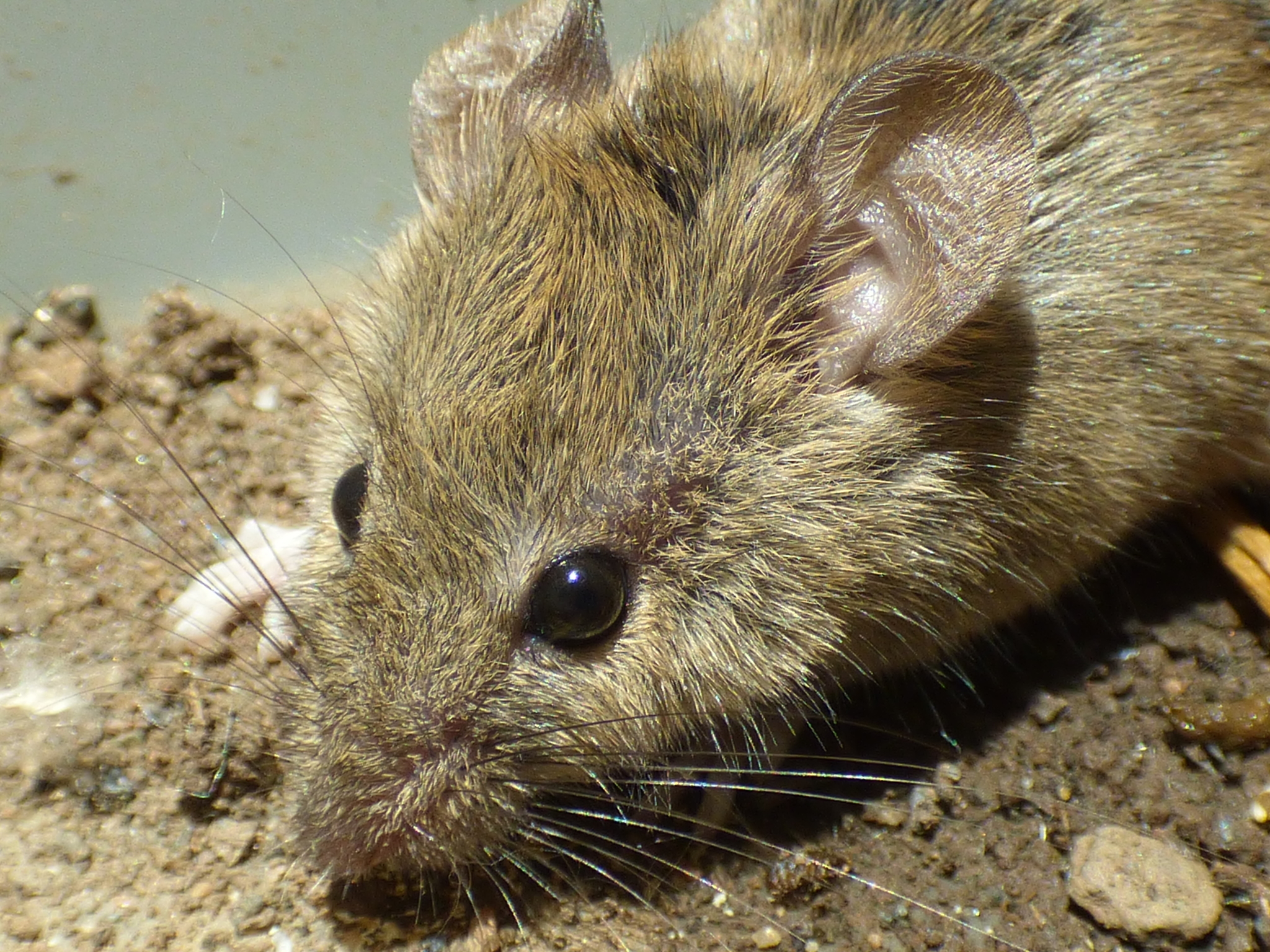
Photograph: kcthetc1, CC0, via Wikimedia Commons.
Comments