Every piece of research we've covered — across genetics, neuroscience, ecology, immunology, and more.
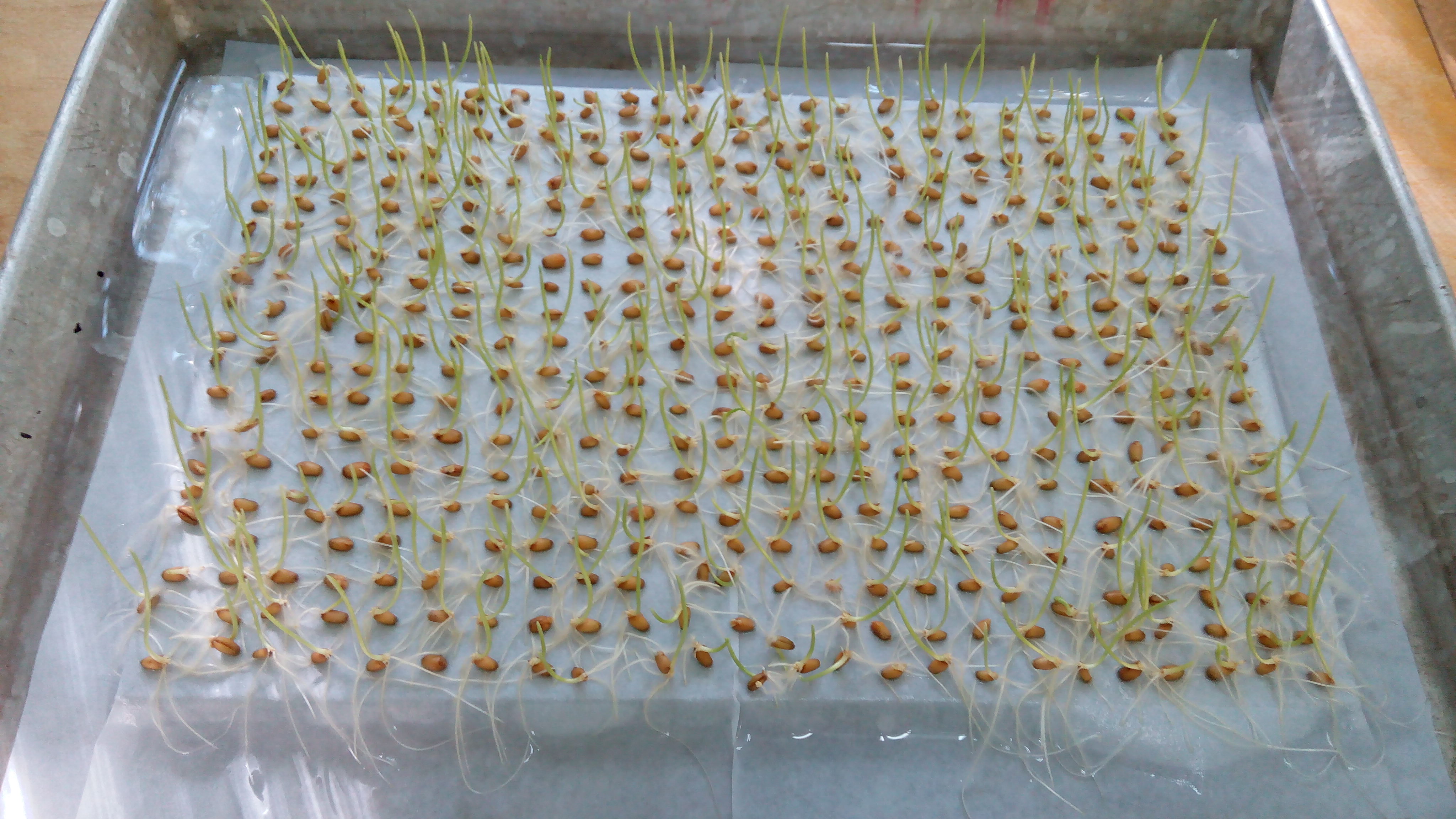
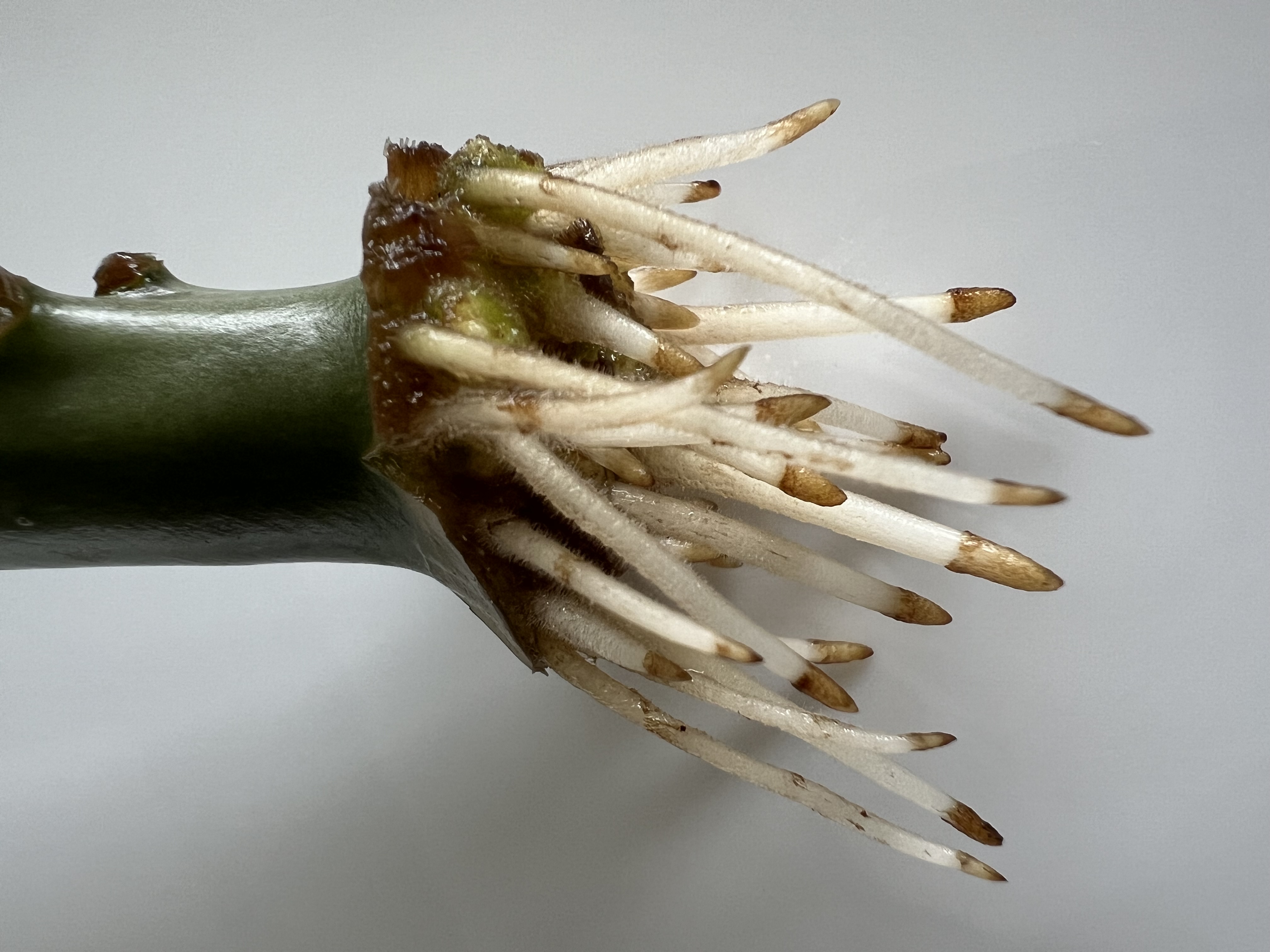
Compacted soil stops roots from growing down, so they thicken instead. A new Nature study traces that swelling to ethylene switching off cellulose-making genes inside root cells.
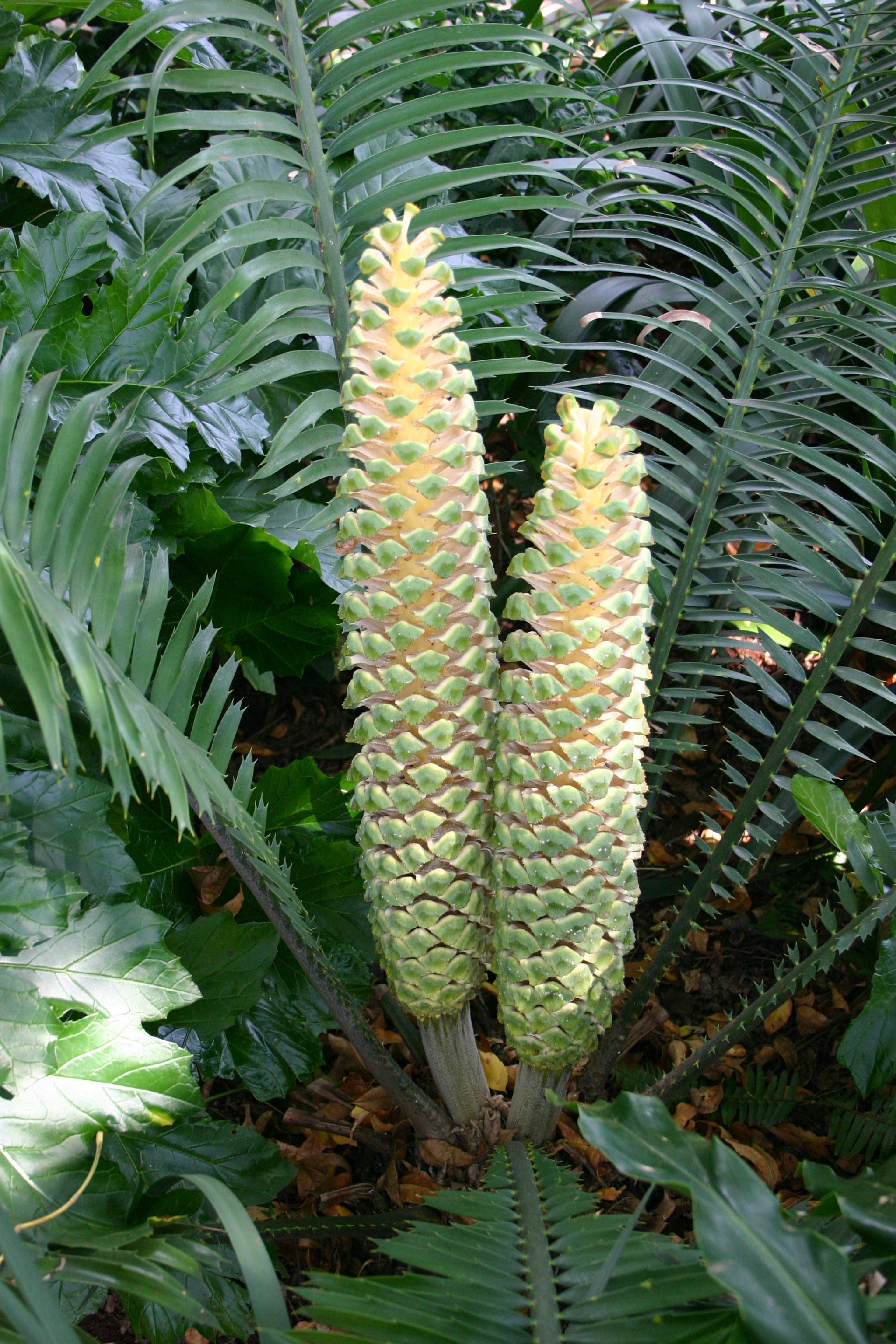
A new study finds that some plants warm their reproductive cones and broadcast thermal infrared to draw in beetle pollinators. The beetles carry infrared-sensing neurons tuned to match, and the signal may predate flower color.
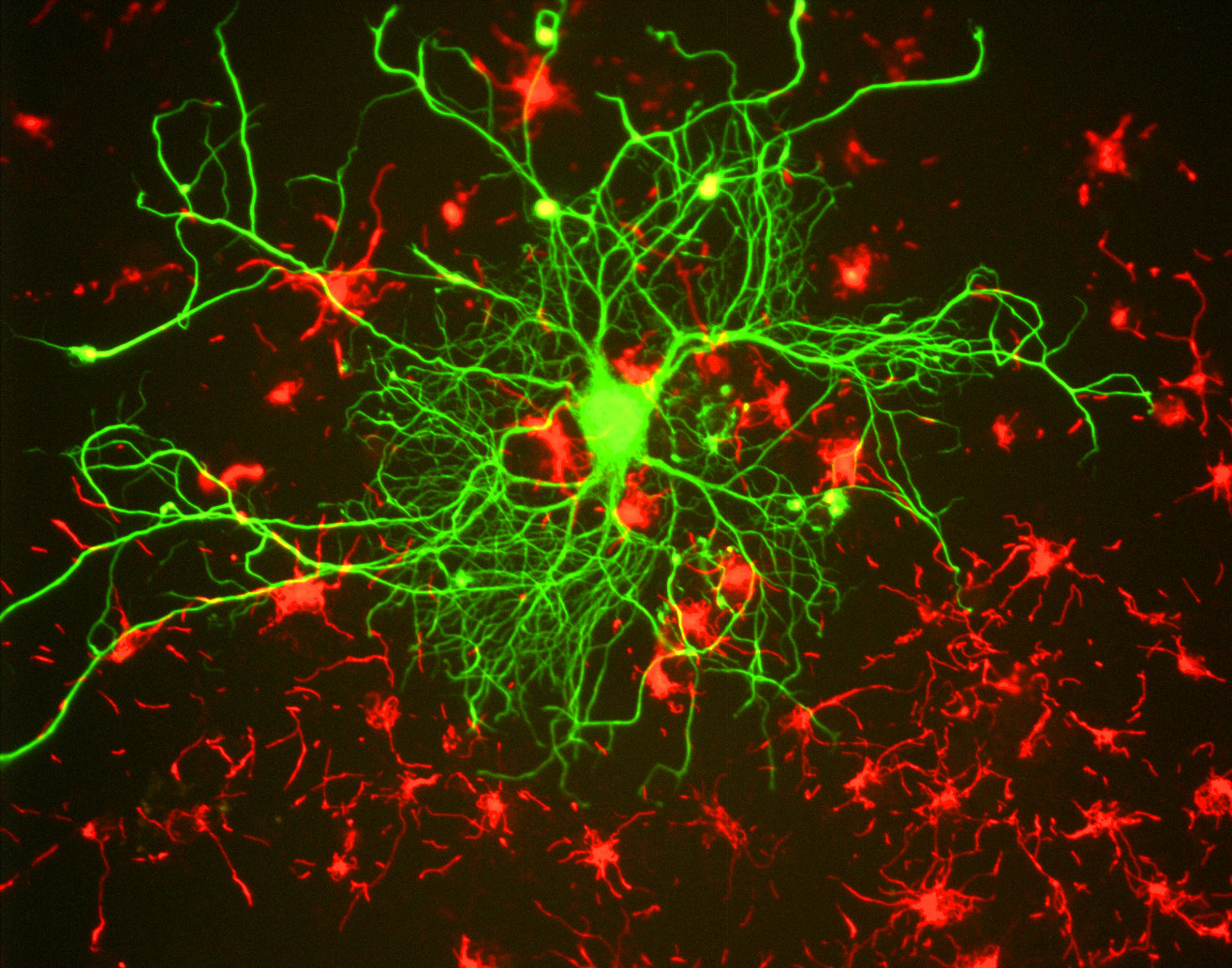
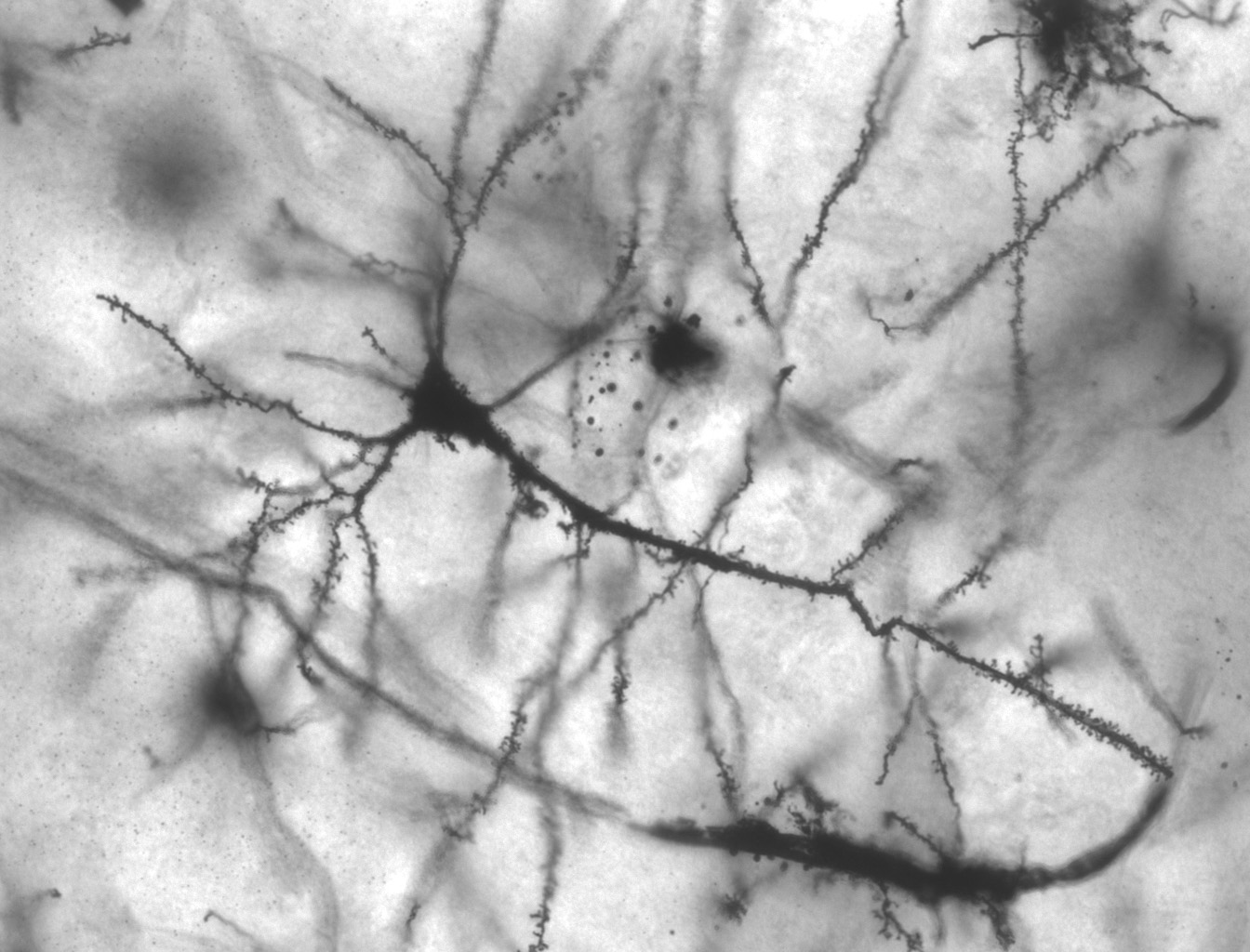
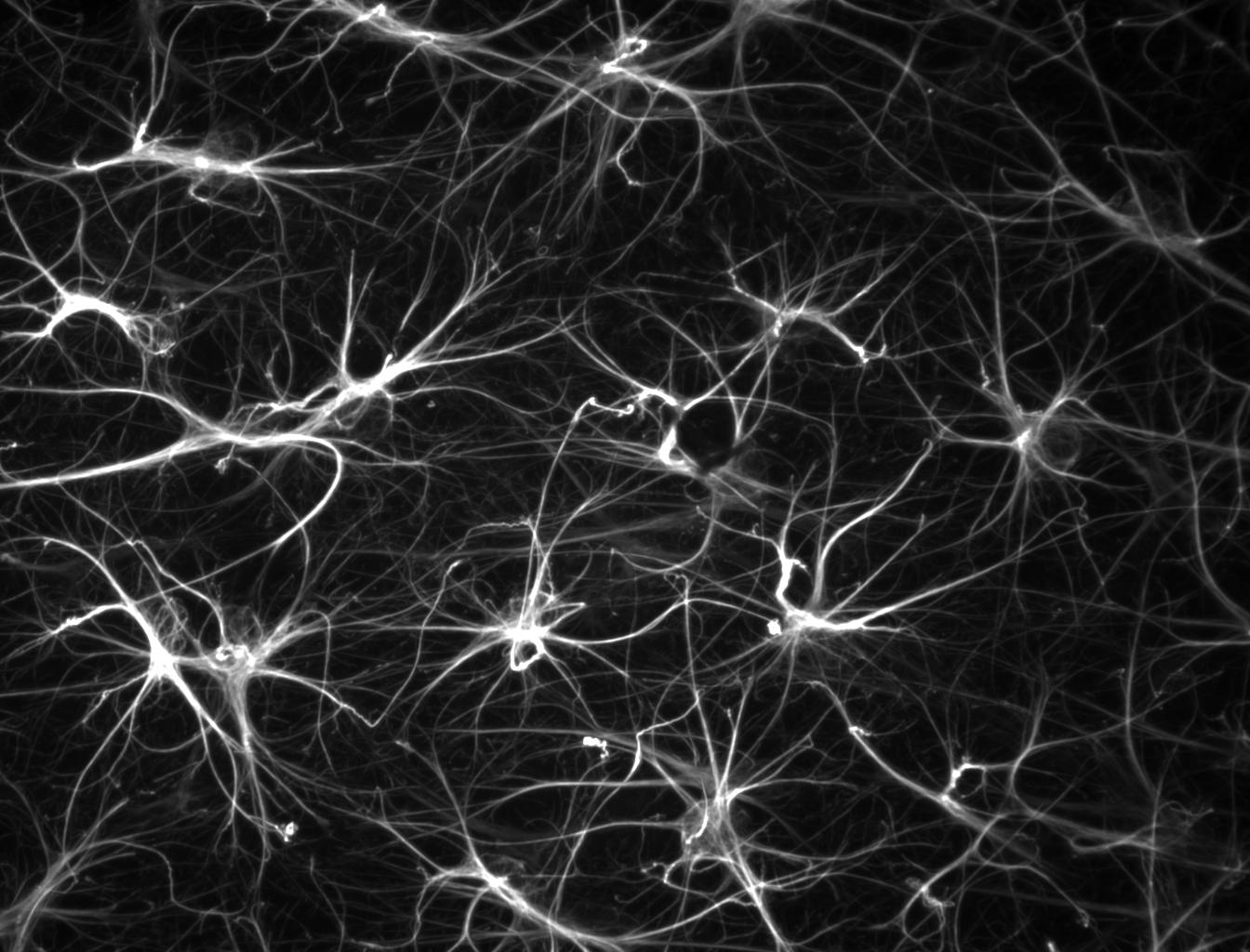
Yale researchers built pan-ExM-t, a method that physically swells brain tissue up to 24-fold so a standard confocal microscope can see individual synapses and organelles. It pairs that anatomical detail with antibody labeling of specific proteins.
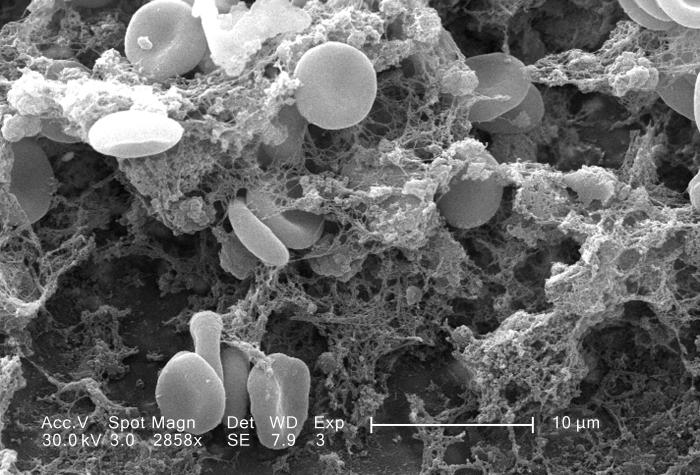
A single-infusion AAV gene therapy carrying a hyperactive Factor IX gene cut the annual bleeding rate to 0.6 across 26 patients with hemophilia B in China. Most participants went a full year with zero bleeds.
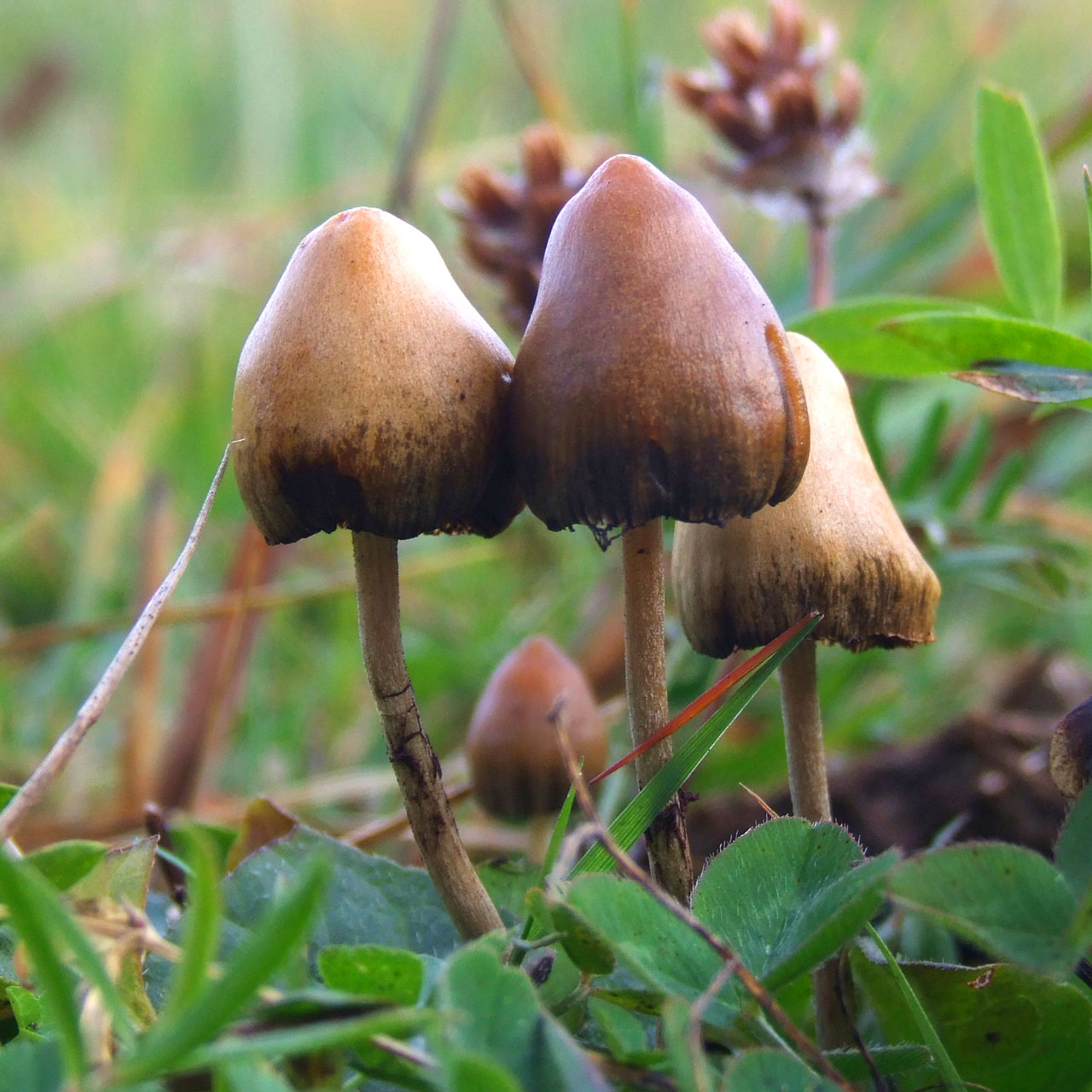
A single dose of psilocybin reorganizes which brain regions feed into the mouse frontal cortex. New tracing work shows the rewiring depends on the drug-driven electrical activity itself, not just the drug.
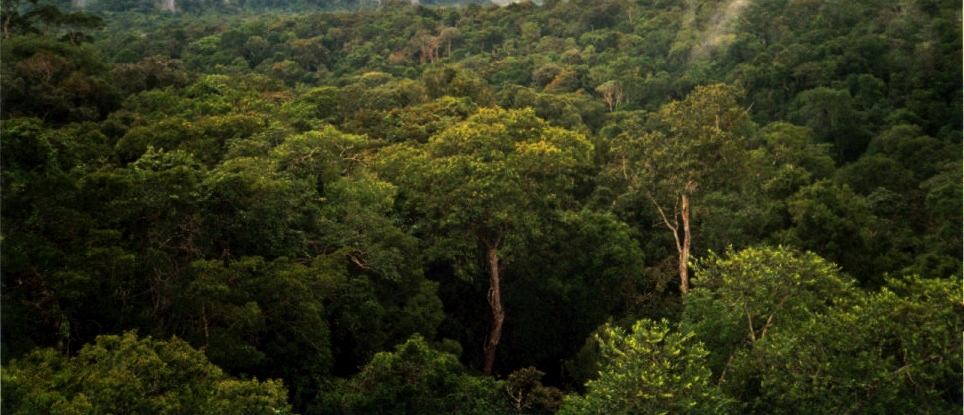
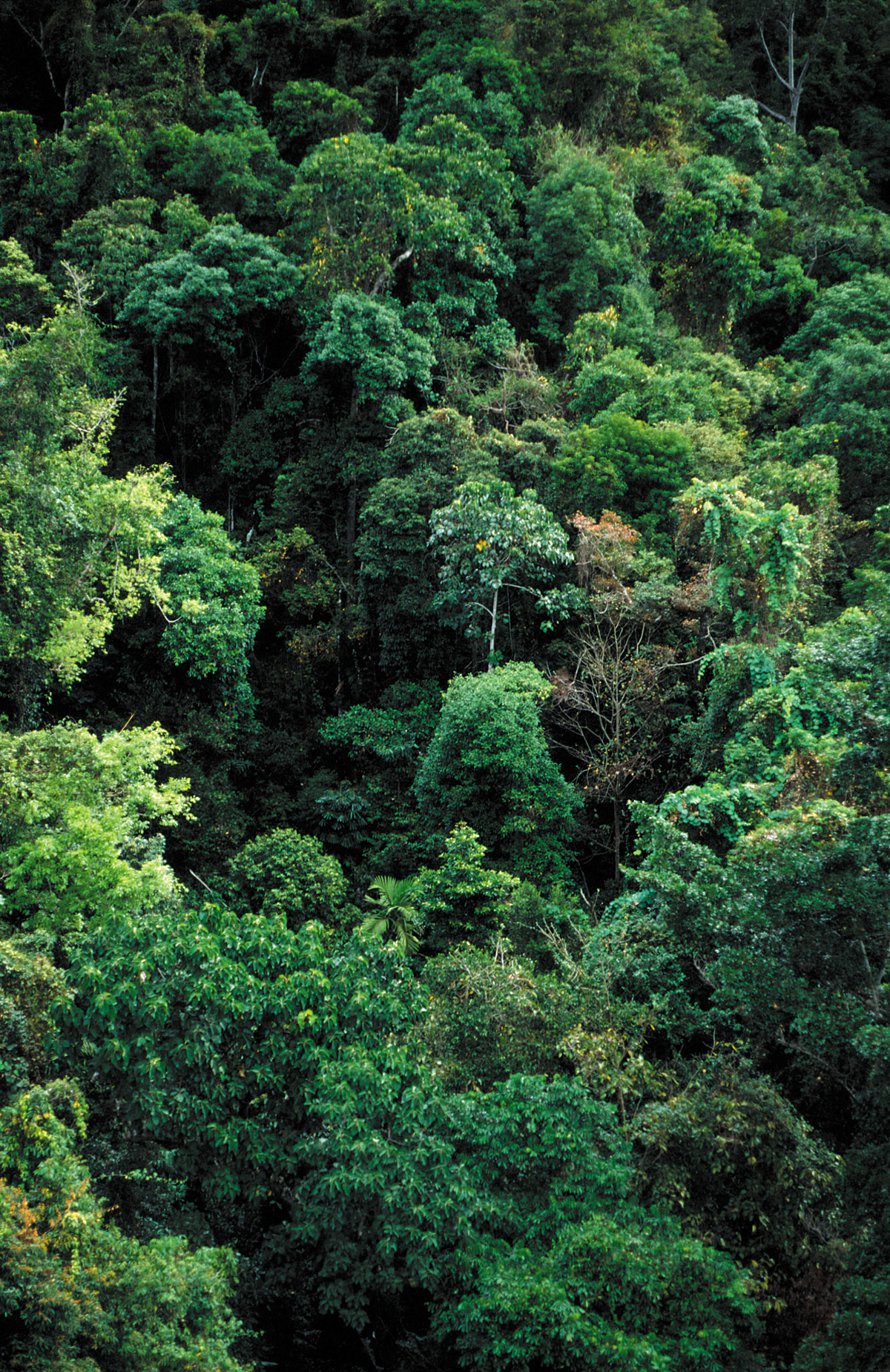
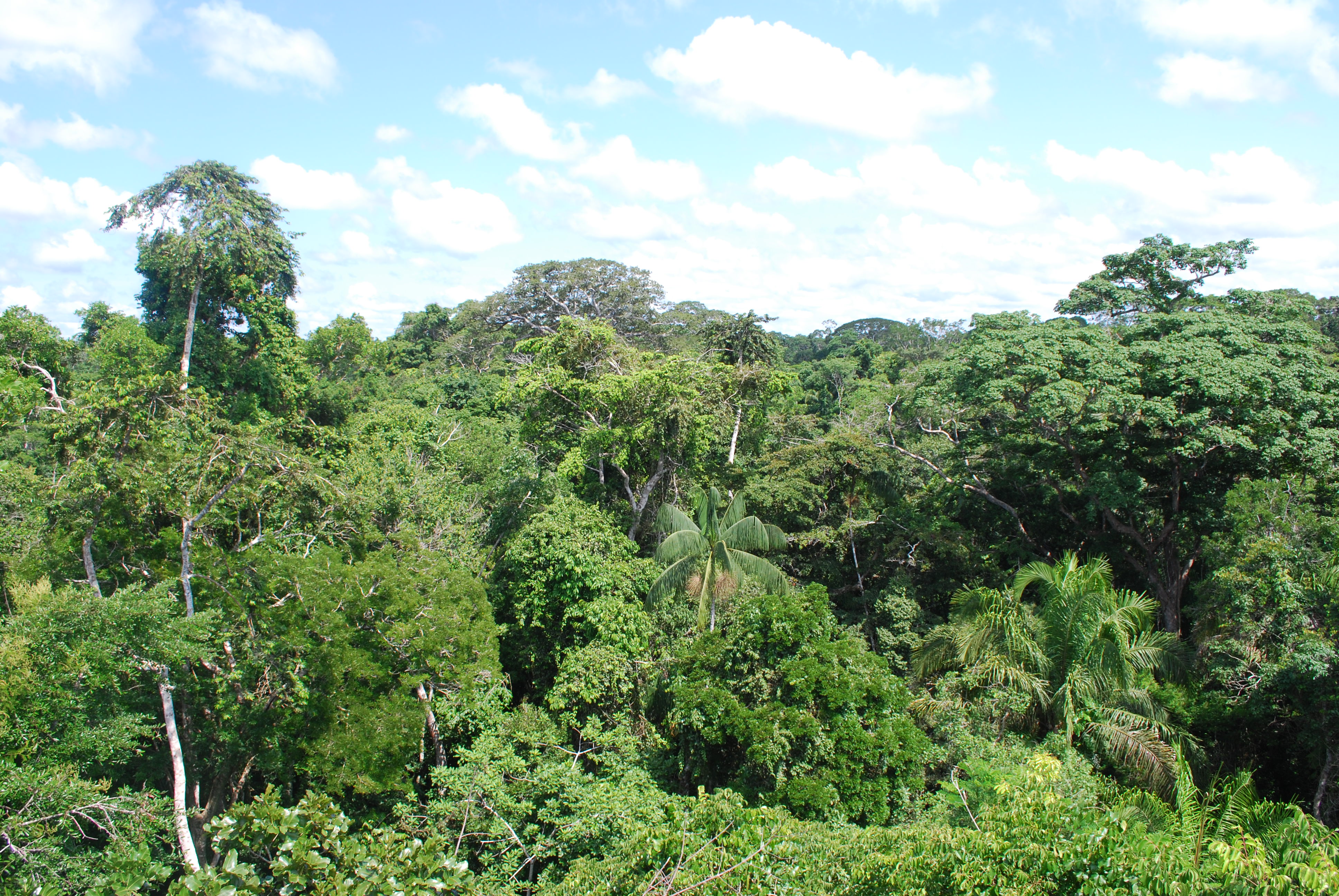
A long-term study of forest north of Manaus found that intense hot droughts kill trees fast, especially fragile pioneers. Researchers argue these droughts preview a "hypertropical" climate that could cover much of the tropics by 2100.
A phase 3 trial delivered the SMA gene therapy onasemnogene abeparvovec directly into spinal fluid, reaching older children who had aged out of the standard IV version. Motor scores improved over a sham procedure.
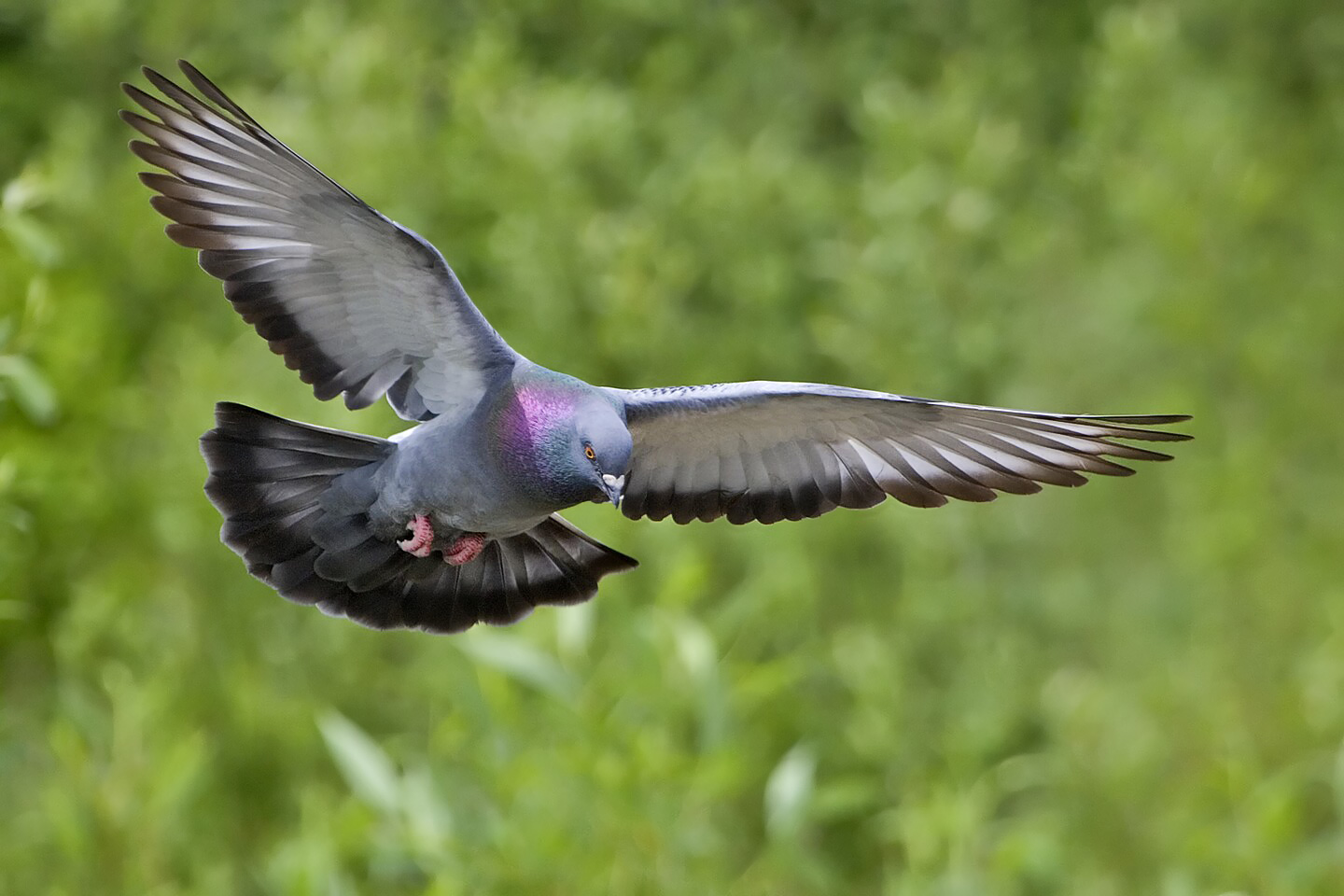
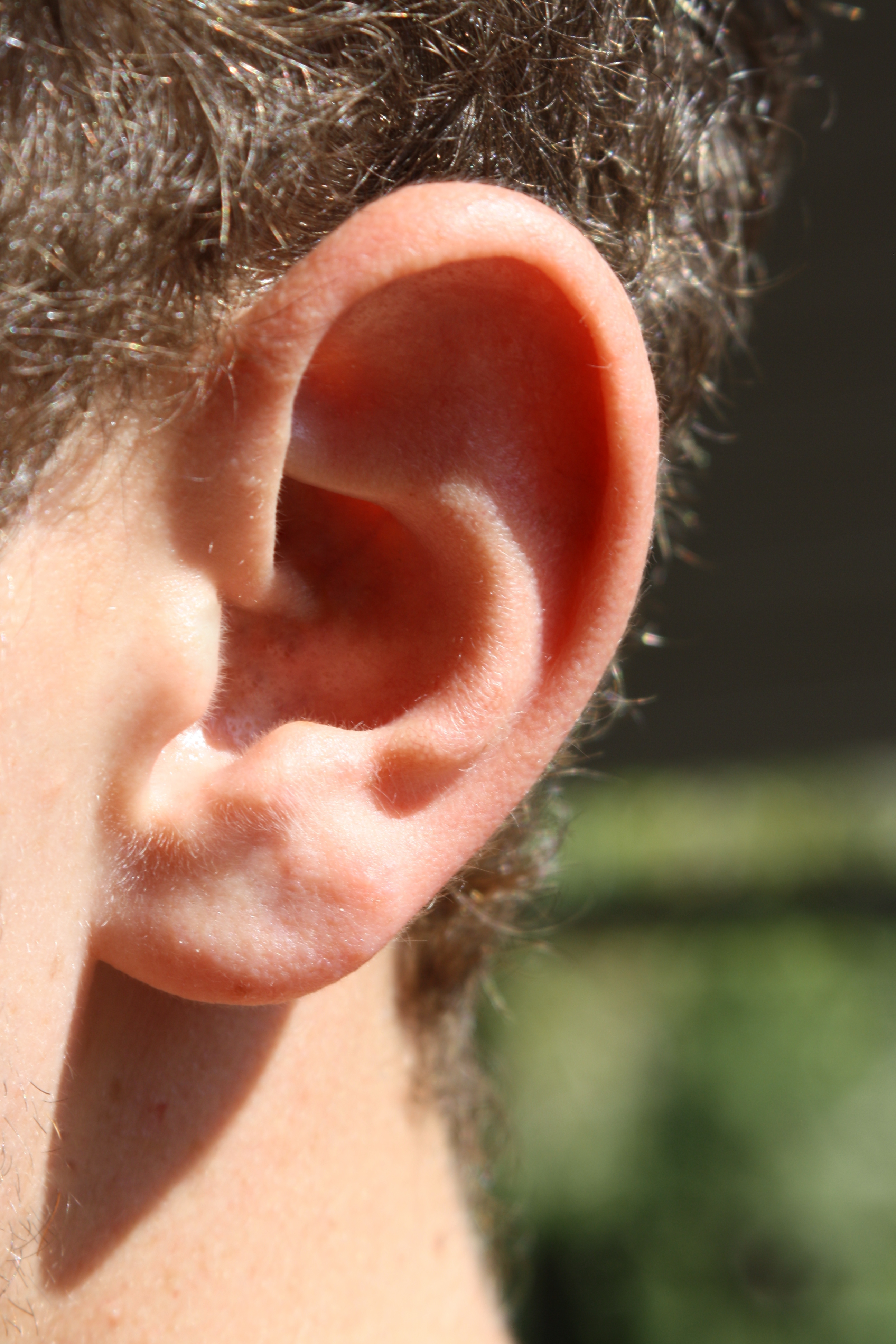
Scientists mapped the whole pigeon brain to see which cells light up in a magnetic field. The trail led to the inner ear and a balance circuit, not the beak.
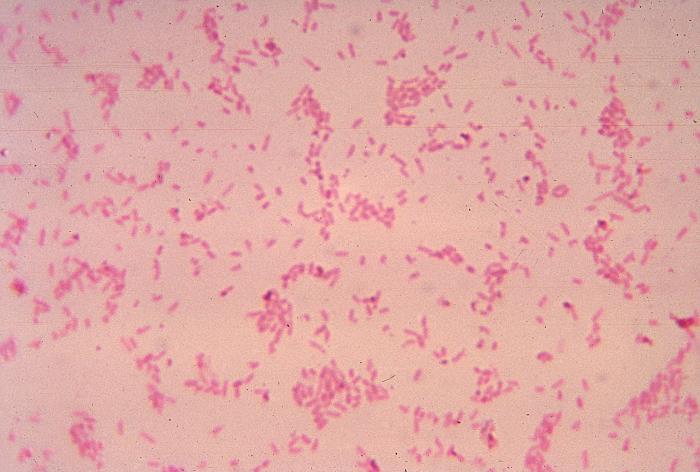
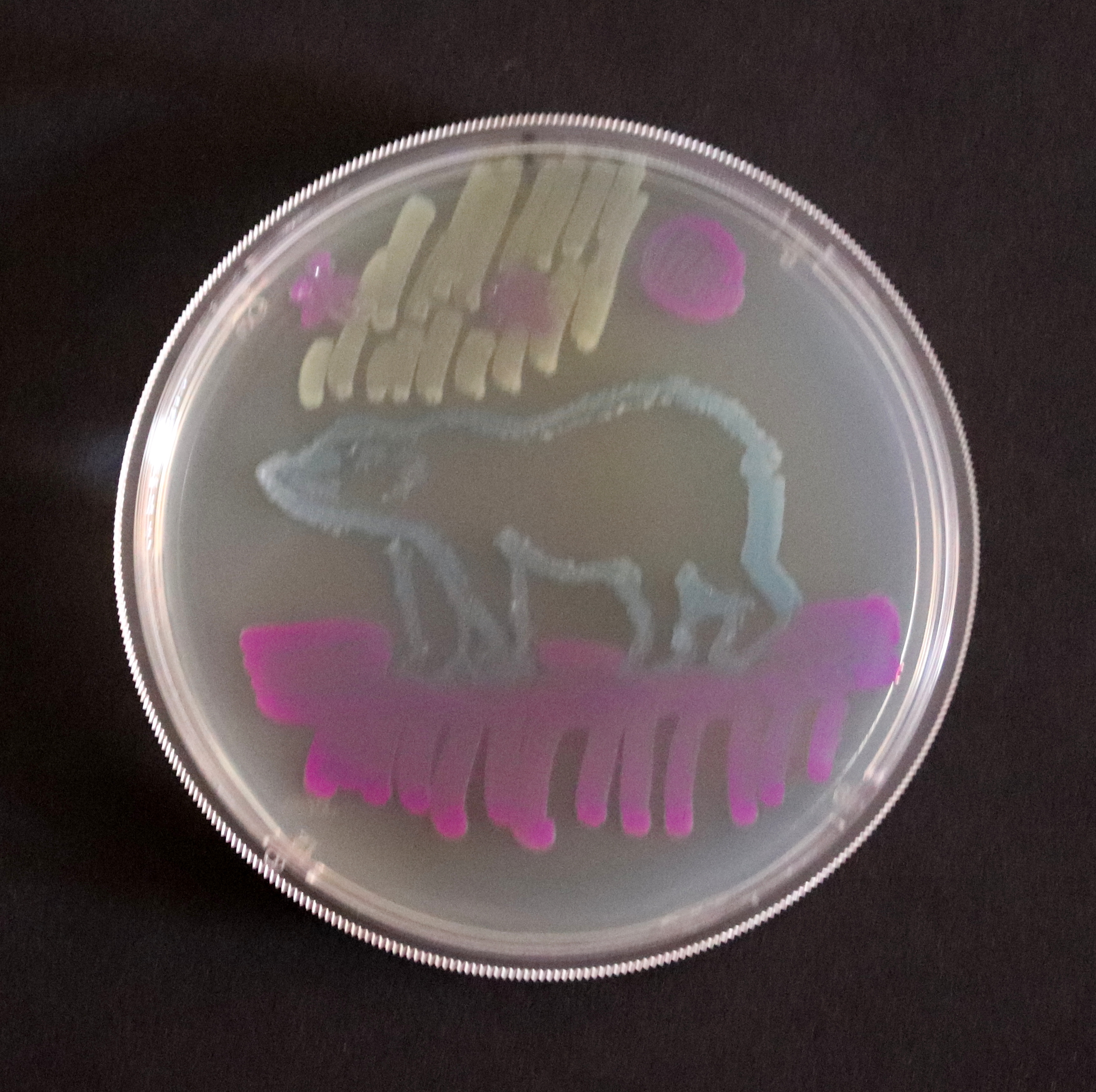
Columbia researchers built a tool called MetaEdit that inserts new genes into gut bacteria while they sit inside a living animal, no petri dish required. It even edited a species nobody has managed to grow in the lab.
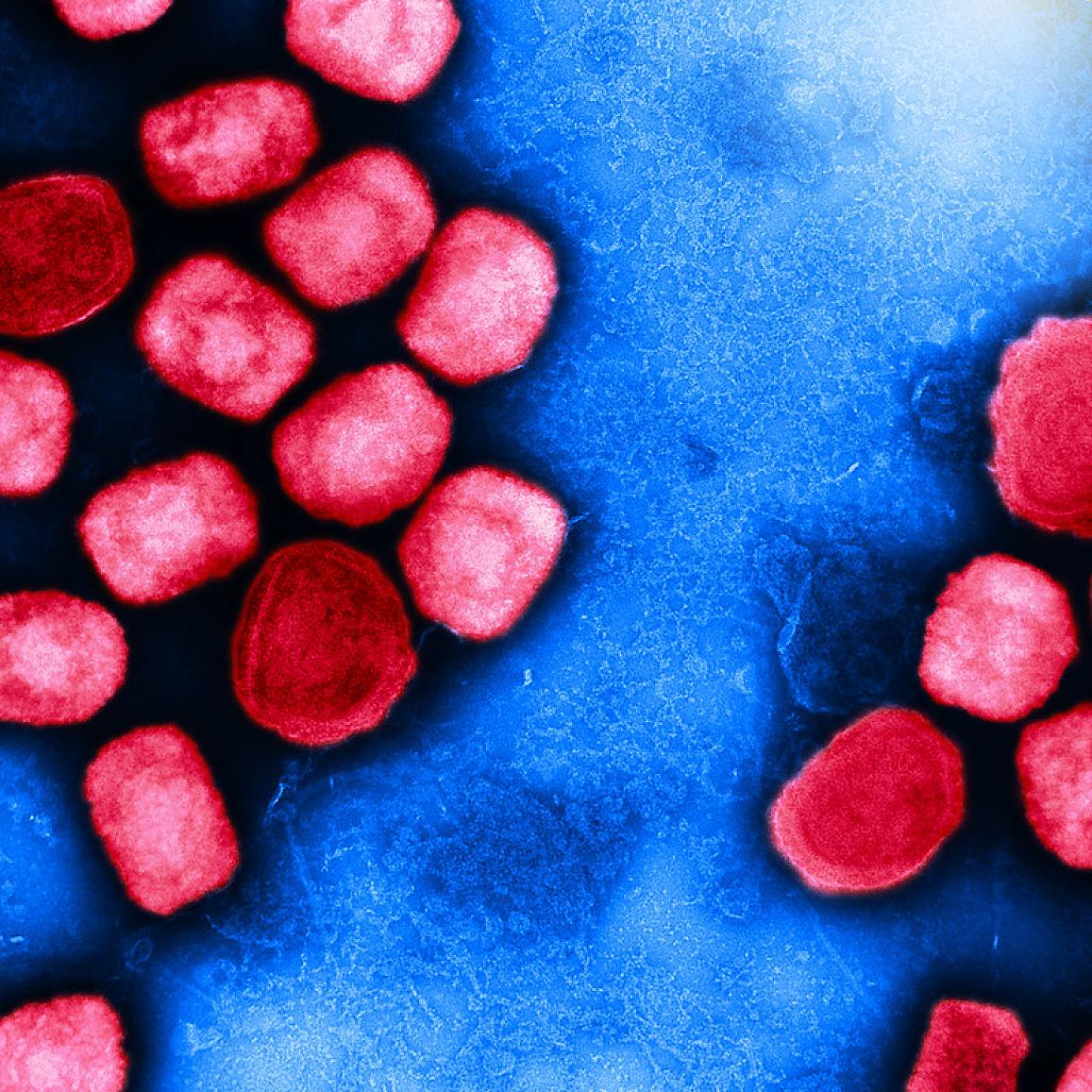
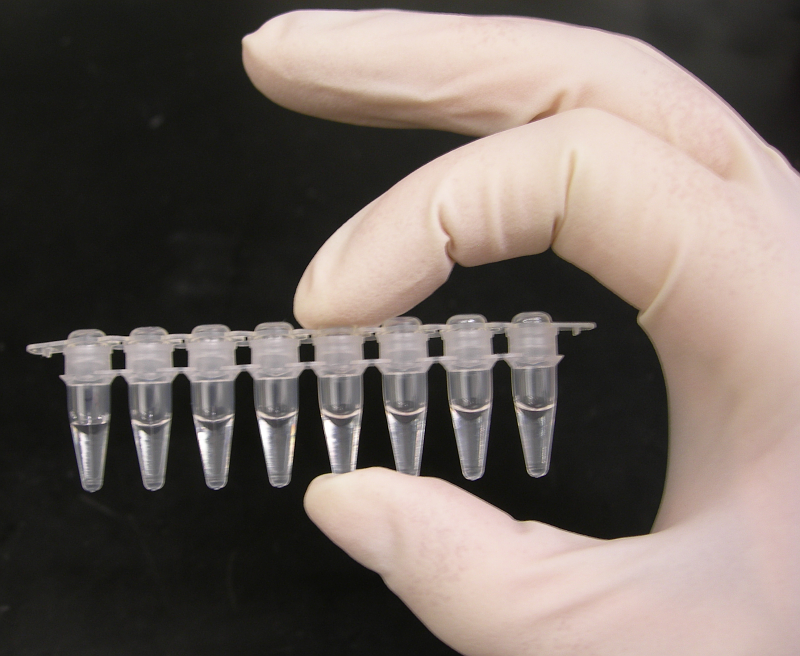
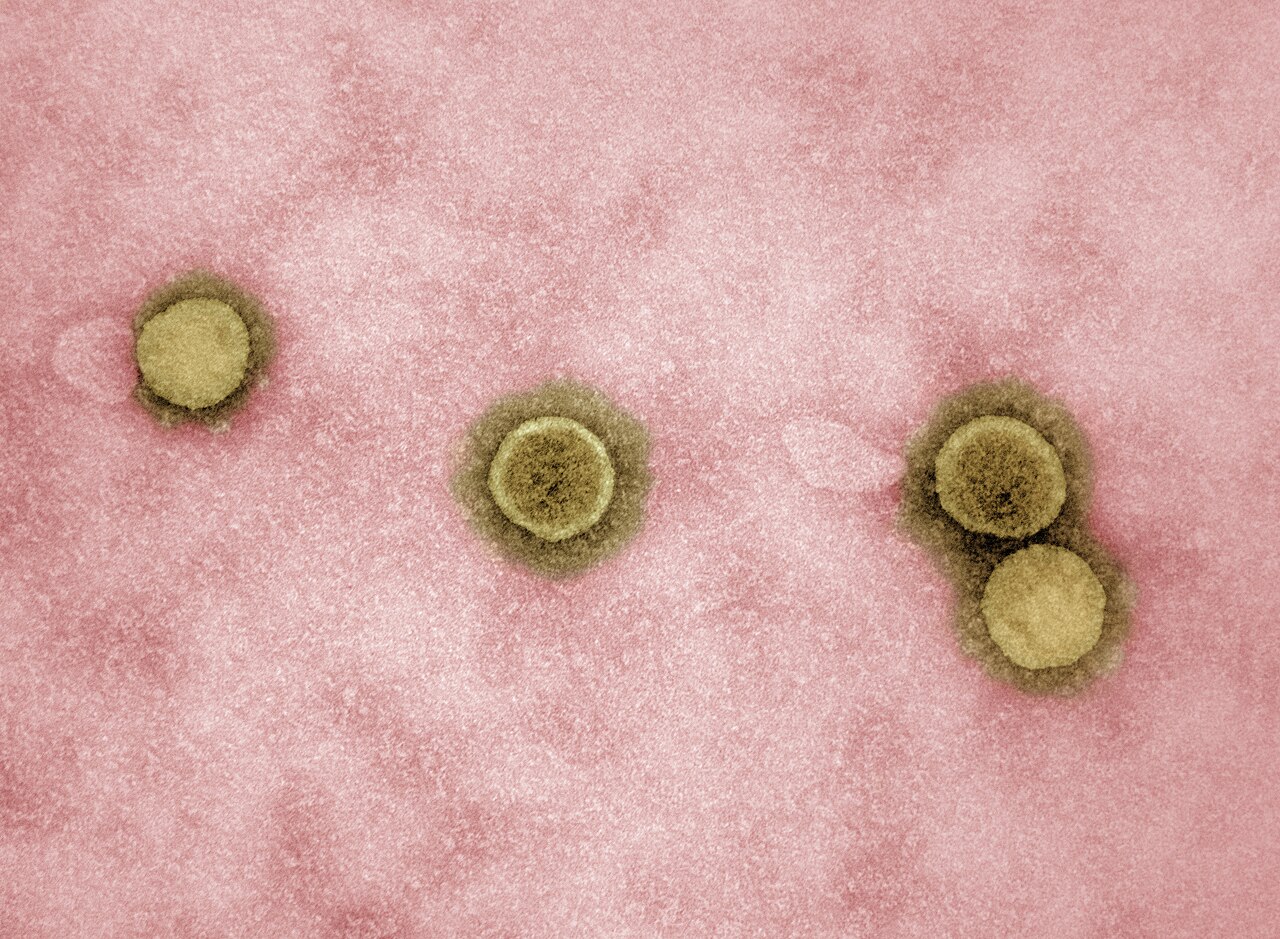
Researchers built a one-pot CRISPR test that flags monkeypox virus in about 11 minutes and reads out multiple DNA targets at once. On clinical samples it matched lab PCR while reporting five times faster.
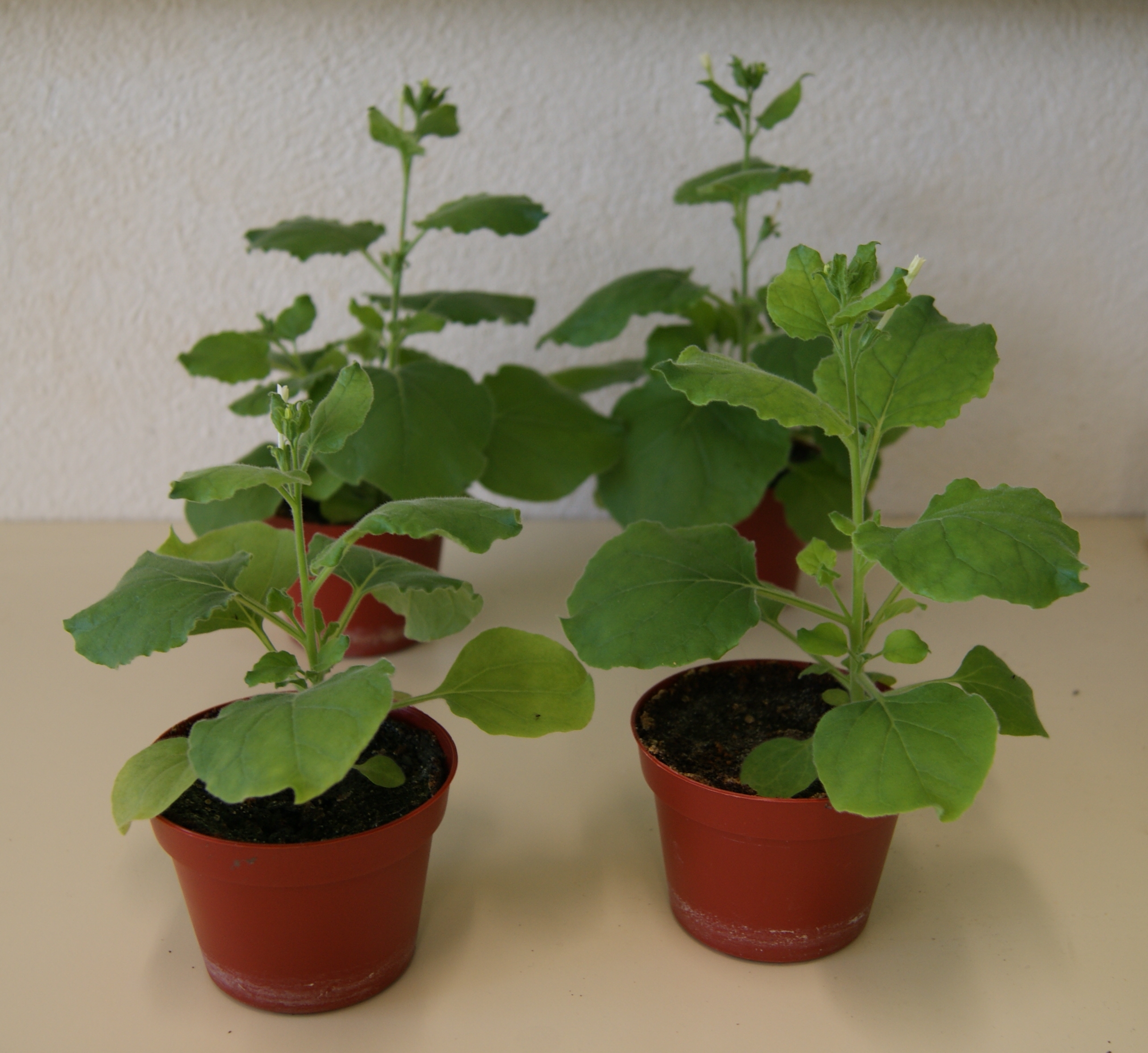
Chinese researchers turned a plant virus into an engine for directed evolution inside living leaves. Their GRAPE system screens huge libraries of gene variants in four days and rebuilt two crop immune receptors.
A first-in-human trial used CRISPR to permanently switch off a cholesterol-linked gene inside the liver. At the higher doses, one infusion cut blood levels of the ANGPTL3 protein by about 80 percent.
Recordings from living human brain tissue show that neurons around aggressive gliomas are more electrically excitable, and that this extra firing pushes the tumor to divide faster. The finding points to the electrical conversation between brain and cancer as a driver of malignancy.
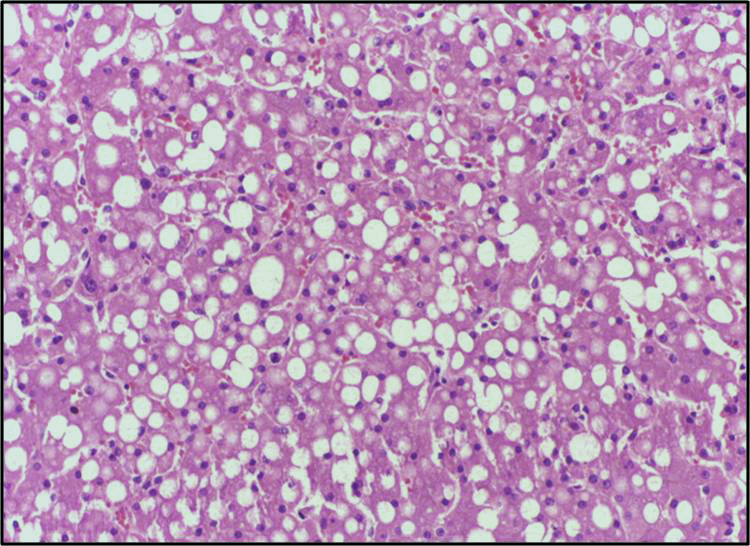
Researchers built a gene-by-gene, location-by-location atlas of 61 human livers spanning healthy tissue to advanced fatty liver disease. It flags a group of immune cells that seem to shield the organ rather than harm it.
Lecanemab is often described as an antibody that binds and removes amyloid. A new study says the antibody barely clears anything on its own. The real work is done by microglia, the brain's resident immune cells, and only when the antibody can call them in.
Stanford researchers dosed lab-grown gut bacterial communities with 707 drugs and found that a single rule, competition for nutrients, largely predicts which species surge and which vanish. The work offers a way to anticipate a drug's collateral damage to the microbiome.
A transformer model called GEMORNA generates mRNA sequences from scratch, boosting protein output up to 41-fold over an optimized benchmark in cells. The approach also extended to circular RNA and CAR-T cells.
A phase 3 trial in Uganda, Kenya and South Africa found that switching stable HIV patients from daily pills to injections every eight weeks kept the virus suppressed in 97 percent of people at 96 weeks. The result matched daily oral therapy.
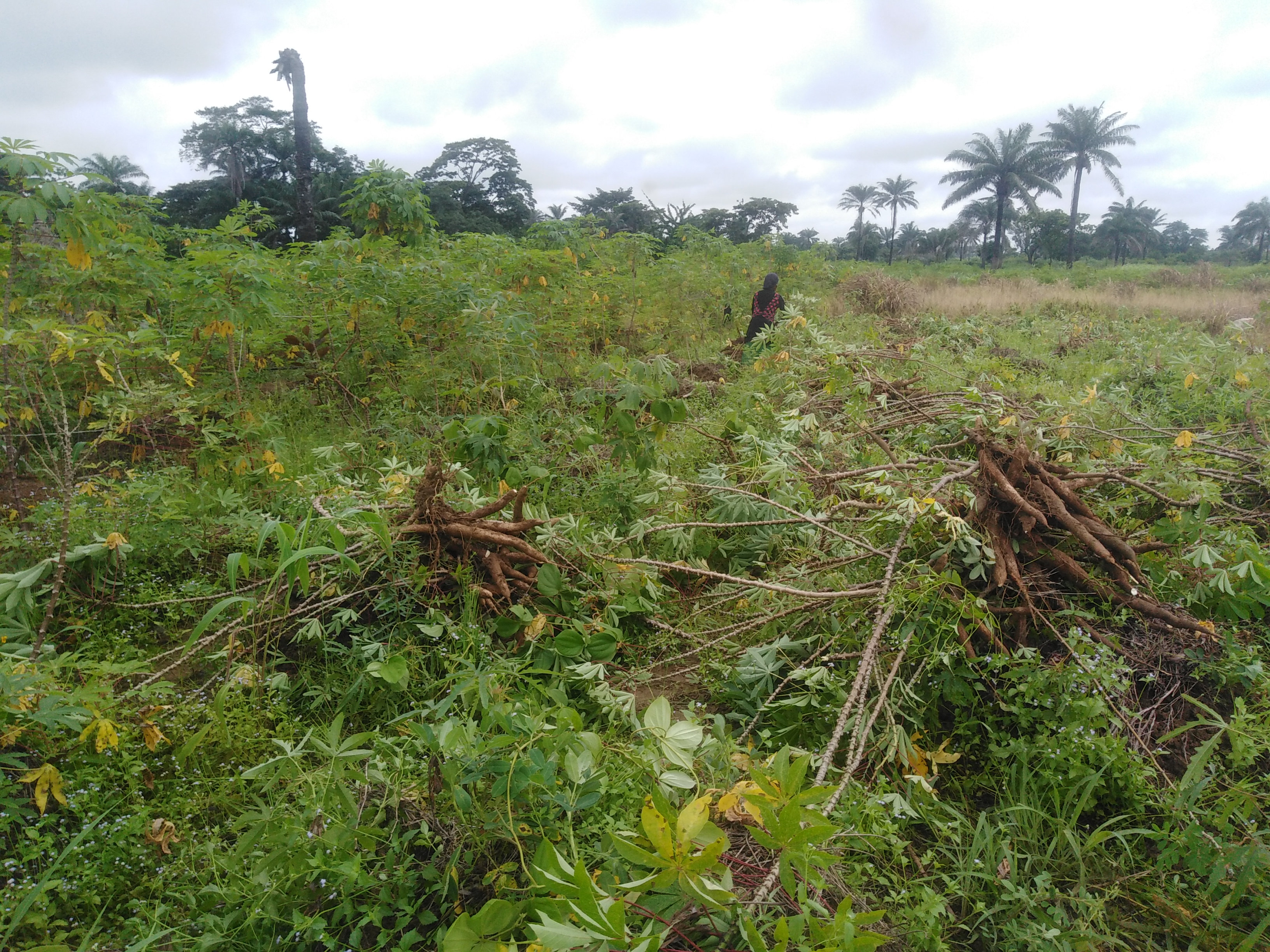
A crop model run across Africa projects that overlooked staples like cassava, teff and finger millet could gain ground under climate change, while maize and several familiar cash crops lose it.
Researchers built a compact light-sheet microscope from off-the-shelf parts that images cleared tissue at 850-nanometer resolution in every direction, ten times faster than before. It reaches 100 frames per second while covering samples up to a cubic centimeter.
The 2025 global carbon budget finds the natural land carbon sink is smaller than thought, and that warming plus deforestation have turned large parts of Southeast Asian and South American forest from a sink into a source of CO2.
Researchers built mice whose APOE gene can be flipped from the high-risk E4 version to the protective E2 version on command. Switching it, even briefly and only in astrocytes, cut amyloid pathology and improved memory.
Engineers built an optical fiber thinner than a pencil lead that can beam light from more than a thousand points along its length. In mice, aiming that light at different depths of one brain region triggered different escape behaviors.
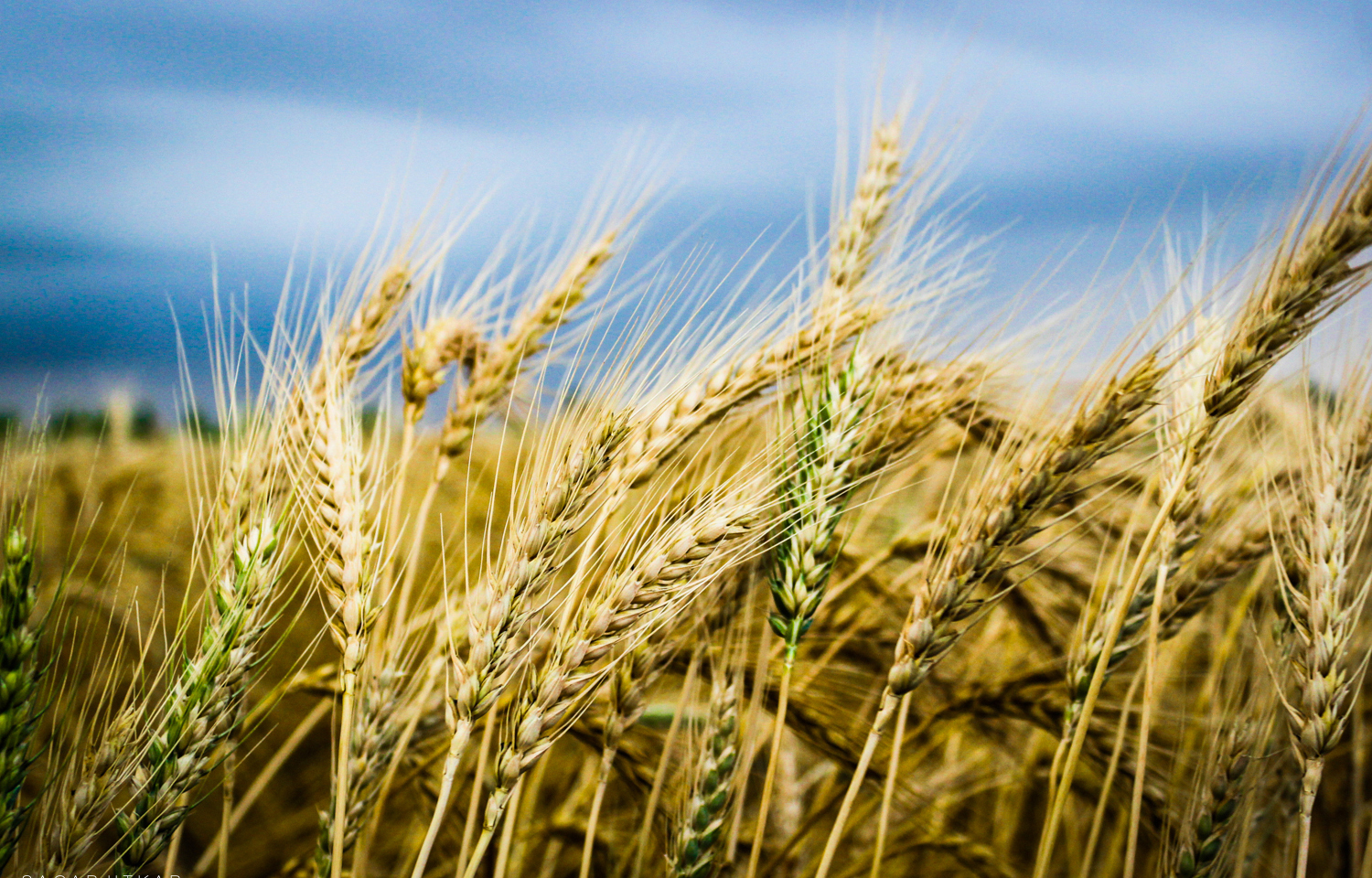
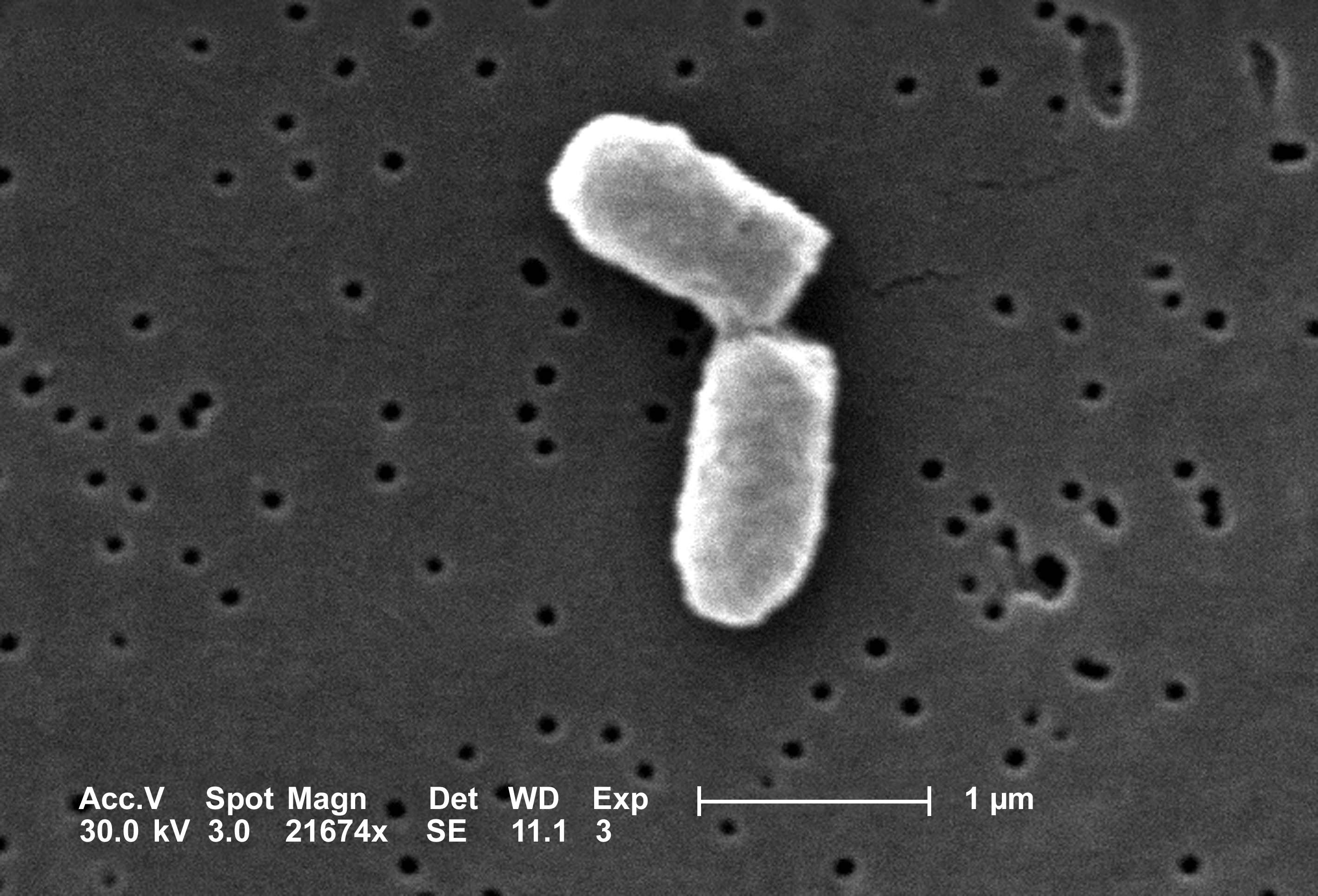
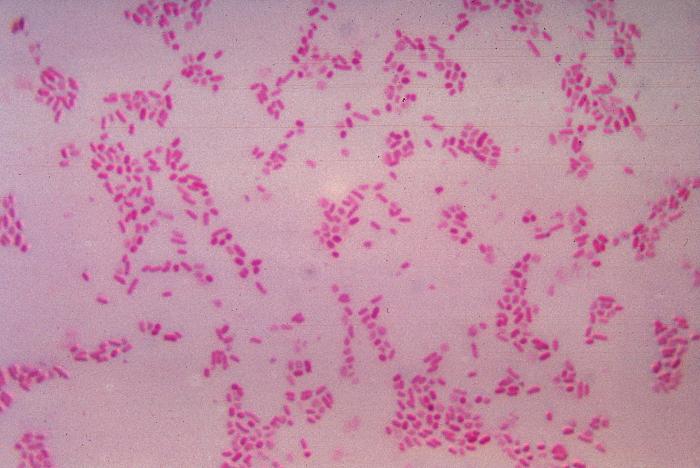
A fungus that ruins wheat harvests wins by making the plant less acidic. Researchers found that certain Pseudomonas bacteria living on the wheat head fight back by pumping out organic acids, and field trials showed they can hold the disease in check.
Fast-growing cells dilute the proteins that run engineered genetic circuits, wiping out their behavior. A team fused those proteins to sticky sequences that clump at their target genes, keeping circuits stable and boosting a chemical production pathway.
A common gut symbiont makes a fat molecule that calms a class of immune cells. Researchers found that many other gut bacteria make a look-alike molecule that does the opposite, blocking the signal.
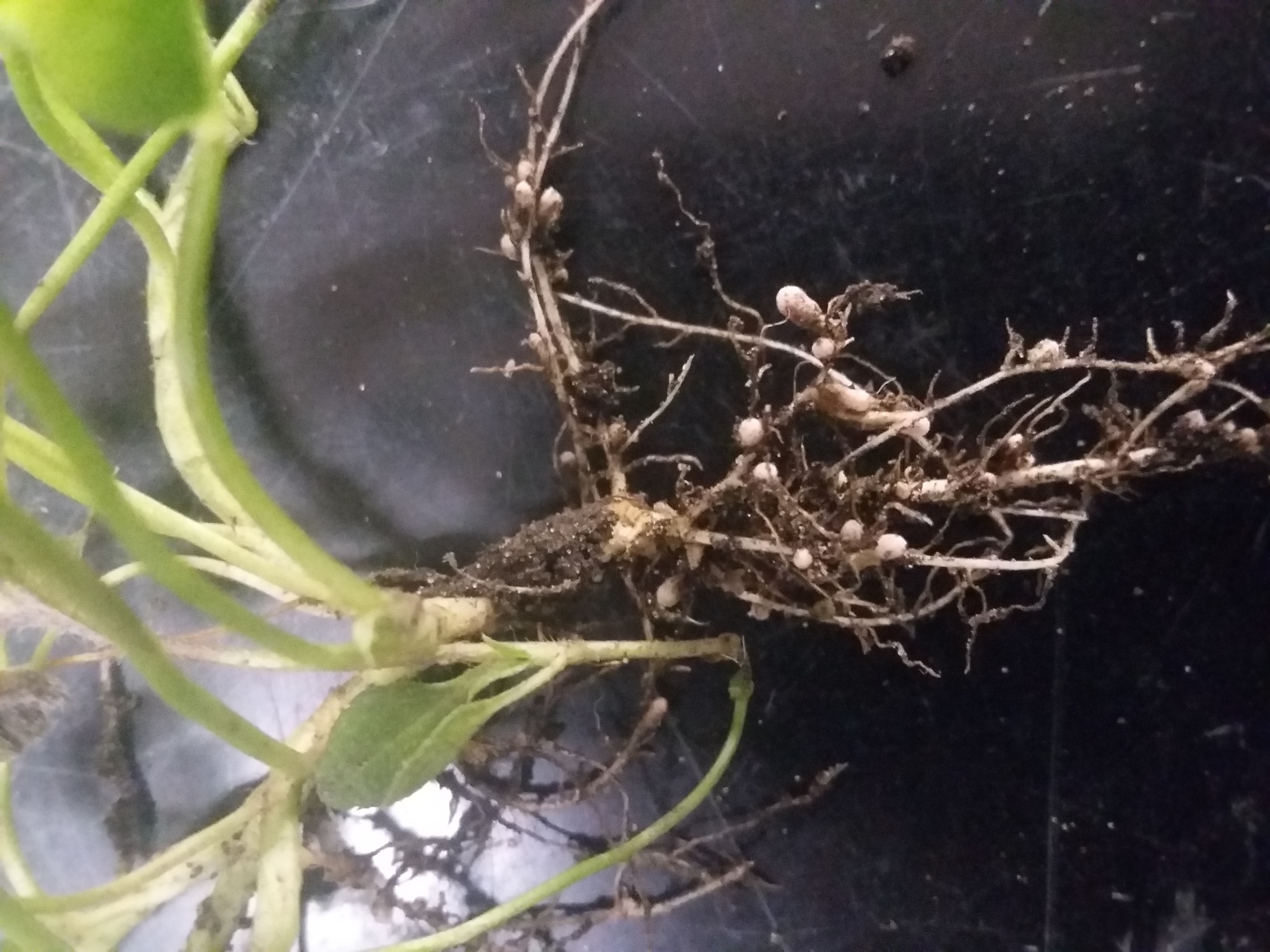
Legume roots use nearly identical receptors to attack fungi and to welcome nitrogen-fixing bacteria. Danish researchers found that swapping just two amino acids flips one setting to the other, hinting at how symbiosis might be engineered into other crops.
A new sequencing method reads messenger RNA from the human cells shed into stool, turning a routine sample into a noninvasive window on the gut. In mice it tracked inflammation and recovery over time, and it sorted IBD patients by disease severity.
A new accounting of biomass on the move finds that human travel dwarfs the combined movement of all wild birds, land mammals and arthropods. Marine animal movement, still the planet's largest, has halved since 1850.
Researchers used a graph neural network to sift enzymes for one that survives industrial recycling conditions. The winner, PURase, depolymerized commercial polyurethane at kilogram scale in eight hours.
A subset of unusually large brain waves during sleep carries the day's memories from the hippocampus to the cortex. Boosting them in mice made the animals remember better.
Researchers selected mice for lower activity by transferring gut microbiomes, not by breeding the animals. After four rounds, the recipients moved less, and a single bacterial metabolite could reproduce the effect.
A protein language model called MAGE designed working human antibodies against three viruses without starting from any known binder. The catch is that the hit rate is still low, and every design was checked in the lab.
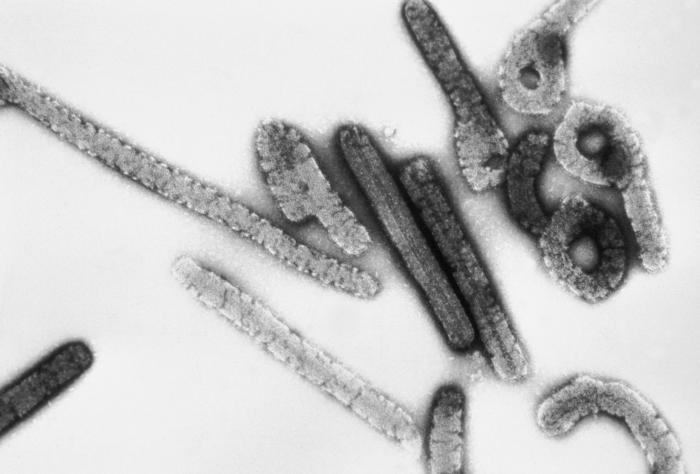
Marburg virus kills up to nine in ten people it infects, and no vaccine or drug is licensed against it. Researchers now report a single human antibody that neutralizes every known Marburg strain and protected guinea pigs from a lethal challenge.
Researchers in China found that switching off a single maize gene, ZmDapF1, makes seedlings survive drought better and keeps grain yield high in normal fields. The gene works by throttling a chloroplast enzyme tied to photosynthesis.
A deep-learning model called HER2 MAP reads pretreatment breast scans to predict a tumor's HER2 status without a needle. Trained on 14,472 images from 6,991 patients, it beat biopsy at forecasting who responds to therapy.
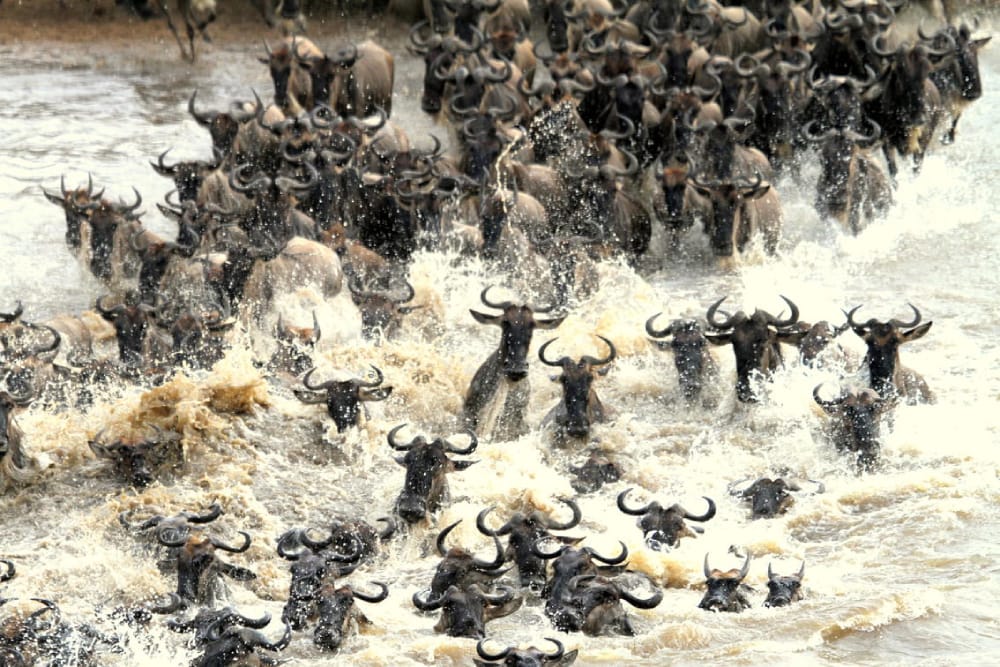
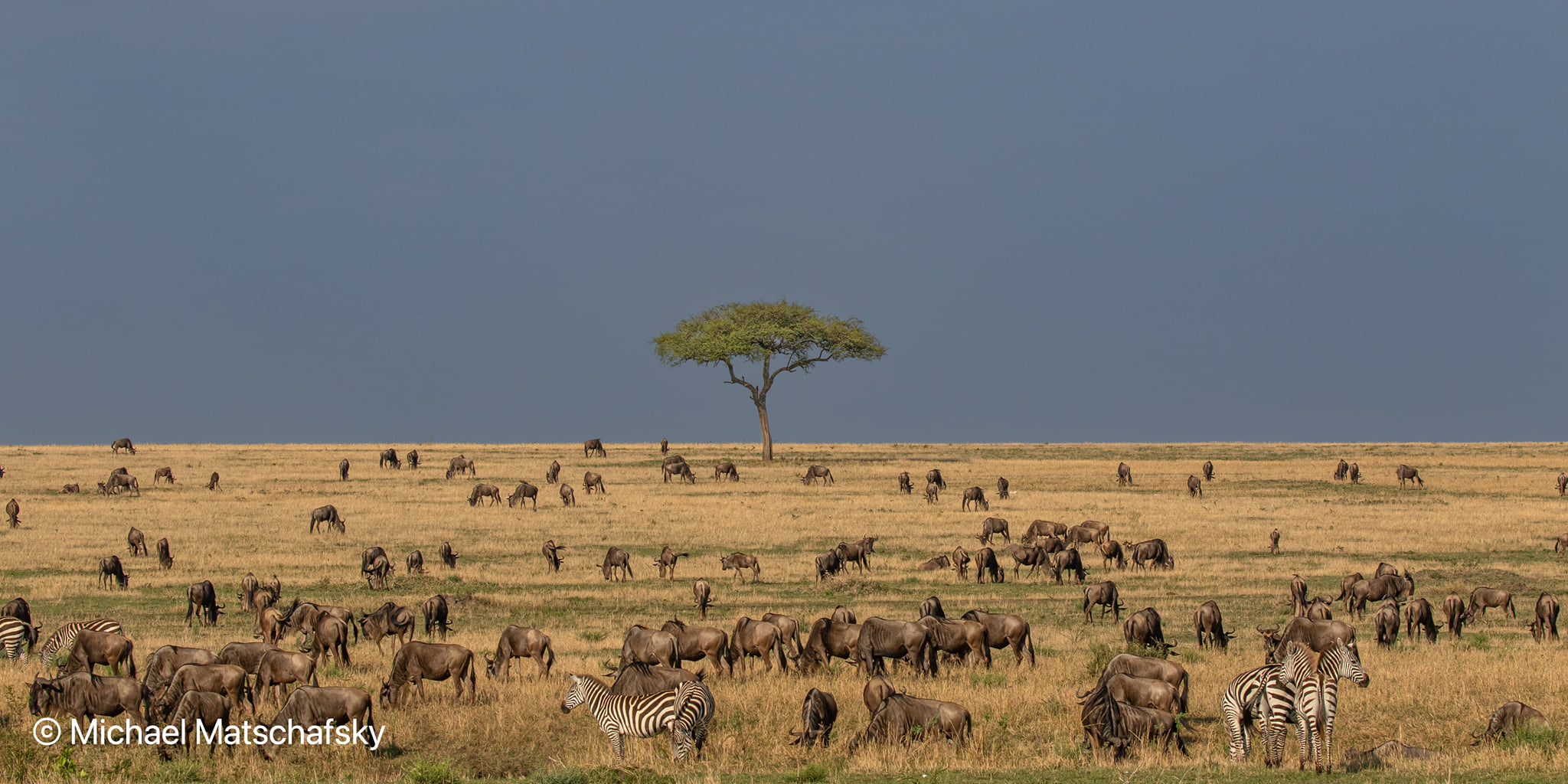
A new Nature study tracks the work animals do across sub-Saharan Africa as energy flowing through food webs. Since a pre-industrial baseline, that flow has fallen by more than a third, with megafauna functions collapsing outside protected areas.
Researchers identified a family of cholesterol-handling receptors that yellow fever virus grabs to enter cells. Soluble decoy versions of those receptors protected mice from infection.
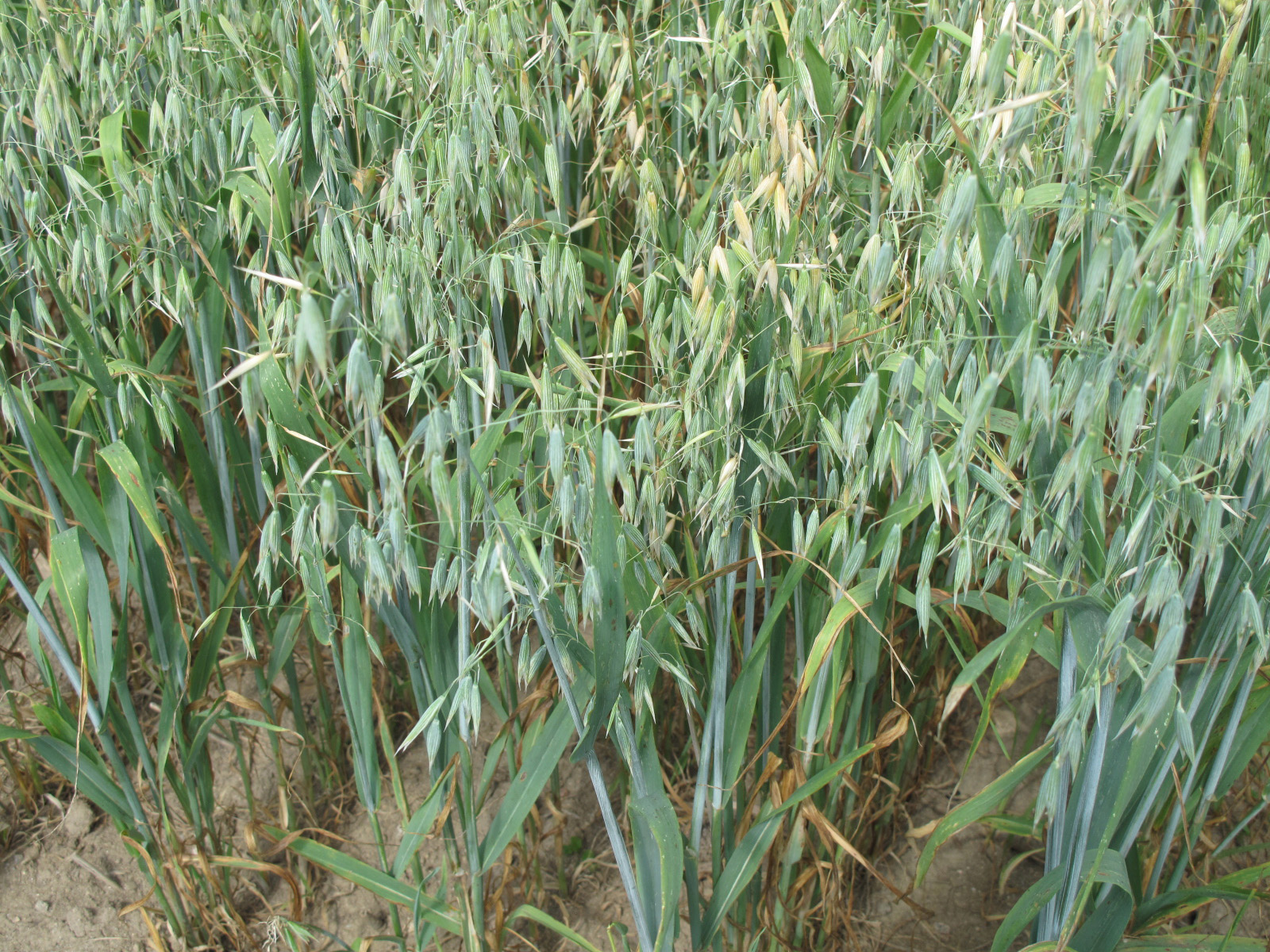
Researchers assembled chromosome-scale genomes for 33 wild and cultivated oat lines and mapped gene activity across six tissues, giving breeders a detailed map of a crop whose genome has long lagged behind other cereals.
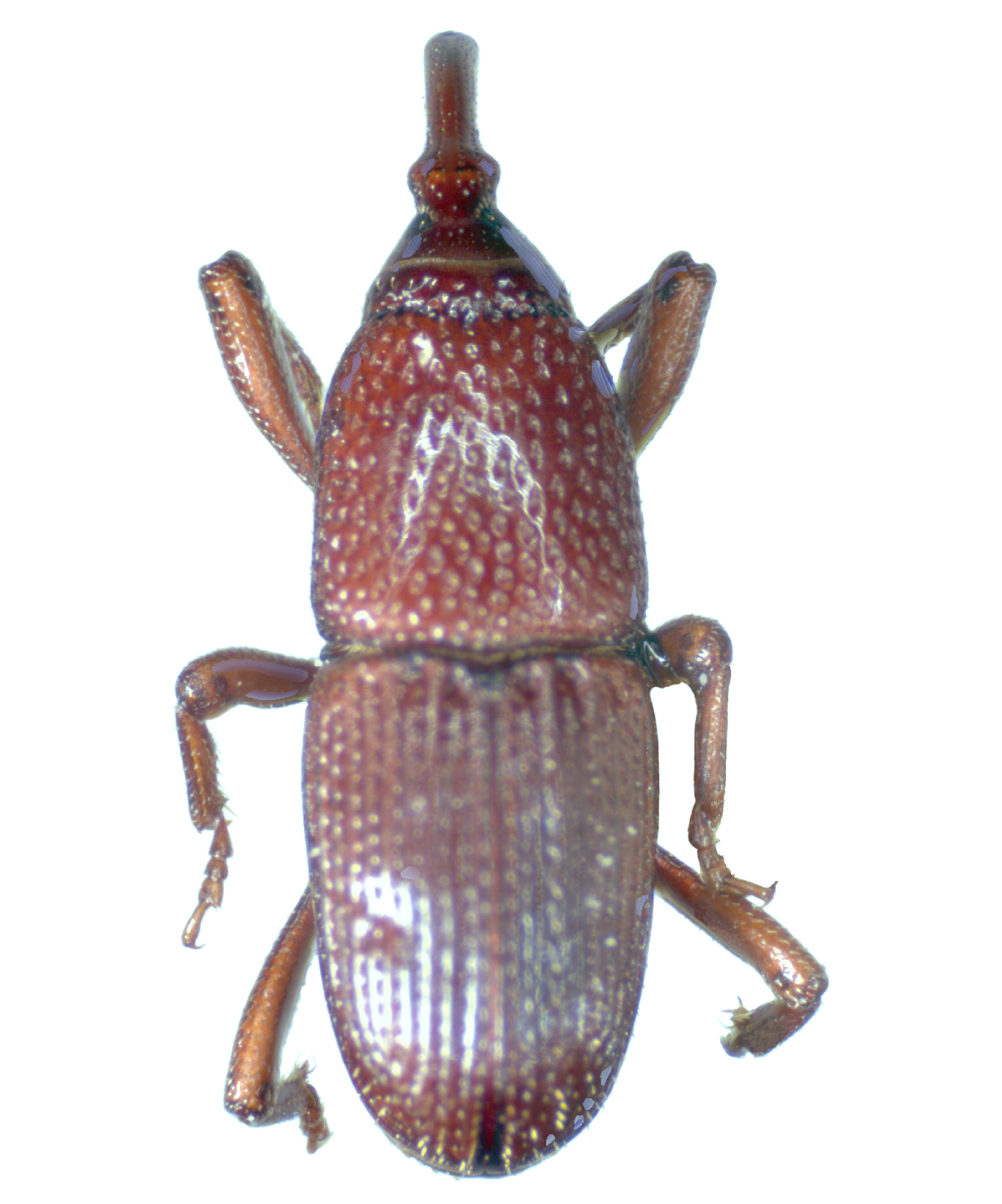
A grain weevil houses bacteria that survive on a diet of pure cereal. New imaging shows those bacteria build elaborate internal tubes to hand carbohydrates back to their host.
Researchers scanned stored blood from people who later developed multiple sclerosis and found signs of myelin damage about seven years before their first symptom. The work points toward a protein blood test for catching the disease early.
A new analysis projects that global plant productivity will peak around mid-century and then fall, as warming-driven atmospheric dryness cancels out the fertilizing boost from rising carbon dioxide.
Variants in UNC13A cause a newly described childhood syndrome through three distinct synaptic defects. Sorting patients by mechanism matters because raising protein would help one group and could harm another.
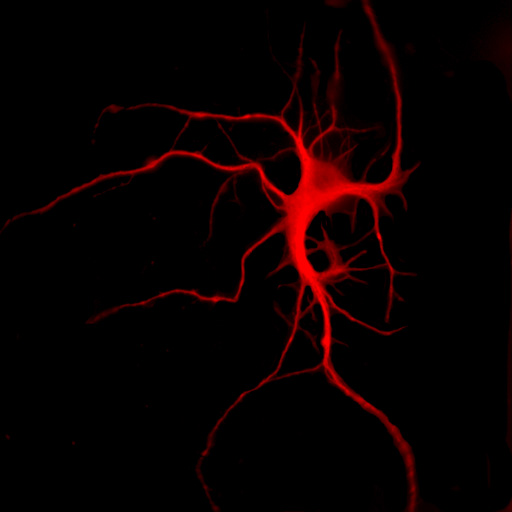
A study in Nature finds that star-shaped glial cells called astrocytes form their own memory ensemble, primed by a frightening experience and locked in by repetition. When the researchers disrupted it, memories grew shakier and less precise.
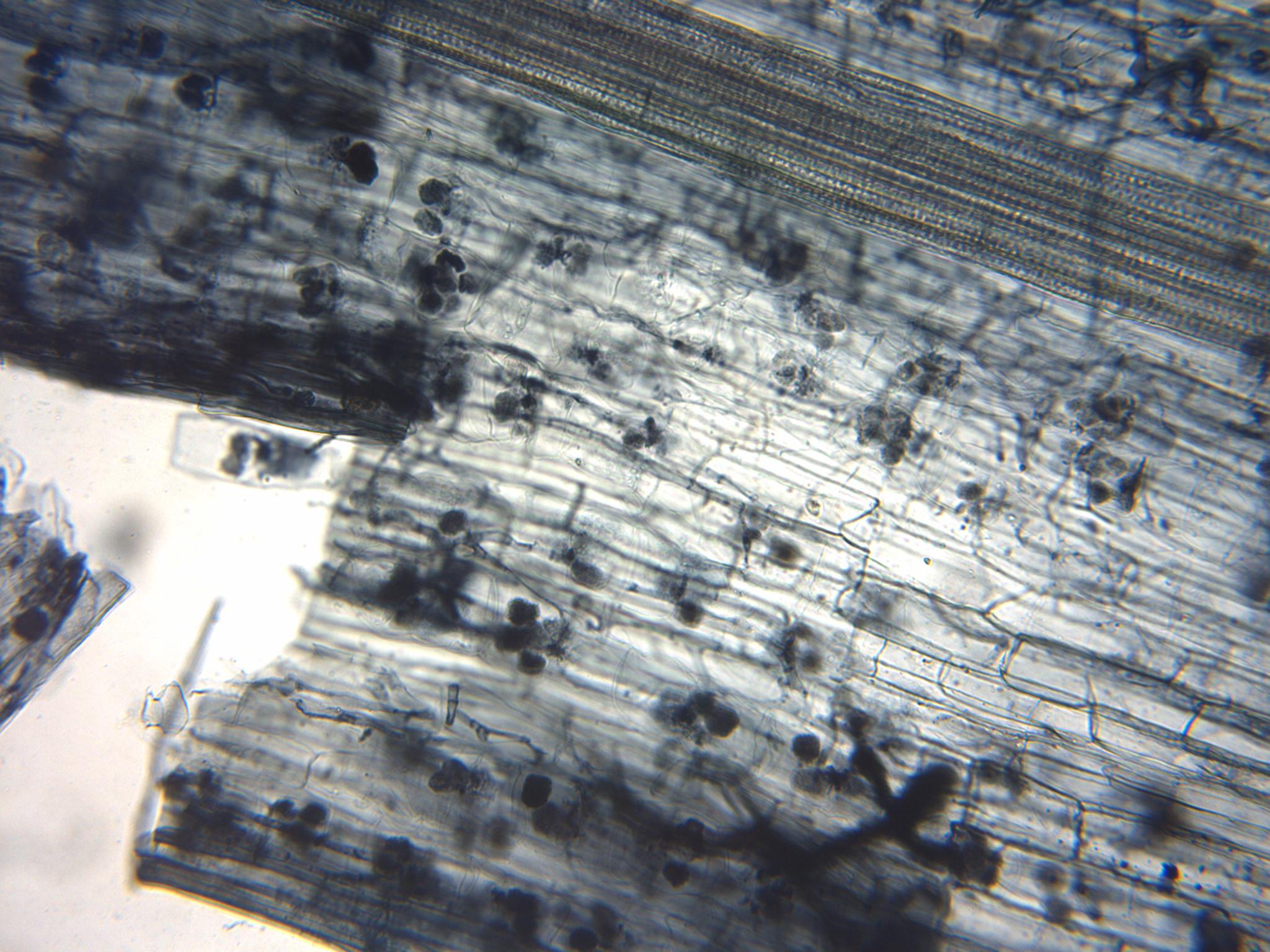
A new study shows that fungal threads linking plant roots can carry a chemical alarm from a sick plant to its healthy neighbors. The warned plants then reshuffle their root microbiome to fend off the same pathogen.
MIT engineers built editable promoters that let them dial a gene's activity to precise, stable levels and pass those settings on to daughter cells. The tool, called DIAL, could make gene circuits far more predictable.
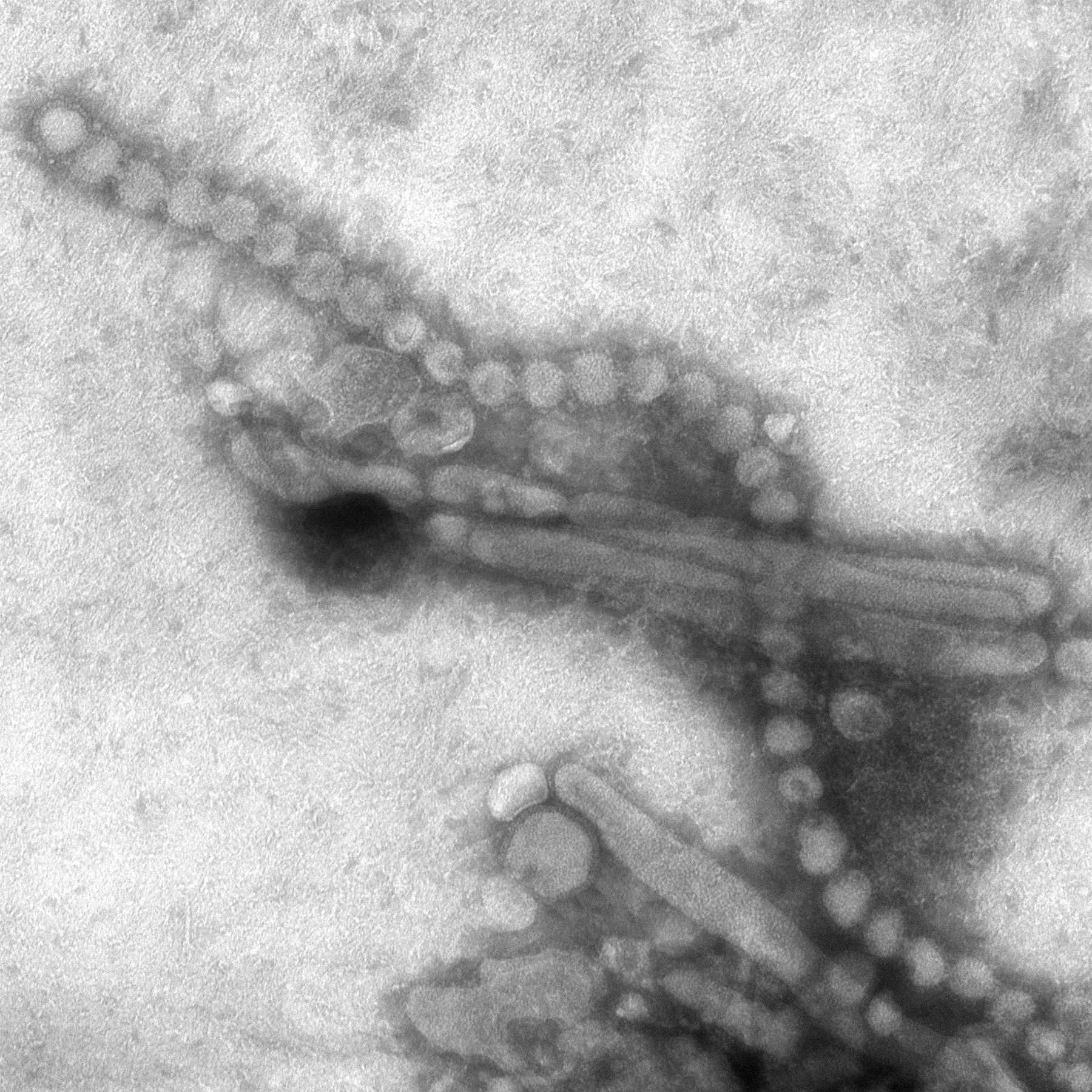
When herpes or flu viruses infect a cell, a sensor called ZBP1 can trigger a self-destruct program. A new study finds the molecule that sets it off comes from the host's own genome, not the virus.
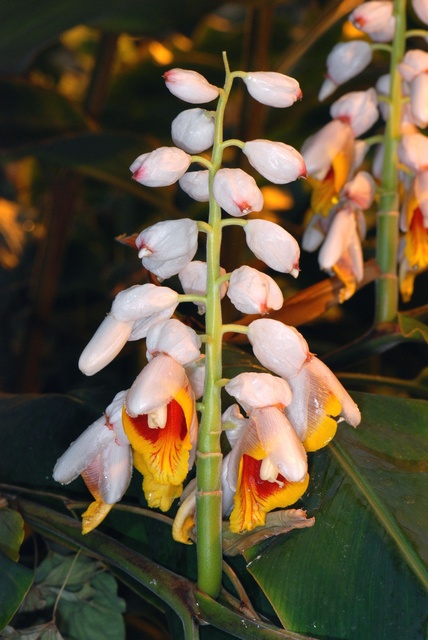
In the ginger Alpinia mutica, some flowers release pollen in the morning while others are ready to receive it, then they swap in the afternoon. Researchers traced this timed dance to a single gene, SMPED1.
Researchers built seven MRI-based clocks that estimate the biological age of the brain, heart, liver and four other organs in more than 313,000 people. The organ age gaps tracked future disease risk and death, and pointed to nine druggable genes.
Researchers noticed that working plant immune genes tend to be switched on even in healthy plants. Using that clue, they screened nearly a thousand candidates in wheat and found new sources of resistance to two damaging rust diseases.
Sequencing 2,140 women whose eggs or early embryos repeatedly fail during IVF, researchers traced roughly one in five cases to specific gene faults and named two new culprit genes. The work gives a stubborn form of infertility a genetic map.
Harvard researchers screened tuberculosis proteins for their power to protect mice, then built a three-antigen mRNA shot that outperformed the century-old BCG vaccine. Most of the best targets were ones vaccine developers had overlooked.
A study in Science shows that plant roots leak the amino acid glutamine at specific spots, and a waterproof barrier called the Casparian strip controls where. That leak decides which parts of the root bacteria colonize.
Boston University engineers built genetic logic circuits that work outside living cells and can store DNA-based information on paper for more than four months. The platform, called CRIBOS, uses recombinase enzymes to carry out Boolean computations in a test tube.
In a first-in-human trial, a shot of engineered DNA prompted volunteers' own muscle cells to produce SARS-CoV-2 antibodies for 72 weeks. The approach skips the factory-made protein entirely.
A three-decade survey of 188 Amazon forest plots finds trees have been growing steadily larger, with stand-level basal area rising 3.3% per decade. The pattern points to extra resources, likely carbon dioxide, outpacing the damage from heat and drought so far.
A microfluidic device catches contamination in living-cell and other human-derived therapies within a single day, down to one bacterium per millilitre. Conventional sterility checks take days these drugs do not have.
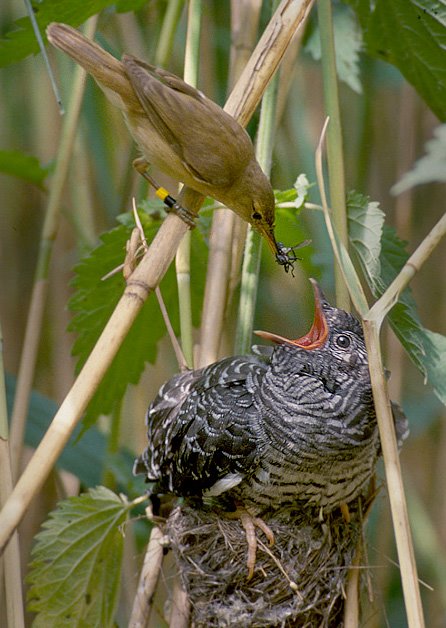
Birds on three continents make a nearly identical "whining" call when they spot a brood parasite near their nest. A new study finds the sound works like a word, and that hearing it triggers a hardwired response even in birds that have never met.
A single injection of a gene therapy called DB-OTO improved hearing in 9 of 12 children born profoundly deaf from a mutation in the otoferlin gene. Three reached normal hearing sensitivity.
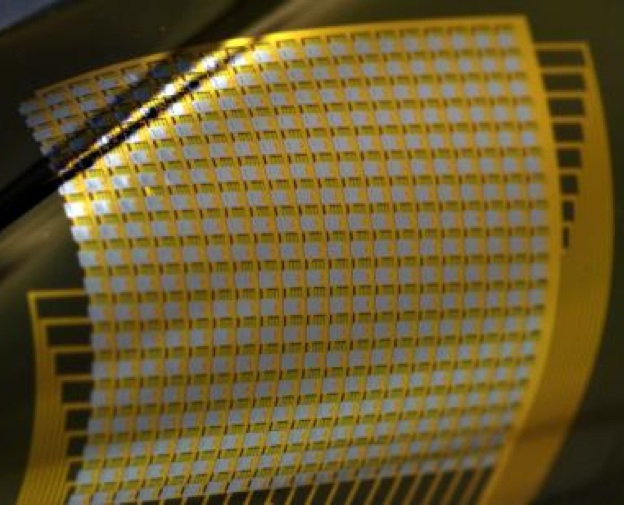
A thin-film array with 1,024 electrodes was slid onto the brain surface of pigs and neurosurgical patients without removing a piece of skull. It both read and wrote neural signals, and could be pulled back out again.
Germ-free female mice burn through their egg supply too early and have shorter fertile lives. A new study finds gut bacteria, acting during a narrow post-natal window, protect the ovarian reserve.
Researchers built a flexible microneedle sensor that reads uric acid in the fluid between skin cells and keeps working for seven weeks in animals, hinting at a way to watch gout and metabolic risk without repeated blood draws.
Cornell researchers found that H5N1 avian flu stays infectious in raw-milk cheese through four months of aging, unless the milk is acidified to pH 5.0 first. Ferrets fed the contaminated cheese, though, did not get sick.
A haplotype study of 682 modern barley lines and 23 archaeological grains traces the crop's founding population to the Fertile Crescent, after a long stretch of pre-domestication cultivation.
A new tool called ProTrek links a protein's sequence, structure, and a plain-English description of its job in one shared space, so researchers can search five billion proteins by simply describing what they want.
A global analysis of eight million forested locations finds that trees near forest edges hold on average 16 percent less aboveground biomass than deep-interior trees. Across the planet, that edge penalty adds up to a 9 percent cut in forest carbon.
An Australian study sequenced the genomes of 1,000 newborns from dried blood spots, screening 605 genes for treatable conditions. It flagged 16 babies that standard screening almost entirely missed.
A hungry mouse pokes around a new object more boldly than a fed one. Harvard researchers traced that shift to a drop in dopamine in a specific patch of the striatum, controlled by the brain's classic hunger neurons.
Swiss researchers built a genetic circuit called CHARM that reads cholesterol levels inside a cell and, when they climb too high, switches on a drug that lowers LDL. Packaged into implanted human cells, it kept mice in balance for months.
A Swiss-led team built an open-source pipeline called BindCraft that designs custom proteins to grab onto a chosen target, with experimental success rates of 10 to 100 percent. It works without any high-throughput screening.
Researchers combed through the immune systems of 32 people whose blood already fought off nearly every strain of HIV, and pulled out a single antibody with unusual reach. In lab tests it neutralized 98.5% of a 332-strain panel.
Researchers built a diagnostic that feeds a patient's serum to living human cells and reads how those cells react. The approach flags lung cancer in worrisome CT nodules, though the current version leans heavily on the scan to work.
A rapid COVID test that swaps gold particles for quantum nanodiamonds caught infections about two days earlier in a clinical evaluation, without losing accuracy. It hints at cheap point-of-care tests that rival lab PCR on timing.
Splitting 27 years of US stream monitoring by water temperature reverses the story twice over. Cold-water communities shrank and diverged, warm-water communities grew and homogenised, and the average stream barely moved.
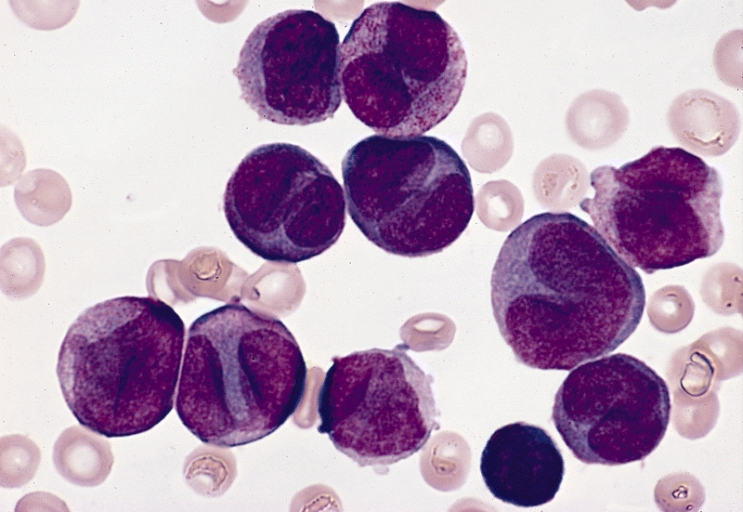
Researchers built a neural network that reads a leukemia's DNA methylation pattern from nanopore sequencing and names the subtype within about two hours. In one real-time test, it called all five patient samples correctly.
Mice that had experienced opioids preferred socializing with peers who had the same history. A brain circuit running from an odor-processing region to the amygdala drives the preference, and breaking it worsened relapse-related behavior.
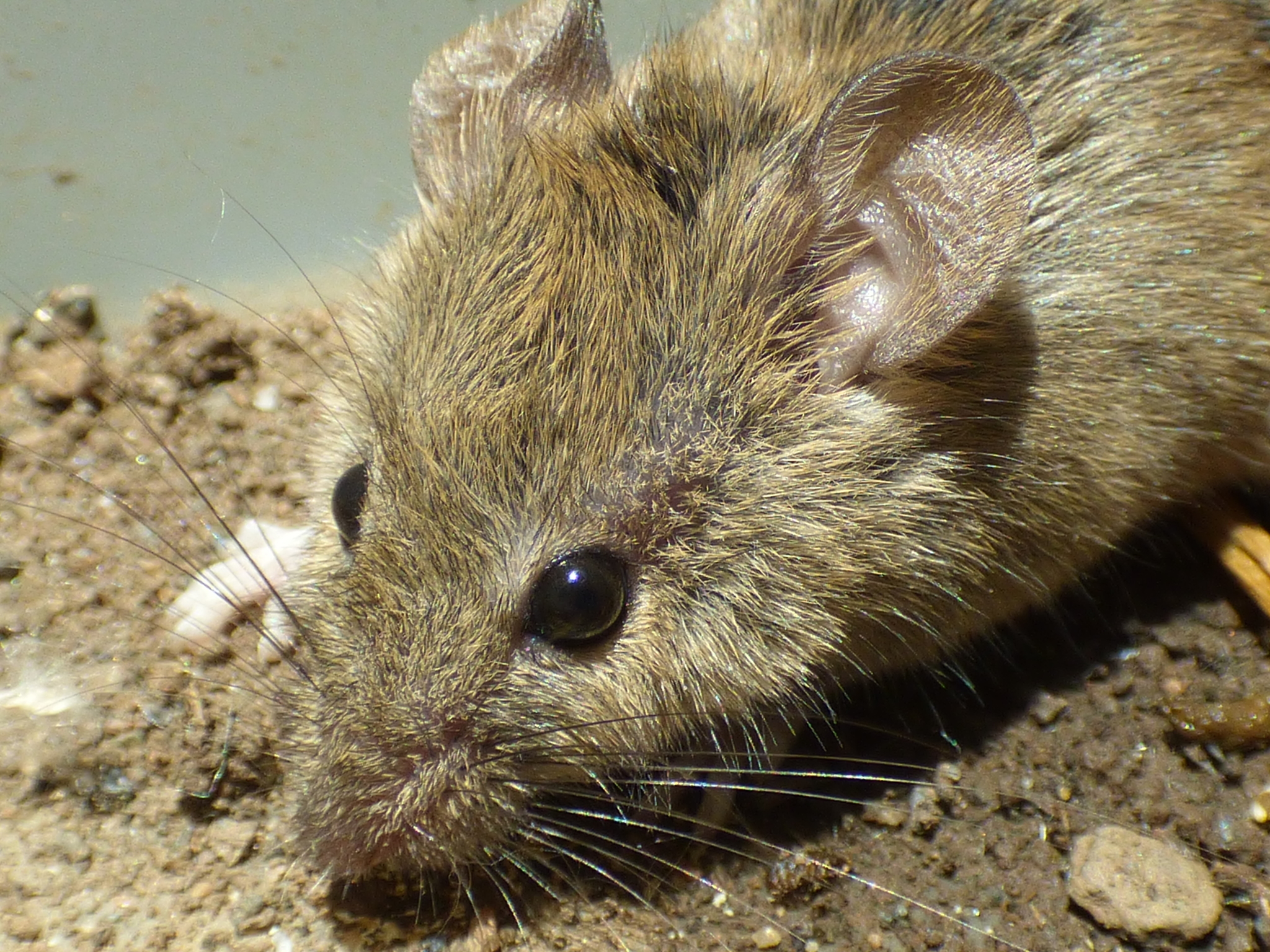
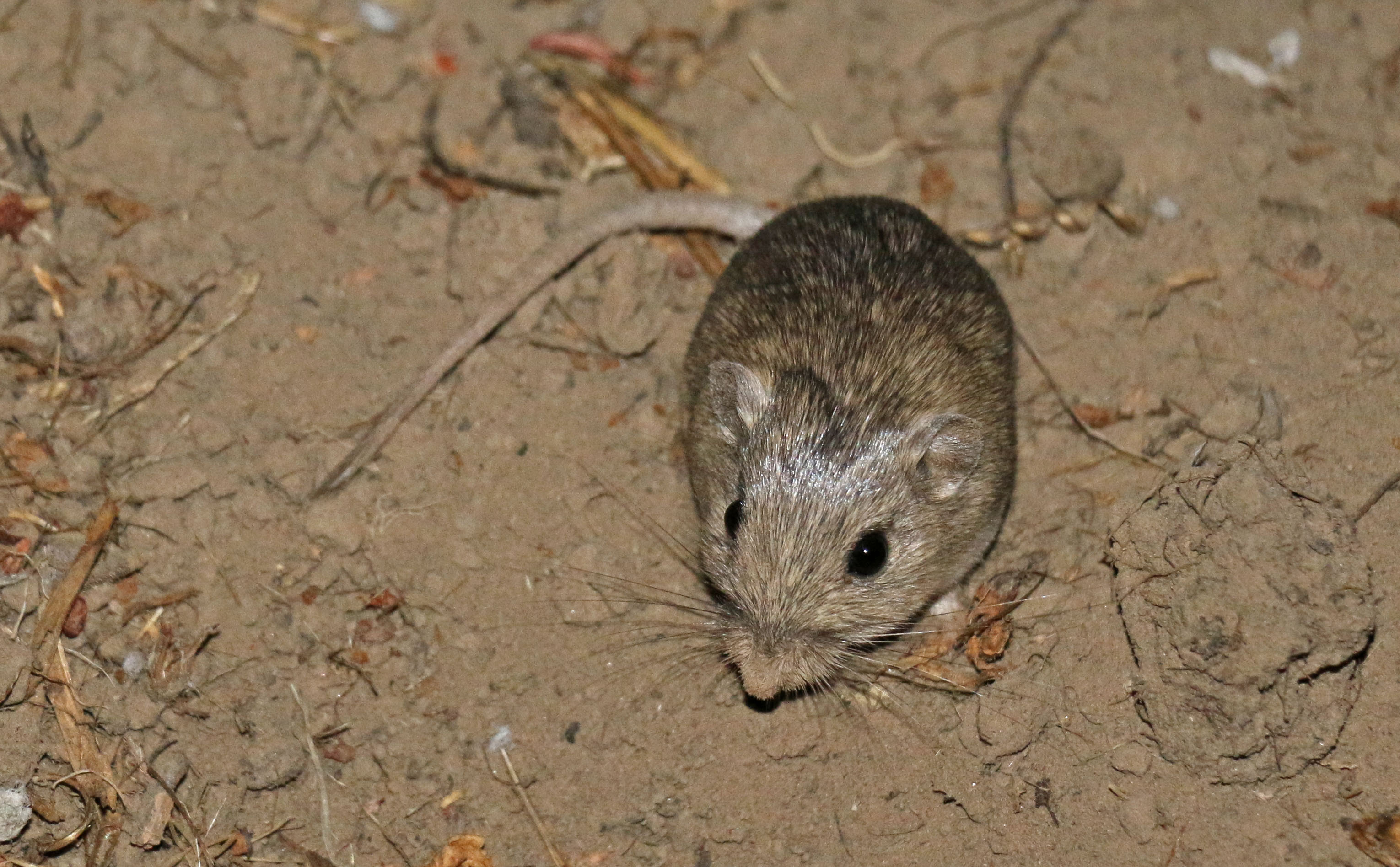
The Pacific pocket mouse nearly vanished, and its scattered survivors carry different chromosome counts. A new study finds that mixing those populations still boosts fitness, because staying isolated is the bigger danger.
Notch receptors only activate when a neighboring cell physically pulls on them, which long blocked efforts to switch the pathway on with a drug. Researchers engineered two-headed proteins that borrow force from a cell's own internalization machinery to activate Notch on demand.
A CRISPR screen pinned down desmocollin 2 as the main doorway Epstein-Barr virus uses to enter the epithelial cells of the mouth and throat. Antibodies against it blocked infection in lab-grown human tissue.
Rubisco, the enzyme behind nearly all photosynthesis, is slow and hard to build. Researchers used a bacterial screen to find rare mutations that sped it up, and one made hybrid-Rubisco tobacco grow about 75 percent faster.
A brief self-administered digital cognitive test, paired with a blood test, identified Alzheimer's in primary care patients with 90% accuracy. That beat physicians relying on standard tools.
A study of India's Zero Budget Natural Farming programme, the largest agroecological shift on Earth, found it doubled farmer profits and boosted bird diversity while keeping crop yields steady.
Researchers found five lupus patients who share broken copies of a single gene, PLD4. The discovery traces their disease back to an enzyme that normally chews up leftover genetic material, and hints at a drug that might help.
Researchers found a rare DNA variant that pushes back the onset of Huntington's disease by up to 23 years. It works by boosting a cellular clean-up protein that clears toxic clumps, and the same trick protected mice against Parkinson's and tau pathology too.
Researchers built a wearable microneedle patch that measures both glucose and the diabetes drug metformin in the fluid just under the skin, then sends the readings to a phone. It is an early step toward treatment that adjusts itself in real time.
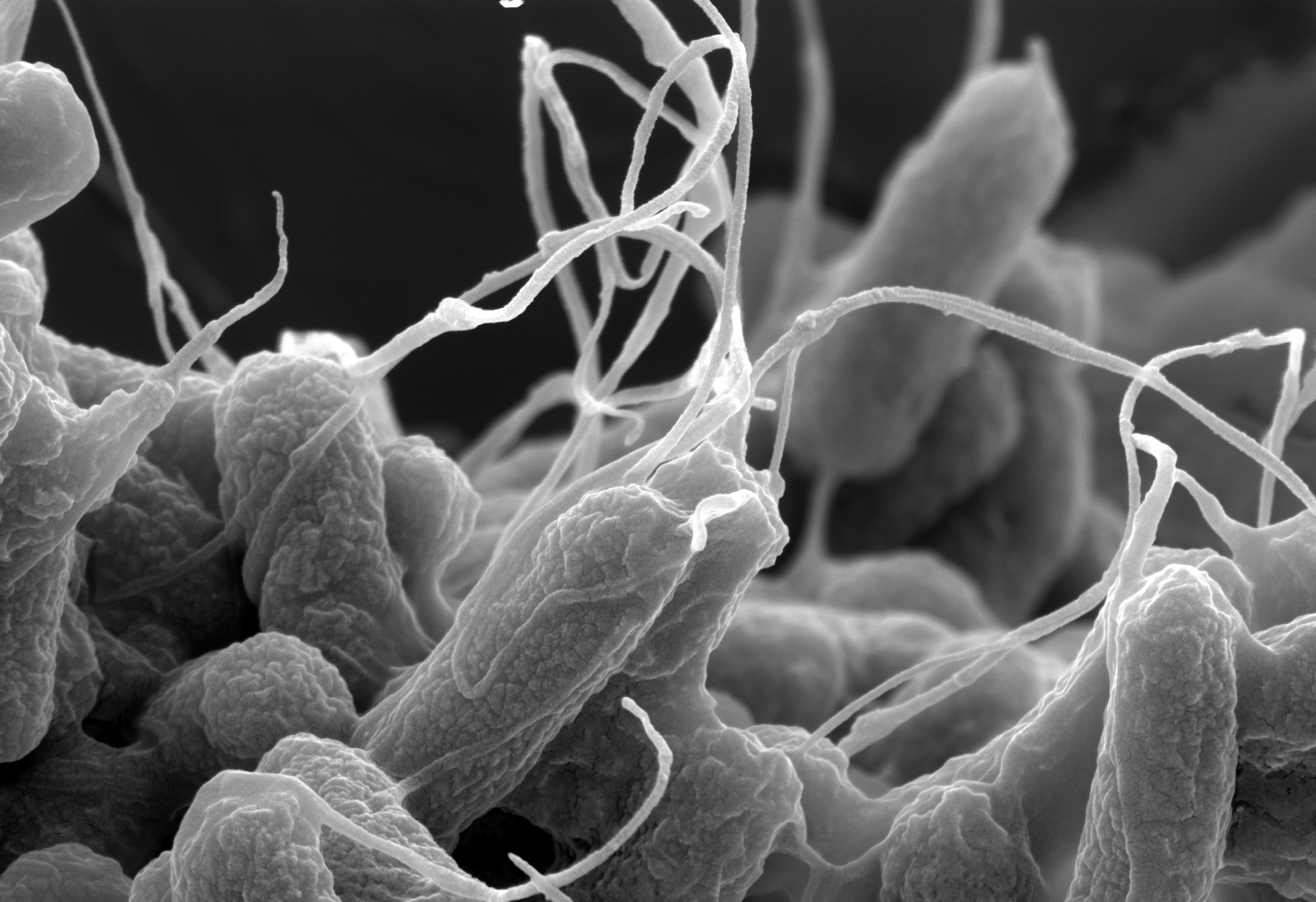
Duke researchers describe a gut-brain circuit that detects flagellin, a protein shared by the whip-like tails of many bacteria, and uses it to curb appetite in mice. They call it the neurobiotic sense.
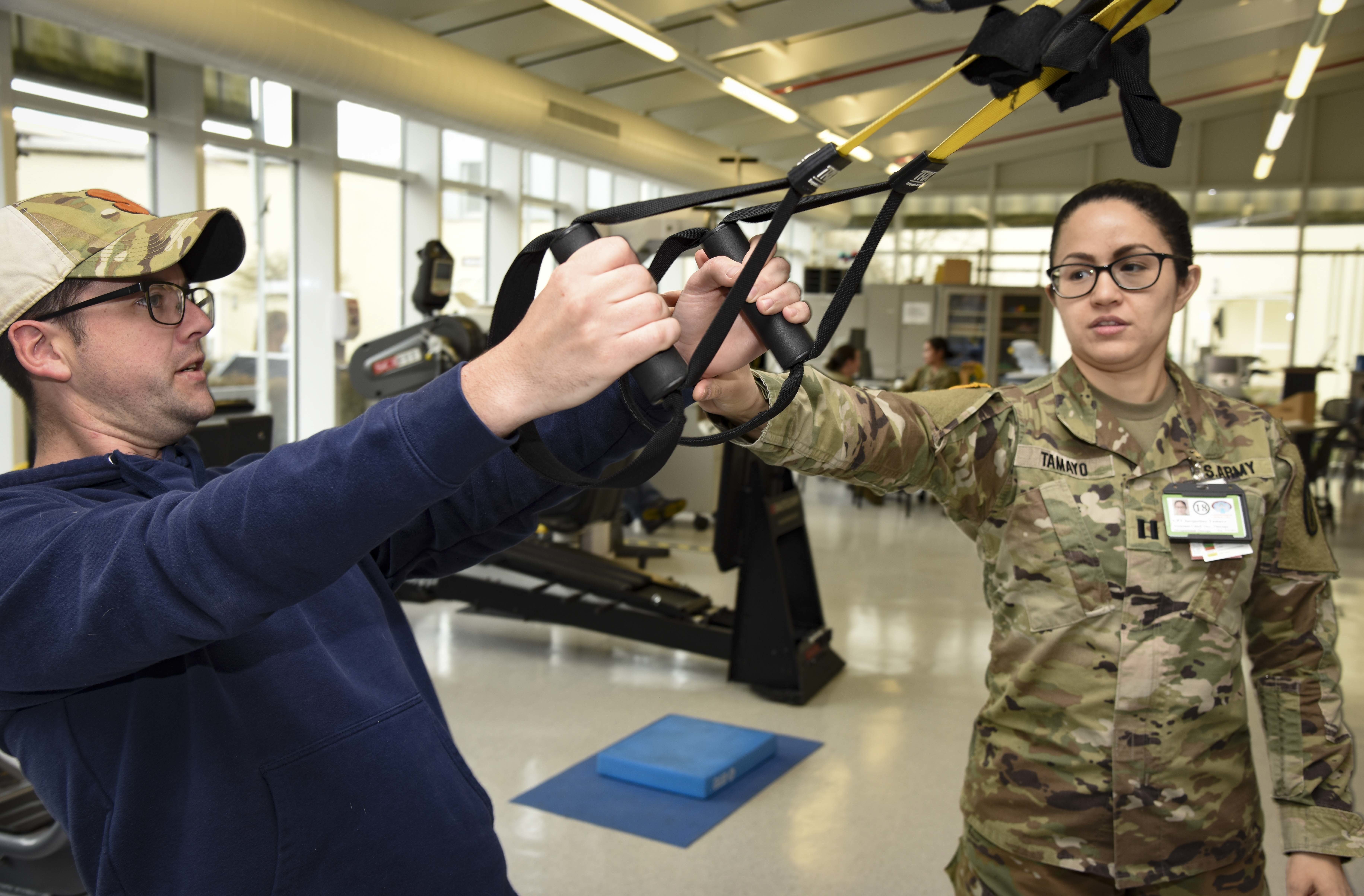
A one-year follow-up of the VNS-REHAB trial found that pairing brief vagus nerve pulses with arm therapy helped people with chronic stroke recover hand and arm function, and that the improvements were still there twelve months later.
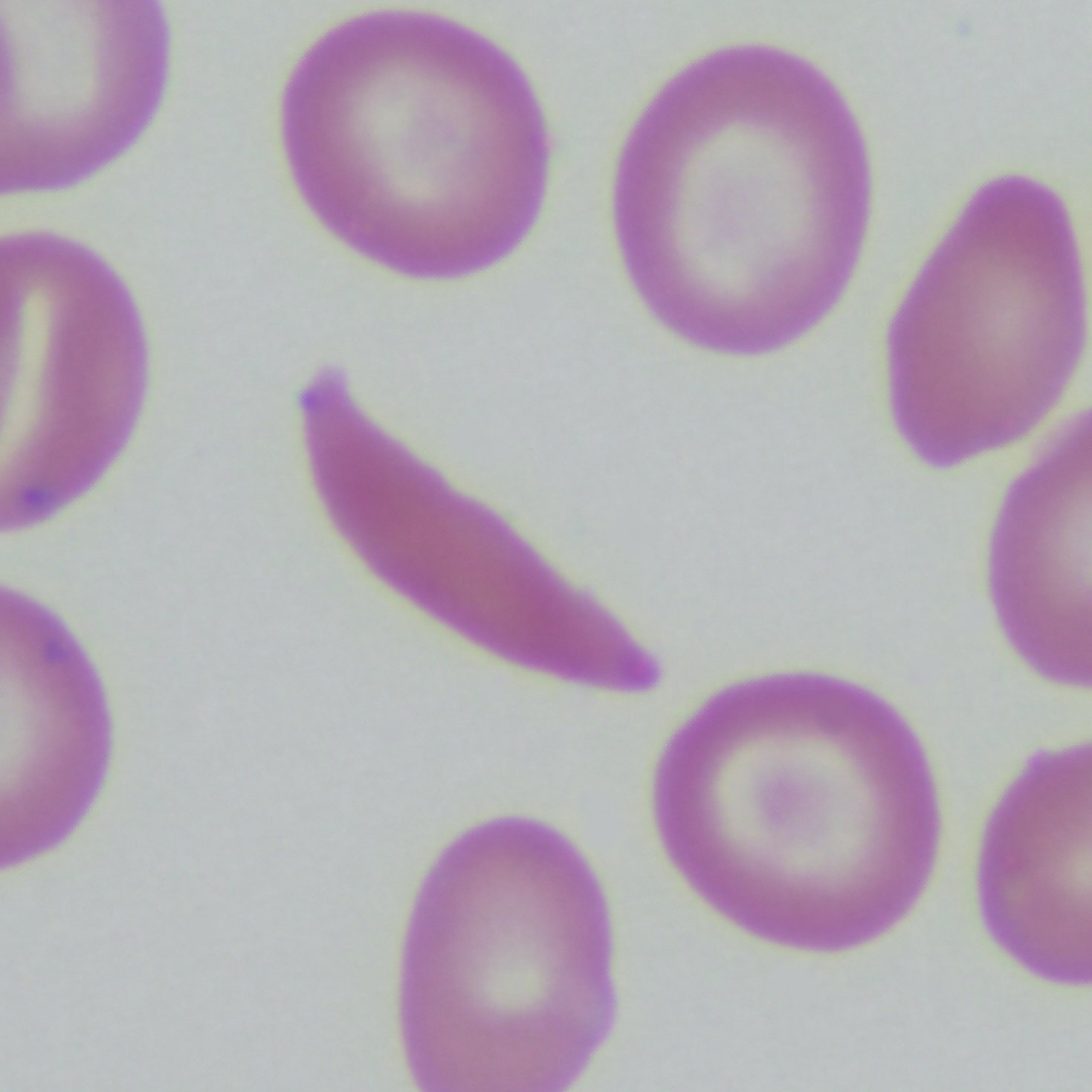
A first-in-human trial treated seven people with sickle cell disease using their own gene-corrected stem cells and a lighter dose of chemotherapy. Years later, painful crises had dropped by more than 80 percent, and the harsh side effects of standard conditioning were largely avoided.
Caltech and Rice researchers rewired a common probiotic strain of E. coli to sense inflammation in the gut and answer back with sound. The bacteria grow gas-filled structures that show up on a routine ultrasound, hinting at a cheaper way to watch bowel disease.
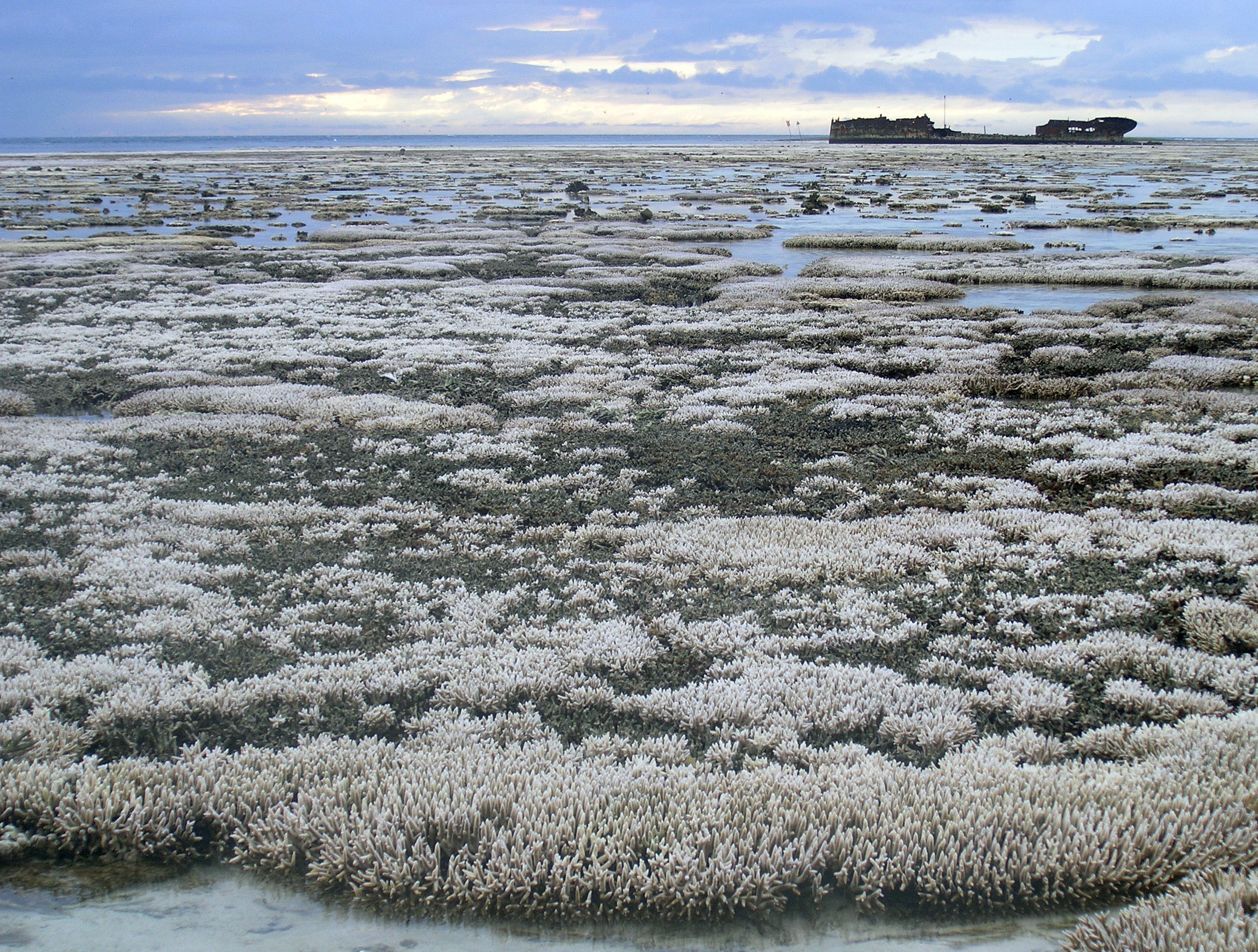
After the extreme 2024 heatwave, researchers tagged 462 coral colonies at One Tree Reef and tracked them for nine months. Where the water moved fastest, corals were far more likely to pull through. The reef's own shape helped decide who survived.
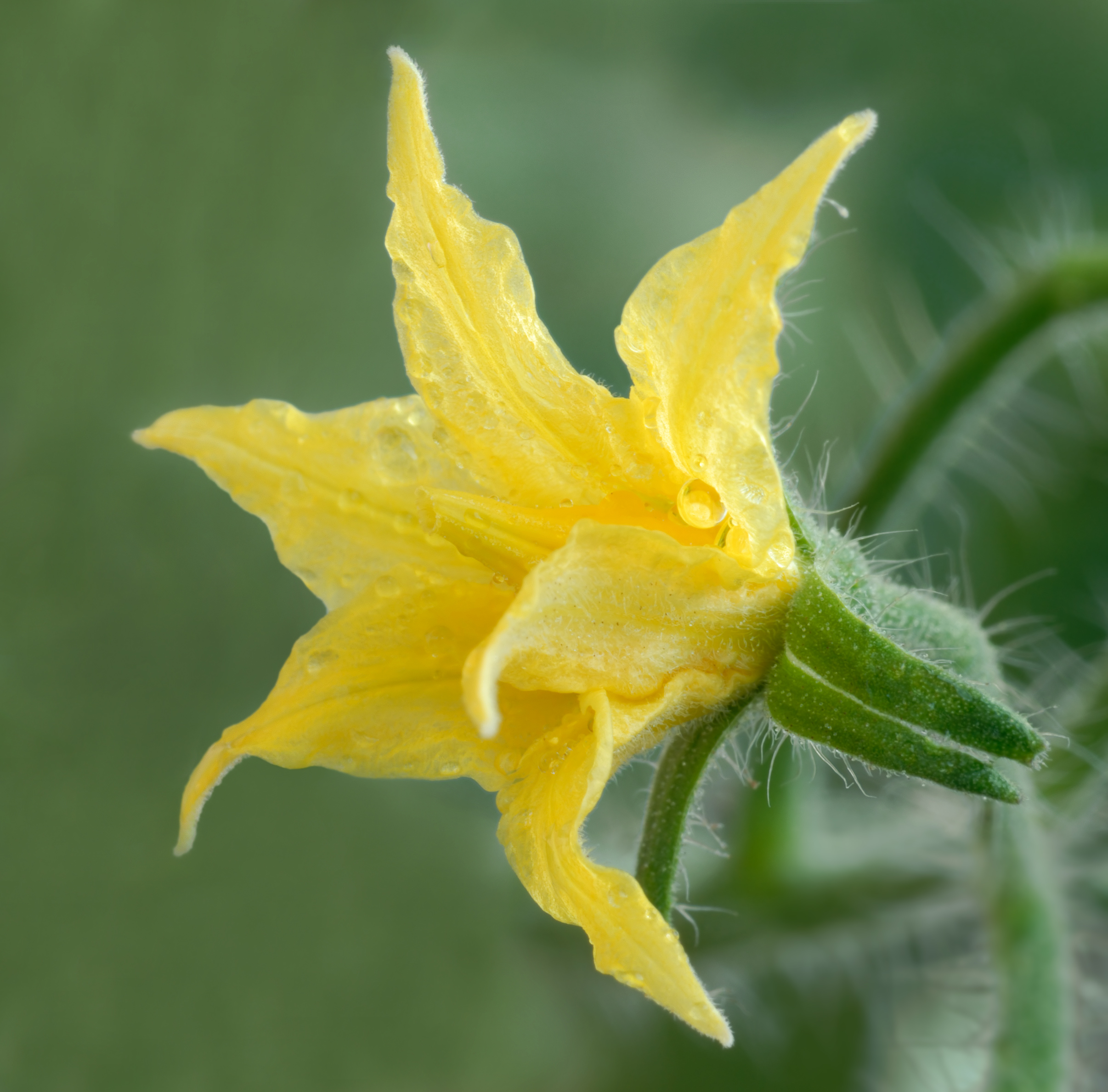
Researchers used gene editing to give tomato flowers a protruding stigma, then trained a mobile robot to find and cross-pollinate them. The pairing automates one of the most tedious jobs in plant breeding and speeds up the creation of new hybrid varieties.
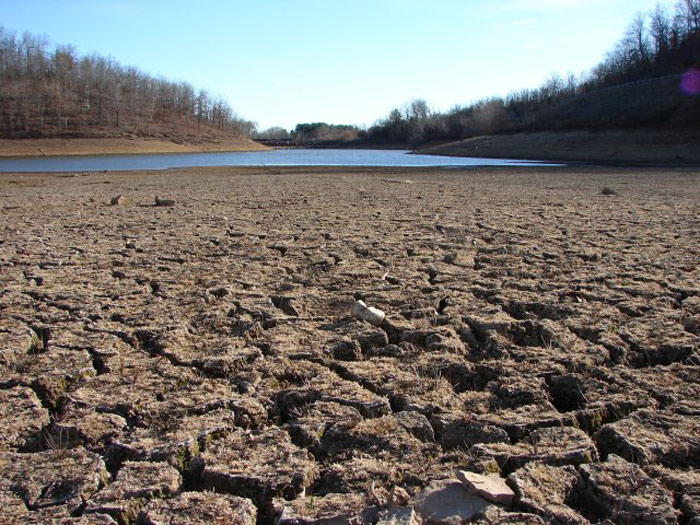
A century-long global dataset finds droughts have grown more severe on almost every continent, and that a warmer atmosphere pulling more water from land and plants explains roughly 40 percent of that worsening.
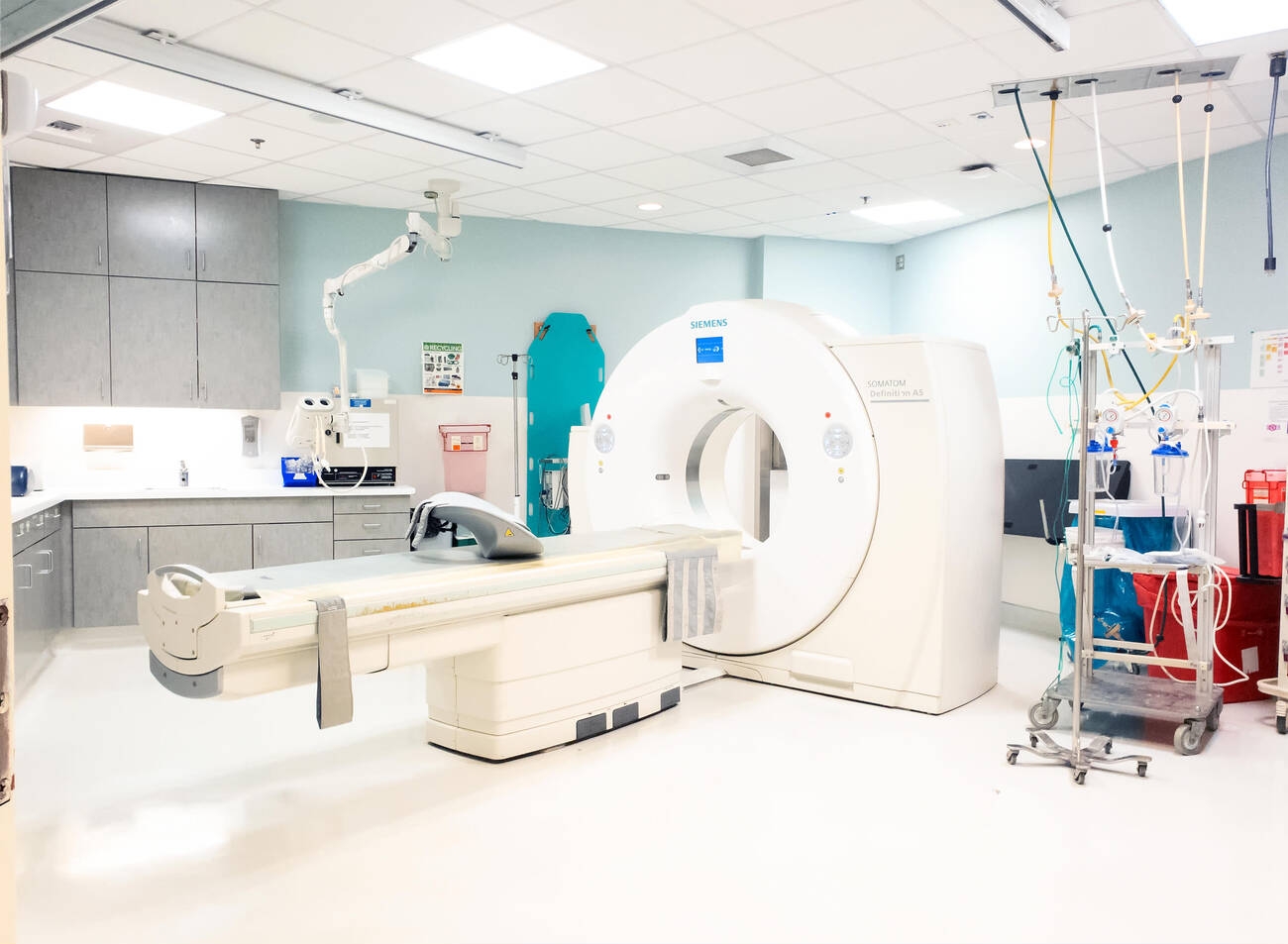
A deep-learning tool called GRAPE looks for gastric cancer on ordinary CT scans that were never meant to hunt for it. Across nearly 79,000 real-world scans it flagged tumors, including some radiologists had missed, and often caught them early.
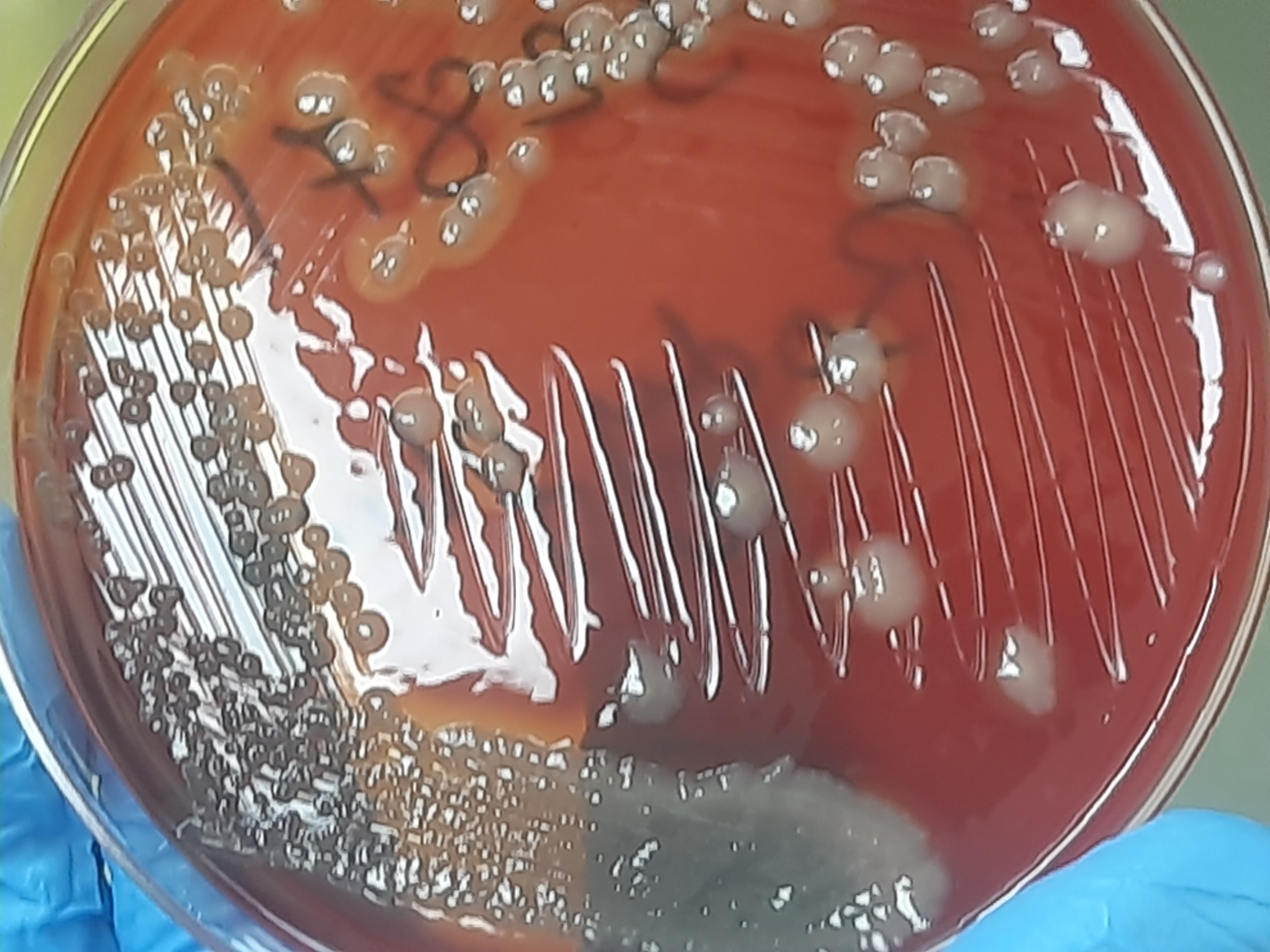
In a small randomized trial, nine adults with cystic fibrosis inhaled a cocktail of three viruses that prey on Pseudomonas aeruginosa. The treatment was safe, reached the deep lung, and hinted at knocking back a bacterium that antibiotics increasingly fail to clear.
A brain implant decoded the speech attempts of a man with ALS and turned them into synthesized voice with almost no delay, letting him change his tone, ask questions, and even hum short tunes.
Swedish and US researchers edited donor islet cells to hide from the immune system, then transplanted them into a man with type 1 diabetes who took no anti-rejection drugs. Twelve weeks later the cells were alive and releasing insulin.
A study recording from 30 people with electrodes deep inside the brain mapped where speech signals live. It found decodable activity well beyond the motor cortex, including sulcal depths and the insula, hinting that future speech implants could aim elsewhere.
A team measured drought's mark on stem growth in 483 tree-ring records from across the tropics. The average hit during the driest years was about 2.5 percent, far smaller than models of a drying, carbon-releasing forest had assumed.
Researchers systematically matched dozens of soybean signaling peptides to their receptors and found one pair that switches on the plant's defenses, blocking a wide range of pathogens. It points to a way to boost crop immunity without a single pesticide.
Chinese chemists built a closed-tube CRISPR assay that produces a visible green color when it detects viral genetic material, spotting single copies of monkeypox and RSV in under an hour and matching lab PCR on 40 out of 40 samples.
Weekly research updates, breakthrough summaries, and new articles — straight to your inbox. Free, always.