


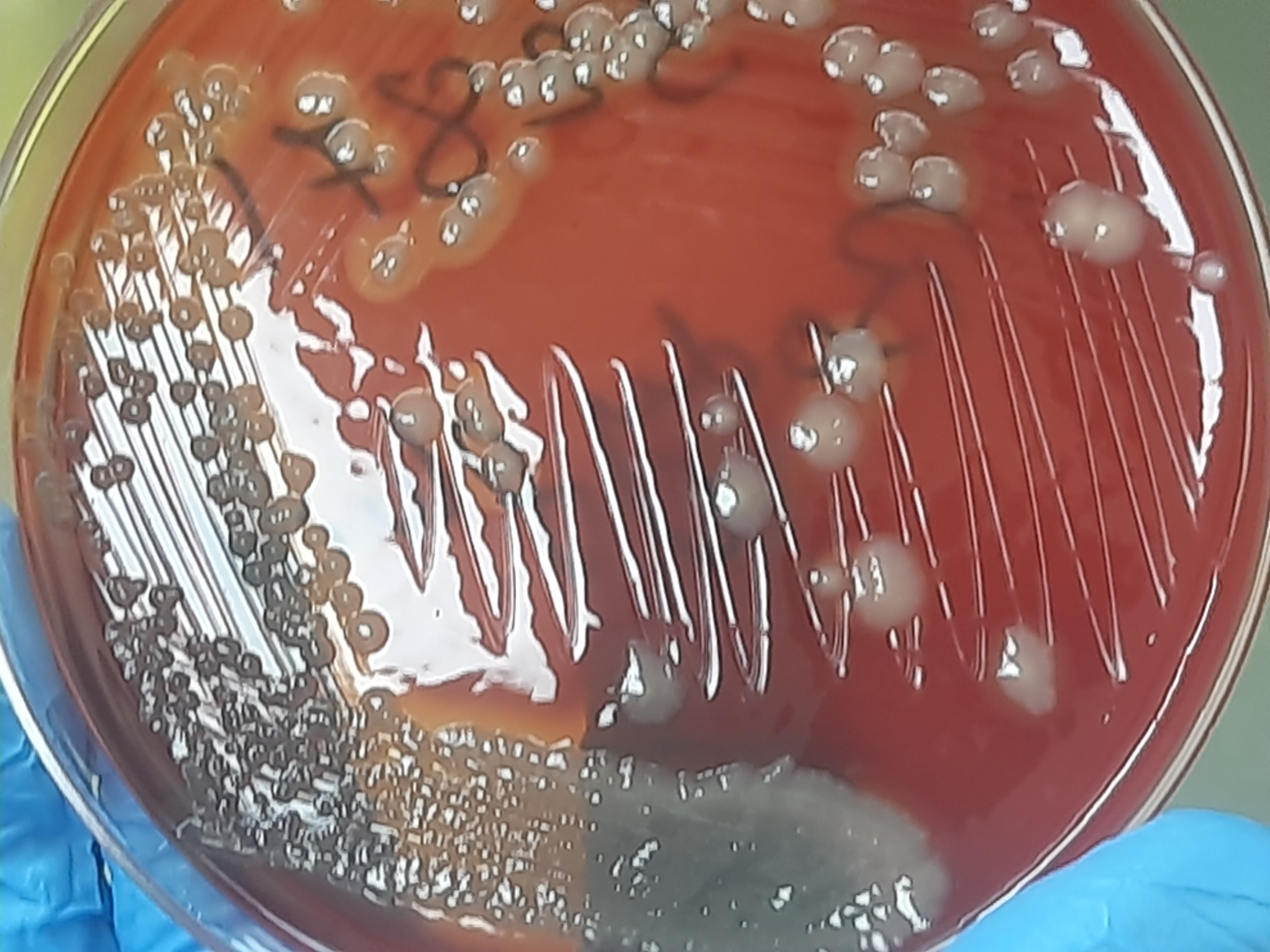
For someone with cystic fibrosis, a chest infection is rarely a one-time event. A bacterium called Pseudomonas aeruginosa moves into the sticky mucus that clogs their airways and settles in for years, weathering round after round of inhaled antibiotics until the drugs stop working. By the time a patient reaches adulthood, this one microbe is a leading reason their lungs slowly fail.
So there is something almost old-fashioned about the fix a team at the Israeli biotech BiomX just put to the test: fight the bacteria with viruses. Bacteriophages, or phages, are viruses that infect only bacteria, and they were used as medicine a century ago before antibiotics pushed them aside. In a trial published in Nature Communications, researchers led by Iddo Weiner asked whether a carefully built phage cocktail, breathed in through a nebulizer, could be given safely to people with cystic fibrosis. The short answer was yes.
Building a cocktail, not just picking a virus
The work that led up to the trial is the part that separates this from a lucky guess. Phages are picky. A given virus will kill some strains of Pseudomonas and ignore others, so a therapy built around a single phage would fail most patients. The team collected 143 Pseudomonas strains, nearly all from the sputum of people with cystic fibrosis, and confirmed that this panel captured the wide genetic range of the species, including the defense systems bacteria use to fend off viral attack.
Then they went hunting for phages in the environment, sequenced 164 of them, and screened for ones that were strictly lytic, meaning they burst the bacterium open rather than quietly hiding in its genome. From nine strong candidates they chose three that together covered the most strains. That trio, named BX004-A, could infect 106 of the 143 clinical strains. The researchers also had to solve a delivery problem: a phage that survives being pushed through a nebulizer and lands deep in the lung, not just at the back of the throat. Their formulation put 58 percent of the dose into droplets small enough to reach the lower airways.
What happened in the nine patients
The trial itself was deliberately small. Nine adults with cystic fibrosis and long-standing Pseudomonas infection were randomly assigned to inhale either BX004-A or a placebo, on top of their usual inhaled antibiotics, for seven days. Seven got the phages, two got the placebo. This was a first-in-human study, so the main questions were about safety and tolerability rather than cure.
On those terms it cleared the bar. No patient had a treatment-related side effect, no one had a flare-up of their lung disease, and no one dropped out. When the team measured phage levels in sputum, they saw the viruses arrive and peak about three hours after a dose, exactly what you would want from something delivered to the site of infection. Two patients still had detectable phage a week after the last dose, a sign the viruses may have kept replicating on the bacteria they found.
The most interesting numbers were the ones the trial was not really powered to prove. Compared with placebo, the phage group showed a meaningful drop in Pseudomonas counts in sputum on day 4 and again on day 15, a difference of nearly three logs, which is close to a thousandfold reduction, by the later timepoint. The bacterial community in the lung also shifted in a healthier direction in treated patients, with Pseudomonas losing ground and overall microbial diversity rising. Crucially, the researchers saw no sign that the bacteria evolved resistance to either the phages or the antibiotics during the week of treatment.
What the study can't say yet
Nine people is nine people. The authors are candid that a trial this size cannot establish that the treatment works, only that it looks safe and worth pursuing. The bacterial reduction was uneven; the effect was clear on days 4 and 15 but weaker on day 8, and with so few patients a couple of individual responses can swing the average. The team checked whether the type of inhaled antibiotic or the use of a modern CFTR-modulator drug muddied the results and could not rule those factors out.
There is also the matter of reach. The cocktail missed 37 of the 143 strains in the lab panel, so some patients would need a broader or personalized mix. And a seven-day course tells you little about what happens over months, when bacteria have far more chances to adapt.
Still, this is one of the first placebo-controlled looks at inhaled phage therapy, a field that until now has leaned heavily on one-off compassionate-use cases where there was no comparison group and no way to know what the phages actually did. Getting a manufactured, regulator-grade phage product through a controlled trial without a safety scare is the unglamorous step that has to come before anyone can ask the bigger question. That question, whether breathing in the right viruses can hold Pseudomonas at bay where antibiotics no longer can, now moves to a larger trial.
Weiner et al. "Phage therapy with nebulized cocktail BX004-A for chronic Pseudomonas aeruginosa infections in cystic fibrosis: a randomized first-in-human trial." Nature Communications, 2025. doi.org/10.1038/s41467-025-60598-4
PubMed PMID: 40593506.
Photograph: Ajay Kumar Chaurasiya, CC BY 4.0, via Wikimedia Commons.
Comments