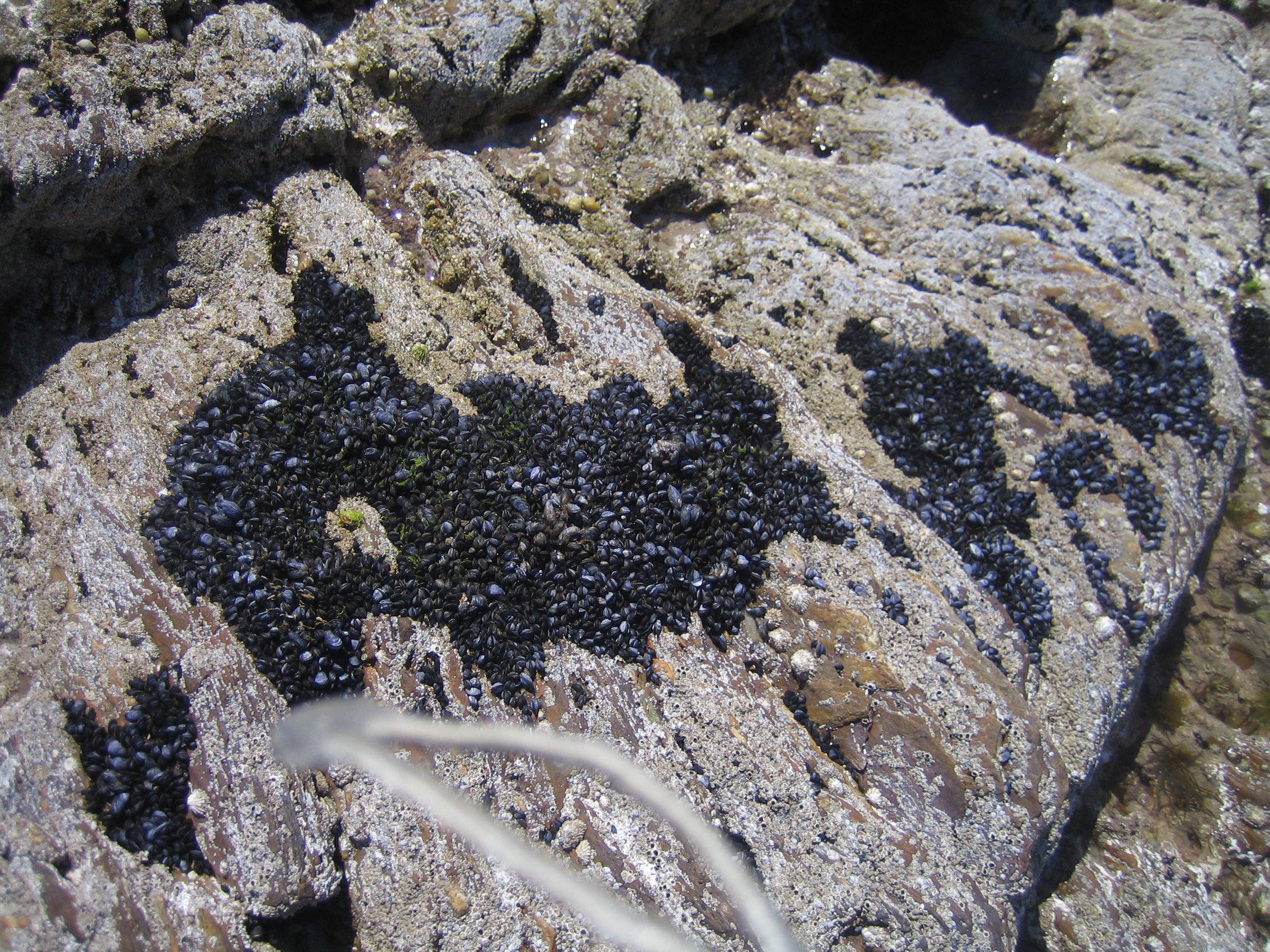
Since the 1980s, a German government program has been quietly freezing bits of nature. Every year, technicians collected tree leaves, marine seaweed, and mussels from fixed sites, then stashed them at temperatures cold enough to lock the tissue in place. The point was to track pollution. If a chemical scare broke out, scientists could thaw an old sample and check whether the contaminant had been building up for years.
A team led by Isabelle Junk at Trier University realized those frozen specimens were hiding something else. A mussel or a leaf does not just carry its own genetic material. It is coated and colonized by the community around it: bacteria, fungi, tiny invertebrates, algae, and stray fragments of DNA from whatever was drifting past. In effect, each archived sample had been passively sponging up an environmental snapshot of its neighborhood at the moment it was collected. Nobody had bothered to read it until now.
Turning old specimens into a species census
The researchers used a method called metabarcoding. Instead of trying to identify organisms by looking at them, you extract all the DNA in a sample, amplify short marker genes that differ between species, and sequence the lot. The result is a rough headcount of who was present, spanning branches of life that no single survey would ever cover at once.
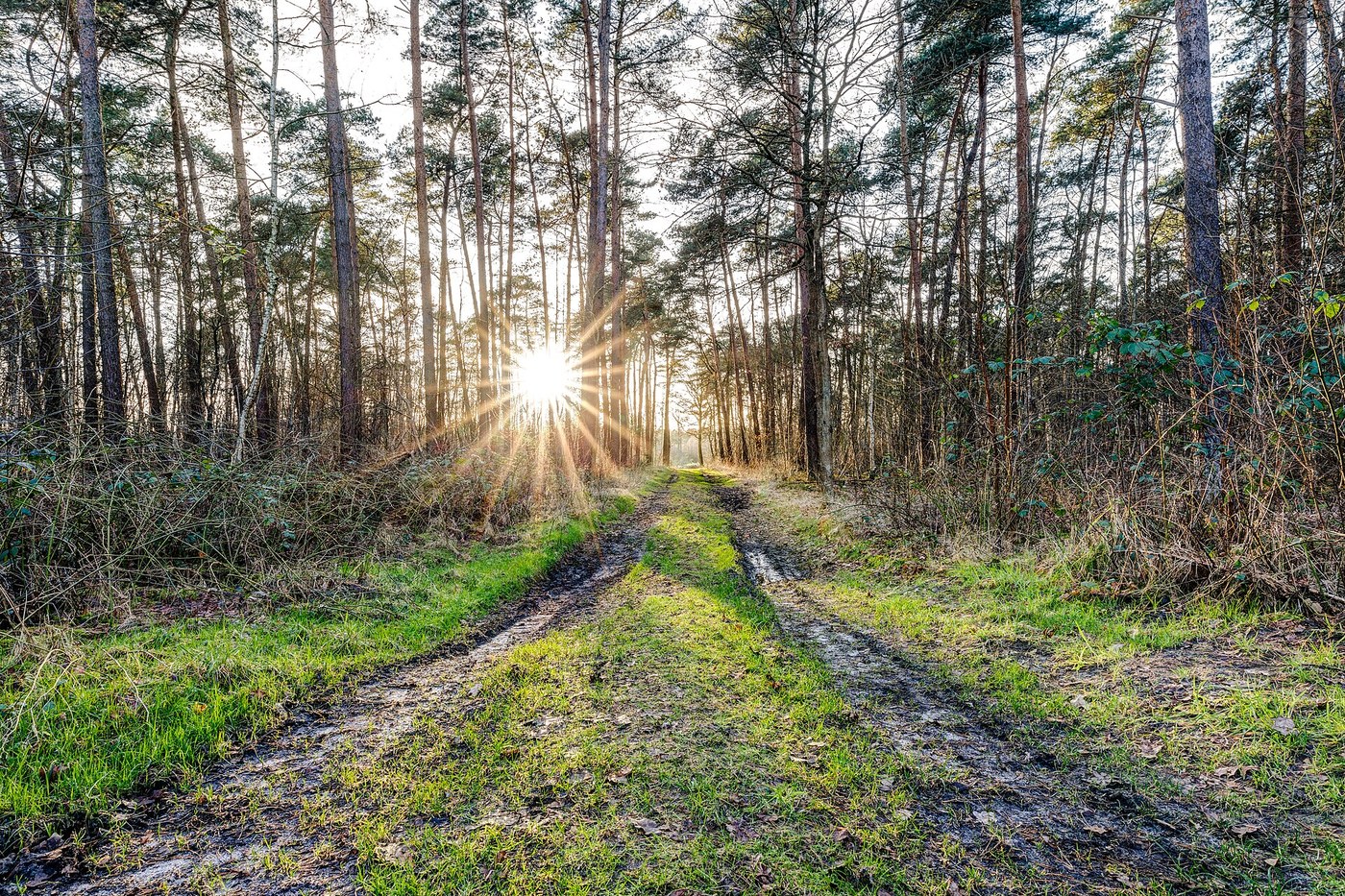
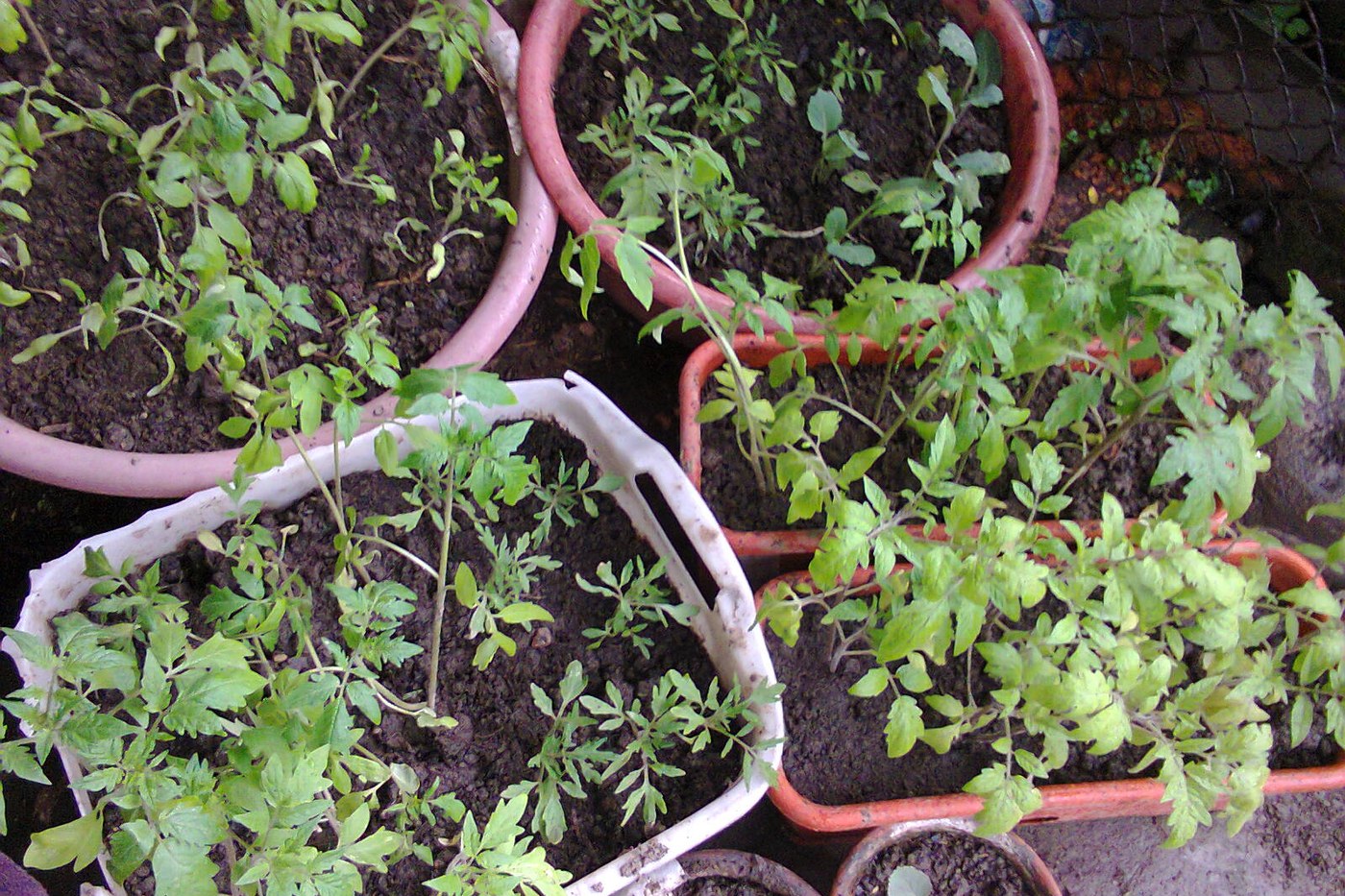
Applied across four decades of archived leaves, macroalgae, and freshwater and marine mussels, the approach pulled out tens of thousands of species. That breadth matters. Long-term biodiversity monitoring usually locks onto one group that someone knows how to count, like birds or butterflies or beetles. Those records are valuable, but they are narrow, and they rarely reach back consistently for 40 years. The frozen archive offered something ecologists almost never get: a standardized, repeatable time series spanning the tree of life, collected the same way at the same places year after year.
Not collapse, but blurring
The headline result cuts against a common assumption. At the local scale, the team found no sign of a universal crash in the number of species. Sites were not steadily emptying out. What was changing was composition. Year by year, the mix of species at each place shifted, and across most terrestrial and marine sites those communities drifted toward looking more alike. Ecologists call this biotic homogenization. Distinct local assemblages slowly converge on a similar cast of characters, often as widespread generalist species spread and specialists fade.
The freshwater sites behaved differently. Instead of blending together, limnic communities became more distinct from one another over time. The likely reason is invasion. Different rivers and lakes picked up different non-native species, so each place diverged along its own path rather than converging. It is a useful reminder that "biodiversity change" is not one story. A count of species can hold flat while the underlying community reorganizes underneath it, and the direction of that reorganization depends on the ecosystem.
What the study can't say yet
A DNA readout is a presence list, not a population census. Metabarcoding is good at telling you a species was there and shaky at telling you how many individuals there were, so the work speaks to composition and turnover more than to abundance. The markers also vary in how well they capture different groups, which means the "tens of thousands of species" are not all counted with equal confidence.
Then there is geography. This is Germany, a densely settled, heavily managed landscape with its own particular history of pollution and land use. Whether the same pattern of local stability plus creeping homogenization holds in a tropical forest or an Arctic coast is an open question. The archive also samples specific tissues at specific places, so it reflects the communities riding on leaves and mussels, not every organism in the ecosystem. And a correlation between changing communities and the passing decades does not by itself pin down the cause. Climate, nutrient runoff, and invasions are all plausible drivers that this dataset can flag but not cleanly separate.
Why a freezer beats a fresh survey
The larger payoff is about method. Ecologists have spent years worrying that we lack the baseline data to say what biodiversity was actually doing before the alarm bells started ringing. You cannot go back in time to run a survey you never designed. But specimen banks like this one exist in many countries, built for pollution tracking, food safety, or fisheries management, and they have been sitting there accumulating genetic information the whole time.
If those archives can be read the way Junk's team read Germany's, the world has a latent library of biodiversity history hiding in freezers and museum shelves. The measurements have already been taken. Someone just has to sequence them.
Junk et al. "Archived natural DNA samplers reveal four decades of biodiversity change across the tree of life." Nature Ecology & Evolution, 2025. doi.org/10.1038/s41559-025-02812-6
PubMed PMID: 40751016.
Photograph: Jock from Linlithgow, Scotland, UK, CC BY 2.0, via Wikimedia Commons.
Comments