


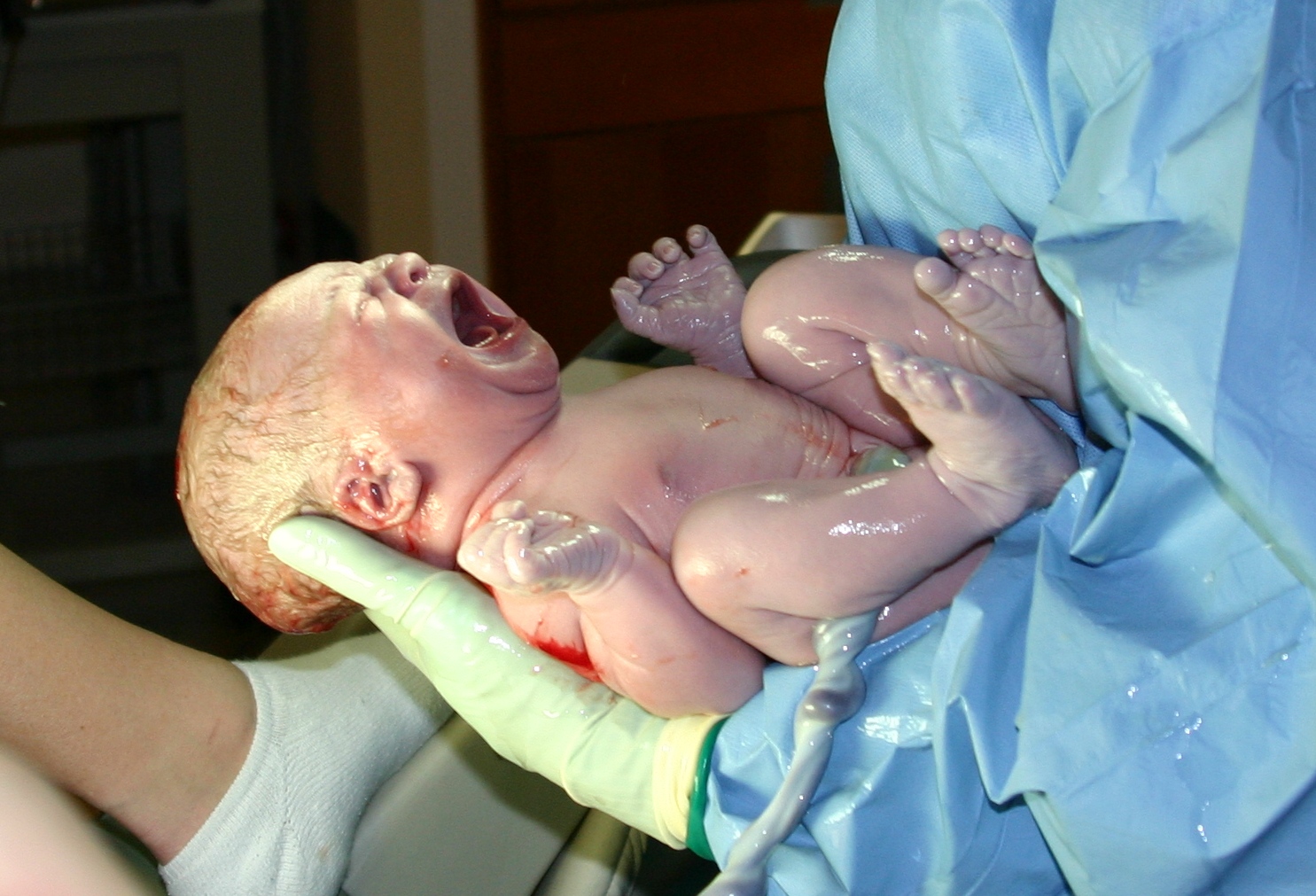
Almost every baby born in a wealthy country gets a heel prick in the first days of life. A few drops of blood soak into a card, and a lab checks for a short list of conditions where catching the problem early changes the outcome. In most places that list runs to a few dozen disorders. A team in Victoria, Australia asked a blunter question. What happens if you skip the biochemistry and just read the genome?
Their answer arrived this week in Nature Medicine. The BabyScreen+ study took dried blood spot cards from 1,000 newborns and ran whole-genome sequencing on them, looking for variants in 605 genes tied to early-onset, severe, treatable conditions. Sixteen of those babies, or 1.6 percent, came back with what the researchers call a high-chance result. Standard newborn screening had picked up only one of them.
Fifteen findings the heel prick missed
That gap is the headline. The existing program and the genomic screen were run in parallel on the same infants, so this is close to a direct comparison. Fifteen of the sixteen flagged babies would have walked out of the hospital with a clean bill of health under current practice, carrying a genetic risk nobody knew about.
The conditions varied. For some infants the result meant starting preventative measures or putting a surveillance plan in place. For others it meant active management, and in at least one case that extended to transplantation. The point of screening this particular gene list was that every condition on it has something a clinician can actually do. A diagnosis is only useful if it comes with an intervention.
Speed mattered too. The average time from sample to genomic result was 13 days. That is fast enough to act before symptoms show up for many of these disorders, which is the whole reason newborn screening exists.
The finding kept spreading through families
Genetic results do not stay with one person. Once a baby is flagged, the same variant can be traced through parents, siblings, and other relatives. Through this cascade testing, 20 relatives of the screened newborns received a diagnosis of their own. So a program aimed at infants ended up identifying at-risk adults and older children who had never been tested.
The researchers also worried about a softer question. Would handing parents a pile of genomic risk information leave them anxious and second-guessing the decision to take part? They measured decisional regret and found it was low. The median score was 0, on a scale where 0 means no regret at all, with an interquartile range of 0 to 10. More than 99 percent of participating parents said genomic newborn screening should be available to everyone.
Feasible is not the same as ready
The authors are careful about what they have shown. BabyScreen+ demonstrates that clinically accredited genomic screening can be done on the existing dried blood spot infrastructure, with a workflow that parents accept. That is a real result. It is also a study of 1,000 infants in one Australian state, not a national program.
Two problems stand between this and routine practice, and the researchers name both. Scalability is one. Running whole-genome sequencing and returning interpreted results within two weeks for a handful of hospitals is different from doing it for every baby born in a country. Equity is the other. A screen that works well for families who show up, consent, and follow through on cascade testing may not reach everyone equally, and a program that widens gaps in who gets diagnosed early would undercut its own purpose.
There is also the matter of what counts as a treatable condition, and who decides. The 605-gene list is a set of choices. Expand it and you catch more, but you also risk flagging variants whose meaning is murkier and whose management is less clear. The BabyScreen+ team stuck to genes with strong evidence and available interventions, which is why their findings translated into concrete clinical action rather than a shrug.
For now the study is best read as a proof that the plumbing works. The blood spot cards already exist. The sequencing is fast enough. Parents want it. The harder work of doing this fairly, at national scale, is still ahead.
Lunke, S. et al. "Feasibility, acceptability and clinical outcomes of the BabyScreen+ genomic newborn screening study." Nature Medicine, 2025. doi.org/10.1038/s41591-025-03986-z
PubMed PMID: 41068466.
Photograph: Ernest F, CC BY-SA 3.0, via Wikimedia Commons.
Comments