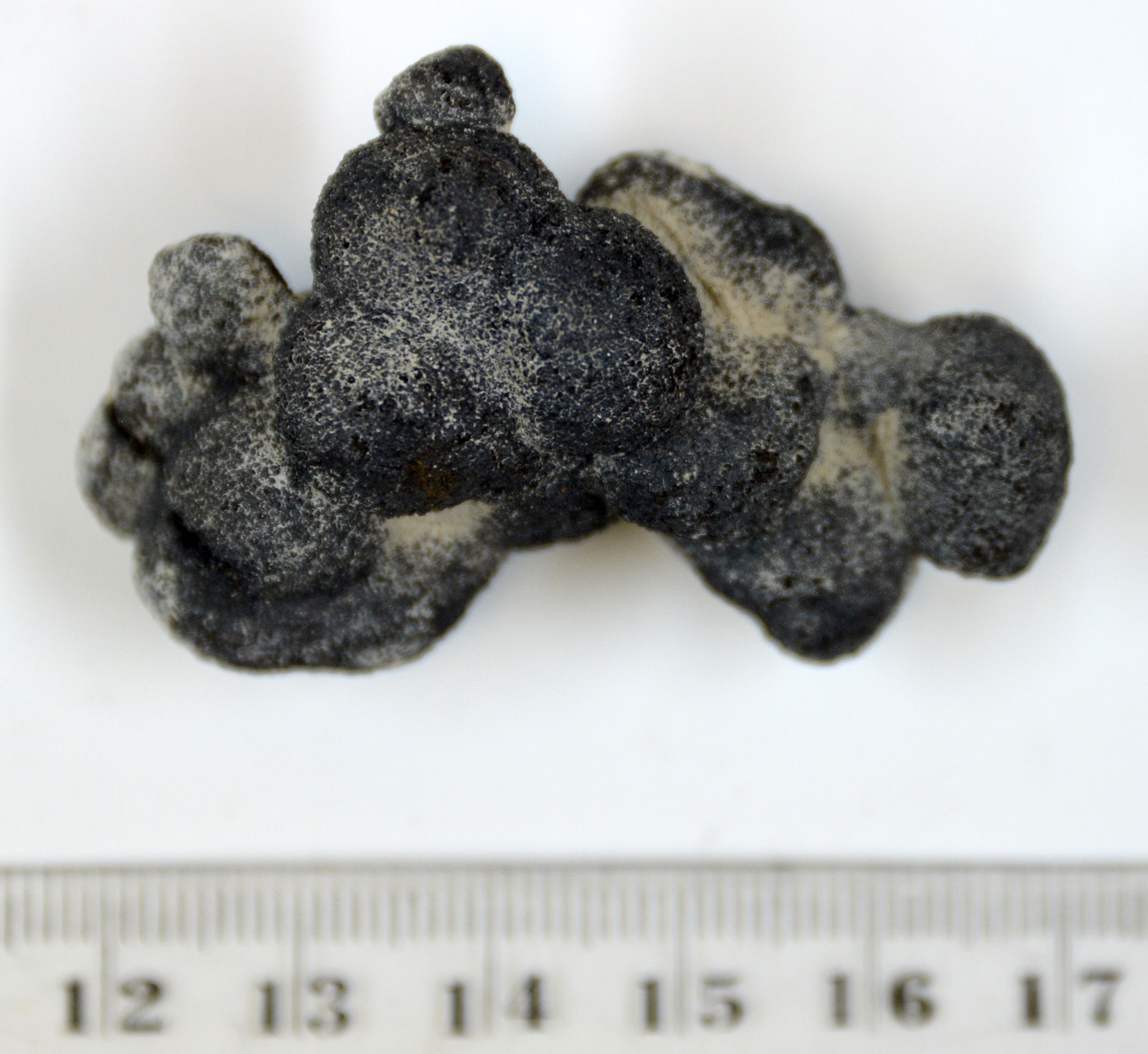
In 2022 a mining machine crawled across the abyssal plain of the eastern Pacific, 4,280 meters down, and hauled up more than 3,000 tonnes of potato-sized metal rocks. These polymetallic nodules are rich in cobalt, nickel and manganese, the metals the battery industry wants. The test was meant to prove the machine works. It also left tracks in one of the least-disturbed habitats on Earth, and a team from the Natural History Museum in London and partner institutions was there before and after to measure what changed.
Their answer, published in Nature Ecology & Evolution, is specific. Inside the mining tracks, the density of sediment-dwelling animals fell by 37 percent. Species richness dropped by 32 percent. The communities that remained were more scattered and less even than before. This is the kind of number that has been missing from the deep-sea mining debate, which has run mostly on projection and analogy.
Why two years of watching mattered
The hard part of studying the deep sea is not the damage. It is telling the damage apart from the ocean's own variability. The abyssal plain looks static, but the animals living in its mud shift in abundance from month to month and place to place for reasons that have nothing to do with a machine. If you only sample after an event, you cannot know how much of any difference was already there.
So the researchers sampled the same region for two years before the trial and again two months after. That long baseline let them show something uncomfortable for survey design: natural background variation over the two-year period was itself significant. Against that noisy backdrop, the drop inside the tracks still stood out clearly. The before-and-after structure is what turns a snapshot into evidence.
The team worked at species level, identifying the small macrofauna in the sediment rather than lumping animals into coarse groups. That resolution is laborious. It is also what let them see that some diversity measures moved while others did not, which matters for how you read the result.
The plume did something quieter
Mining does not only scrape the seabed. It kicks up sediment that drifts and settles over a wider area as a plume. Here the plume told a subtler story. In the area it affected, total animal abundance did not measurably fall. But the balance among species shifted. A few types came to dominate, and that reshuffling pulled down the community's overall biodiversity even without killing off numbers outright.
There is a methodological wrinkle worth stating plainly. When the authors used sample-size-independent measures of diversity, based on accumulation curves rather than raw counts, the reduction inside the tracks was no longer apparent. In other words, part of what looks like lost diversity is tangled up with lost abundance and how you choose to count. The honest reading is that the machine clearly reduced how much life the tracks held, while the effect on diversity depends heavily on the metric.
What one test can and cannot tell us
This is a single trial, two months of recovery data, one machine, one patch of one abyssal region. It says nothing about whether the seabed heals over years or decades, and earlier work at older disturbance sites suggests recovery in the deep is slow. It cannot be scaled up to predict what commercial-scale mining across a whole zone would do. The plume result in particular is a short-term look at a process that could play out over much larger distances and times.
What the study does deliver is a template. It shows how to design abyssal baseline and impact surveys so the results actually mean something, and it puts real, species-level numbers where estimates used to sit. As governments weigh whether to open the deep ocean to mining, having measured what a real machine did, rather than what a model guessed, changes the terms of the argument.
Stewart, E. et al. "Impacts of an industrial deep-sea mining trial on macrofaunal biodiversity." Nature Ecology & Evolution, 2026. doi.org/10.1038/s41559-025-02911-4
PubMed PMID: 41350401.
Photograph: Hannes Grobe, CC BY-SA 4.0, via Wikimedia Commons.
Comments