Every piece of research we've covered — across genetics, neuroscience, ecology, immunology, and more.
Researchers in Nanjing built a CRISPR-based monkeypox test that reads out on a paper strip, needs no lab machine, and matched or beat PCR across 202 patient samples. A companion PCR step also separates the virus's two clades.
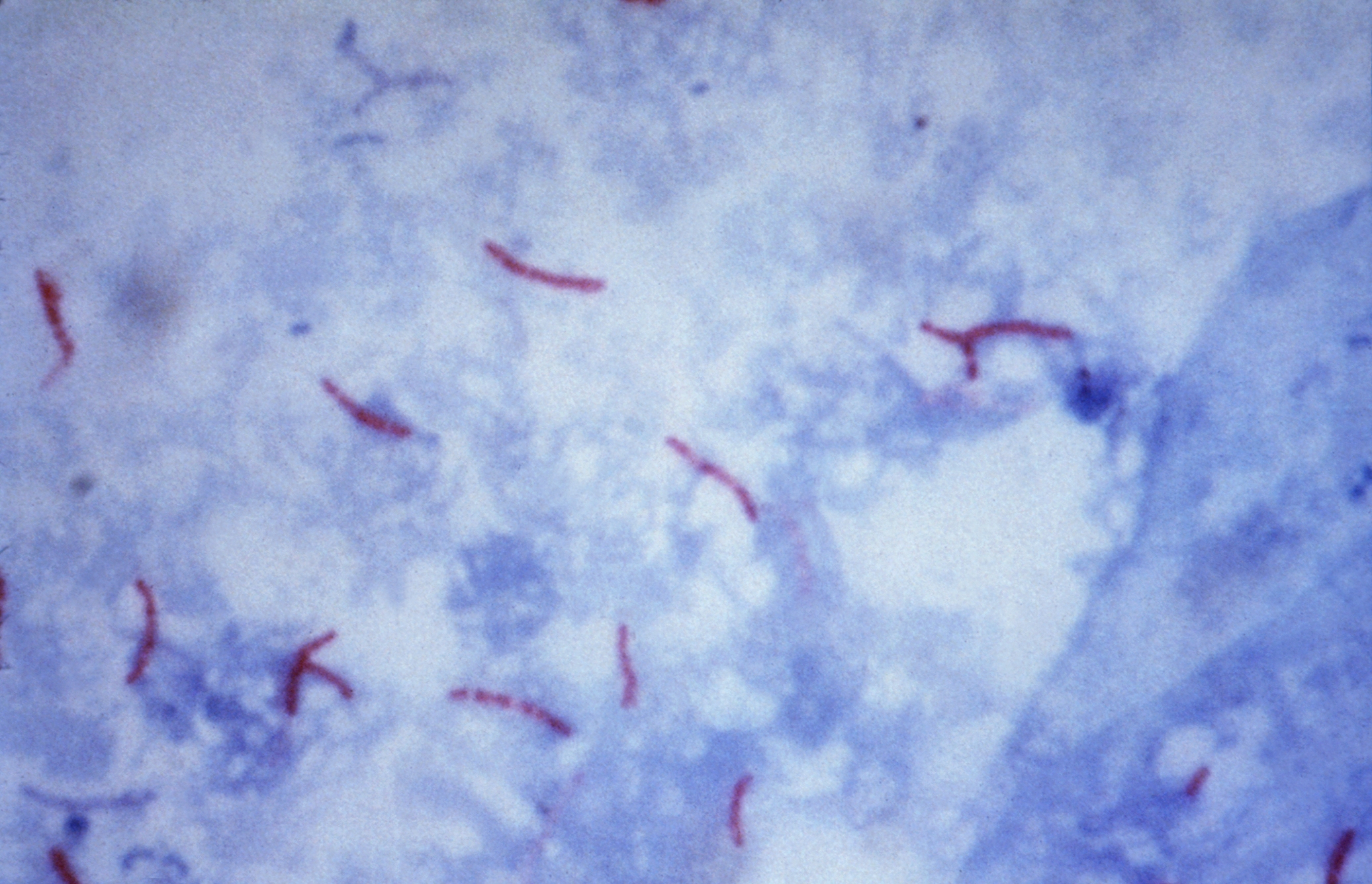
A phase 2 trial in South Africa gave the leading tuberculosis vaccine candidate, M72/AS01E, to young adults living with well-controlled HIV. The shot was safe and provoked a strong immune response, clearing the way for this group to join the ongoing phase 3 trial.
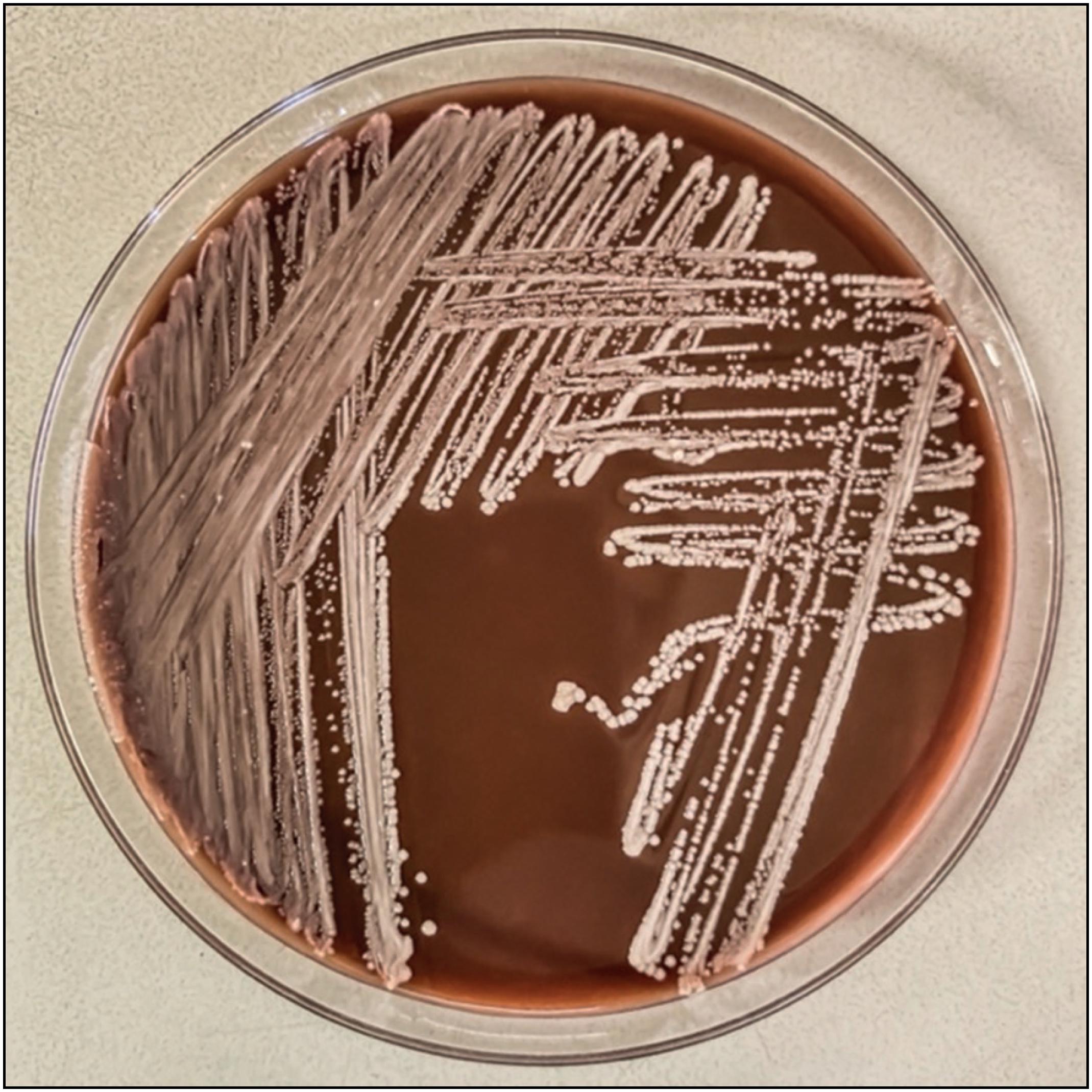
Researchers built a modular genetic control system for Streptomyces bacteria and used it to scale one compound to a 120,000-liter fermentation. The approach reads the bacteria's own crowding signals to switch production on at the right moment.
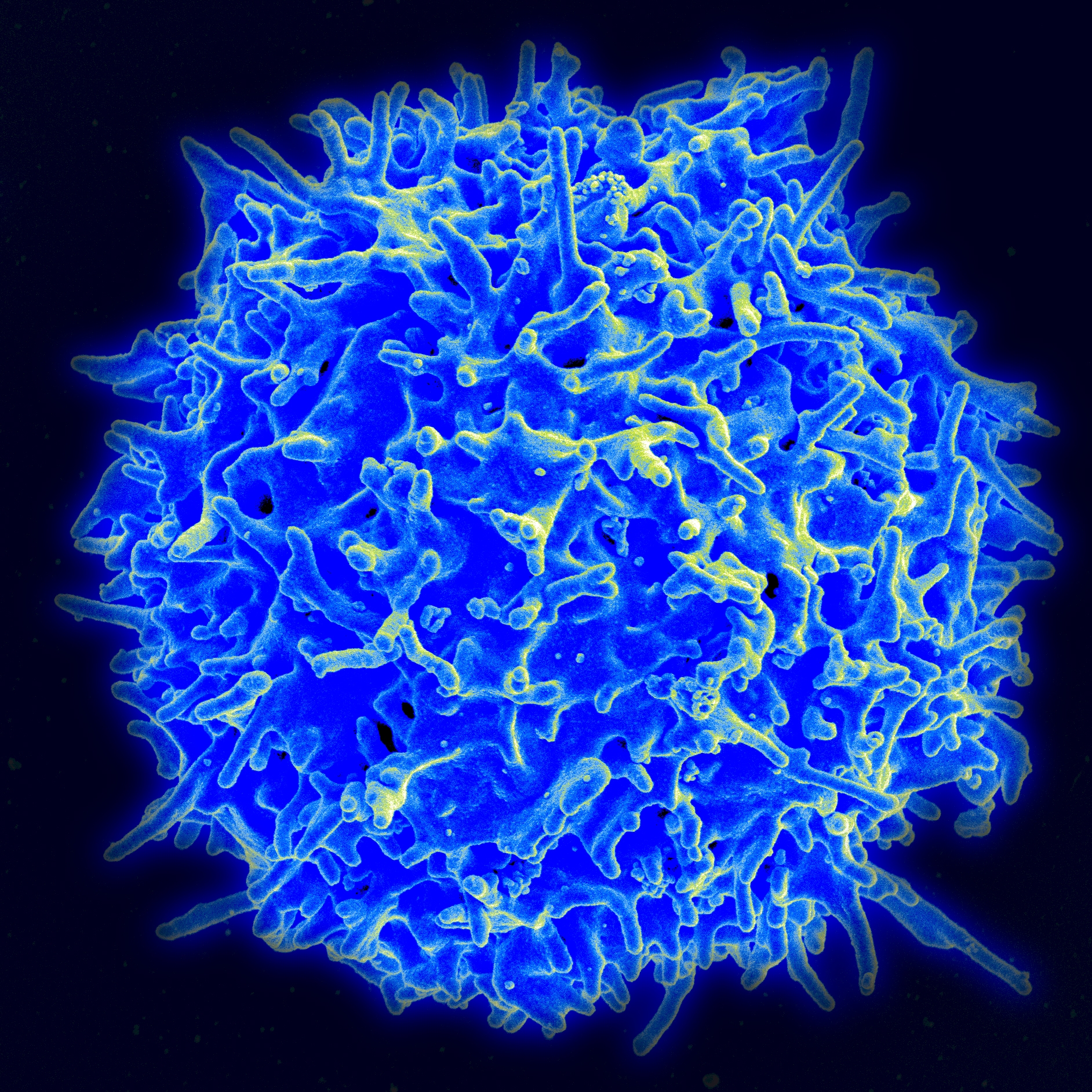
A Beijing team deleted a single enzyme gene to change the sugars on the surface of donor T cells, helping off-the-shelf CAR-T cells survive in patients they were not matched to. Nine people with lymphoma received the cells in a first safety trial.
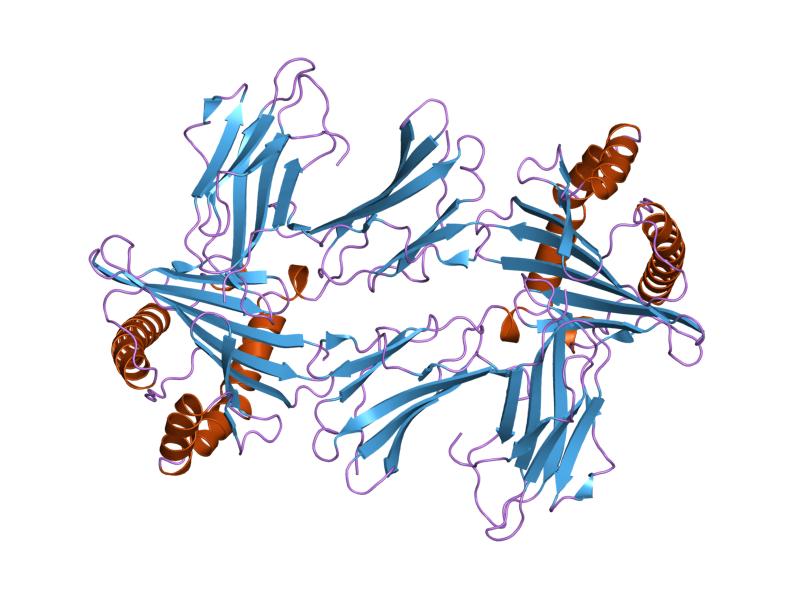
Researchers used the RFdiffusion protein-design tool to build proteins that latch onto specific peptide fragments displayed on the cell surface, then wired eight of them into CAR-T receptors that fire only against the intended target.
A decade of satellite data mapping how forests age and reset shows that when old stands are replaced by young ones, a temporary uptick in the carbon sink masks a real loss of stored carbon that takes centuries to recover.
When maize is planted close together, a scent released by its leaves prompts neighbors to feed the soil around their roots, recruiting bacteria that switch on broad pest and disease resistance. The protection comes at a cost to growth.
Yale researchers sampled the wood of living trees and found dense, specialized microbial communities living deep inside the trunk. The heartwood, long thought to be nearly sterile, turned out to host its own distinct ecosystem.
One paper reports a multi-cancer blood test both ways. The 34-point gap between a case-control cohort and 3,724 asymptomatic participants is the clearest measure of how much screening headlines overstate.
Biologists have long suspected that the inner tissue of a leaf sends chemical instructions to the tiny pores on its surface. A new study identifies the messenger: ordinary sugar, made during photosynthesis, telling the pores to stay open.
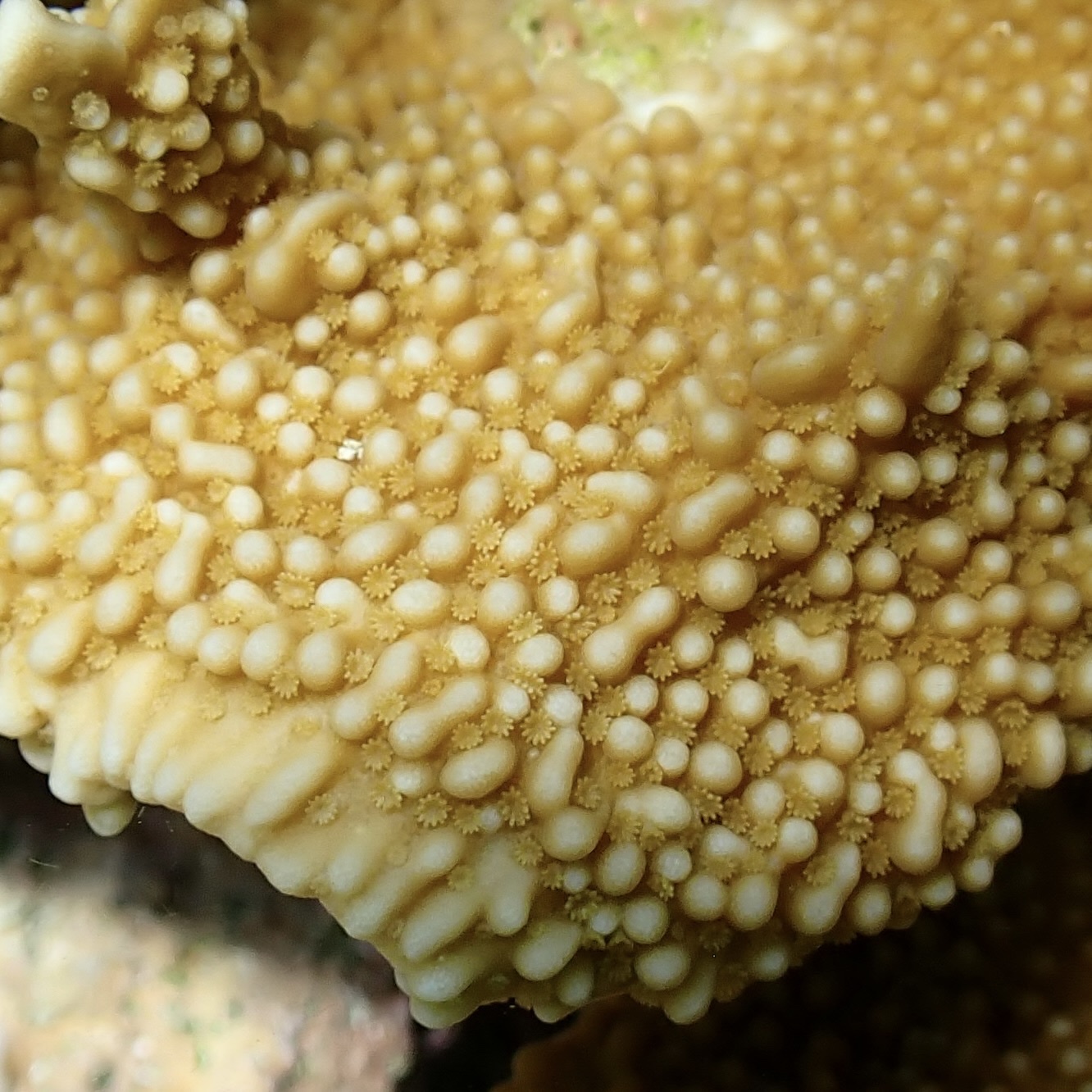
In Hawaiian rice coral, parents that shrugged off a marine heatwave produced eggs, embryos, and juveniles carrying a distinct chemical fingerprint of heat tolerance. The finding hints that reef corals can hand down some resistance to warming seas.
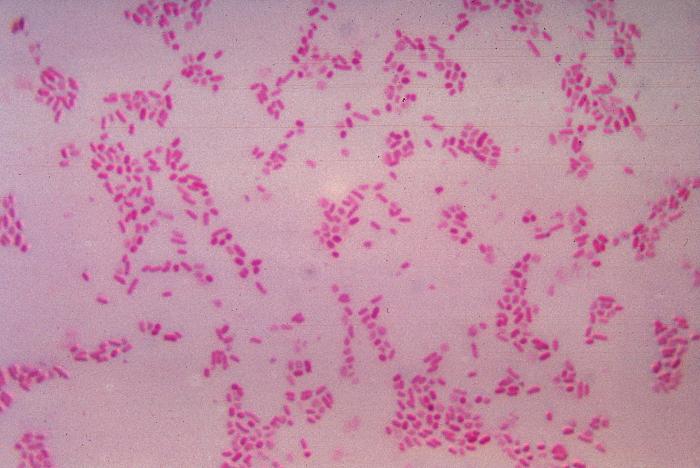
Researchers isolated a single gut bacterium from patients who responded to cancer immunotherapy and showed it works by prompting a class of immune messenger cells to leave the gut and travel to the tumor. In mice, adding it turned non-responders into responders.
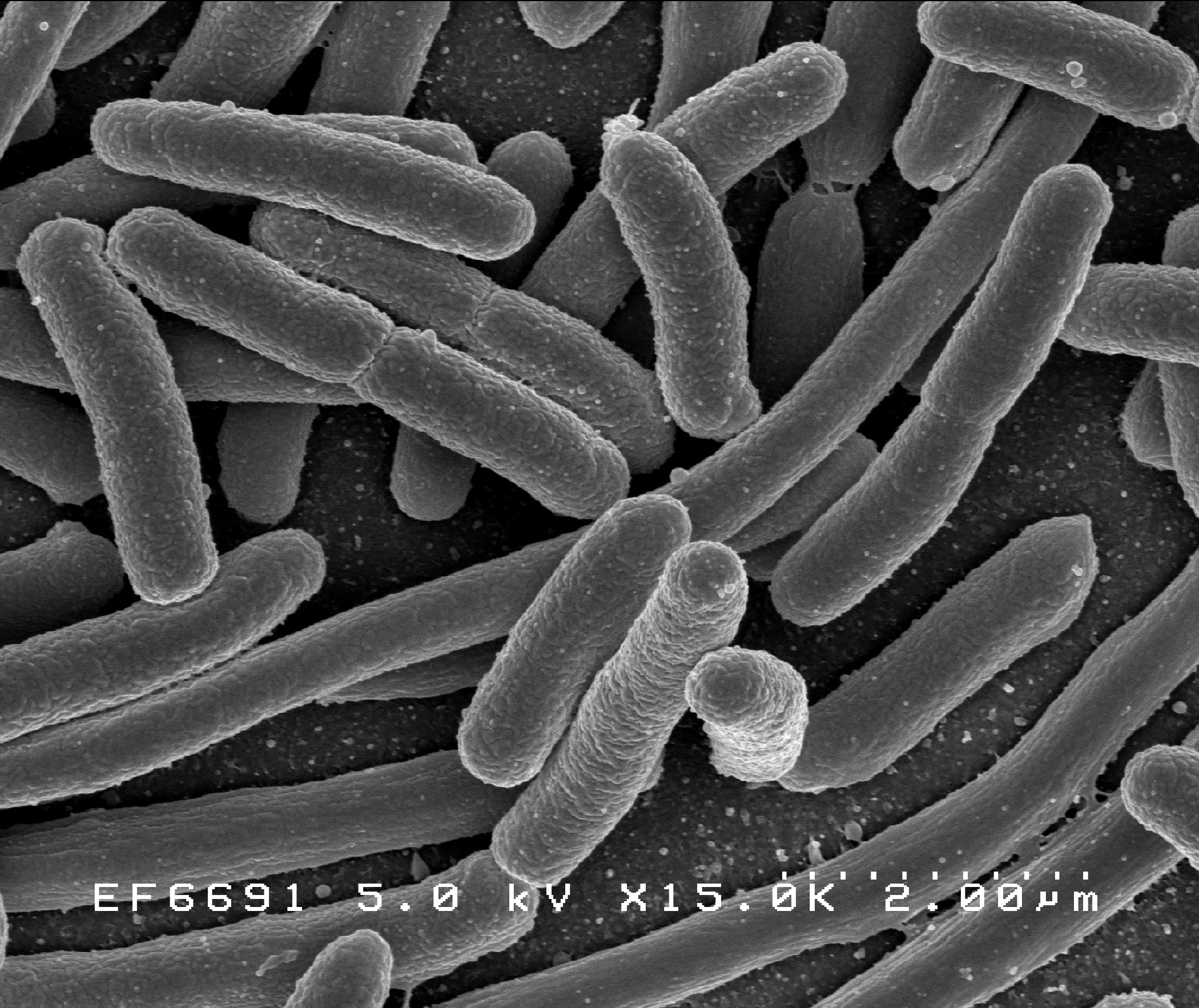
Researchers built a plug-and-play system in E. coli that uses computer-designed guide proteins to mark almost any target for destruction, then wired it into switches and oscillators and used it to boost a chemical yield by nearly a quarter.
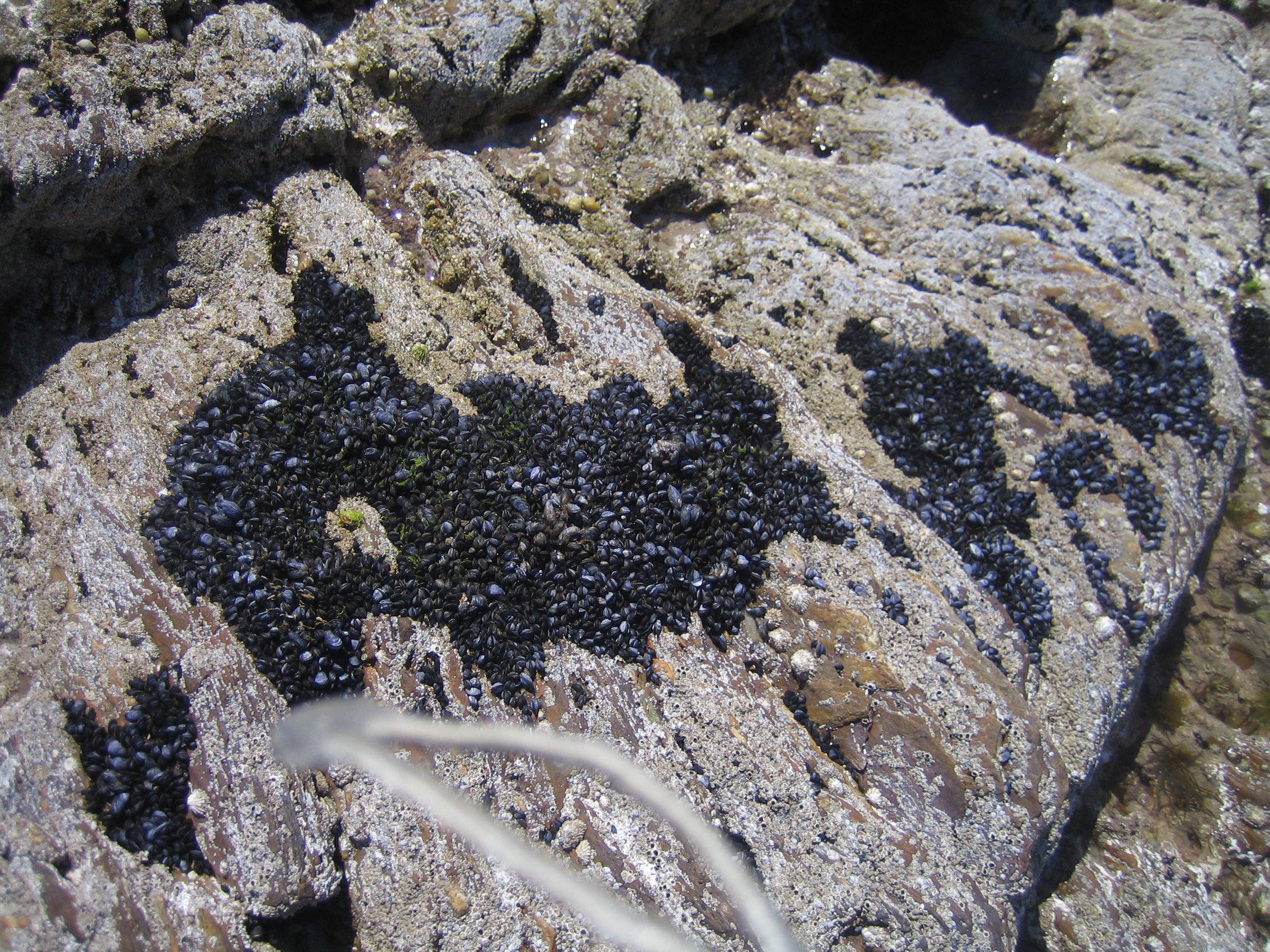
Researchers dug DNA out of leaves, mussels and seaweed frozen for decades in a German monitoring archive. Reading tens of thousands of species across 40 years, they found local diversity mostly holding steady while communities quietly became more alike.
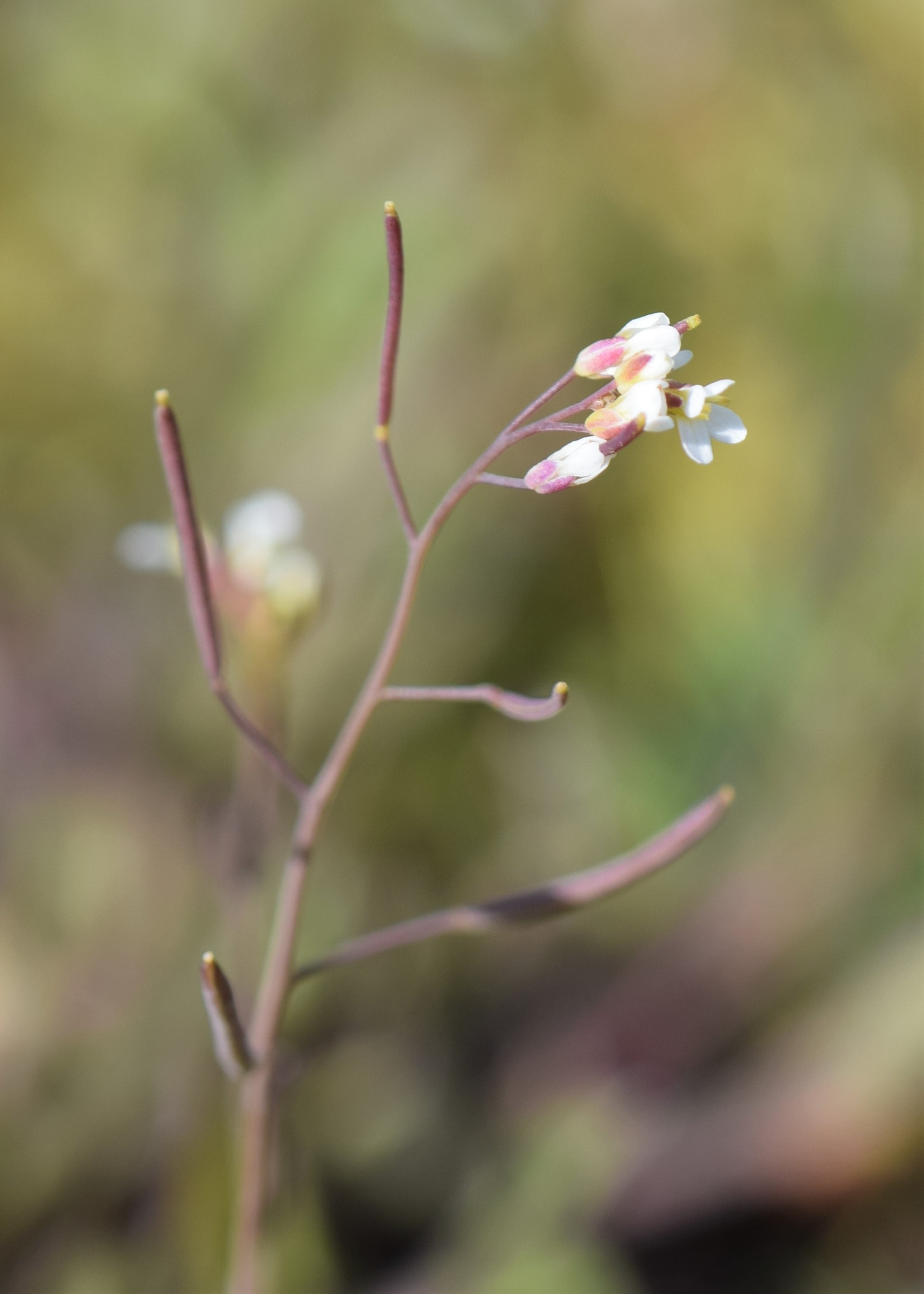
Plants detect bacteria using surface receptors, but many pathogens mutate the tag those receptors read and go unnoticed. A team in Zurich took two natural receptor variants apart to learn what lets some versions still recognize the disguised invaders, then used the rules to build better ones.
A team in Shanghai found that the mouse gut secretes a protein that clings to a specific group of friendly bacteria, nudging them to release cargo that keeps the intestinal immune barrier working. Killing the microbes was never the point.
GutSeer reads 1,656 methylation markers to detect five gastrointestinal cancers. Its headline sensitivity holds only at the specificity of a triage test, and it misses a third of gastric cancers either way.
A phase 2 trial in Mali used an ultrasensitive PCR test to re-examine a lab-made antibody against malaria. The most detailed reading yet shows a single infusion kept most volunteers free of Plasmodium falciparum for six months, and cut the parasite stage that spreads to mosquitoes.
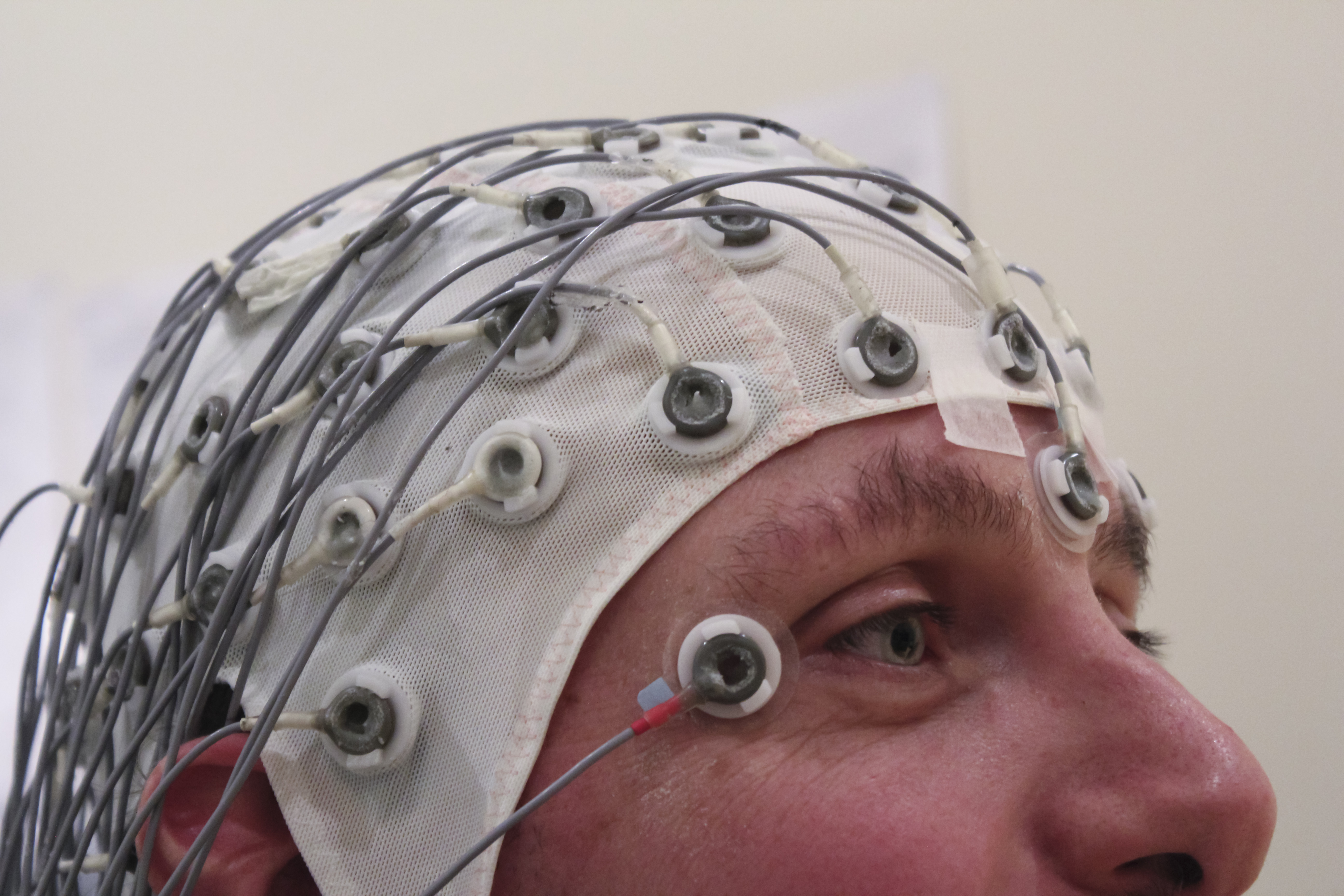
Recordings from four people with paralysis show that words spoken silently in the mind register in the motor cortex clearly enough to be decoded in real time. The same study built a mental password to keep private thoughts private.
Doctors at Children's Hospital of Philadelphia designed, tested, and dosed a one-of-a-kind base-editing therapy for a single newborn with a fatal metabolic disease. The infant tolerated more protein and less medication within weeks of treatment.
Researchers in Beijing built a recombinase-based system that flips, deletes, and fuses stretches of DNA up to megabases long, and does it without leaving the leftover sequences that usually mark the edit. They tested it in rice and human cells.
A treatment strategy borrowing from both cancer immunotherapy and mRNA vaccine technology is being tested against cardiac fibrosis, the scarring that drives heart failure and has no good current treatment.
Multiple 2025 studies show that environmental stresses experienced by a father — diet, toxins, even psychological stress — leave epigenetic marks on sperm that affect their offspring's development.
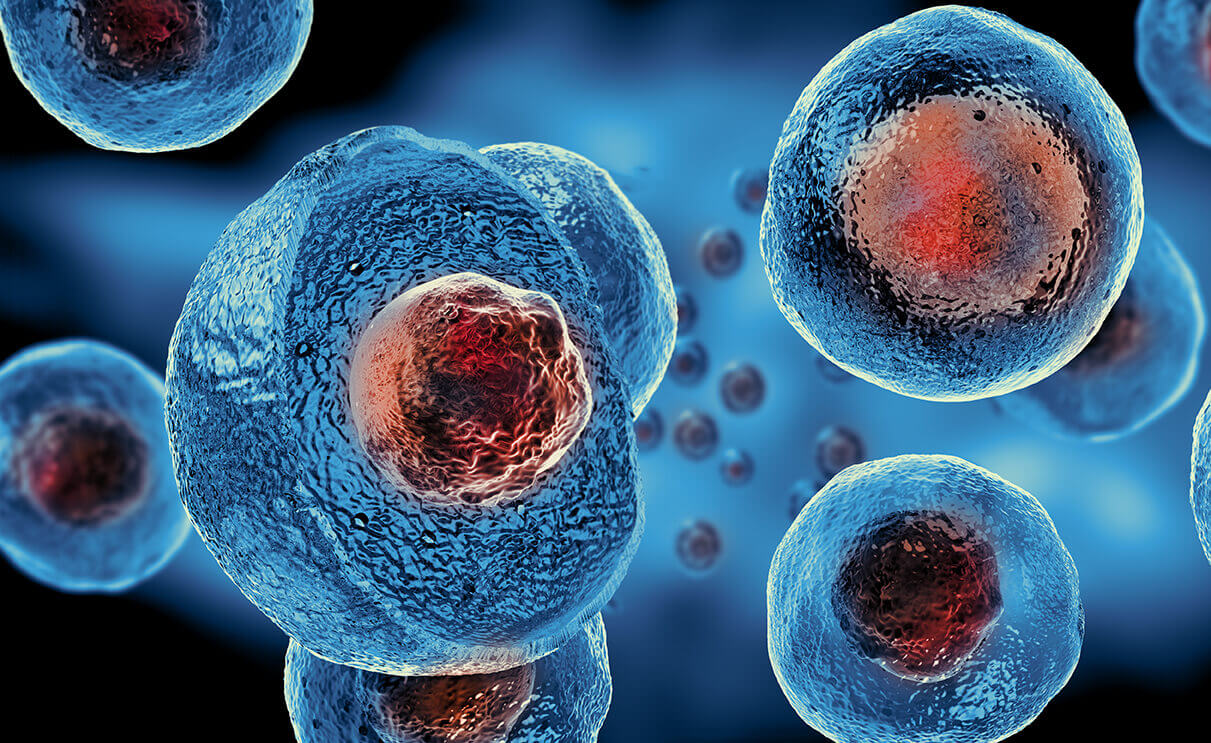
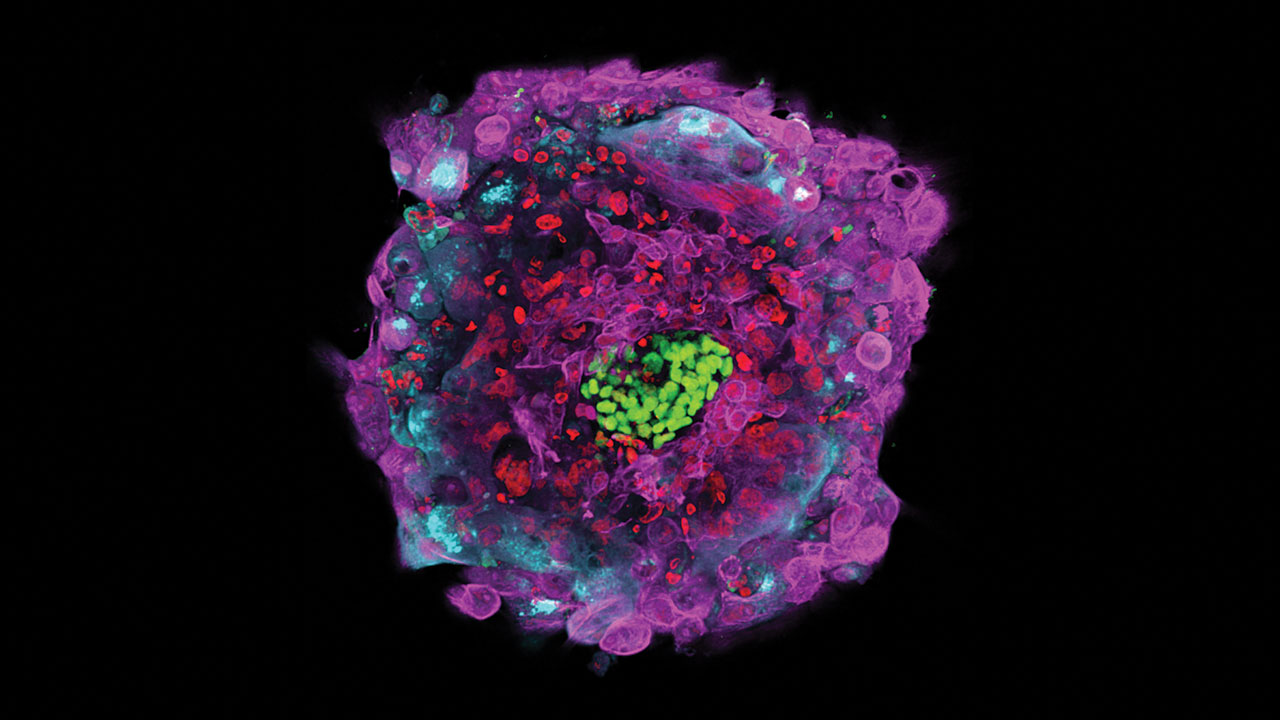
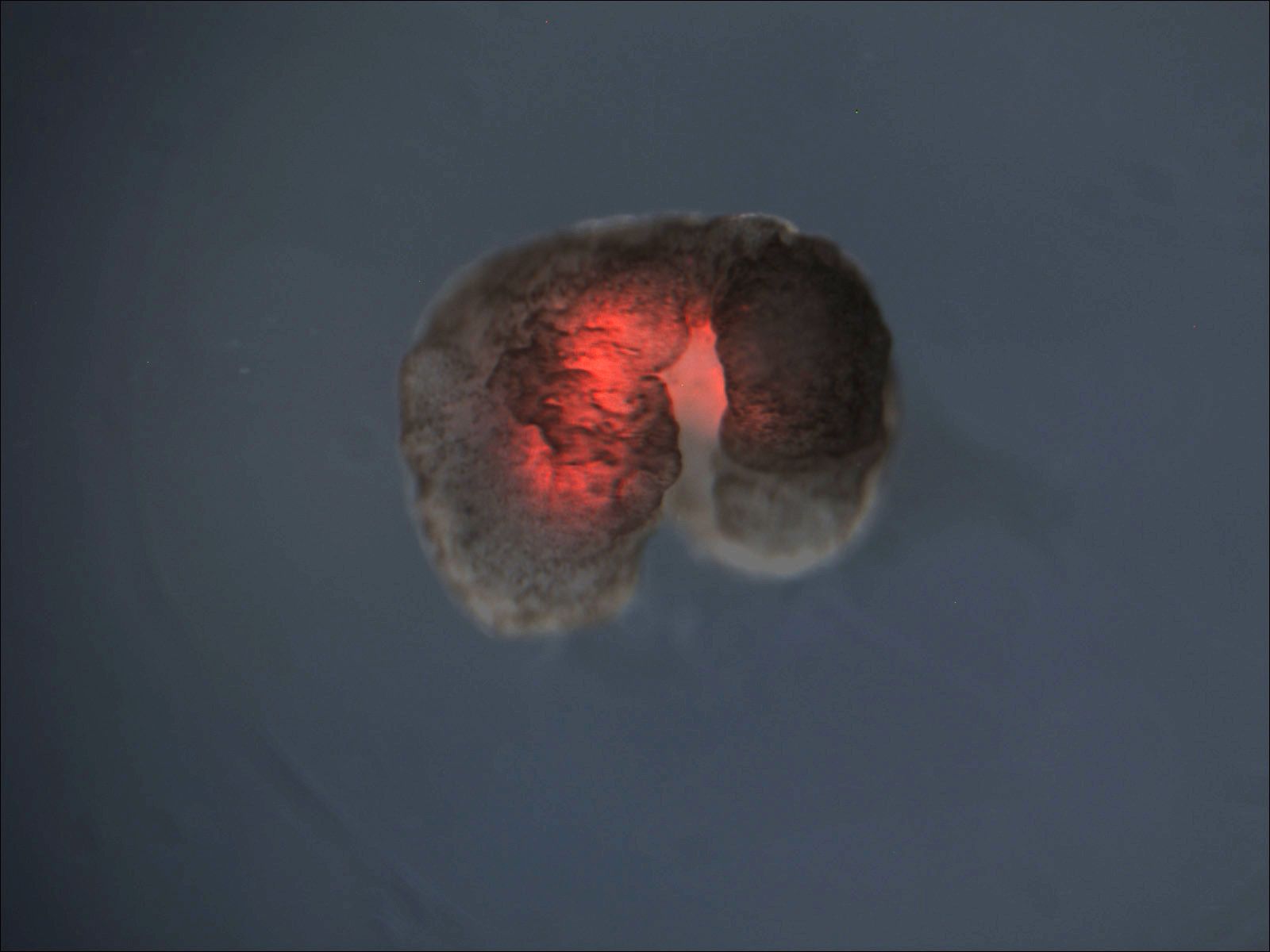
A wave of stem-cell-based embryo models now reproduces early human and mouse development with growing fidelity, offering a way to study the period that has long been least accessible to research.
Cornell researchers found a way to use proteins cells already make as built-in sensors, reporting on what's happening inside without the usual invasive labels or genetic tweaks.
A team in Brussels showed that monocytes recruited into the brain can be coaxed into adopting the identity of microglia — opening a route to repopulating the brain's immune system after injury or disease.
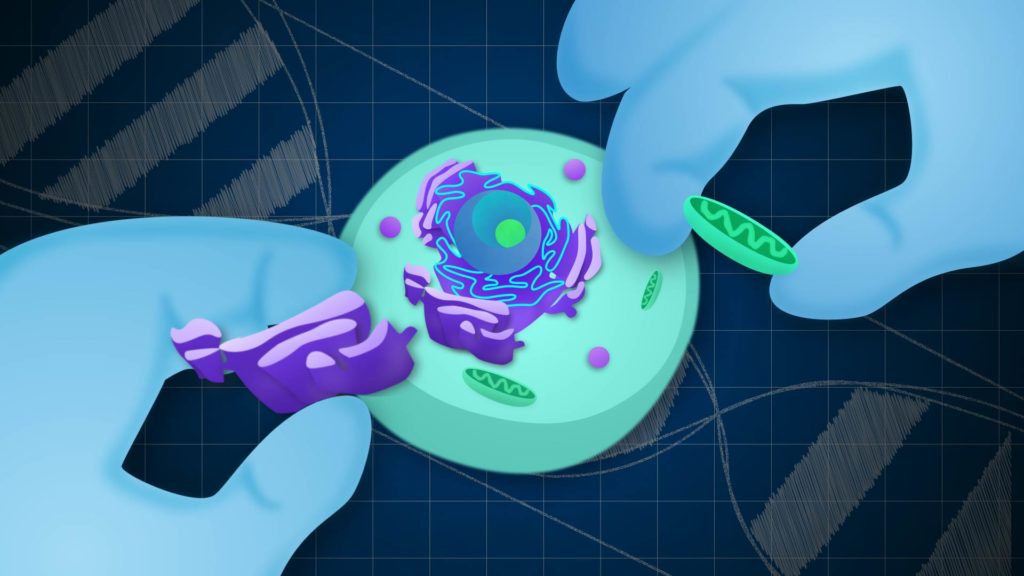
An international team of synthetic biologists published a landmark framework for building a living cell from molecular components, mapping both the scientific obstacles and a realistic path through them.
Google's AI co-scientist was asked to explain how certain bacterial parasites jump between species. Without prior training on the topic, it arrived at the same mechanism researchers had spent years uncovering — in 48 hours.
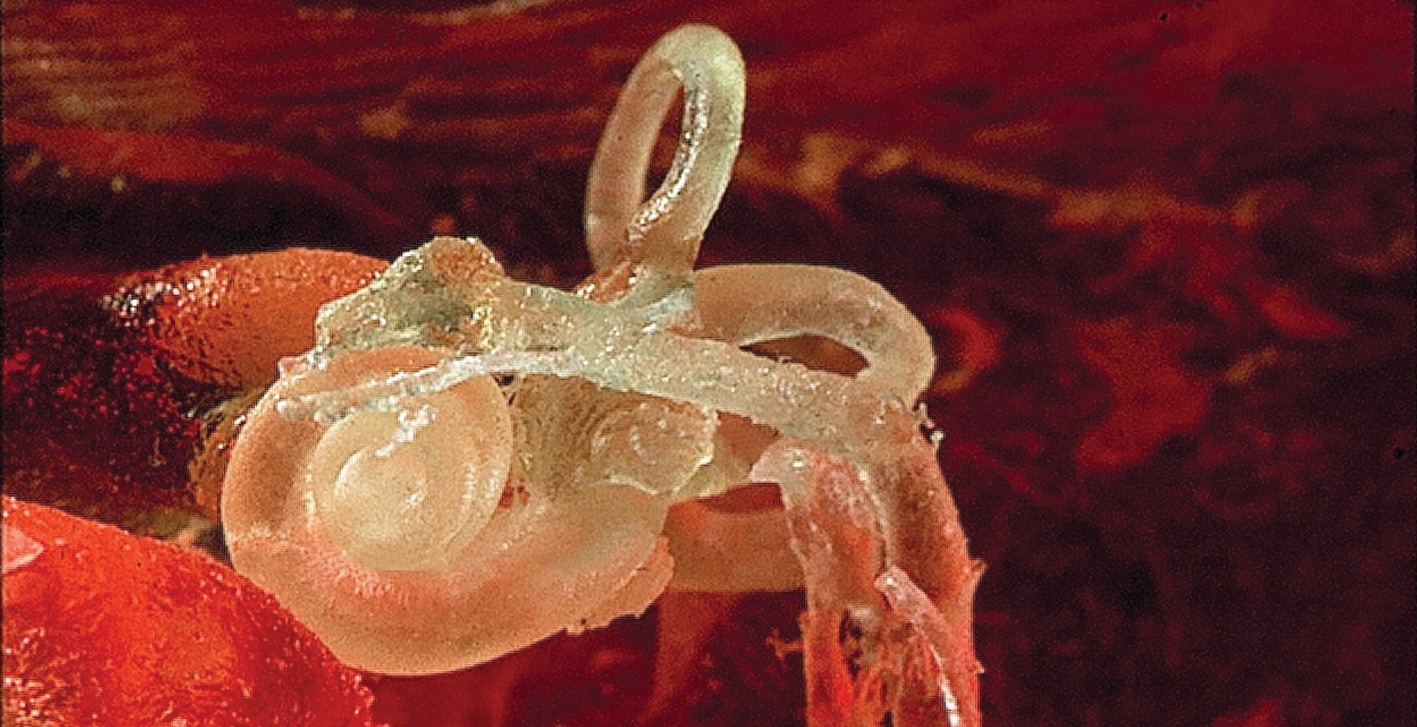
A team at Rockefeller University built a setup that keeps a working sliver of the inner ear alive on a benchtop, letting researchers watch hair cells amplify sound in real time — and opening a new window onto hearing loss.
Researchers engineered a common gut bacterium to break down oxalate — the main compound in kidney stones — directly in the intestine, with the bacteria colonizing stably without disrupting the rest of the microbiome.
Rockefeller scientists found that serine — a simple amino acid — acts as a nutrient sensor in hair-follicle stem cells, signaling them to switch from hair growth to wound repair when tissue is damaged.
Researchers trained an AI on T cell receptor sequences from a standard blood draw and found it could accurately distinguish over a dozen autoimmune diseases — potentially replacing years-long diagnostic delays.
Marine biologists have used CRISPR gene editing to create coral species that can better survive ocean warming and acidification.
A gene therapy called AMT-130 has shown remarkable results in clinical trials, slowing the progression of Huntington's disease by around 75% — the first therapy to meaningfully target the disease's root cause.
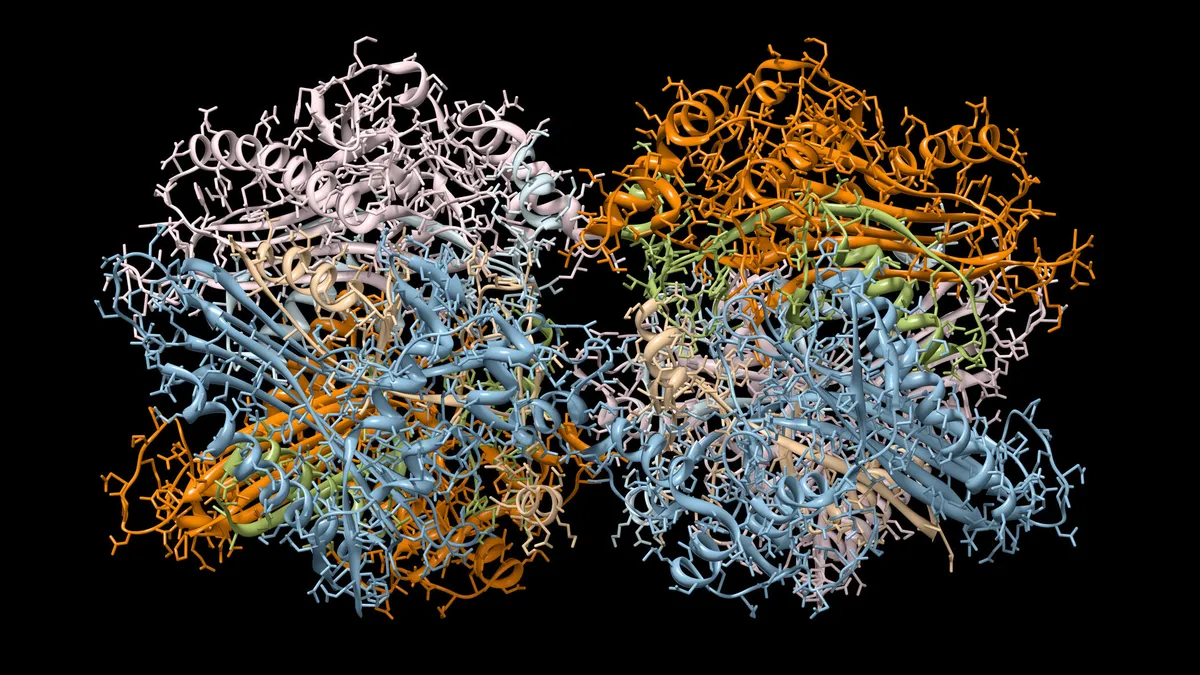
Researchers have developed an advanced AI model capable of predicting protein structures that have resisted conventional computational and experimental techniques.
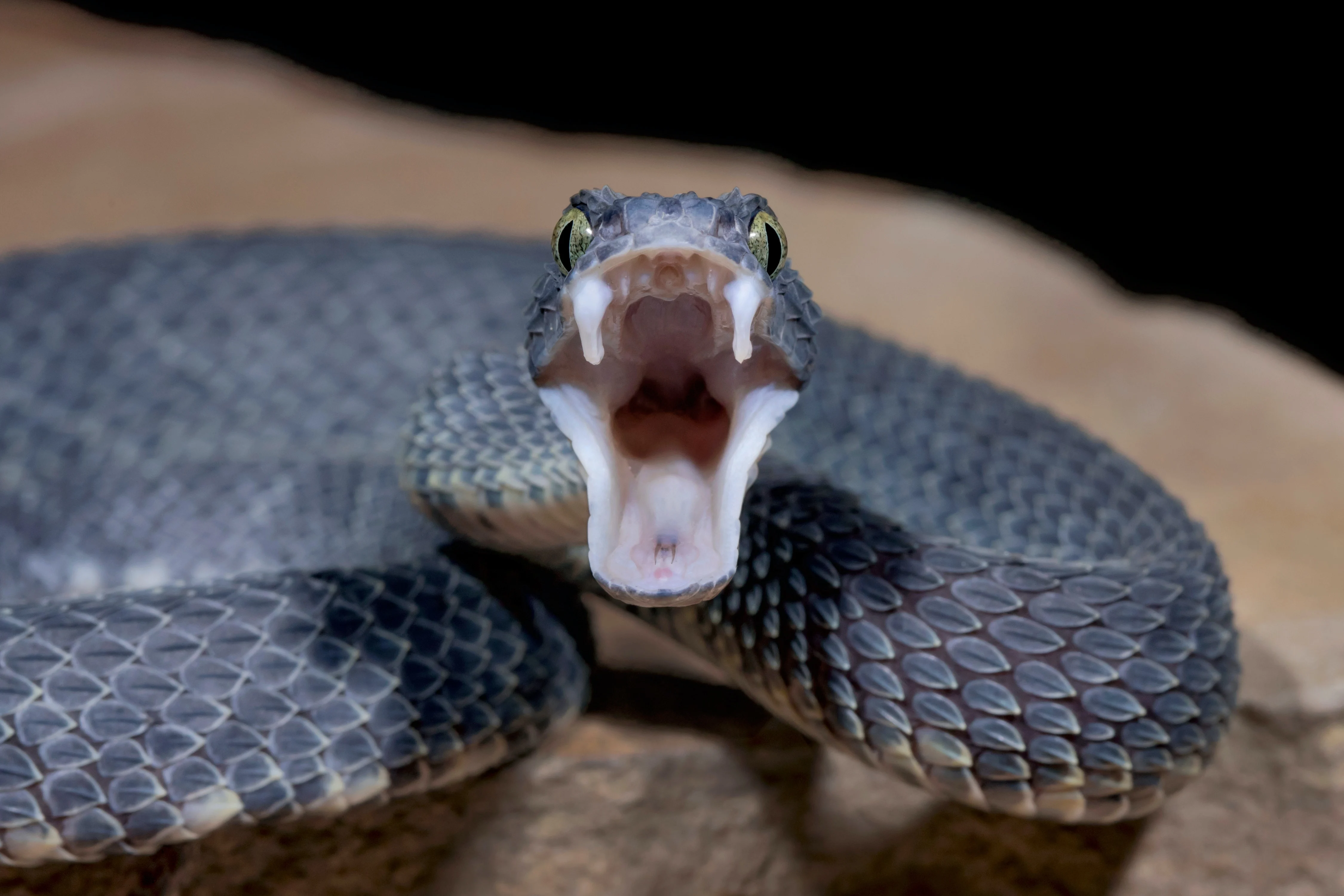
A new broad-spectrum antivenom developed using synthetic antibodies can counter venom from multiple snake species — potentially transforming treatment for snakebite victims worldwide.
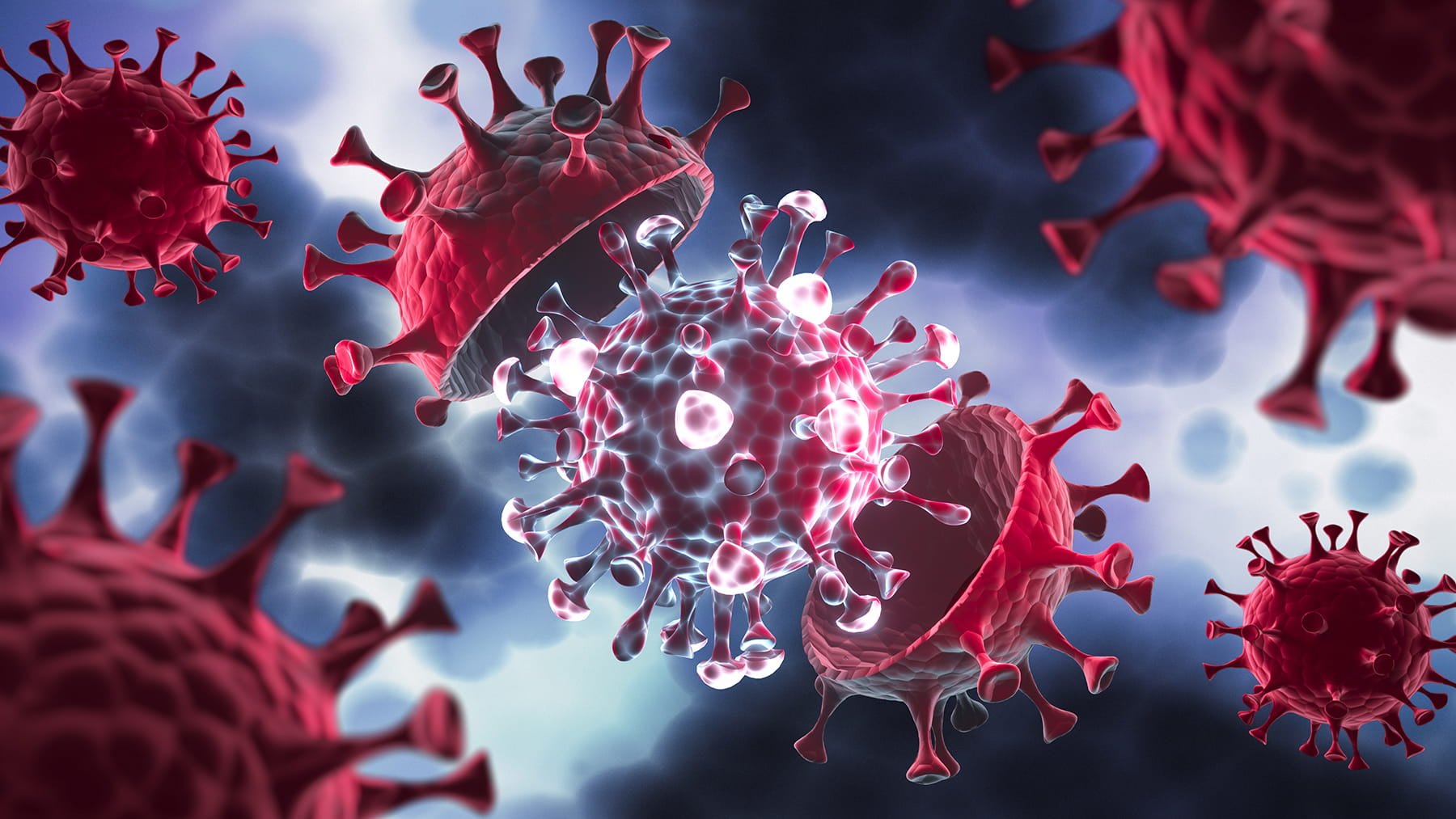
A groundbreaking AI model can predict how viruses will mutate, potentially giving scientists a head start in developing vaccines and treatments before outbreaks spiral.
Researchers have developed a synthetic human embryo model using stem cells — without sperm, eggs, or a womb — offering a powerful new window into early human development and ethics.
A new AI model simulates protein folding in real time, revealing every step of the process—offering critical insight into misfolding diseases like Alzheimer’s.
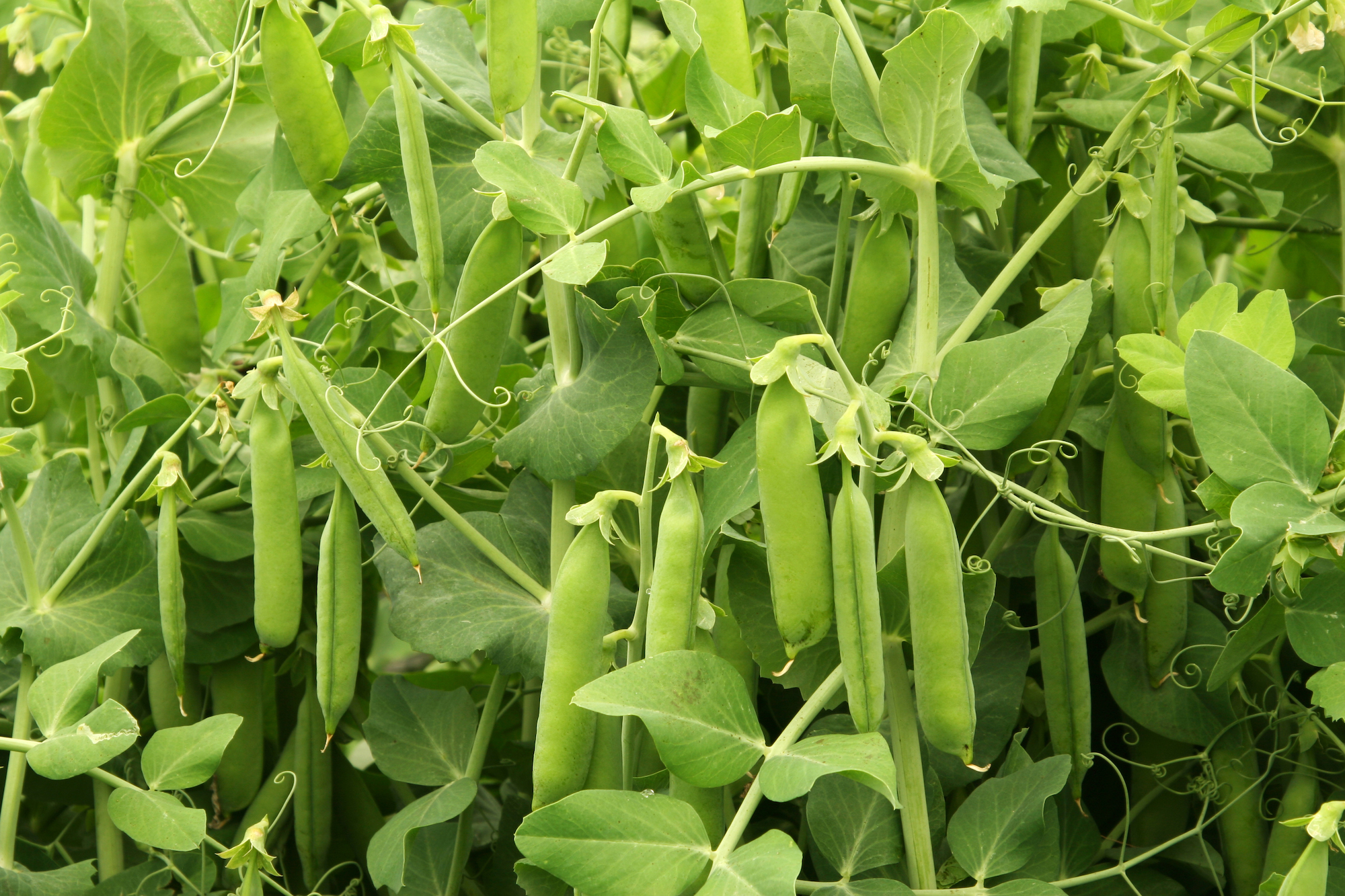
New research suggests pea plants can learn by association, responding to air movement as a cue for light.
Scientists use virus-like particles to deliver CRISPR into gut bacteria—editing genes directly inside living mice.
Gene therapy targeting the OTOF gene restores hearing in mice born deaf—raising hopes for treating human genetic deafness.
Scientists build tiny regenerative "Xenobots" from frog cells that can move, heal, and perform basic tasks.
Scientists discover that certain algae species are helping bleached corals bounce back faster in warming oceans.
A new implantable biosensor can detect infections and inflammatory responses before symptoms develop—paving the way for predictive medicine.
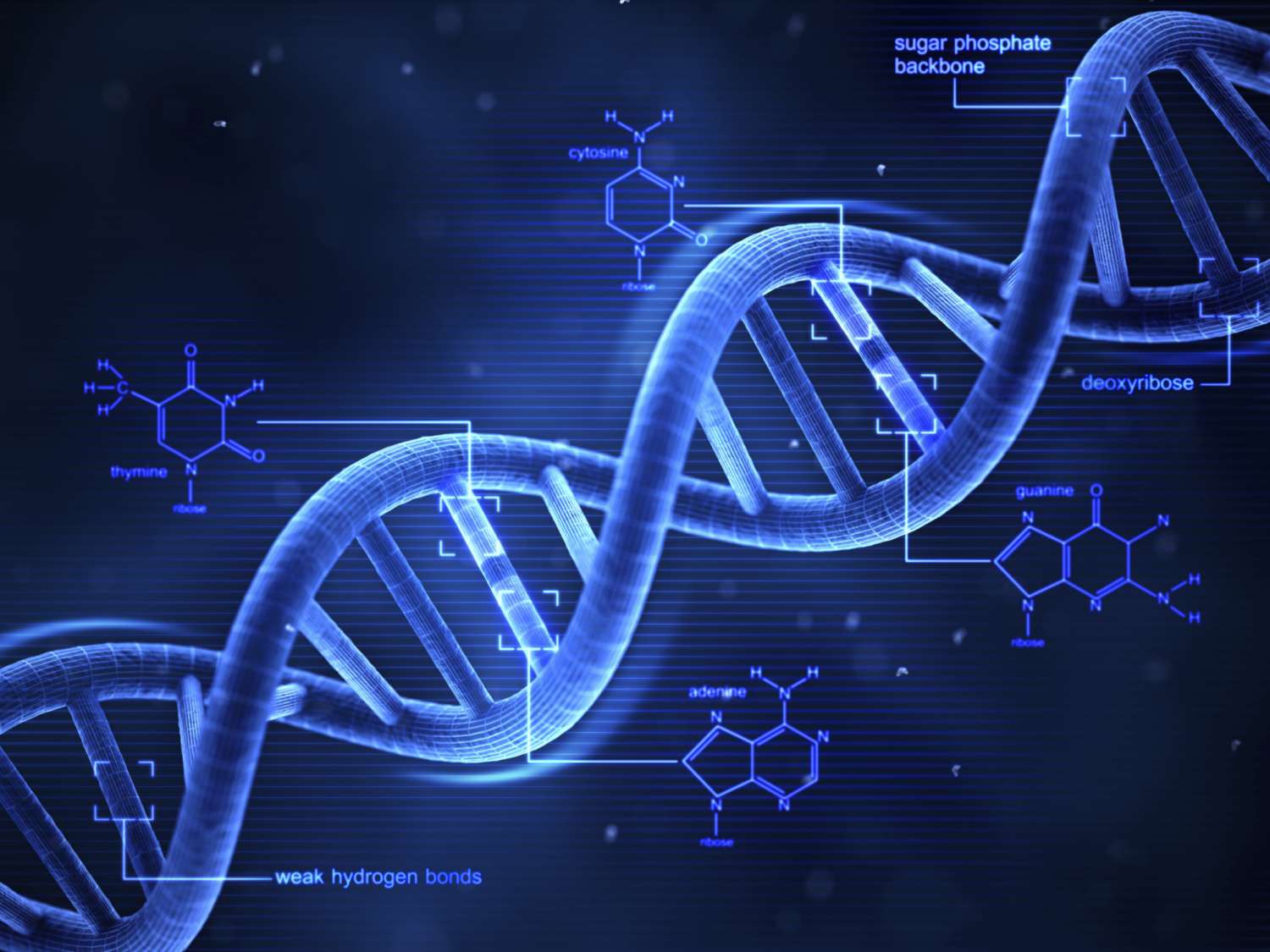
New research reveals that so-called “junk DNA” helps control gene expression, reshaping our understanding of the genome.
Researchers use AI-driven stimulation to help early-stage dementia patients recover lost memories.
Scientists have used CRISPR to stimulate regeneration of heart cells in mice, offering hope for reversing damage from heart attacks.
A breakthrough in neurotechnology enables AI models to convert brain signals into speech, opening doors for nonverbal communication.
Scientists have used CRISPR to reverse a previously untreatable genetic disorder in a live patient — marking a major step forward in human gene therapy.
A new non-invasive blood test can detect early Alzheimer’s years before symptoms appear, potentially transforming screening and treatment.
Researchers unveil an mRNA-based universal flu vaccine showing 88% effectiveness across multiple flu strains.
Synthetic enzymes engineered by AI catalyze chemical reactions up to 4x faster than their natural counterparts.
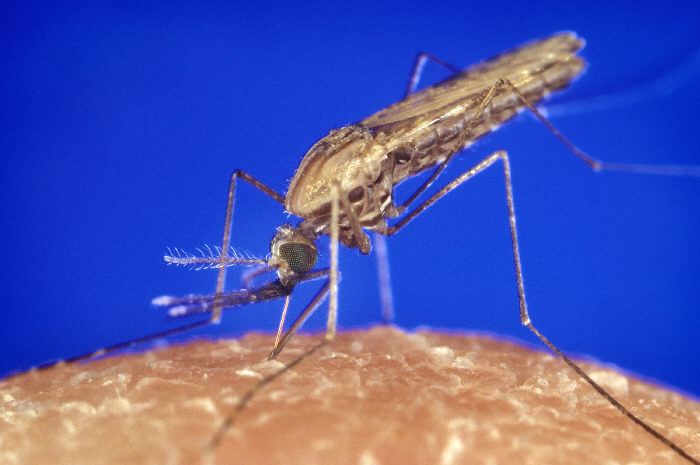
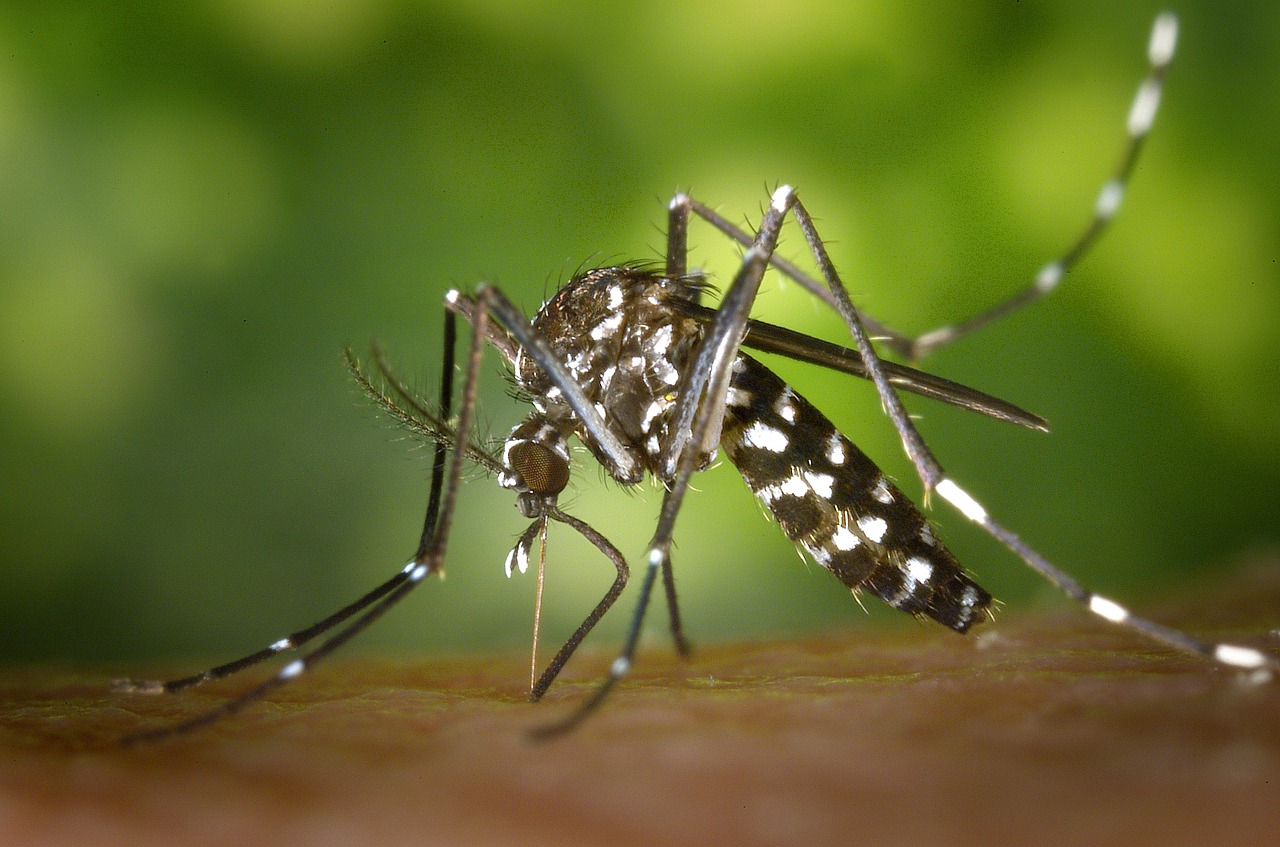
CRISPR-edited mosquitoes unable to carry malaria parasites show promise in reducing transmission.
Weekly research updates, breakthrough summaries, and new articles — straight to your inbox. Free, always.