
Dietary fat does not simply dissolve into the body. Triglycerides are not water soluble, so before anything can cross the intestinal wall it has to be packaged into micelles, and micelles require phosphatidylcholine, which arrives in bile from the liver. That packaging step is a chokepoint, and a chokepoint is exactly the sort of thing evolution finds worth controlling.
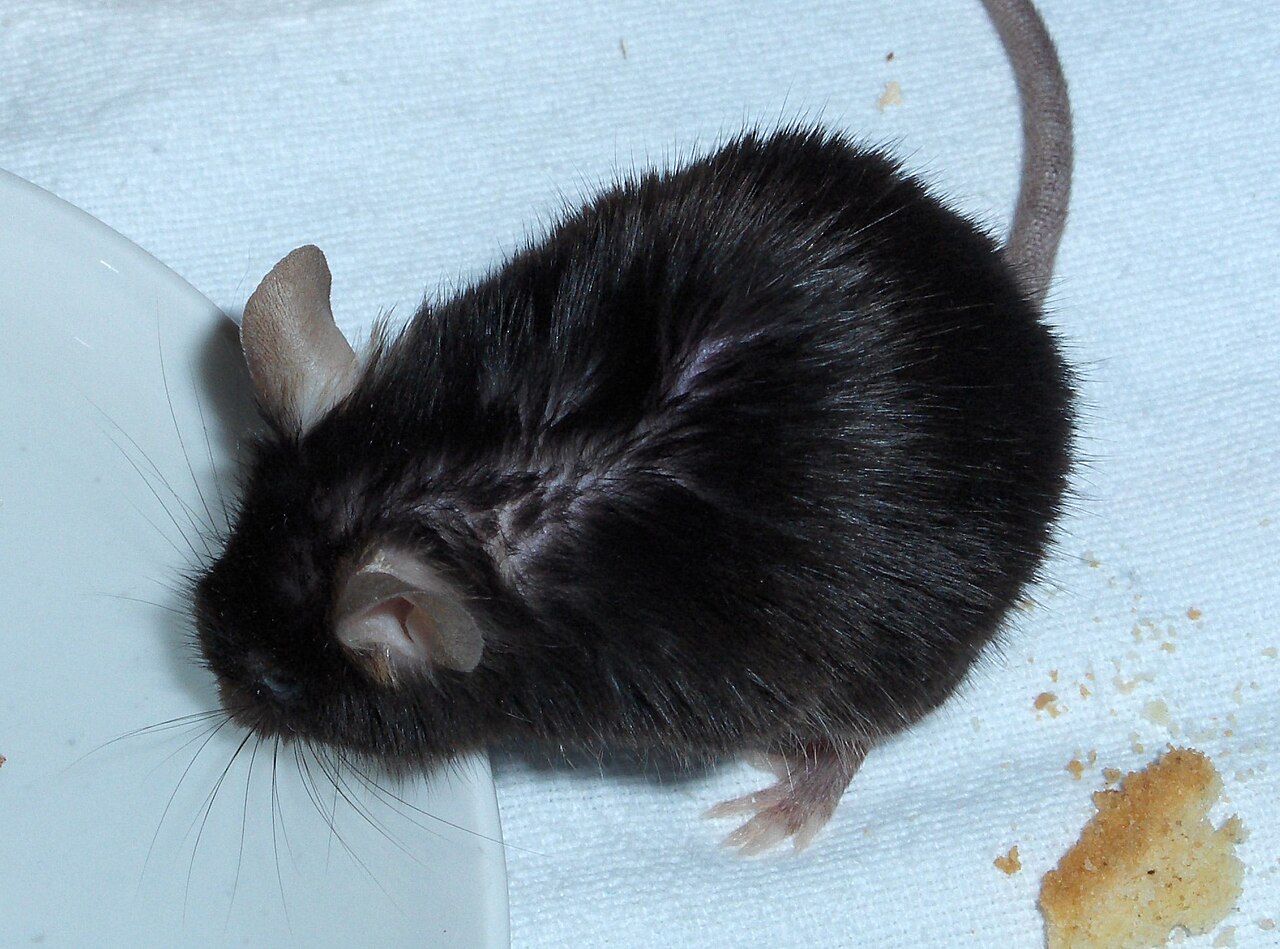
A consortium led from the University Hospital Regensburg and the Technical University of Munich has now shown that the gut microbiota controls it. Using stable isotope-labelled lipids traced by mass spectrometry in germ-free, defined-community and conventionally colonized mice, they found that colonized animals absorb substantially less dietary fat, and that the mechanism runs through bile chemistry rather than anything happening in the gut wall itself.
Why it matters: The size of the effect is the story. Lipid entering circulation fell by 45 to 51 percent in mice with a defined 12-member community and by 58 to 63 percent in conventionally colonized mice, relative to germ-free animals. The authors note directly that this reduction is larger than what approved anti-obesity drugs achieve.
The comparison that gives the number meaning
A percentage is not interpretable without a benchmark, and the paper supplies one. Orlistat, which inhibits gastric and pancreatic lipase and is prescribed precisely to block fat absorption, lowers dietary lipid uptake by roughly 30 percent. Semaglutide reduces postprandial triglyceride accumulation in serum by about 24 percent. Against those, a 58 to 63 percent reduction attributable to the resident microbiota is substantial. As Brunner and colleagues put it in Nature Microbiology, This reduction is much larger compared with effects of anti-obesity drugs.
The obvious alternative explanation is transit time. If colonized mice simply move food through the small intestine faster, less fat would be absorbed for reasons having nothing to do with bile. The team measured it, and transit times of the labelled lipid through the small intestine were similar across germ-free, defined-community and conventional mice. That closes the most likely confound rather than leaving it to the reader.
It also lands in a literature that has not agreed with itself. Earlier work reported the opposite direction, with colonized mice accumulating more labelled triglyceride in plasma than germ-free ones, while a separate line found that microbiota-driven interleukin-22 production in small intestinal T cells reduces absorption in enterocytes. The authors are explicit that experimental conditions differ across these studies, in diet, tracer and whether peripheral uptake was blocked, and that those choices determine what a plasma measurement means. Reading the disagreement as a methods problem rather than a contradiction is the more defensible position, and it is the one they take.
A chain that runs from bacteria to bile
The mechanism is unusually complete for a microbiome paper, which more often ends at a correlation. Microbial colonization triggers Myd88 signalling in the host. That downregulates hepatic Cyp7b1, an enzyme in bile acid synthesis, shifting production toward taurocholate. Taurocholate in turn stimulates phospholipase A1 activity within bile, and that enzyme degrades the phosphatidylcholine that micelle formation depends on. Less intact phosphatidylcholine means poorer packaging, and poorer packaging means fat that stays in the gut lumen. The gut contents of colonized mice held up to twelve times more lipid than those of germ-free animals.
The enzyme responsible turns out to be carboxyl ester lipase, made in the exocrine pancreas and reaching bile through the pancreatic duct. In mice lacking it, phospholipase A1 activity in bile dropped and lipid uptake into plasma and liver rose to roughly the level seen in germ-free animals. That is the test that matters, because it removes the proposed effector and recovers the germ-free phenotype. The team also identified between 393 and 1,823 proteins in gallbladder bile, a fluid usually treated as a simple detergent rather than an active enzymatic compartment.
What the study can't say yet
This is mouse work throughout, and the germ-free mouse is a strange animal. Raising a mammal with no microbes at all produces abnormal gut architecture, immune development and bile acid pools, so a germ-free-versus-colonized comparison measures the difference between a normal animal and a deeply unusual one, not a dose-response across realistic human variation. The defined-community arm helps, and does not resolve it.
The drug comparison is also a comparison across studies rather than a head-to-head experiment, and the endpoints differ: absorbed label in this work, versus faecal fat or serum triglycerides in the orlistat and semaglutide literature. The claim that the microbial effect is larger is reasonable and is not the same as having measured both in the same animals. Nothing here shows that manipulating this pathway in a person would change body weight, which is the question the numbers invite and the study does not address.
Quick questions
Does this mean gut bacteria make you thinner? Not established. The work measures lipid absorption over hours in mice, not body weight over months, and less absorbed fat has consequences for energy balance that this design cannot follow.
Why does bile matter so much here? Because fat cannot cross the intestinal wall unpackaged, and the packaging material comes from bile. Controlling bile composition is an indirect but powerful way to control how much fat gets through.
What's the one-line takeaway? Gut bacteria reshape bile chemistry so that it destroys the phosphatidylcholine fat absorption depends on, cutting lipid uptake by more than half in mice, a larger effect than orlistat achieves.
Brunner et al. "Gut microbiota restricts intestinal lipid uptake via modulation of bile phosphatidylcholine metabolism in mice." Nature Microbiology, 2026;11(8):2349-2364. doi.org/10.1038/s41564-026-02434-z
PubMed PMID: 42527633.
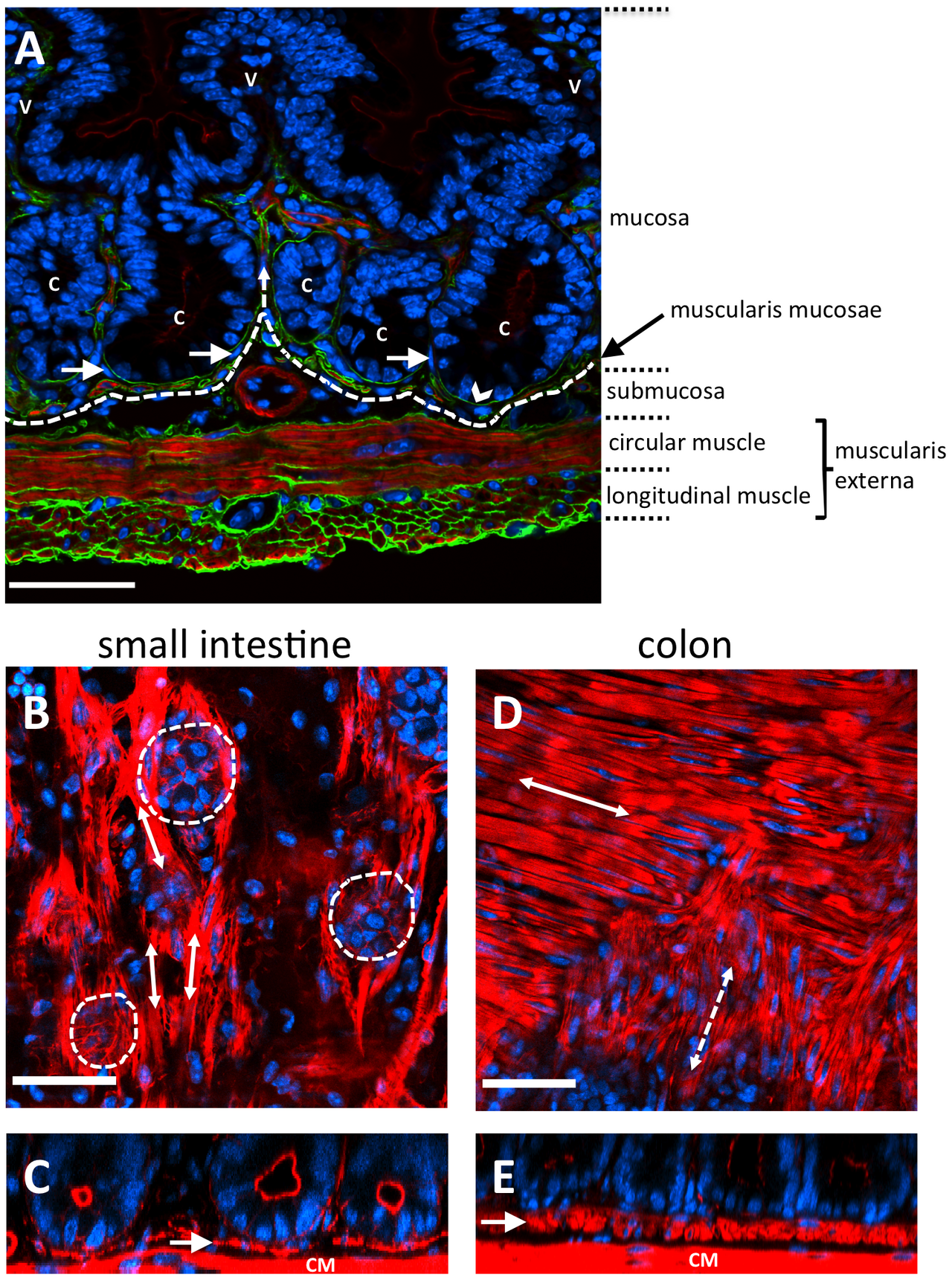
Image: Musculature of the mouse intestinal wall, Dunn S-J, Appleton PL, Nelson SA et al., CC BY 4.0, via Wikimedia Commons.
Comments