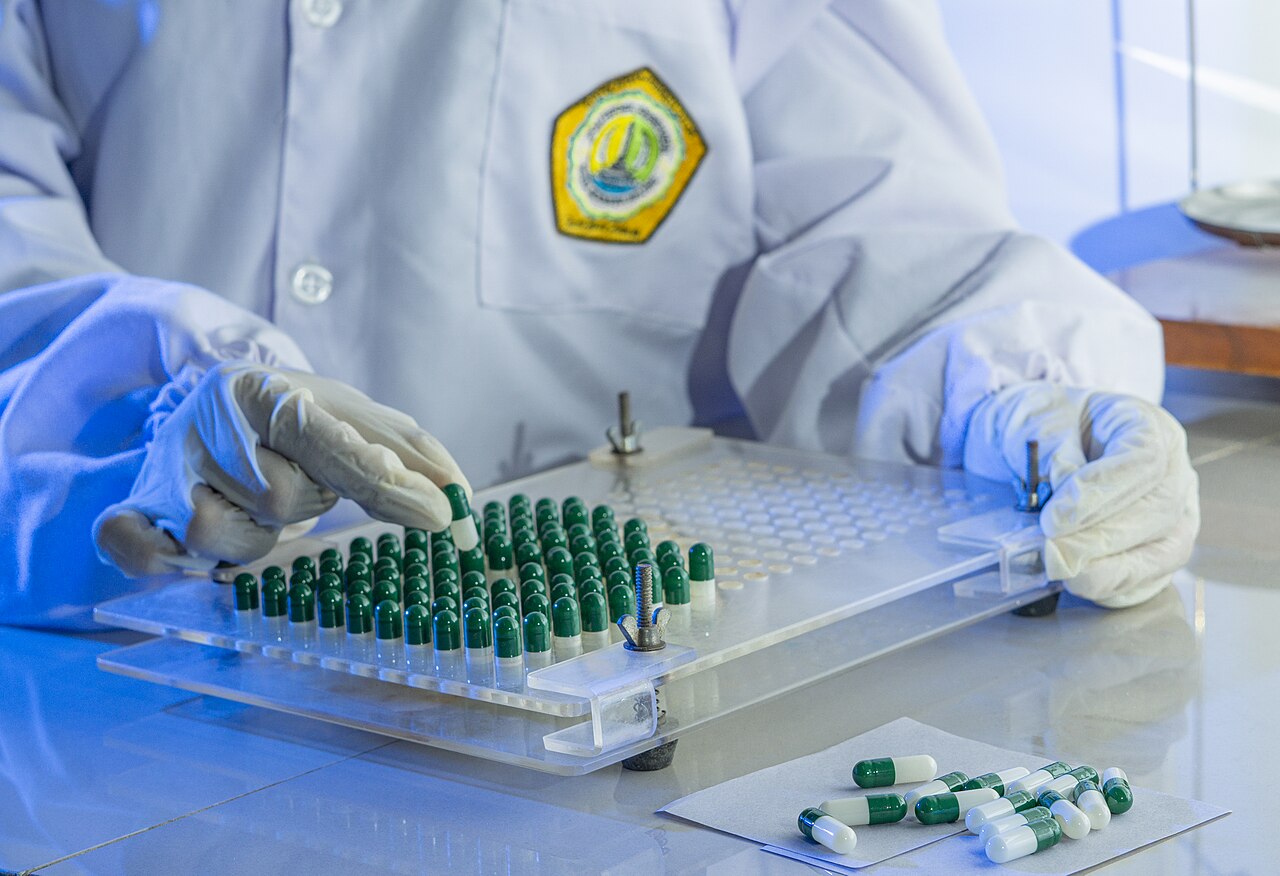
Twice a day for two weeks, a group of adults being treated for depression swallowed a small capsule alongside their usual antidepressant pill. The capsule was odorless and easy to take. Some contained a placebo. Others held something stranger: a carefully screened, freeze-dried community of gut bacteria from a healthy donor. Neither the patients nor their doctors knew which was which.
By the end of the trial, the people who had received the real gut bacteria were feeling better, and feeling better sooner, than those on placebo. In a randomized, double-blind, placebo-controlled study published in Cell Host & Microbe, researchers led by Li et al. at Beijing Anding Hospital, Capital Medical University, found that adding a two-week course of fecal microbiota transplantation (FMT) capsules to the antidepressant escitalopram produced larger drops in depression scores at both week 2 and week 8 than escitalopram plus placebo.
Why it matters: Antidepressants often take weeks to work and fail to fully help a large share of people who take them. If reshaping the gut can safely speed up or deepen that response, it points toward a genuinely new lever for one of the world's most common illnesses.
What the trial actually found
The design was deliberately conservative. Everyone in the study received escitalopram, a widely prescribed SSRI. The only difference between groups was whether the added capsules carried donor bacteria or a placebo. That setup asks a sharp question: not whether bacteria can replace medication, but whether they can make a standard medication work better.
The headline result comes with an honest asterisk. The trial's main pre-specified goal, the share of patients in full remission by week 8, did not differ significantly between the two groups. What did differ was the trajectory. People on FMT saw steeper reductions on the Hamilton Depression Rating Scale, the 17-item version clinicians have used for decades, at both the two-week and eight-week marks. In practical terms, the bacteria seemed to help symptoms ease faster and further, even if they did not push significantly more people all the way to remission.
Just as important for a therapy built on swallowing someone else's microbes: it was well tolerated, with a safety profile comparable to placebo.
A plausible route from gut to mood
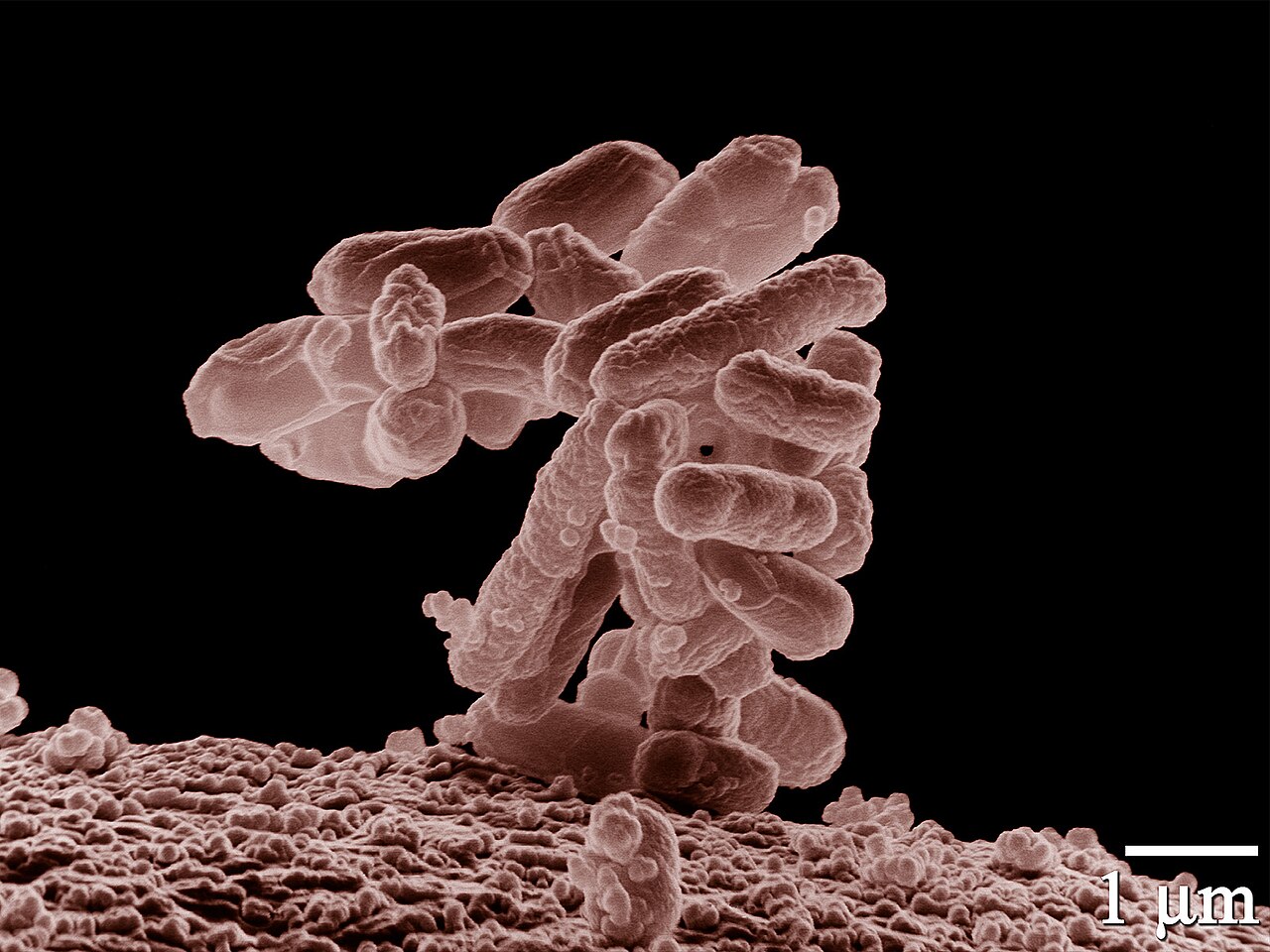
What makes this study more than a curiosity is that the researchers traced a chain of events, not just an outcome. Using multi-omics analyses, they showed that the donor bacteria didn't just pass through. They took up durable residence, a process called engraftment, and enriched beneficial families such as Lachnospiraceae and Oscillospiraceae, groups long associated with a healthy gut.
That microbial remodeling was accompanied by a rise in bile acids in the blood, and those bile-acid increases correlated with how much people's depressive symptoms improved. Bile acids are best known for helping digest fat, but they also act as signaling molecules that can tune the immune system. A mediation analysis pointed to that being the connective tissue here: the shifted microbes appeared to raise bile acids, which in turn suppressed inflammatory pathways linked to mood. As the authors conclude, FMT may provide a safe avenue to enhance escitalopram efficacy through microbiota-directed regulation of bile-acid metabolism and inflammation.
The idea that inflammation and depression are intertwined is not new. What this trial adds is a candidate mechanism you can actually intervene on, and a human-scale demonstration that nudging the gut moves the relevant chemistry in the right direction.
What the study can't say yet
Because the primary remission endpoint came back statistically flat, this is best read as a promising signal rather than a settled treatment. Faster and larger symptom reductions matter to patients, but a single trial cannot tell us how long the benefit lasts once the capsules stop, whether it holds up in a larger and more diverse population, or how it would perform outside a single medical center. The study paired FMT with one specific antidepressant, so it says nothing about other drugs or about FMT on its own. And donor-derived transplants raise questions the abstract doesn't resolve: how much the choice of donor matters, and whether an off-the-shelf, standardized bacterial product could reproduce the effect. The bile-acid-and-inflammation story, while well supported by the mediation analysis, is a correlation-anchored mechanism that will need direct testing before anyone calls it proven.
Where this fits
For years, the gut-brain connection has lived in a gray zone between compelling animal studies and cautious human hope. A rigorously blinded trial that shows measurable, mechanism-linked mood effects, and openly reports where the results fell short, is exactly the kind of careful step the field has needed. It won't put bacterial capsules in pharmacies tomorrow. But it makes the case that the microbes in your gut are not bystanders to how you feel, and that the medicine cabinet of the future may include a few carefully chosen residents of your own body.
Quick questions
Should people ask their doctor for a bacteria capsule instead of an antidepressant? No. This was an add-on to standard medication, not a replacement, and it is an early research finding, not an approved treatment.
Did the bacteria cure anyone's depression? Not on their own. Everyone was also taking an antidepressant, and the bacteria mainly appeared to speed up and deepen the response rather than push significantly more people into full remission.
What's the one-line takeaway? In a careful blinded trial, donor gut bacteria helped a common antidepressant work faster, seemingly by raising bile acids that calm inflammation, though the benefit still needs to be confirmed in larger studies.
Li et al. "Adjunctive fecal microbiota transplantation for major depressive disorder: A randomized, double-blind, placebo-controlled trial." Cell Host & Microbe, 2026. doi.org/10.1016/j.chom.2026.05.017
PubMed PMID: 42309058.
Image: Medicine capsules. M Joko Apriyo Putro, CC BY 4.0, via Wikimedia Commons.
Comments