Most claims that gut bacteria influence body weight stall at the same place: an association between a community of microbes and a metabolic state, with no molecule in hand. Without the molecule there is nothing to test, nothing to dose, and no way to tell a cause from a consequence of how someone eats.
A group at Duke reports a specific one. A human gut bacterium, Clostridium immunis, secretes a long-chain sugar carrying a chemical decoration called phosphocholine, and that decorated sugar both prevented and reversed obesity in mice. The decoration is the active part: bacteria engineered to lose the genes that attach it lost the effect, and adding those genes back restored it.
Why it matters: A defined bacterial molecule with a known active motif is a drug candidate in a way that "a healthier microbiome" never is. It can be purified, dosed and measured, and its mechanism can be checked in animals that lack particular immune cells.
The study, by Tan et al. at Duke University School of Medicine, appears in Cell Host & Microbe.
The mutants are the argument
The strongest evidence here is not that the bacterium helped mice. It is the pair of engineered mutants. Deleting the phosphocholine biosynthesis locus, licABC, removed protection against metabolic disease; restoring it brought protection back. Loss and gain of function in the same system is the difference between a correlation and a claim about a specific chemical group.
That also narrows what a therapy would need to be. Not a species, not a community, but a sugar bearing a particular modification. Species come and go in a gut; a molecule can be made.
A sugar coat, and why the tag is the point
Gut bacteria coat themselves in long chains of sugar, and some of those chains are known to talk to the immune system rather than merely armour the cell. The best-studied precedent is polysaccharide A from Bacteroides fragilis, which shapes regulatory T cells, so the idea that a secreted bacterial sugar can instruct host immunity is established rather than novel.
What is new is the specificity. The activity here does not belong to the sugar chain in general but to phosphocholine, a small chemical group attached to it, and phosphocholine is a motif the mammalian immune system already recognises from other bacteria. That reframes the therapeutic target from an organism to a chemical modification, which is the level at which drugs are actually made.
A counterintuitive direction of effect
The mechanism runs against the usual expectation. The bacterial sugar decreases levels of IL-22, an immune signalling protein, in the small intestine and visceral fat, and the result is more metabolic activity in visceral fat specifically, the deep abdominal fat most closely tied to metabolic disease. IL-22 is more often described as protective at the gut barrier, so a bacterium lowering it and improving metabolism is not the expected story.
The team tested this rather than asserting it. In mice lacking IL-22, and in mice lacking group 3 innate lymphoid cells, the immune cells that produce most of it, the bacterium had no effect on obesity. A treatment that stops working when you remove the proposed intermediary is evidence that the intermediary is doing the work.
What the study can't say yet
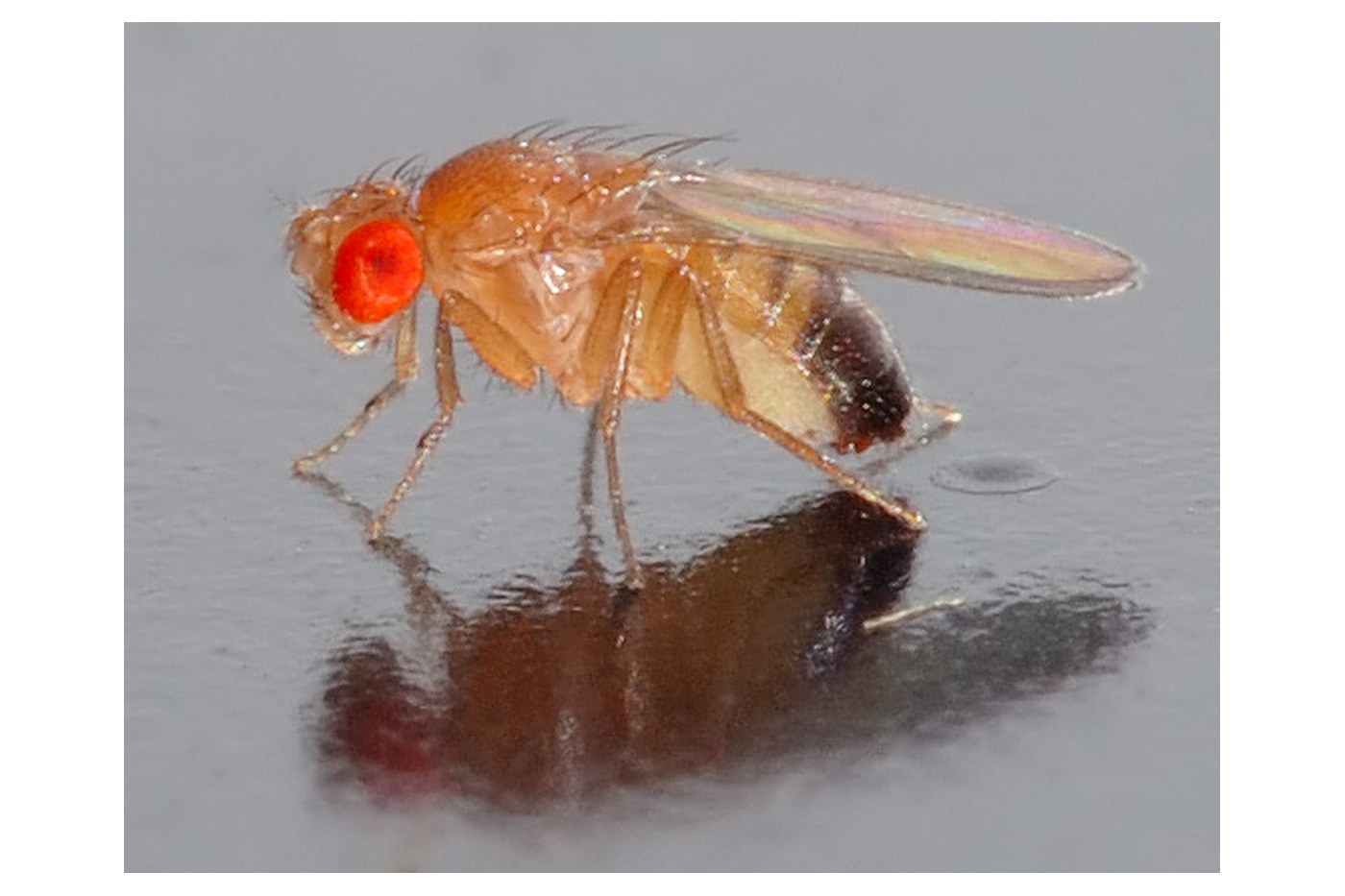
The causal chain is established in mice, and obesity in a mouse is a controlled experiment in an inbred animal on a defined diet. Human obesity involves food environment, behaviour, sleep and medication, none of which a mouse model captures.
The human data here is a different kind of evidence, and much weaker. The phosphocholine biosynthesis genes are less abundant in people with obesity or high triglycerides, which is an association in sequencing data. It cannot say whether fewer of those genes helped cause the metabolic state, or whether the metabolic state, and the diet behind it, changed which bacteria thrive. The authors' wording stays inside that limit, reporting that phosphocholine biosynthesis genes are less abundant in humans with obesity or hypertriglyceridemia, suggesting conserved functions of bacterial phosphocholine. Suggesting is the operative word.
Nor has anything been given to a person. There is no dose, no safety data, and no evidence about what chronically lowering IL-22 in the gut might cost, which is a real question for a signal involved in barrier defence. The paper's own framing, a clinically translatable strategy, describes a direction of travel rather than a result.
Quick questions
Is this a weight-loss pill? No. It is a bacterial molecule that worked in mice. No human has received it, and no dose or safety profile exists.
What is phosphocholine doing? It is a small chemical group attached to the bacterium's secreted sugar. Removing the genes that attach it abolished the benefit, so the sugar alone is not enough; the decoration is what the host responds to.
What's the one-line takeaway? A gut bacterium's phosphocholine-tagged sugar prevented and treated obesity in mice by lowering IL-22 and raising metabolic activity in visceral fat, and the human evidence so far is only that the genes making that tag are scarcer in people with obesity.
Tan CY, Li Y, Jiang D, et al. "A commensal-derived sugar protects against obesity by regulating immunometabolism." Cell Host & Microbe, 2026. doi.org/10.1016/j.chom.2026.08.018
PubMed PMID: 42777714.
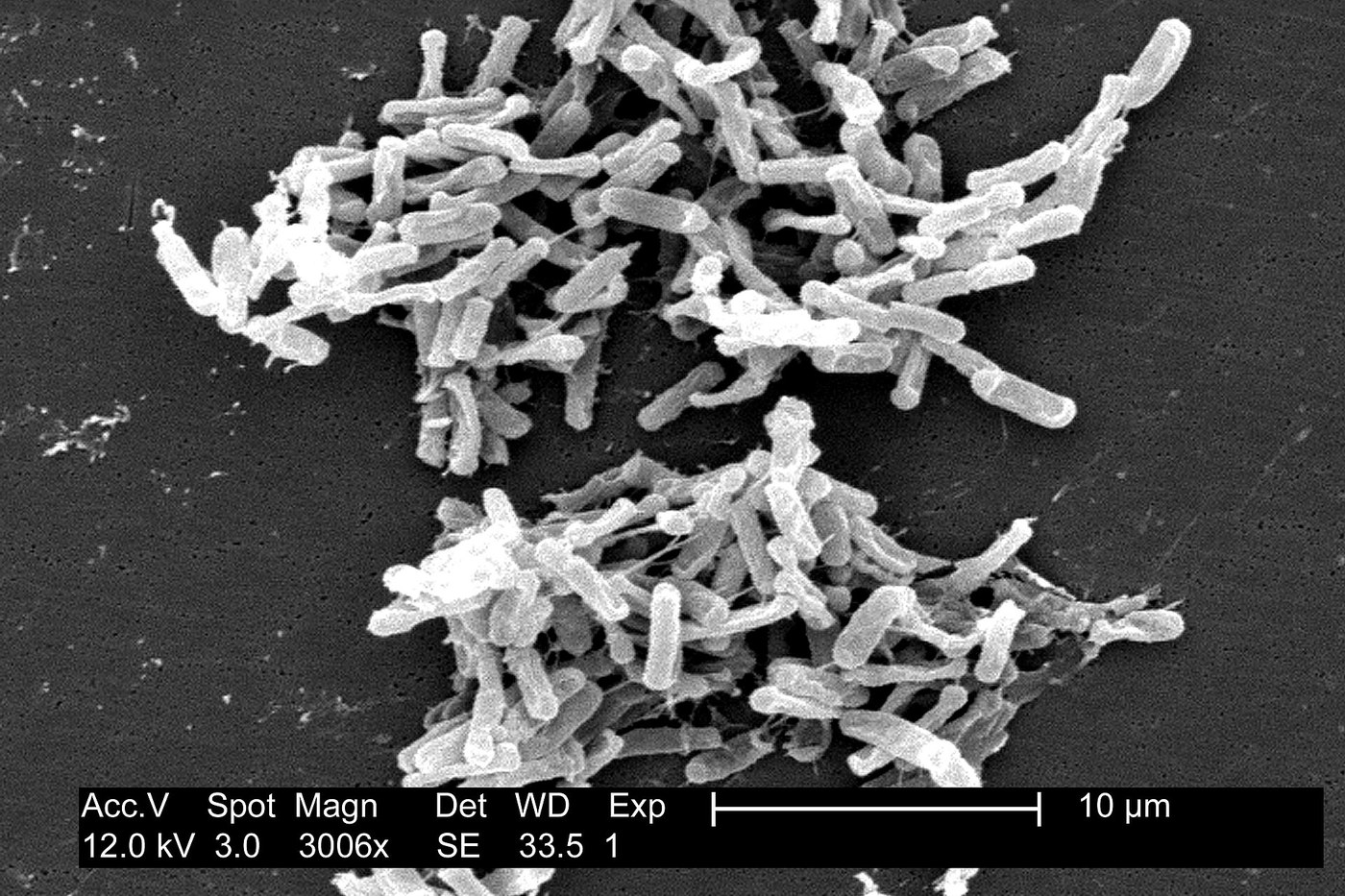
Image: Clostridium difficile, a related species in the same genus, not the bacterium studied here. CDC, public domain, via Wikimedia Commons.
Comments