

By the time a mouse is old, its organs are quietly littered. Not with the dramatic damage of disease, but with the corpses of its own immune cells, spent neutrophils that should have been swept away days ago and instead linger and leak. In a young body, a cleanup crew handles this without fuss, engulfing the dead before they can cause trouble and recycling what is useful. In an old one, the crew has all but clocked out, and the mess it leaves behind turns out to matter far more than anyone assumed.
A team at Stanford has now pinned much of the ordinary wear of aging on that failing cleanup, and shown it can be switched back on. The culprit is not the neutrophils themselves but the cells meant to eat them: tissue-resident macrophages, the long-lived scavengers embedded in every organ. As mice grow old, these macrophages lose their appetite for dying neutrophils, and the uncollected debris stokes inflammation and decline across the body. Turn down a single receptor, and the appetite comes back.
Why it matters: Aging is usually framed as accumulated damage that runs one direction only. This work reframes part of it as a maintenance failure, a specific and reversible breakdown in how the body clears its own dead cells, controlled by one druggable switch that improved many hallmarks of old age at the same time.
The study, led by Tan et al. at Stanford University School of Medicine, traced the problem to a signaling receptor called EP2, which sits on tissue-resident macrophages and answers to the lipid messenger prostaglandin E2. In aged mice, EP2 signaling runs high, and the macrophages stop performing efferocytosis, the tidy engulfment of dying cells. Senescent neutrophils, a kind of white blood cell with a naturally short working life, then pile up where they should have been quietly removed.
One switch, many symptoms
When the researchers dialed down EP2 signaling in old mice, the effects were neither subtle nor narrow. The animals held onto youthful mitochondrial function and were shielded from a striking spread of age-related troubles: cognitive decline, frailty, the muscle wasting doctors call sarcopenia, unwanted fat gain, heart impairment, and the smoldering, body-wide inflammation that so often shadows old age. It is rare for one intervention to touch so many separate hallmarks of aging at once, and that breadth is the point. It suggests the team had reached something upstream, a shared cause rather than yet another downstream symptom to patch. Mitochondria, the tiny power plants inside cells, are among the first things to falter with age, so keeping them fit hints at a benefit that runs deep rather than skin-deep.
A local mess with system-wide costs
To find where the age-related immune shift was coming from, the team read out thousands of proteins circulating in the blood. The trail led to the liver, which emerged as a major source of the change. There, easing EP2 signaling restored the macrophages' ability to clear neutrophils and stopped a kind of chemical stress from radiating out to neighboring cells. The picture is of a local cleanup failure with consequences far beyond the site: debris that is not removed becomes a signal that quietly harms the tissue around it.
Two findings push the work past mouse biology. First, the same fingerprints, high EP2 on tissue macrophages and a buildup of senescent neutrophils, turned up in aged and diseased human tissue. Second, the switch is druggable. A drug that blocks EP2, rather than a genetic tweak, restored youthful neutrophil clearance in the animals, which is the kind of intervention that could in principle be given to a patient. As the authors conclude, Pharmacologic EP2 inhibition restored youthful neutrophil clearance, establishing impaired TRM efferocytosis as a reversible driver of organ decline in aging.
What the study can't say yet
The strongest results live in mice, and the interventions mostly prevented decline in aging animals rather than reversing it in the very old or the already sick. The human evidence here is a matter of correlation: the right molecular signatures appear in aged tissue, but no person was treated. EP2 is a widely used signaling receptor with jobs far beyond this one cleanup task, so blocking it for the long term could carry costs these aging experiments were never designed to reveal. And prevented is not cured. Whether restoring this cleanup can roll back damage that has already set in, inside a human body, is a question the study leaves open.
Quick questions
What are senescent neutrophils? Neutrophils are short-lived white blood cells. The senescent ones are past their working life and meant to be cleared away; when they instead linger, they leak inflammatory signals into the surrounding tissue.
Does this mean a pill can slow human aging? Not yet. The multi-organ benefits and the EP2-blocking drug were shown in mice. The human side is so far only a matching molecular pattern in aged tissue, not a treatment given to anyone.
What's the one-line takeaway? Part of aging may be a reversible failure of the body's cellular cleanup crew, and restoring that cleanup through a single receptor kept old mice healthier across many organs at once.
Tan et al. "Restored clearance of senescent neutrophils by tissue-resident macrophages limits organ aging." Science, 2026. doi.org/10.1126/science.aea3075
PubMed PMID: 42462036.
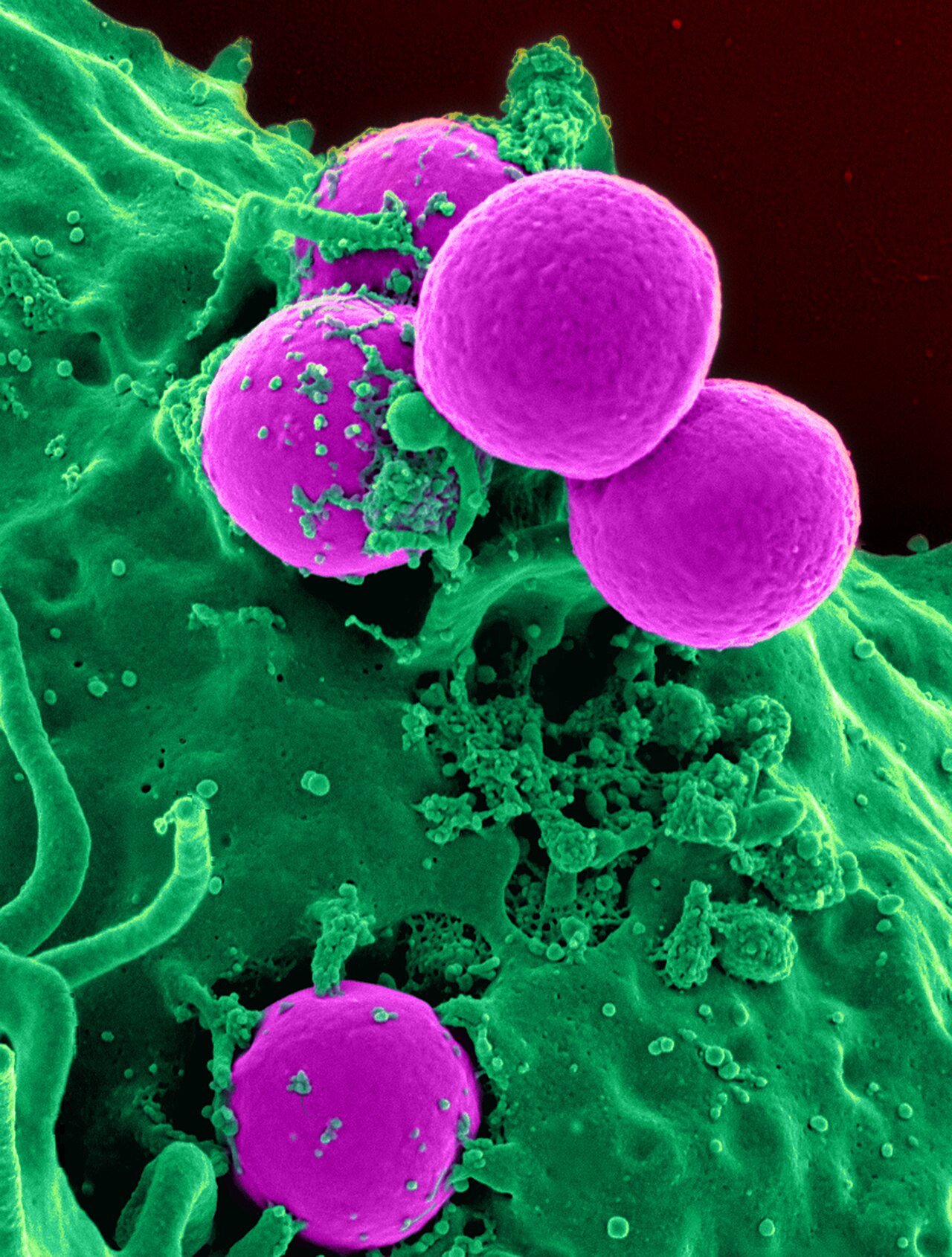
Image: Scanning electron micrograph of a human neutrophil, a white blood cell. National Institutes of Health (NIH/NIAID), public domain, via Wikimedia Commons.
Comments