
Heavy metals in soil are usually bad news for a plant. Cadmium, in particular, is a poison that stunts growth and ends up in the crops we eat. So it is a little strange to learn that a plant can take those same metals and use them to arm its own immune system. That is the finding in a paper published this week in Nature Plants by a team led by researchers at Nanjing Agricultural University and the Chinese Academy of Sciences.
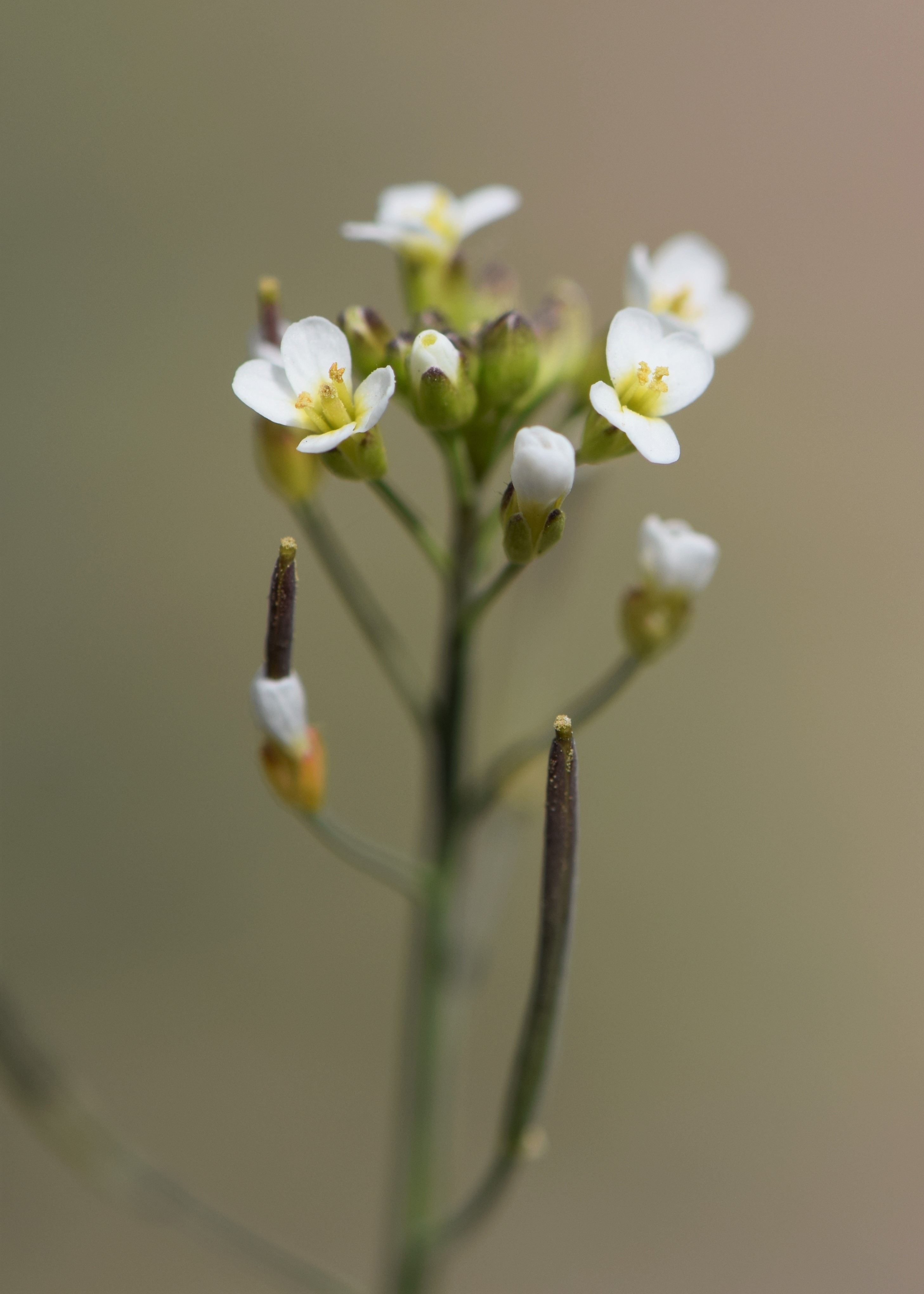
The work centers on the roots of Arabidopsis thaliana, the small weed that plant biologists use the way geneticists use fruit flies. Farmers have known for a long time that certain metals in the ground seem to make plants more resistant to disease. Nobody had a clean explanation for why. This study offers one, and it runs through a single pair of immune receptors sitting in the root's inner cell layer.
A receptor that reads the soil
Plants defend themselves with proteins called NLRs, short for nucleotide-binding leucine-rich repeat receptors. They are the plant equivalent of an internal alarm system, watching for signs of invasion. The team zeroed in on two NLRs encoded by genes sitting head to head on the chromosome, which they named STM1 and STM2. Both are switched on in the endodermis, a ring of cells wrapped around the vascular core of the root.
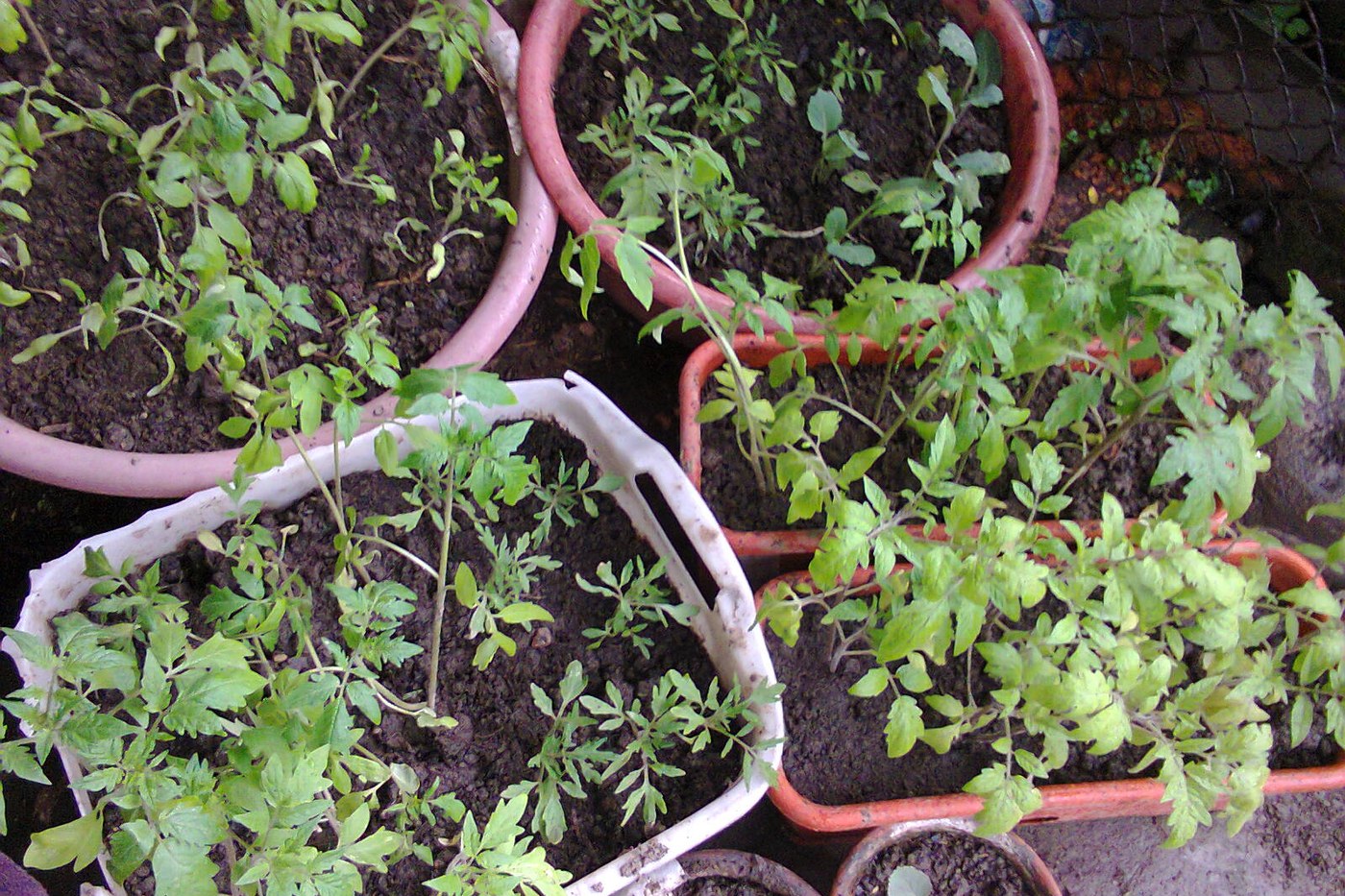
STM2 turned out to be the metal sensor. Its leucine-rich repeat domain grabs onto transition metal ions, including cadmium, copper and zinc. Once bound, STM2 ramps up its enzymatic activity, chewing through NAD and firing off a defense cascade that runs through the EDS1, PAD4 and ADR1 signaling module. The practical result is a plant much better at fighting off Ralstonia solanacearum, the bacterium behind bacterial wilt. Wilt is not a minor problem. It attacks tomato, potato, banana and hundreds of other species, and it is notoriously hard to control once it takes hold in a field.
So metals in the soil act as a kind of danger signal. When they accumulate in the root, STM2 senses them and the plant tightens its guard.
The brake on the alarm
An immune system that never turns off is its own kind of danger. Constant defense signaling costs energy and stunts growth, and here the trigger is a class of ions that are themselves toxic at high doses. This is where the second receptor comes in. STM1 works against STM2, suppressing it. That restraint protects the plant from metal-driven immunity running out of control and from the growth penalty that comes with sitting in metal-loaded soil.
But STM1 does not come for free. In damping down the metal response, it also lowers the plant's resistance to the pathogen. The authors describe this as a trade-off written into the genome: a balance between staying susceptible to bacterial wilt and staying sensitive to the metals that saturate so many agricultural soils. Two receptors, pointed in opposite directions, tuning where the plant lands on that spectrum.
What it does not settle
This is a study in Arabidopsis, grown under controlled conditions. Bacterial wilt does its real damage in tomato, potato and banana fields, and the paper does not show that engineering this receptor pair would protect those crops. Whether STM2's metal-sensing trick can be moved into food crops, and whether it would hold up against the messiness of a real field, are open questions. There is also the obvious tension that the metals doing the arming, especially cadmium, are contaminants nobody wants more of in farmland or in food. Boosting immunity by dosing soil with toxic metals is not a plan. The value here is mechanistic. Now that the sensor is identified, the door opens to switching on the same defense pathway without the metals.
What makes the result satisfying is how it explains an old observation. Growers and agronomists had noticed the metal-disease link for years without a mechanism. A protein that physically binds cadmium, copper and zinc, and that flips a plant's immune state when it does, is a concrete answer. It also adds to a growing picture of plant roots as sophisticated sensors, reading the chemistry of the dirt around them and adjusting their biology in response.
Gao, C. et al. "Transition metal-enhanced immunity in Arabidopsis roots via an NLR pair." Nature Plants, 2026. doi.org/10.1038/s41477-026-02300-0
PubMed PMID: 42092167.
Photograph: Krzysztof Ziarnek, Kenraiz, CC BY-SA 4.0, via Wikimedia Commons.
Comments