


Anyone who has stared at the ceiling after a rough day already suspects that memory and sleep are tangled together. A paper published this week in Science puts a mechanism behind that hunch. Working in mice, a team based at Tsinghua University tracked what the brain replays while it sleeps, then showed that the content of those replays pushes the animal toward waking or holds it in rest.
Sleep is when the brain files away the day. Recent memories get consolidated through spontaneous reactivation, brief bursts in which the neurons that fired during an experience fire again in sequence. What had stayed murky was whether this housekeeping feeds back on sleep itself. If the brain is busy rehearsing yesterday, does that change how well it sleeps tonight?
Replaying the good and the bad
The researchers gave mice experiences that carried an emotional charge, some pleasant, some aversive, and then watched the corresponding memory traces reactivate during sleep. The two kinds of memory pulled in opposite directions. Reactivation of a negative memory promoted arousal, nudging the animal toward wakefulness. Reactivation of a positive memory did the reverse, supporting stable, uninterrupted sleep.
This was not a vague mood effect. The team traced the split to specific engram circuits linking the hippocampus, the brain's memory hub, and the amygdala, which tags experiences with emotional weight. When those experience-specific circuits lit up during sleep, downstream regions responded according to what the memory was about. Good memory, more stability. Bad memory, more arousal. The brain, in other words, was not just storing the day's events. It was letting their emotional flavor set the terms of its own rest.
When stress hijacks the night
The more striking part came in a chronic stress model, the kind of setup meant to mimic the wear of prolonged hardship. In stressed mice, negative memory reactivation ran hot and drove sleep disturbance, the fragmented, restless sleep that so often shadows anxiety and depression in people. Then the researchers did something the correlational story could not do on its own. They suppressed the reactivation of those negative memories directly. Normal sleep came back.
That last step matters because it flips the usual assumption. We tend to think poor sleep makes bad memories feel worse. Here the arrow points the other way too. The replay of a bad memory was itself corroding sleep, and switching off that replay was enough to repair it. It suggests a self-reinforcing loop that runs at night, out of reach of conscious effort, and a specific point where that loop might be broken.
What this does and does not tell us
The caveats are worth stating plainly. This is mouse work. Researchers can track and manipulate engram circuits in a mouse brain with tools that have no counterpart in a human clinic, and the leap from a rodent's night to a person's insomnia is long. The study also does not deliver a therapy. Nobody is going to selectively mute a specific bad memory in a patient any time soon, and it would raise hard questions if they could. What the paper offers is a causal chain, memory content to circuit to sleep quality, demonstrated in an animal where each link can be tested.
Still, the framing is useful. Sleep disturbance is usually treated as a symptom riding along with stress or mood disorders. This work argues that the nightly reactivation of aversive memories can be a driver in its own right, with a circuit address you can point to. For the many people whose worst nights follow their worst days, that is a more precise way to describe an old, familiar problem, and precision is where treatments eventually start.
Yu, M. et al. "Memory reactivation underlies experience-dependent adaptive regulation of sleep." Science, 2026. doi.org/10.1126/science.aed8630
PubMed PMID: 42241552.
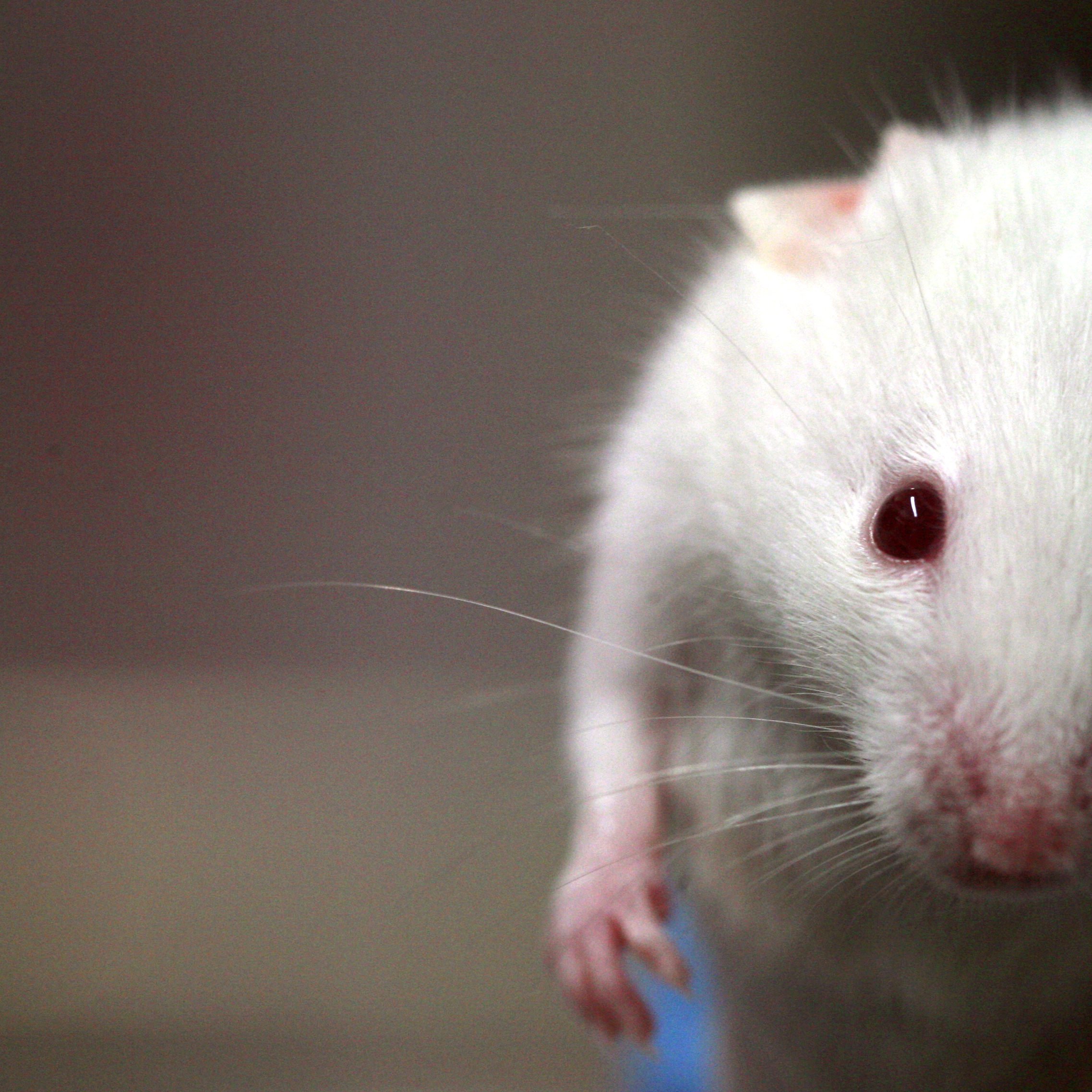
Photograph: Rama, CC BY-SA 2.0 fr, via Wikimedia Commons.
Comments